How to Choose Dental Veneers That Look Natural
agosto 11, 2026
How Adults Can Prevent Cavities Every Day
agosto 15, 2026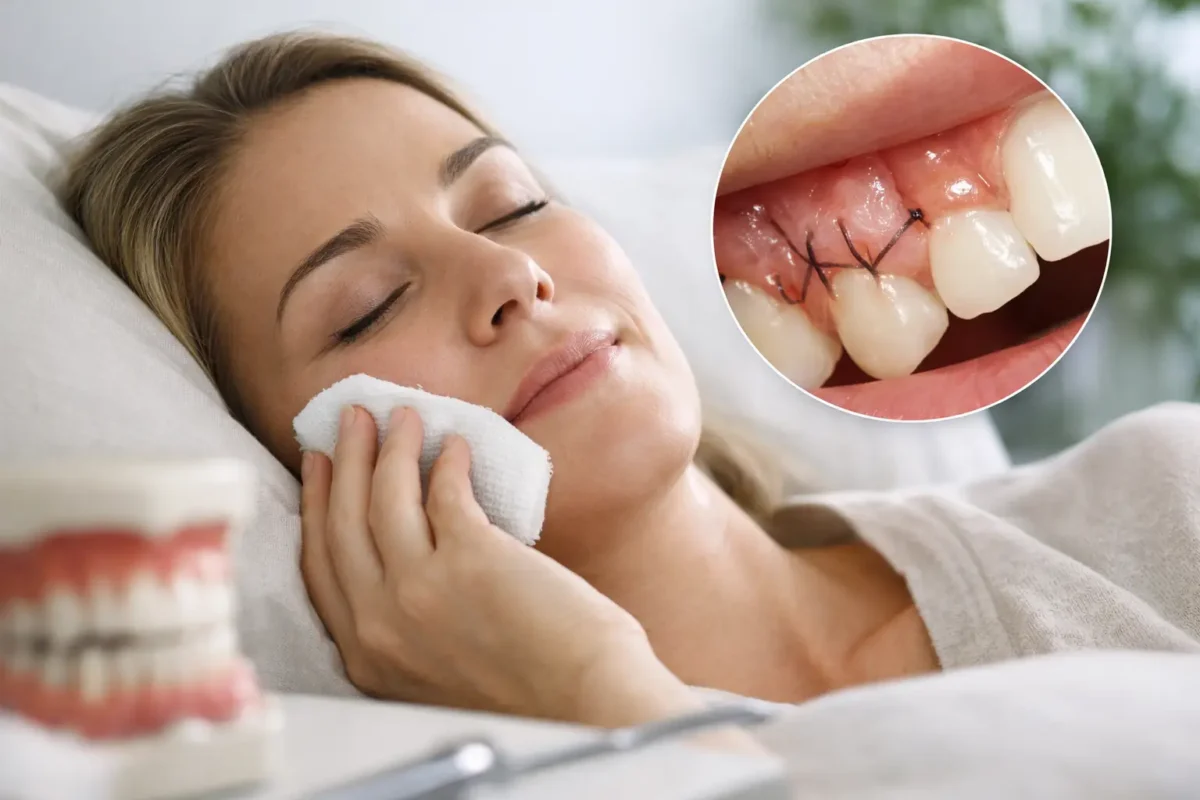
A search for recuperacion tras cirugia periodontal usually comes with a very practical question: “What will the next few days actually feel like?” Periodontal surgery is designed to protect the foundation of your smile by treating gum disease, reshaping tissues, or supporting areas that need regeneration. The procedure may be carefully planned, but your recovery choices play a meaningful role in how comfortably and predictably your gums heal.
The good news is that most patients can manage recovery well with clear instructions, gentle routines, and timely follow-up care. Your experience will depend on the type and extent of surgery, whether a gum graft or bone graft was involved, the location treated, and your general health. Your dentist or periodontist’s personal instructions should always take priority over general advice.
What to expect after periodontal surgery
Once the local anesthetic wears off, it is normal to feel tenderness around the treated area. Mild bleeding or oozing during the first 24 hours, swelling, bruising, and sensitivity are also common. These effects do not necessarily mean something is wrong. They are part of the body’s inflammatory response as it begins to repair the tissues.
Swelling often becomes more noticeable during the first two to three days before gradually improving. If you had tissue or bone grafting, the area may feel fuller, tighter, or more delicate for longer. Avoid repeatedly pulling your lip or cheek back to inspect the surgical site. It can disturb the area, create tension on stitches, and make healing harder to judge.
Pain should generally be manageable with the medication recommended by your clinician. Taking pain relief as directed before discomfort becomes intense can be more effective than waiting. If antibiotics were prescribed, complete the course unless your dental team tells you otherwise.
The first 24 hours: protect the surgical site
The first day is about rest and protection. Plan for a quiet schedule, particularly if you have had sedation or a more involved procedure. Do not drive, make significant decisions, or drink alcohol after sedation until the effects have fully passed and you have followed your clinician’s guidance.
For swelling, apply a cold pack to the outside of your face in short intervals, such as 15 to 20 minutes on and 15 to 20 minutes off. Keep your head elevated with extra pillows when resting. This can reduce throbbing and limit fluid buildup.
Do not rinse forcefully, spit vigorously, or use a straw on the day of surgery. These actions can dislodge a clot or disturb a graft. If there is slight bleeding, place clean gauze over the area and apply gentle, steady pressure as instructed. A small amount of pink saliva is usually expected. Bright red bleeding that does not slow with pressure needs prompt advice from your dental team.
Eating comfortably while your gums recover
Soft, cool or lukewarm foods are usually best for the first several days. Think yogurt, eggs, smoothies eaten with a spoon, mashed vegetables, oatmeal once cooled, soft fish, pasta, soups that are not hot, and well-cooked grains. Chew away from the treated side whenever possible.
For the first phase of healing, avoid hard, crunchy, spicy, acidic, sticky, or very hot foods. Nuts, chips, crusty bread, seeds, popcorn, and raw vegetables can become trapped near the surgical area or cause direct trauma. Alcohol can interfere with healing and may interact with prescribed medications, while smoking and vaping significantly increase the risk of complications.
Hydration supports recovery, but plain water is usually the simplest choice. If you are relying on softer foods for several days, aim for balanced options with protein as well as fruits, vegetables, and carbohydrates. Good nutrition gives healing tissues the building blocks they need.
Oral hygiene during recuperacion tras cirugia periodontal
Keeping the mouth clean is necessary, but the surgical site needs a gentler approach than the rest of your teeth. You may be asked not to brush directly over the treated area for a specified period. In many cases, you can brush the untreated teeth carefully with a soft toothbrush, taking care not to pull on the cheeks or gums around surgery.
Your clinician may prescribe an antimicrobial mouth rinse. Use it exactly as directed, usually by gently holding it in the mouth rather than swishing aggressively. Do not substitute a strong over-the-counter mouthwash without checking first, since alcohol-containing products can irritate healing tissue.
Flossing, water flossers, and interdental brushes should generally stay away from the surgical area until you receive clearance. This does not mean abandoning hygiene. It means protecting the new attachment and allowing your dental team to guide when and how to restart normal cleaning. At follow-up visits, they can show you the safest technique for your specific procedure.
Activity, work, and everyday routines
Many people return to desk-based work within one or two days, especially after a smaller procedure. However, strenuous exercise, heavy lifting, bending repeatedly, and intense workouts can increase bleeding and swelling. It is often wise to pause these activities for several days or as long as your periodontist recommends.
Travel can also require planning. If you live in Barcelona temporarily or are visiting from abroad, try not to schedule periodontal surgery immediately before a flight or a major trip. You may need a review appointment, particularly if stitches need to be removed or a graft requires close monitoring. Give yourself enough time to recover near the clinic before moving on to a busy itinerary.
Smoking deserves special attention. Nicotine restricts blood flow, delays healing, and raises the likelihood of infection or graft failure. Even a short break makes a difference, but your clinician may recommend stopping before surgery and throughout the healing period for the best result.
Follow-up appointments are part of treatment
Periodontal surgery is not complete when you leave the treatment room. Follow-up allows your dentist to check tissue healing, manage dressings if used, assess sutures, and identify early signs of irritation or infection. Some stitches dissolve, while others need removal at a scheduled visit.
You may notice that your gums look different as swelling settles. Teeth can appear slightly longer after gum disease is treated because inflamed tissue has reduced and healthier contours are emerging. This can be surprising, but it is often a reflection of improved gum health rather than a setback.
Long-term success depends on maintenance. Gum disease can return if plaque builds up around teeth and below the gumline. Professional periodontal maintenance visits, together with consistent home care, help protect the results of surgery and reduce the likelihood of further treatment.
When to contact your dental team
Recovery is rarely identical for every patient, but worsening symptoms deserve attention. Contact your dentist or periodontist promptly if you experience any of the following:
- Bleeding that is heavy, bright red, or continues despite gentle pressure
- Swelling that becomes worse after the third day or spreads rapidly
- Severe pain that is not controlled by prescribed or recommended medication
- Fever, pus, a foul taste, or a persistent bad odor from the surgical area
- A loose graft, dressing, or stitches that come out much earlier than expected
It is always better to ask than to wait if something feels unusual. Clear communication is especially valuable after surgery, when reassurance and early guidance can prevent a small concern from becoming a larger problem.
Periodontal healing asks for patience, not perfection. Rest when you need to, follow the personalized instructions you have been given, and keep your review appointments. With attentive aftercare and a team that explains each stage clearly, the recovery period becomes a manageable step toward healthier, more stable gums.