Checkup Dentist Barcelona Visits: What to Expect
agosto 9, 2026
Recuperacion tras cirugia periodontal: Healing
agosto 13, 2026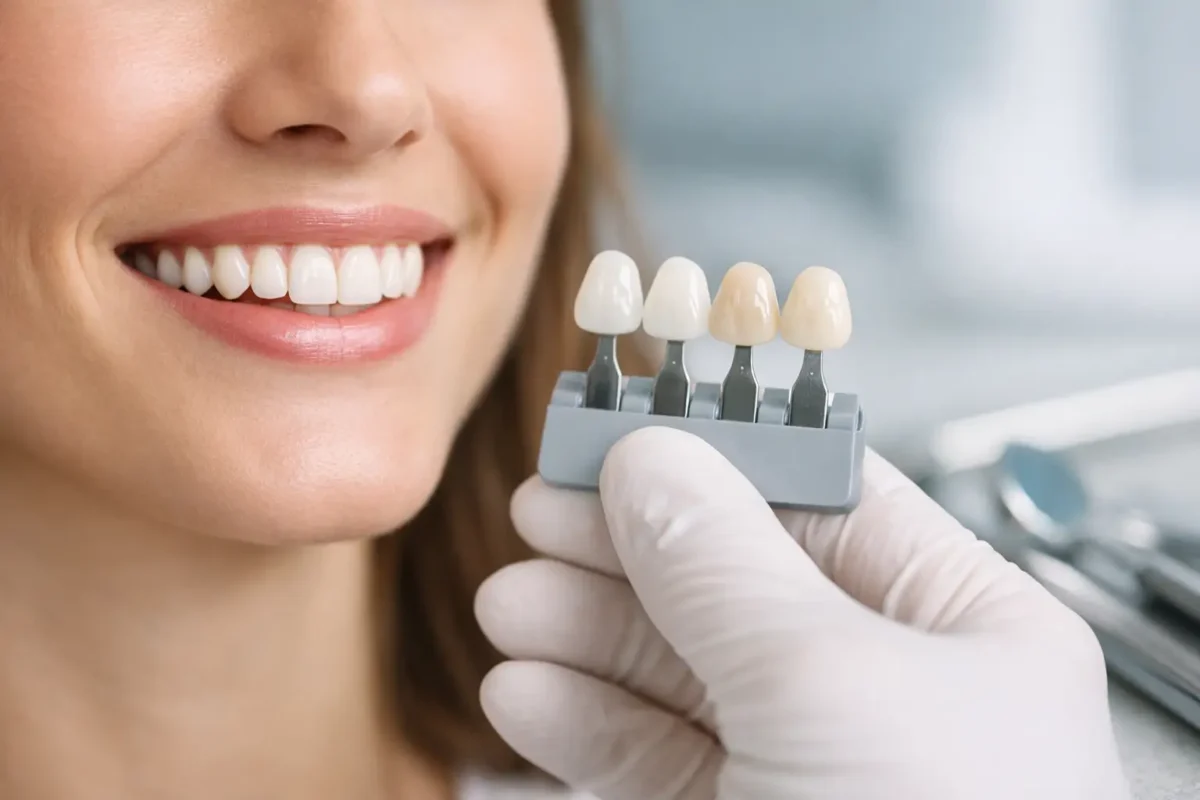
A veneer should improve your smile without making it look like someone else’s. That is the central question behind how to choose dental veneers: not simply which option looks whitest in a photo, but which treatment suits your teeth, facial features, bite, lifestyle, and expectations over time.
Veneers can correct concerns such as discoloration, small chips, uneven edges, gaps, and mildly irregular tooth shape. They can create a striking change, but the best results tend to look quietly convincing. Choosing well starts with a careful conversation and a treatment plan that puts the health of your natural teeth first.
Start With the Reason You Want Veneers
Before comparing porcelain and composite, define what you would like to change. Are one or two front teeth darker than the rest? Do you have worn edges from grinding? Is a gap bothering you, or do you want a more balanced smile in photographs? The answer influences whether veneers are the most conservative and effective solution.
For example, whitening may be the right first step if healthy teeth are mainly affected by surface or age-related staining. Orthodontic treatment may be more appropriate when tooth position or bite is the main concern. A crown may offer better protection for a tooth that is extensively broken down or has had root canal treatment. Veneers are excellent for many cosmetic concerns, but they are not automatically the best answer for every smile.
A good dentist will assess your teeth, gums, bite, and existing restorations before recommending cosmetic treatment. This protects you from committing to a solution that looks good initially but is poorly matched to your long-term dental health.
How to Choose Dental Veneers by Material
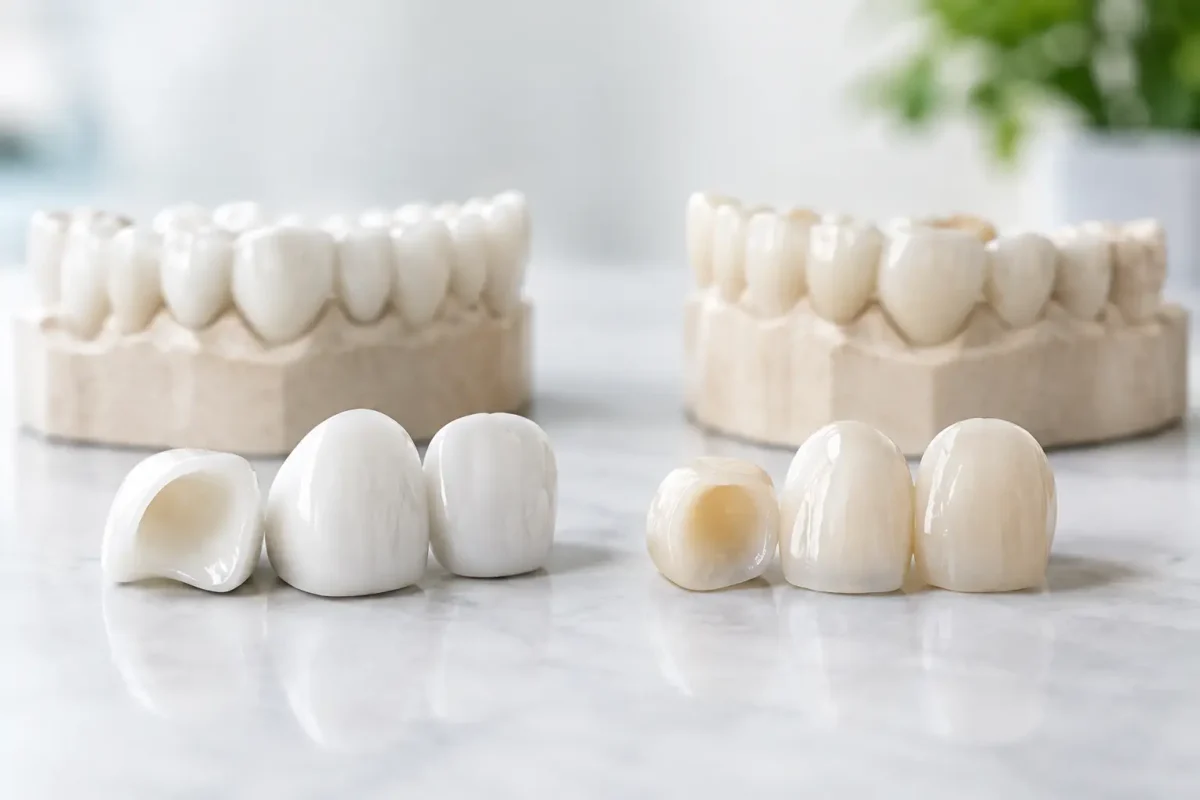
The two main veneer options are porcelain and composite resin. Both can look attractive, but they perform differently and suit different goals.
Porcelain veneers
Porcelain veneers are custom-made in a dental laboratory or produced through advanced digital workflows. They are known for their translucency, color stability, and natural light reflection, which can closely resemble healthy enamel. With thoughtful design and good care, porcelain is generally the more durable option.
Porcelain is often a strong choice when you want to improve several visible teeth, make a significant color change, or seek a refined result that will maintain its appearance for years. It is more resistant to staining from coffee, tea, red wine, and tobacco than composite resin.
The trade-off is that porcelain veneers usually require more planning, more than one appointment, and a higher initial investment. In many cases, a small amount of enamel must be reshaped to create the right fit. While modern techniques aim to be conservative, that decision should be made carefully because enamel removal is irreversible.
Composite veneers
Composite veneers are built directly onto the tooth using tooth-colored resin. They can often be completed in one visit and may require little or no enamel removal, depending on the case. This makes them useful for small chips, minor shape changes, edge bonding, or subtle corrections.
They are typically more affordable upfront and can be easier to repair if damaged. However, composite can stain, lose shine, or chip more readily than porcelain. It may need polishing, maintenance, or replacement sooner, especially for patients who bite their nails, grind their teeth, or regularly consume strongly colored foods and drinks.
The right material depends on the extent of the change, your budget, your bite, and how much maintenance feels realistic for you. A transparent treatment plan should explain both the immediate cost and the likely future care involved.
Prioritize Natural Shape and Shade Over a “Perfect” White
Many patients arrive with a photo of a very bright, uniform smile. It can be a useful reference, but it should not be copied without considering your face and natural teeth. Teeth that are too opaque, too white, or too large can look artificial, particularly in daylight and close conversation.
A natural veneer design considers the color of your surrounding teeth, skin tone, lip shape, facial proportions, and the amount of tooth visible when you speak and smile. Small details matter: the translucency near the edge of a tooth, slight differences between teeth, and contours that reflect light naturally.
If you are considering veneers on only one or two teeth, shade matching is especially important. Your dentist may recommend whitening first so the new veneers can be matched to a brighter, stable baseline. Veneers do not whiten after placement, so choosing their color should not be rushed.
It is also worth discussing shape in practical terms. Softer, rounded edges can feel more youthful and gentle, while squarer contours can create a more structured appearance. Neither is universally better. The most flattering choice is personal and should be tested against your facial features rather than selected from a generic smile template.
Ask About Tooth Preparation and Reversibility
“Minimal-prep” and “no-prep” veneers can sound appealing, and sometimes they are appropriate. Yet they are not automatically the most conservative choice. If a veneer is placed over a tooth without enough space, it may look bulky or affect your bite.
Ask how much enamel, if any, will need to be adjusted and why. Your dentist should explain whether the proposed design requires preparation to create a natural profile, improve bonding, or correct an existing restoration. Digital scans, photographs, and a diagnostic mock-up can make this conversation much clearer.
A mock-up lets you preview the proposed length, shape, and overall effect before final veneers are made. It is one of the most valuable parts of planning, particularly when changing multiple front teeth. You should feel comfortable giving feedback before the final result is committed.
Make Sure Your Bite and Gum Health Are Addressed
Beautiful veneers need a healthy foundation. Active gum disease, untreated decay, inflammation, or poorly fitting old fillings should be managed before cosmetic work begins. Healthy gums frame the teeth and are essential to a balanced, long-lasting result.
Your bite also matters more than many people expect. If you clench or grind your teeth, veneers can be exposed to forces that increase the risk of chipping, cracking, or debonding. This does not necessarily rule out veneers, but it may affect material choice, design, and the recommendation to wear a custom night guard.
Be open about habits such as nail biting, chewing ice, using your teeth to open packaging, or playing contact sports. These details help your dentist design a plan that works in real life, not only in a treatment room.
Look for Clear Planning, Not Pressure
A cosmetic consultation should feel informative, not rushed. You should understand what is being recommended, how many teeth are involved, what alternatives exist, what the process will feel like, and what the total cost covers.
Useful questions include whether temporary veneers will be needed, how long the process is expected to take, what happens if a veneer chips, and how often maintenance appointments are recommended. It is also reasonable to ask to see examples of work similar to the result you want, while remembering that every mouth and starting point is different.
For international patients in Barcelona, clear communication is particularly valuable. At The British Dental Clinic, veneer planning is approached as a collaborative process, with time to discuss options, digital assessment where appropriate, and a clear explanation of the treatment before you decide.
Plan for Care After Treatment
Veneers are durable, but they are not maintenance-free. Brush twice daily with a non-abrasive toothpaste, clean between teeth every day, and keep up with routine hygiene visits. Avoid using veneers as tools, and consider a night guard if you grind or clench.
Porcelain veneers can retain their appearance for many years, while composite usually benefits from more frequent polishing or repair. The margins where veneers meet natural teeth still need careful cleaning, because the tooth underneath remains vulnerable to decay if plaque accumulates.
The most reassuring choice is rarely the fastest or brightest option. Choose veneers when the plan respects your natural teeth, gives you a realistic preview, and leaves you feeling informed rather than persuaded. A smile should feel like your own – simply healthier, more balanced, and easier to show.