Implant Bridge or Dentures – Which Is Better?
agosto 5, 2026
Checkup Dentist Barcelona Visits: What to Expect
agosto 9, 2026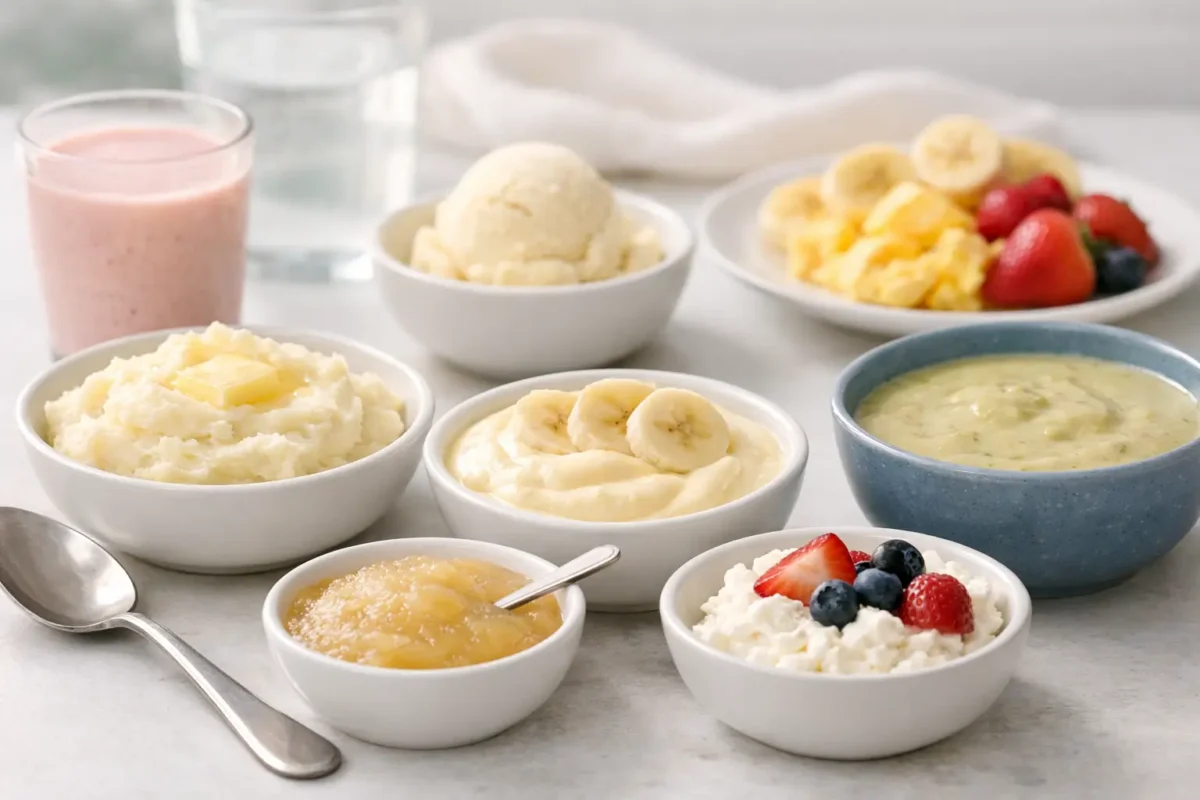
The first meal after oral surgery can feel surprisingly stressful. Your mouth may be numb, tender, swollen, or difficult to open, and choosing the best foods after oral surgery is about more than comfort. The right choices help protect the treatment area, reduce irritation, and give your body the protein, fluids, and nutrients it needs to heal.
The details depend on your procedure. Recovery after a simple extraction is different from recovery after wisdom tooth removal, gum surgery, or dental implant placement. Your dentist’s personal instructions should always come first, especially if you have had bone grafting, sutures, or a more extensive procedure.
Start With Cool, Soft Foods
For the first 24 hours, choose foods that are soft, cool or room temperature, and easy to swallow without much chewing. Heat can increase bleeding early in recovery, while crunchy or spicy foods can irritate sensitive tissue. If you are still numb, eat slowly and avoid anything that requires biting, as it is easy to accidentally bite your cheek, tongue, or lip.
Plain yogurt, smooth applesauce, pudding, gelatin, and blended soups that have cooled down are reliable early options. Mashed potatoes, mashed avocado, and pureed vegetables can be satisfying choices once you feel ready for something more substantial. A smoothie can also work well, provided it is eaten with a spoon rather than a straw.
Straws deserve special attention. The suction they create can disturb the blood clot that forms in an extraction socket. Losing that clot can lead to dry socket, a painful complication that delays healing. Avoid straws for the period your dentist recommends, which is commonly at least several days after an extraction.
Best Foods After Oral Surgery for Healing
Soft foods do not have to mean a diet of sugar and snacks. Your body is repairing tissue, so gentle meals with protein and vitamins can make recovery more comfortable and support normal healing.
Protein-rich choices
Protein helps your body rebuild tissue. Soft scrambled eggs are often a good option after the first day, as long as they are not too hot. Greek yogurt, cottage cheese, ricotta, tofu, and flaky fish can also be easy to manage when your dentist says you can begin gentle chewing.
If chewing feels uncomfortable, try blending silken tofu into soup or adding plain Greek yogurt to a smoothie bowl. For patients who do not eat dairy, unsweetened soy yogurt and smooth bean-based purees may be suitable alternatives. The goal is not perfection at every meal. It is finding nourishing foods you can eat without putting pressure on the surgical area.
Fruits and vegetables without the sharp edges
Fruits and vegetables provide valuable vitamins, but raw produce is usually too firm in the early stages. Choose applesauce, mashed banana, fruit puree, or a ripe, soft pear without the skin. Well-cooked carrots, zucchini, pumpkin, spinach, and sweet potato can be blended or mashed into a smooth texture.
Avoid tiny seeds, skins, and fibrous pieces that may collect around an extraction site or surgical wound. Seeded berries, popcorn, and seeded bread are poor choices while the area is still healing, even if they otherwise seem soft.
Comforting meals as you recover
As swelling settles and your dentist advises that it is safe, you can gradually move toward soft meals with more texture. Oatmeal that has cooled slightly, soft pasta, risotto, macaroni and cheese, tender noodles, and well-cooked vegetables can help you feel more like yourself.
Many patients find that a warm, blended vegetable soup or smooth lentil soup is especially manageable from day two onward. It should be warm, not hot, and free from crunchy toppings, croutons, or pieces that need forceful chewing. If you have had implant or periodontal surgery, your dentist may ask you to follow a soft-food diet for longer than you would after a straightforward extraction.
What to Avoid While Your Mouth Heals
A few foods and habits can interfere with healing or make the first days more uncomfortable. It is worth planning around them before your appointment, particularly if you live alone or have a busy schedule in Barcelona.
Avoid these until your dentist confirms it is safe:
- Crunchy foods such as chips, nuts, crackers, toast, and crusty bread
- Small, loose foods such as rice, seeds, popcorn, and granola
- Hard or sticky foods, including candy, chewing gum, and tough meat
- Spicy, acidic, or very salty foods that can sting the surgical area
- Alcohol, which can affect healing and may interact with prescribed medication
Smoking and vaping are also major concerns after oral surgery. Both can reduce blood flow, interfere with healing, and increase the risk of infection or dry socket. If stopping feels difficult, speak openly with your dental team before treatment so you can make a realistic plan for the recovery period.
A Simple Timeline for Eating After Surgery
There is no single timeline that suits everyone, but a gradual approach is generally safest. On the day of surgery, focus on cool liquids and smooth foods. The following one to three days are often the time for soft, nourishing meals that need little or no chewing. As pain and swelling improve, you may introduce soft solids and chew on the opposite side of your mouth where possible.
Do not rush back to crunchy foods because you feel better for a few hours. The surface may look as though it is healing while deeper tissues are still recovering. After an implant, bone graft, or gum procedure, protecting the site from pressure is particularly important. Follow-up appointments are the right time to ask when you can return to your usual diet.
Hydration matters, too. Drink plenty of water in small, regular sips. If you have trouble drinking because of numbness or limited mouth opening, a cup or spoon is safer than a straw. Limit fizzy drinks, very hot coffee, and alcohol during the early recovery period, especially if they cause discomfort.
Make Eating Easier When You Are Sore
Preparation can take much of the pressure out of recovery. Before surgery, stock your kitchen with a few familiar soft foods and prepare portions you can reach easily. Choose meals you genuinely enjoy, rather than buying foods you would not normally eat. A short period of restricted eating is much easier when the options still feel appetizing.
Eat slowly and take small bites. If one side of your mouth has been treated, keep food away from that area and chew on the other side when appropriate. Rinse only as directed by your dentist. Vigorous rinsing too soon can disrupt the blood clot or healing tissue.
Pain medication, if prescribed or recommended, often works best when taken according to your dentist’s instructions rather than after discomfort has become intense. Some medications can upset your stomach when taken without food, so ask your dentist or pharmacist whether a small soft meal is advisable first.
When Food Pain Is a Reason to Call Your Dentist
Some tenderness while eating is expected. Pain that becomes stronger after a few days, persistent bleeding, worsening swelling, fever, a bad taste, or discharge from the site are not symptoms to ignore. Contact your dental clinic promptly for advice.
You should also call if you cannot keep fluids down, cannot eat enough to take essential medication, or think food has become trapped in the surgical area. Clear guidance is especially valuable after procedures such as wisdom tooth removal, implants, and periodontal surgery, where recovery instructions can vary.
At The British Dental Clinic, we encourage patients to ask practical recovery questions before they leave, including what to eat, how to clean the area, and which changes should prompt a call. A calm recovery usually starts with knowing what is normal for your treatment.
For now, keep meals soft, cool, and satisfying, and give your mouth the time it needs. A few careful food choices in the first days can protect the result of your surgery and make each day of recovery feel more manageable.