Recuperacion tras cirugia periodontal: Healing
agosto 13, 2026
Best Orthodontic Options for Adults Explained
agosto 17, 2026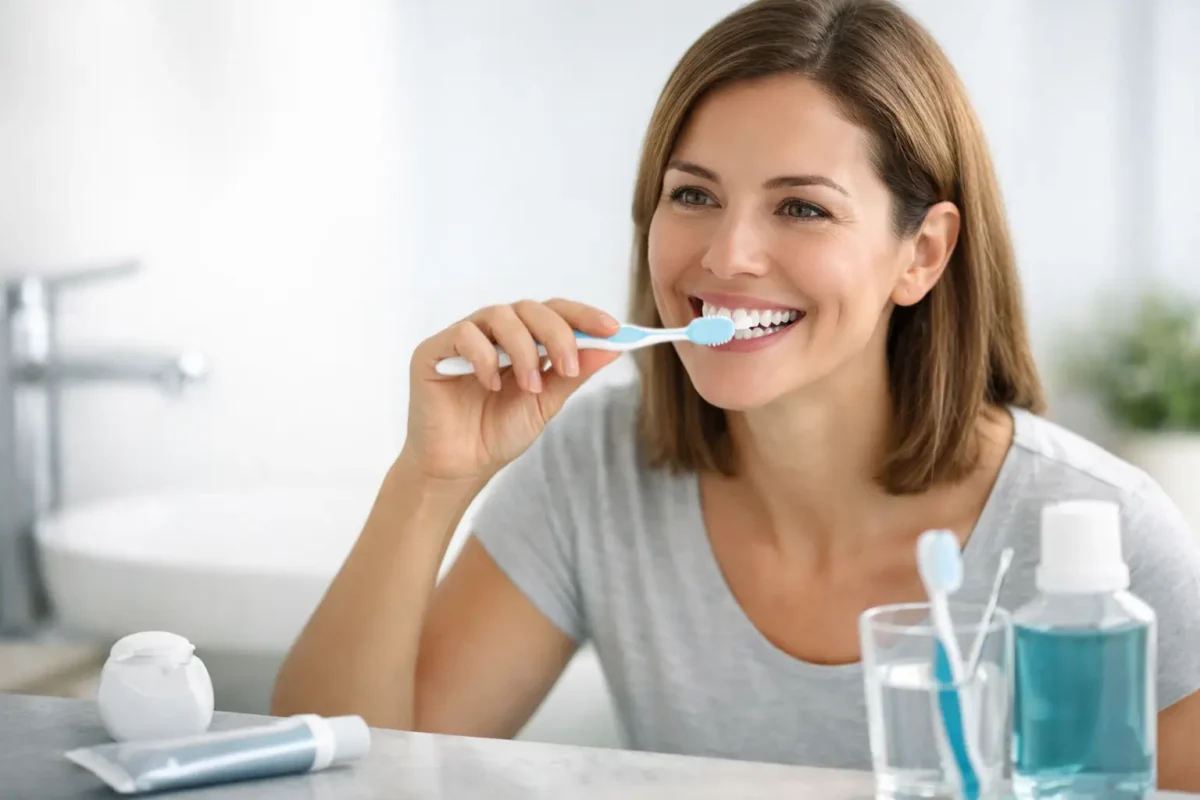
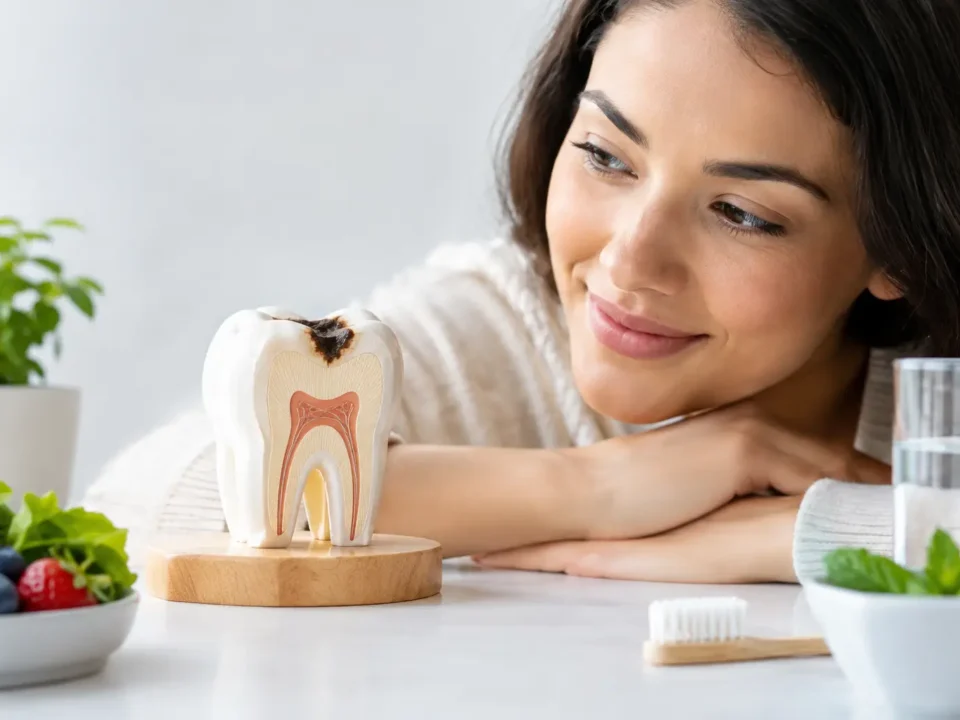
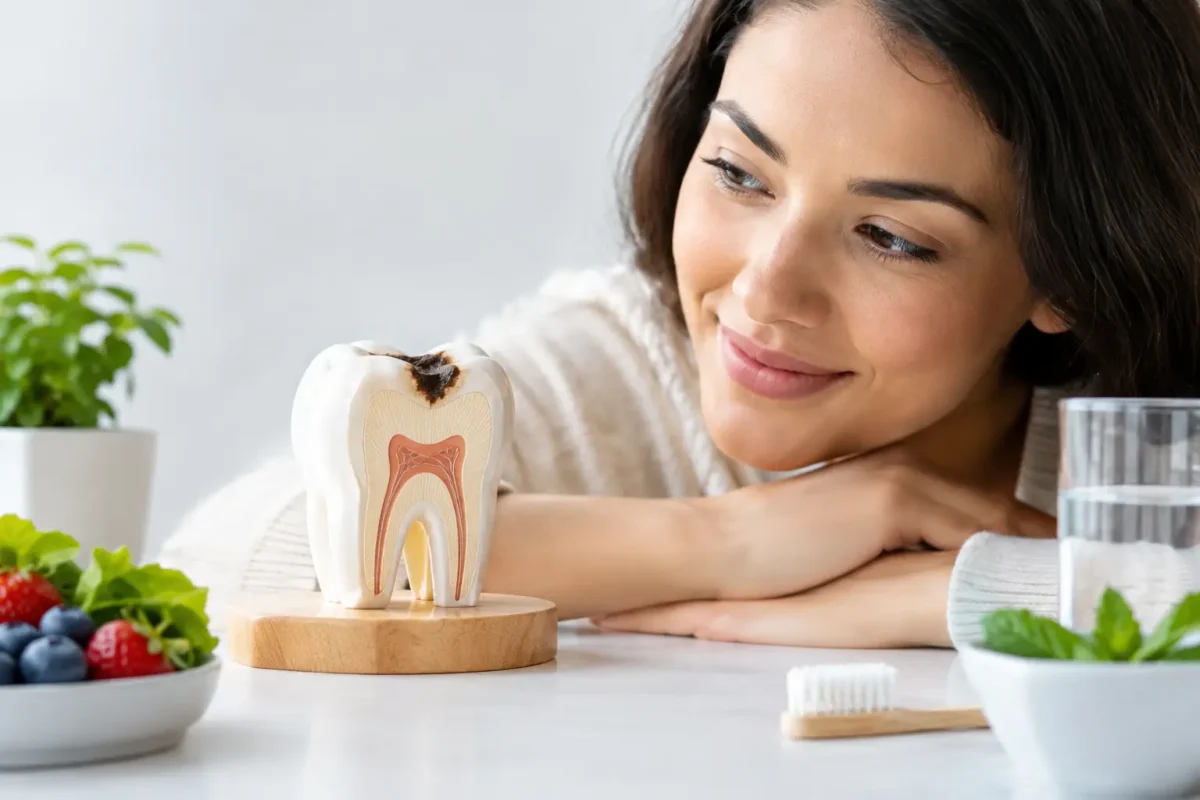
A cavity rarely begins with a dramatic toothache. More often, it starts quietly: a chalky white spot near the gumline, sensitivity when you drink something cold, or damage found during a routine checkup. Understanding how to prevent cavities in adults means addressing the small, repeatable habits that either protect enamel or allow decay to progress.
Adults can get cavities at any age, including around old fillings, crowns, and exposed tooth roots. The good news is that most decay is preventable with a consistent home routine, thoughtful eating and drinking habits, and preventive care tailored to your personal risk.
Why cavities still affect adults
Cavities form when mouth bacteria feed on sugars and starches, producing acids that soften tooth enamel. Saliva helps neutralize those acids and repair early mineral loss, but it needs time to do its job. The issue is often not simply how much sugar you have, but how often your teeth are exposed to it.
Sipping sweetened coffee through the morning, grazing on snacks at work, or regularly drinking juice, soda, sports drinks, or wine can keep the mouth in an acidic cycle. Dry mouth, gum recession, crowded teeth, worn restorations, and certain medications can add to the risk.
Early enamel damage can sometimes be stabilized or remineralized before it becomes a hole in the tooth. Once a cavity has formed, however, it will need professional treatment. Prevention is therefore about catching risk early as well as maintaining daily habits.
How to prevent cavities in adults at home
A reliable routine does not need to be complicated, but it does need to be consistent. Brush twice daily for two minutes using a fluoride toothpaste. Fluoride strengthens enamel and makes it more resistant to acid attacks. For most adults, a standard toothpaste containing 1,350 to 1,500 ppm fluoride is a sensible everyday choice.
Use a soft-bristled toothbrush and gentle pressure. Brushing aggressively does not clean better and can contribute to gum recession and sensitivity over time. Angle the bristles toward the gumline, clean the outer, inner, and biting surfaces, and take extra care around crowns, bridges, fillings, and the edges of any dental work.
After brushing, spit out the toothpaste but avoid rinsing immediately with water. Leaving a light coating of fluoride on the teeth gives it more time to work. If you prefer mouthwash, use it at a different time of day rather than straight after brushing.
Cleaning between the teeth once daily is just as valuable. A toothbrush cannot reliably reach the contact points where plaque collects. Floss is effective for tight spaces, while interdental brushes may be easier and more effective where there is room between teeth, around bridges, or in areas of gum recession. The best option is the one you can use carefully every day.
Make your routine easier to keep
Even a well-intended routine can slip during busy weeks, travel, or late nights. Keeping floss or interdental brushes visible, using a phone reminder, and carrying a small toothbrush when you are away from home can make consistency more realistic. An electric toothbrush with a timer can also help people who tend to rush.
If you have had several cavities, your dentist may recommend a higher-fluoride toothpaste or a fluoride varnish application. This is not necessary for everyone, but it can be a valuable extra layer of protection for patients at higher risk.
Reduce the frequency of sugar and acid exposure
You do not need a perfect diet to protect your teeth. The practical goal is to reduce repeated acid attacks throughout the day.
Try to have sweet foods and drinks with meals instead of sipping or snacking on them over several hours. Saliva flow increases during meals, which helps the mouth recover. Water is the most tooth-friendly drink between meals, particularly fluoridated tap water where available.
Be aware that products marketed as healthy can still be challenging for enamel. Dried fruit, smoothies, fruit juice, flavored yogurt, granola bars, and frequent citrus water can expose teeth to sugar or acid. That does not mean they are forbidden. It means timing and frequency matter. Enjoy them as part of a meal, rather than making them an all-day habit.
Sugar-free gum can be helpful after meals when brushing is not possible, especially gum containing xylitol. It stimulates saliva, which naturally helps clear food debris and neutralize acids. It is not a replacement for brushing or interdental cleaning, but it can be a useful addition.
After acidic foods or drinks, wait around 30 minutes before brushing. Enamel is temporarily softened by acid, and brushing immediately can increase wear. Rinsing with water first is a simple alternative.
Take dry mouth seriously
A dry mouth can significantly increase cavity risk because saliva is one of the mouth’s main defenses. Common causes include antihistamines, antidepressants, blood pressure medications, ADHD medications, inhalers, dehydration, smoking, alcohol, mouth breathing, and some medical conditions.
If your mouth often feels sticky, you wake up thirsty, have trouble swallowing dry foods, or need water through the night, mention it at your dental appointment. Do not stop prescribed medication without speaking to your physician. Instead, your dental team can help you build a prevention plan that may include more frequent fluoride treatment, saliva-supporting products, dietary adjustments, and closer monitoring.
Do not overlook gum recession and existing dental work
As gums recede, the tooth roots may become exposed. Root surfaces are softer than enamel and can develop cavities more quickly, particularly if plaque collects near the gumline. Sensitivity may be an early sign, but root decay is not always painful at first.
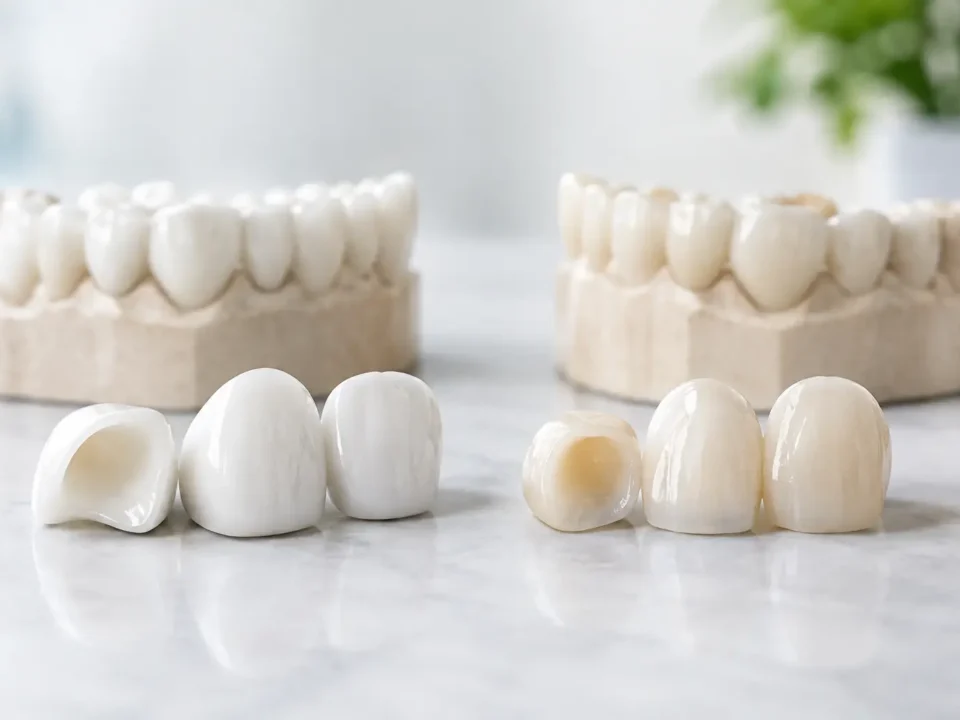
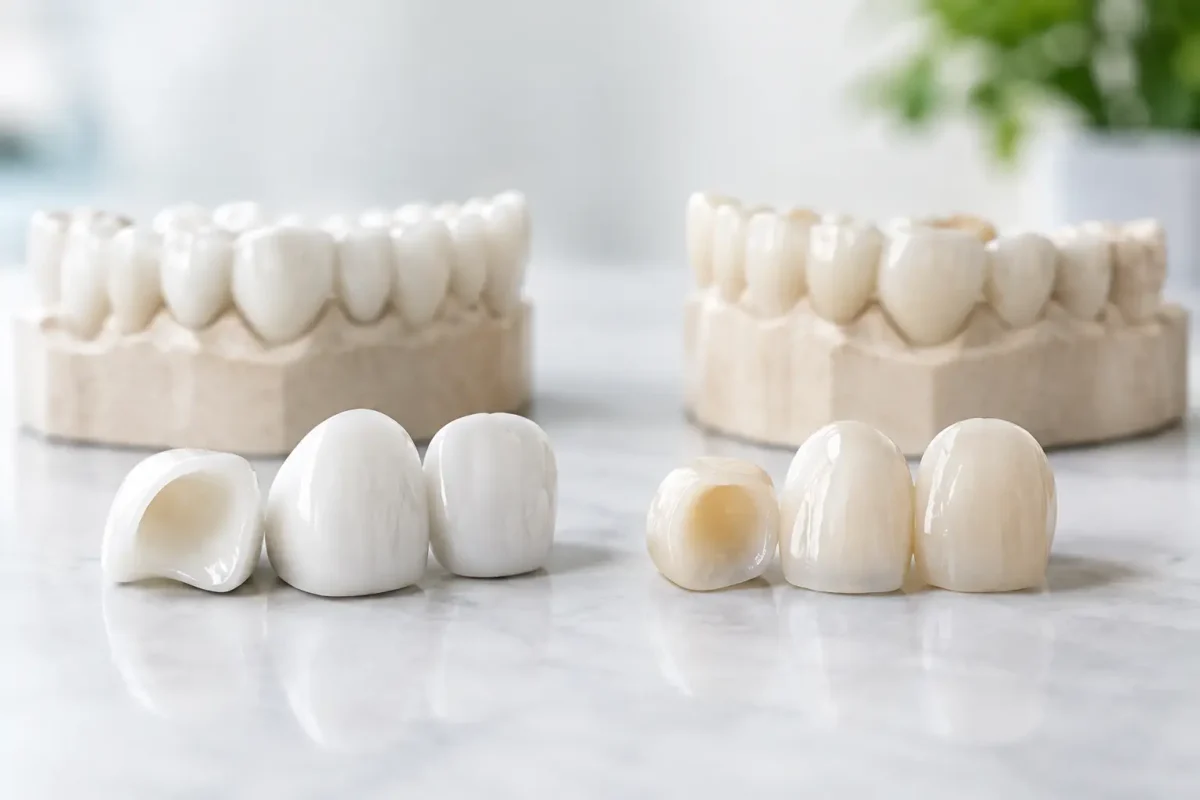
Similarly, a crown or filling does not make a tooth immune to future decay. Bacteria can enter at a worn or leaking edge, and cavities can form underneath or beside existing restorations. Careful cleaning and regular examinations help identify these problems before they become more complex and costly to treat.
Schedule preventive visits based on your risk
Professional checkups and hygiene appointments are not only for treating problems. They give your dentist a chance to identify early enamel changes, gum inflammation, bite-related wear, cracked restorations, and areas you may be missing at home.
The right recall interval depends on your needs. Some adults do well with routine visits every six months, while people with dry mouth, gum disease, repeated cavities, extensive dental work, or orthodontic appliances may benefit from more frequent care. Dental X-rays are also taken based on clinical need and risk, not simply on a fixed schedule.
A professional hygiene visit can remove hardened deposits that brushing cannot remove. At The British Dental Clinic, preventive care is approached as a clear, personalized conversation: what is happening, why it may be happening, and which changes are likely to make the greatest difference for you.
When to book a dental appointment sooner
Do not wait for severe pain if you notice ongoing sensitivity, a rough spot, food catching between teeth, a dark or white mark that does not go away, a chipped filling, bleeding gums, or persistent bad taste. These symptoms do not always mean you have a cavity, but they deserve an assessment.
Dental decay is usually simpler to manage when found early. A small area may be monitored or treated conservatively, while a larger cavity can lead to a filling, crown, root canal treatment, or even tooth loss if left untreated.
The most effective prevention plan is the one that fits your real life. A few careful minutes each day, fewer prolonged sugar exposures, and appointments that feel clear and unhurried can protect your natural teeth for years to come.