Choosing an Orthodontist in Barcelona for Adults
agosto 25, 2026
A Guide to Smile Makeover Options for You
agosto 29, 2026
Searching for a “cosmetic dentist barcelona” can bring up pages of polished before-and-after photos. Yet a beautiful smile is not simply a matter of choosing the brightest shade or the quickest treatment. The right plan should suit your facial features, protect healthy tooth structure, work with your bite, and feel like you. For international patients especially, clear communication and a calm, well-explained process can make the decision much easier.
Cosmetic dentistry can be transformative, whether you want to refresh a smile affected by staining, repair chipped teeth, close small gaps, or rebuild confidence after years of wear. It also requires thoughtful choices. Treatments that look similar online may involve very different preparation, timelines, maintenance, and long-term costs.
What a Cosmetic Dentist in Barcelona Should Help You Decide
A skilled cosmetic dentist does more than recommend a treatment. They begin by understanding what bothers you, what you hope to change, and what you would prefer to preserve. Some patients want a subtle improvement that friends cannot quite identify. Others want a more noticeable, camera-ready result. Both are valid goals, but they call for different planning.
The consultation should also look beyond the front teeth. Gum health, tooth position, bite alignment, old fillings, grinding habits, and enamel condition all influence which option is appropriate. Whitening may be an excellent first step for one person, while another may need gum treatment, orthodontics, or restorative work before cosmetic changes can last.
A good clinician will be open about the limits of each approach. For example, veneers can adjust shape and color beautifully, but they are not the first answer for every small concern. Orthodontic treatment may be the more conservative choice when spacing or tooth position is the main issue. A transparent recommendation protects both your smile and your investment.
Start With Oral Health, Not Just Appearance
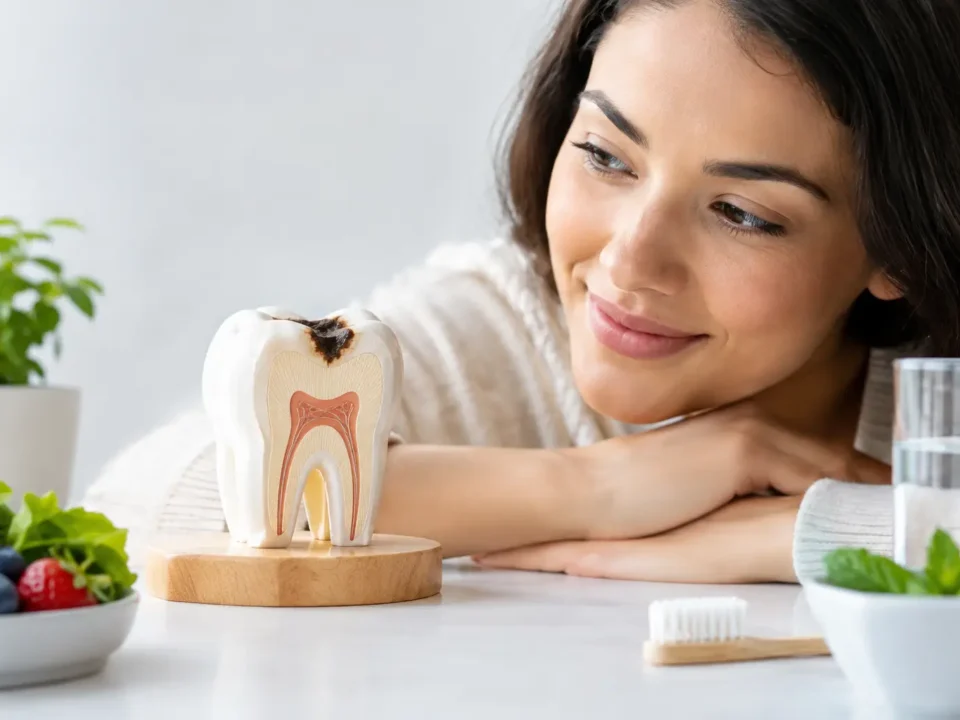
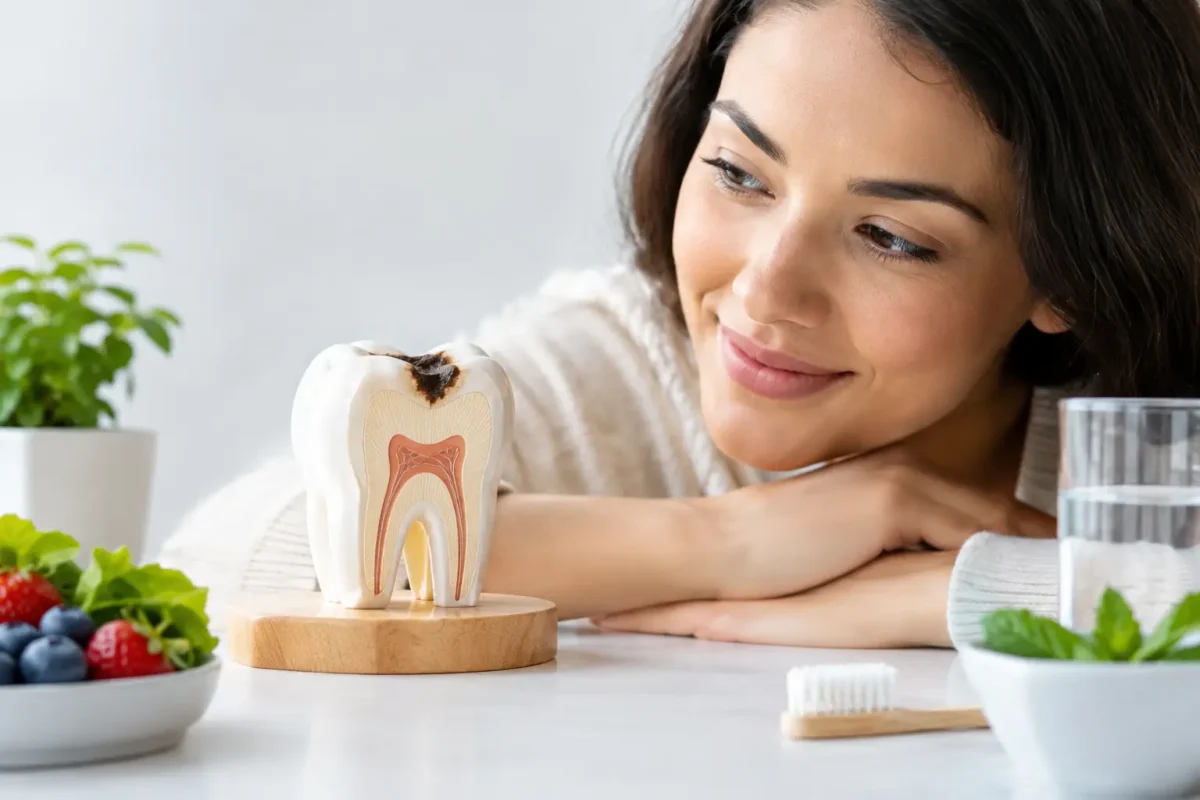
Cosmetic treatment is most predictable when the foundations are healthy. Active decay, gum inflammation, unstable fillings, and untreated grinding can compromise an otherwise attractive result. This does not mean cosmetic goals have to wait indefinitely. It means your dentist should explain the order of care and why it matters.
Healthy gums are particularly important. They frame every smile, and swelling or recession can change how teeth appear. Professional hygiene, Airflow cleaning, periodontal care, or gum contouring may be part of a broader cosmetic plan. When these steps are needed, they are not an unnecessary detour. They help create a stable, natural-looking outcome.
If you have tooth sensitivity, previous root canal treatment, or older crowns, mention it early. Cosmetic dentistry often combines several disciplines, and a coordinated plan is safer than treating each visible concern in isolation.
Compare Treatments by What They Preserve
The best cosmetic choice is rarely the most dramatic one. It is often the one that produces the improvement you want while preserving as much healthy tooth structure as possible.
Professional whitening
Professional whitening can lift stains caused by coffee, tea, red wine, tobacco, and natural aging. It is typically the least invasive option and may make you happy with your existing teeth before you consider anything more involved. Results vary with the original shade of your teeth and the type of discoloration, and whitening does not change the color of crowns, veneers, or fillings.
Some temporary sensitivity is possible, particularly if you already have sensitive teeth. Your dentist should discuss this in advance and recommend an approach that balances a brighter result with comfort.
Composite bonding
Composite bonding uses tooth-colored material to repair small chips, soften uneven edges, close modest gaps, or improve the proportions of a tooth. It can be conservative and often requires minimal preparation. It is also more prone to staining, wear, and chipping than ceramic, so it may need polishing, repair, or replacement over time.
For patients seeking a modest enhancement with less commitment, bonding can be an excellent option. The quality depends greatly on planning, shade selection, and the dentist’s attention to detail.
Veneers and crowns
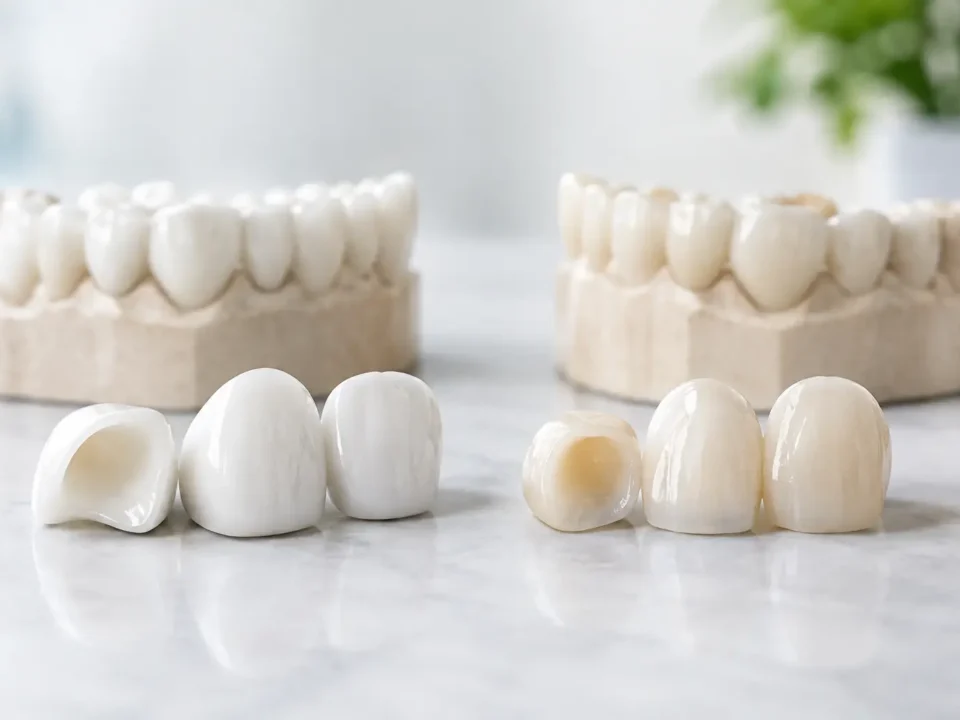
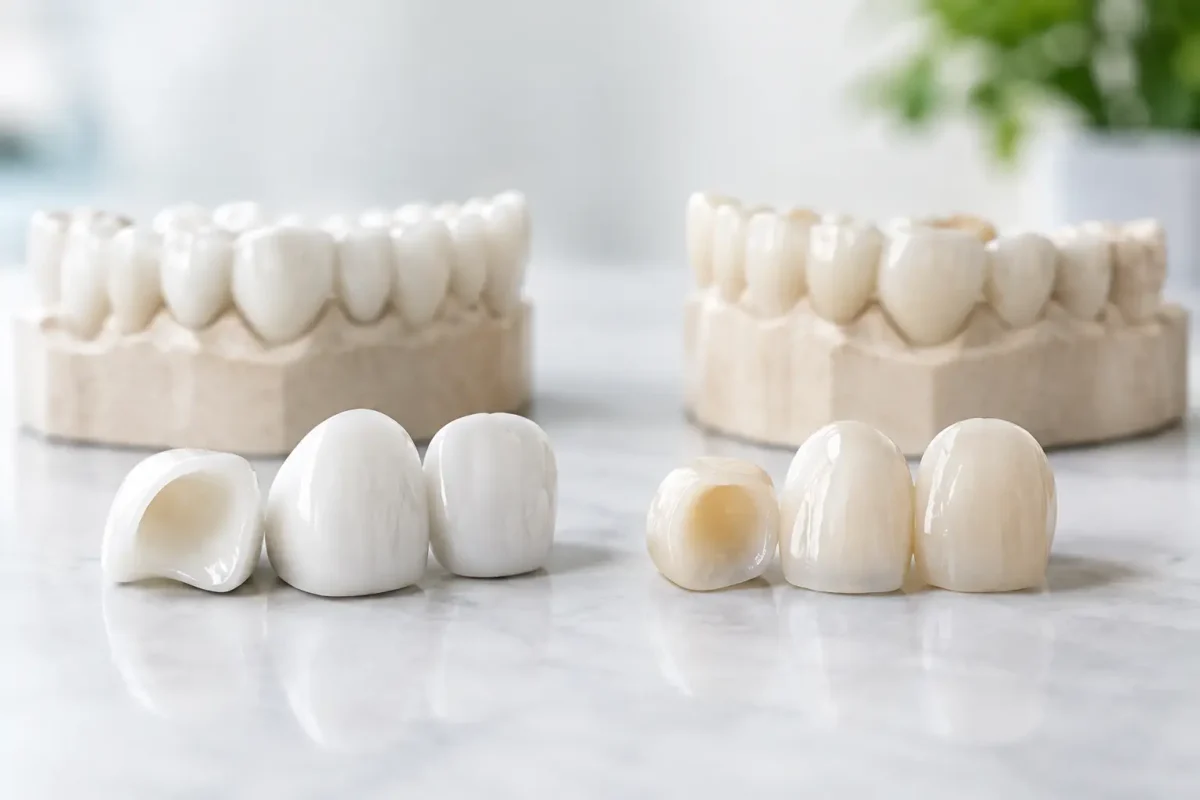
Ceramic veneers can change the color, shape, length, and symmetry of visible teeth with a lifelike finish. They are often considered when whitening alone cannot address deep discoloration, when enamel is worn, or when several teeth need coordinated improvement. Crowns are generally used when a tooth needs greater structural protection, such as after significant decay, a fracture, or root canal treatment.
These treatments are durable, but they are not maintenance-free. Veneers and crowns may eventually need replacement, and good home care, regular checkups, and a protective night guard if you grind your teeth can extend their lifespan. Ask exactly how much tooth preparation is expected and why. That conversation is central to informed consent.
Orthodontics and implants
Clear aligners or other orthodontic appliances can straighten teeth and improve bite relationships before cosmetic finishing. This can reduce the need to reshape healthy teeth and may create better spacing for bonding, veneers, or crowns. It takes longer than a quick cosmetic procedure, but the conservative benefits can be meaningful.
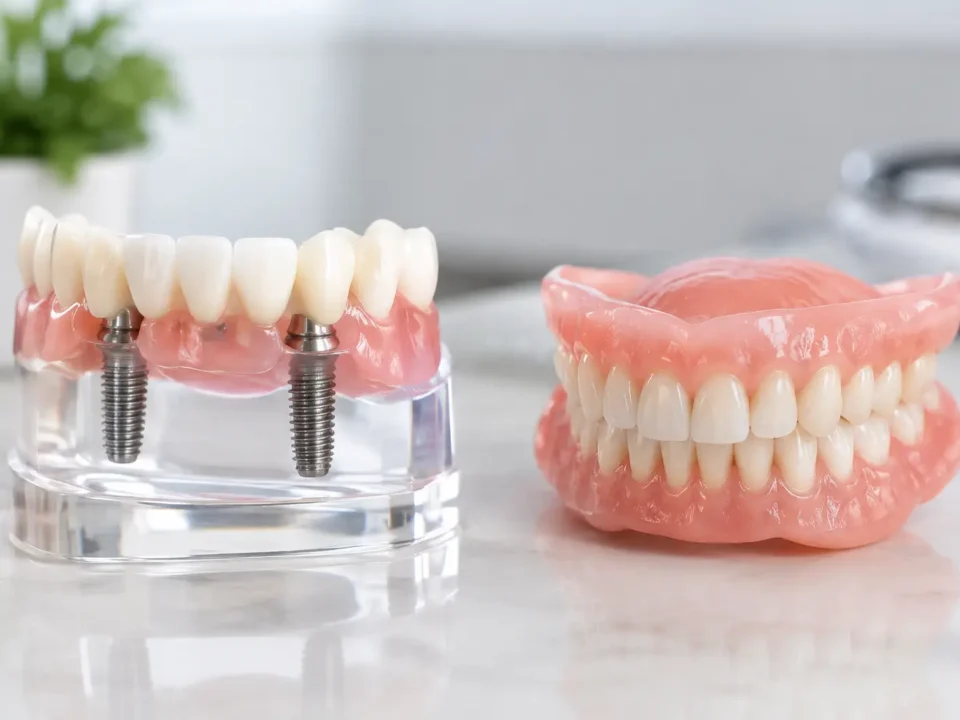
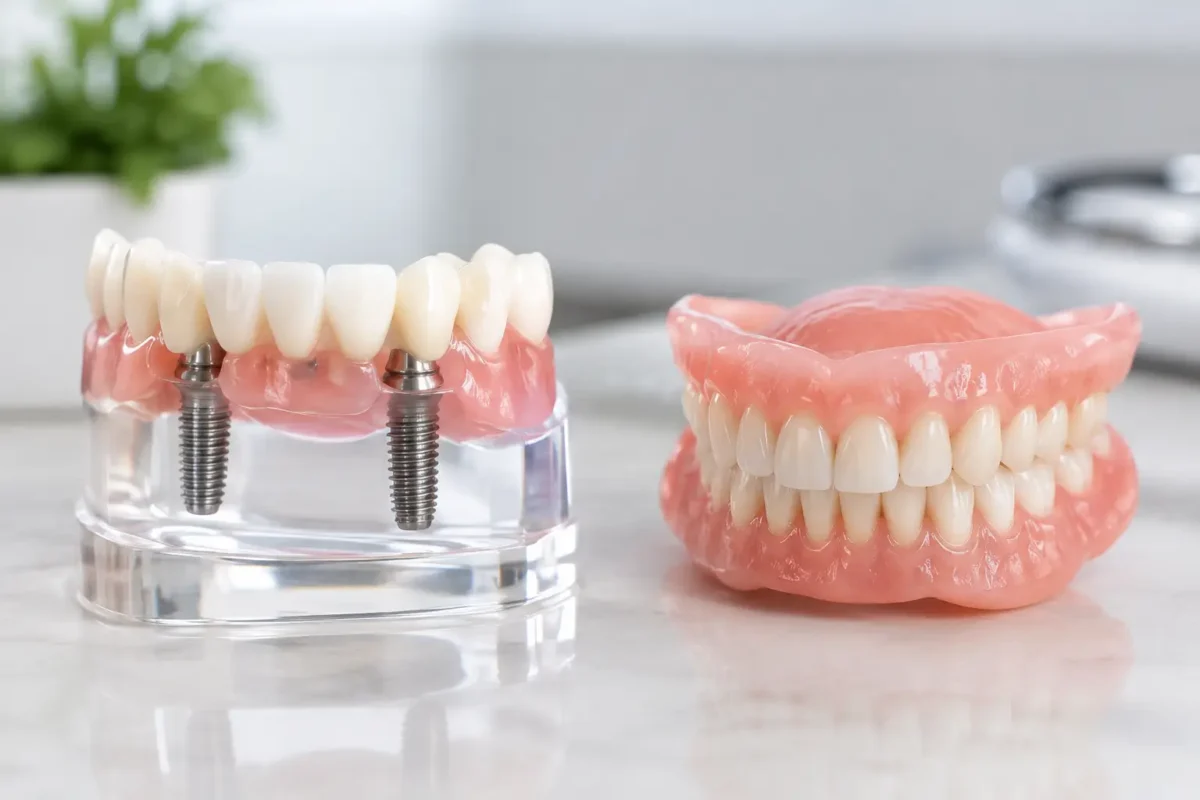
If a tooth is missing, an implant-supported crown can restore both appearance and function. Modern digital planning and guided implant surgery support precision, but suitability still depends on bone levels, gum health, medical history, and healing needs. Same-day solutions may be possible in selected cases, yet they are not automatically the safest choice for everyone.
Ask for a Plan You Can Understand
You should never feel pressured to approve cosmetic work during a first appointment. A clear treatment plan should explain the recommended sequence, alternatives, expected timeline, likely maintenance, and full costs. It should also make clear which stages are essential for oral health and which are elective cosmetic enhancements.
For a patient living abroad, this clarity is especially valuable. You may need to plan around travel, work commitments, or future moves. Ask how many visits are likely, whether temporary restorations will be needed, and what follow-up looks like after treatment. Digital scans, photographs, and smile planning can help you see the proposed direction before definitive work begins.
Communication matters just as much as technology. You should be able to ask questions in a language you are comfortable using and receive plain, direct answers. A premium patient experience is not about being rushed through a stylish office. It is about knowing what is being done, what it will cost, and how the team will support you if something feels uncertain.
Look Beyond Before-and-After Photos
Photos can be useful, but they do not tell the full clinical story. Lighting, angle, lip position, and image editing can affect how a result appears. Instead of relying on images alone, ask your dentist to explain how they assess color, tooth proportions, gum line, and bite function.
Natural cosmetic work should fit the individual rather than follow one identical template. Very white, highly uniform teeth may suit some people and feel artificial to others. Your age, skin tone, lip shape, personality, and preferences all deserve consideration. A thoughtful dentist will guide you while respecting your idea of what looks natural.
It is also reasonable to ask about materials, laboratory standards, and the process for adjustments. Fine details such as translucency, texture, and shape often distinguish a convincing restoration from one that looks flat or bulky.
Protect Your Result After Treatment
The habits that keep natural teeth healthy also protect cosmetic dentistry: careful brushing, daily cleaning between teeth, routine hygiene visits, and professional reviews. If you clench or grind, a custom night guard may be recommended to protect veneers, crowns, bonding, and natural enamel.
Coffee and red wine do not need to disappear from your life, but they can stain composite bonding and natural teeth over time. Whitening may need occasional maintenance, while restorations require monitoring for wear at their edges. The goal is not perfection forever. It is a smile that remains healthy, comfortable, and easy to maintain.
At The British Dental Clinic, cosmetic planning is approached as a conversation, not a sales pitch. The most reassuring next step is a consultation where your concerns are heard, your oral health is assessed, and every suitable option is explained clearly. A confident smile begins with choosing care that feels right for your teeth, your schedule, and your future.