How to Choose a Cosmetic Dentist in Barcelona
agosto 27, 2026
Guia Revision Dental Preventiva: What to Expect
agosto 31, 2026
A smile makeover is rarely one treatment chosen from a menu. It is a carefully planned combination of changes that should suit your facial features, oral health, lifestyle, and expectations. This guide to smile makeover options is designed to help you understand what each treatment can achieve, where the limits are, and how to make decisions with confidence.
For some people, the right plan is as simple as professional whitening and a small amount of bonding. For others, it may involve orthodontics, veneers, crowns, or replacing missing teeth with implants. The best result is not necessarily the brightest or most dramatic one. It is a healthy, natural-looking smile that feels like it belongs to you.
Start With Your Smile Goals and Oral Health
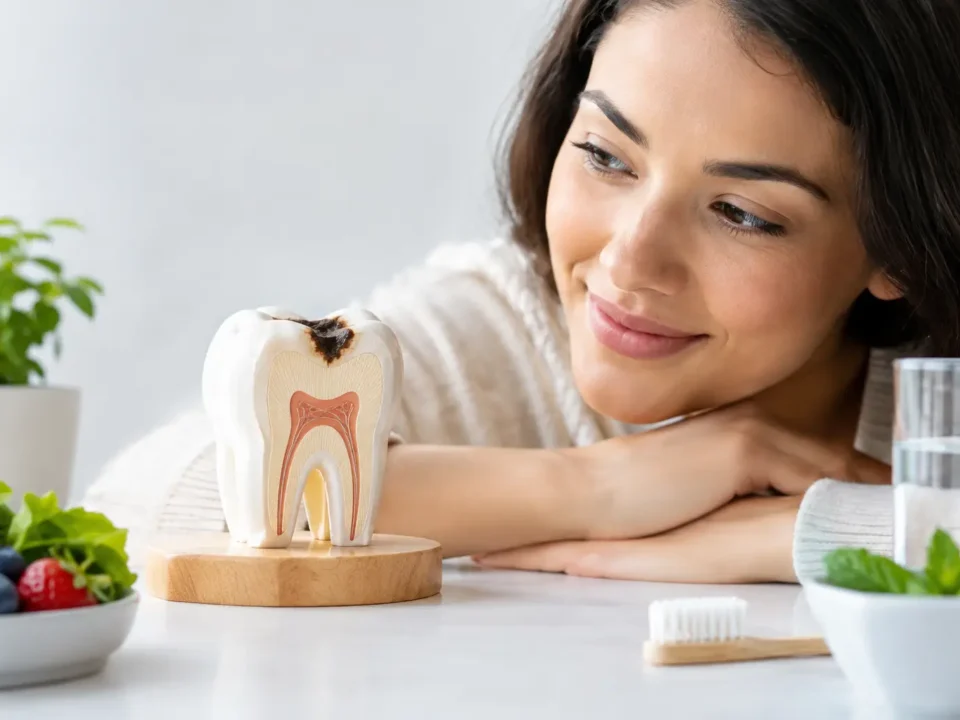
Before discussing cosmetic treatments, a dentist should assess the foundations of your smile. Gum inflammation, untreated decay, cracked teeth, bite problems, or active grinding can affect the appearance and longevity of cosmetic work. Addressing these concerns first protects your investment and often improves comfort as well.
It also helps to be specific about what you would like to change. You may be concerned about tooth color, uneven edges, small gaps, crowding, old fillings, worn teeth, or a missing tooth that makes you hide your smile in photos. Bring examples if they help, but use them as a starting point rather than a fixed blueprint. Another person’s smile may not suit your proportions, skin tone, bite, or natural tooth shape.
A thoughtful consultation should include photographs, an examination of your gums and bite, and, when appropriate, digital scans or X-rays. This allows your dentist to explain what is possible, which treatments are more conservative, how long they may last, and what future maintenance could involve. Clear planning matters especially when several treatments are being considered.
Guide to Smile Makeover Options: What Each Can Do
Professional Teeth Whitening
Professional whitening can lift external and internal staining caused by coffee, tea, red wine, tobacco, and natural aging. It is often the most conservative first step because it changes color without removing tooth structure. It can be an excellent option when your teeth are healthy and you are mainly looking for a fresher, brighter appearance.
Whitening does have limits. It will not change the color of crowns, veneers, fillings, or bonding, so these may need to be replaced afterward if they no longer match. Results vary by person and are not permanent, particularly with frequent staining foods or drinks. Some patients experience temporary sensitivity, which can usually be managed by adjusting the treatment plan.
Composite Bonding
Composite bonding uses tooth-colored resin to improve small chips, worn edges, minor gaps, uneven shapes, or localized discoloration. It is often completed in one visit and usually requires little or no removal of natural enamel. For patients who want a subtle improvement with a more accessible starting cost, bonding can be a practical choice.
The trade-off is that composite is generally less stain-resistant and less durable than porcelain. It can chip or wear over time, especially for patients who bite their nails, grind their teeth, or regularly use their front teeth to open packaging. Polishing, repair, or replacement may be needed in the future.
Porcelain Veneers
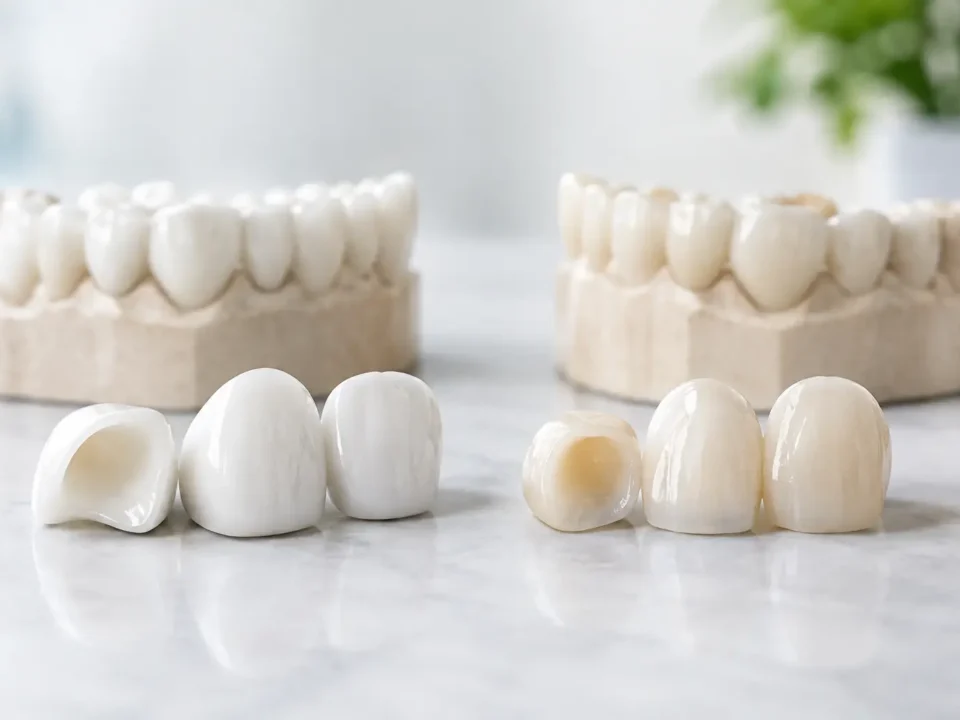
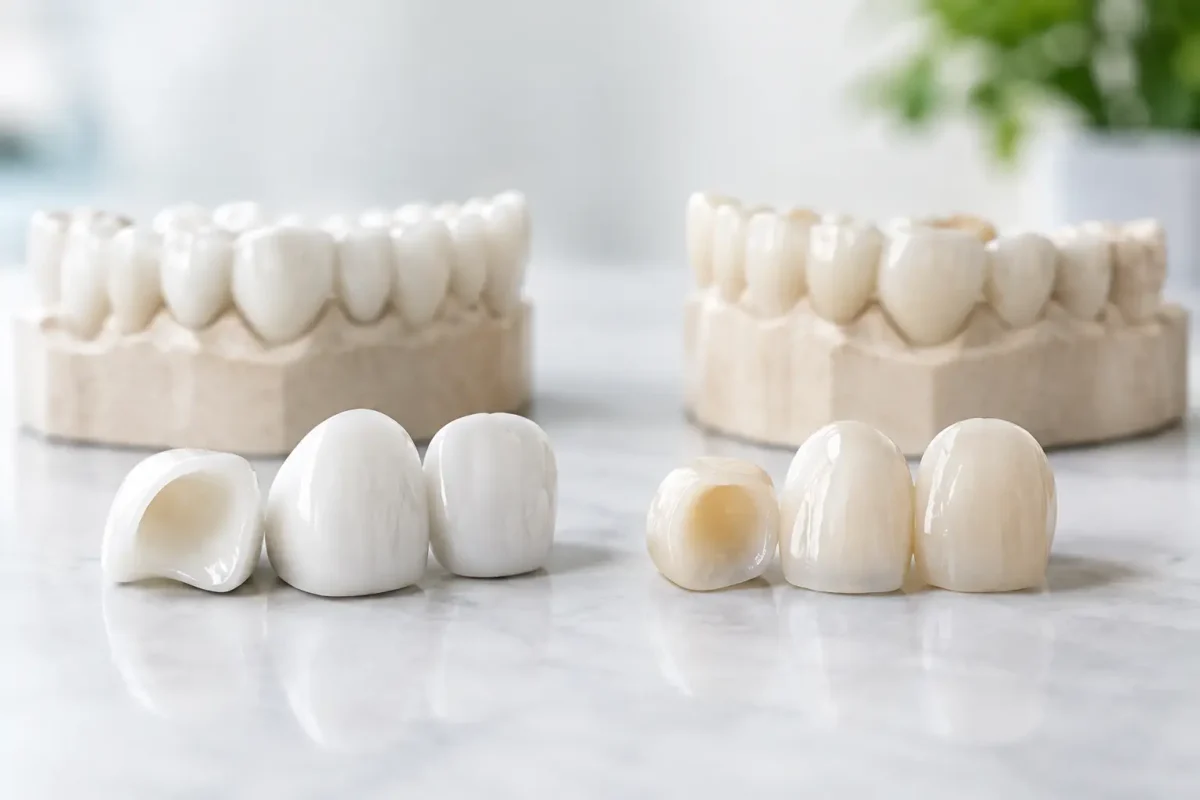
Veneers are thin, custom-made porcelain shells bonded to the front surfaces of teeth. They can improve color, shape, size, and the appearance of minor spacing or alignment concerns. Porcelain reflects light in a way that can look very natural, and it tends to resist staining better than composite bonding.
Veneers are a significant decision because they commonly require some preparation of the tooth surface. While conservative approaches may be possible in selected cases, no-prep veneers are not right for every smile. They can look bulky if there is not enough room or if the underlying alignment is more complex. A good plan considers the position of each tooth, your bite, and the health of the surrounding gums, not just the final shade.
Crowns for Damaged or Heavily Restored Teeth
A crown covers the entire visible portion of a tooth. It may be recommended when a tooth has a large old filling, extensive decay, a fracture, substantial wear, or has been treated with a root canal. In a smile makeover, crowns can restore strength and improve appearance at the same time.
Crowns are not a replacement for veneers when a tooth is otherwise healthy. They require more tooth preparation, so they should be selected for the right clinical reasons. Modern ceramic crowns can be highly lifelike, but their success depends on accurate planning, careful fit, and healthy gums.
Orthodontics and Clear Aligners
If teeth are crowded, rotated, spaced, or positioned in a way that affects your bite, orthodontic treatment may be the most tooth-preserving route to a better smile. Clear aligners are popular with adults because they are discreet and removable, while fixed braces may be more appropriate for certain complex movements.
Orthodontics takes longer than whitening, bonding, or veneers, but it can reduce the need for cosmetic reshaping and create a stronger foundation for future restorations. It also makes cleaning easier when crowded teeth are straightened. The main commitment is consistency: aligners must be worn as instructed, and retainers are essential after treatment to help preserve the result.
Dental Implants for Missing Teeth
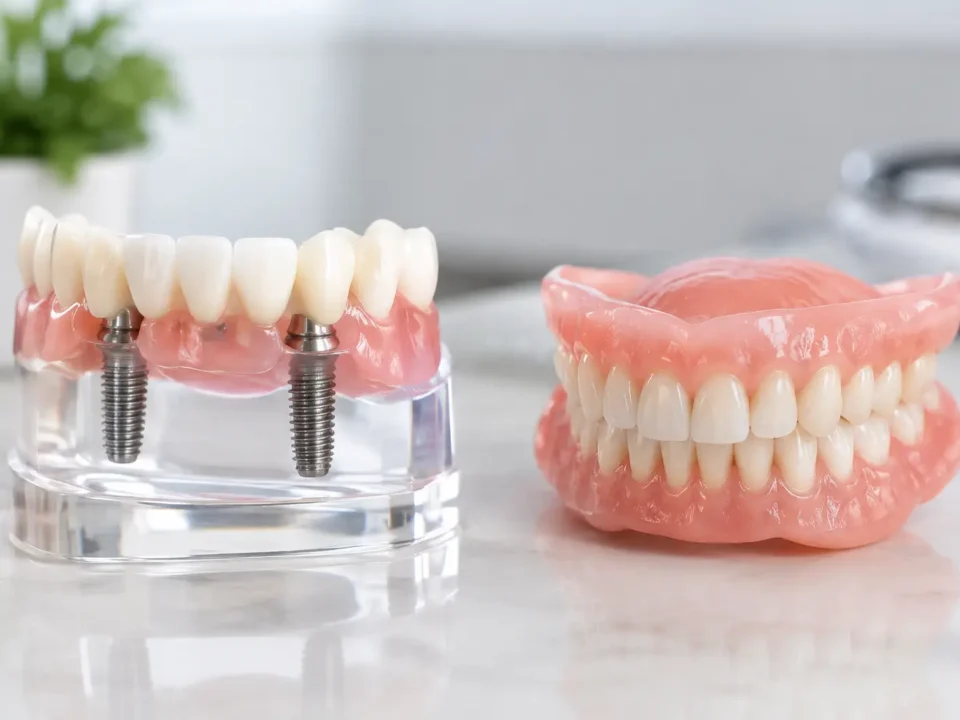
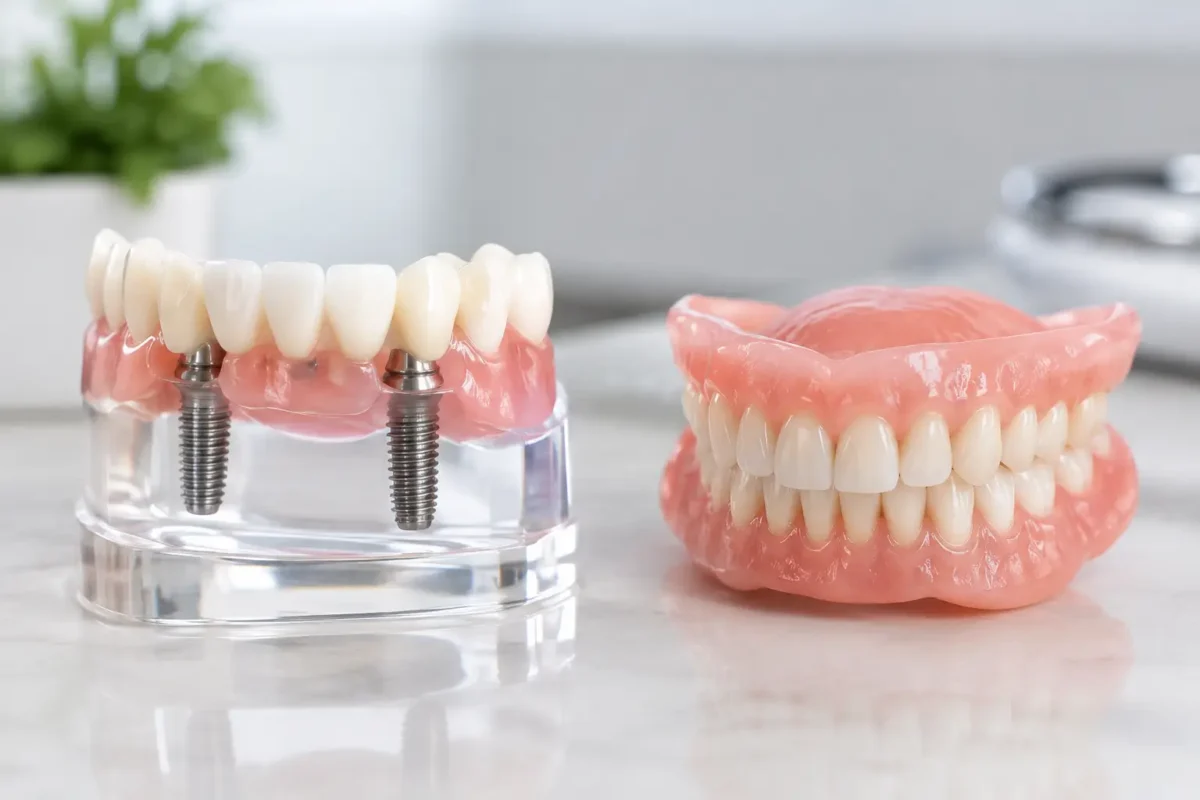
A missing tooth can change more than your smile. It may affect chewing, speech, the position of neighboring teeth, and the support of the jawbone over time. A dental implant replaces the tooth root with a small titanium fixture and supports a custom crown once healing and planning requirements are met.
Implants can offer a fixed, natural-feeling solution without attaching to neighboring teeth. However, they are not an instant cosmetic fix in every case. Bone volume, gum health, medical history, bite forces, and smoking status can all influence treatment timing and suitability. Some patients are candidates for same-day solutions, while others benefit from a staged approach that prioritizes predictability.
Combining Treatments for a Natural Result
Many smile makeovers use more than one option. You might straighten teeth first, whiten them, and then use minimal bonding to refine a few edges. Or you may whiten natural teeth before selecting the shade for a new crown or veneer. When old restorations are visible in the smile, sequencing is particularly important so the colors and shapes work together.
The goal should be harmony, not identical teeth. Natural smiles have small variations in translucency, texture, and shape. Overly uniform teeth can look artificial, while a carefully designed result can look bright, balanced, and still unmistakably yours.
Your dentist may use digital photographs, scans, and a trial smile design to help you visualize proposed changes. This is valuable because it turns general requests such as “I want straighter teeth” or “I want a Hollywood smile” into decisions about specific teeth, proportions, materials, and timelines.
Questions Worth Asking Before You Commit
A smile makeover should never feel rushed. Ask what treatment is being recommended and why, whether a less invasive alternative is available, and what maintenance each option requires. It is also reasonable to ask how long treatment will take, whether temporary restorations are needed, and how the final result will be tested against your bite.
Discuss costs in a complete way. A transparent plan should distinguish between diagnostic appointments, hygiene or gum treatment, orthodontics, restorations, implants, retainers, and future maintenance where relevant. The lowest initial price may not reflect the long-term value if it overlooks preparation, quality materials, follow-up care, or the need to correct an unsuitable plan later.
If you grind or clench your teeth, ask about a protective night guard. Even excellent veneers, crowns, bonding, and implants need protection from excessive force. Regular hygiene visits and checkups also help maintain both the health and appearance of your new smile.
Choosing a Plan That Feels Right
For international patients in Barcelona, clear communication can be just as important as clinical expertise. You should feel comfortable asking questions in the language you know best and confident that you understand the proposed treatment, costs, timeline, and alternatives. At The British Dental Clinic, personalized planning is built around that clarity, with modern diagnostics and a calm, patient-centered approach.
The right smile makeover is not about copying someone else’s teeth or choosing the quickest option. It is about making informed changes that protect your oral health and give you a smile you will feel comfortable sharing every day.