Clear Aligners vs Braces: Which Fits You?
agosto 23, 2026
How to Choose a Cosmetic Dentist in Barcelona
agosto 27, 2026
A crowded calendar, client-facing work, and a move to a new country can make orthodontic treatment feel easy to postpone. Yet many adults find that correcting a bite, closing a gap, or straightening teeth becomes more valuable with time, not less. If you are looking for an orthodontist in Barcelona for adults, the right choice is not simply the least visible appliance. It is a treatment plan that respects your goals, oral health, schedule, and comfort.
Adult orthodontics can create a more balanced smile, but it can also make daily cleaning easier and help distribute biting pressure more evenly. The best approach starts with a careful assessment and a clear conversation, especially if you have crowns, implants, gum concerns, or previous orthodontic treatment.
Why adults choose orthodontic treatment
Few adults seek treatment because their teeth are “bad.” More often, a small concern has become harder to ignore in photos, meetings, or everyday conversations. Some people have teeth that shifted years after wearing braces as a teenager. Others have always wanted to address crowding, spacing, a prominent tooth, or an uneven bite but did not have the opportunity earlier in life.
Appearance matters, and it is reasonable to want to feel more comfortable smiling. But orthodontics is not only cosmetic. Crooked or overlapping teeth can be more difficult to brush and floss thoroughly. A bite that does not meet evenly may place extra pressure on specific teeth, restorations, or the jaw. Whether treatment is advisable depends on the individual situation, which is why an in-person examination is essential.
For international patients, communication is often just as important as clinical skill. You should be able to describe what bothers you, understand the proposed treatment, and ask direct questions about timing, costs, and alternatives in a language you are comfortable using.
Orthodontist Barcelona adults: choosing the right option
Adults usually have several treatment options. The appropriate one depends on the movements required, the condition of the teeth and gums, and how much flexibility you need in daily life.
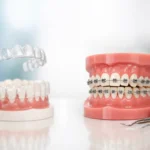
Clear aligners
Clear aligners are removable, custom-made trays that move teeth gradually. They are popular with professionals because they are discreet and can be taken out for meals and brushing. For the treatment to work predictably, they generally need to be worn for around 20 to 22 hours a day.
They can be an excellent choice for many mild to complex cases, but they require consistency. Removing aligners frequently for coffee, snacks, or social occasions can extend treatment or reduce the accuracy of results. Some cases also need small tooth-colored attachments to give the aligners better control. These are subtle, but they are worth discussing before you commit.
Fixed braces
Modern fixed braces are more refined than many adults expect. They remain attached to the teeth and allow precise control of movement, particularly when a bite is complex or teeth require significant rotation or vertical adjustment.
Their main trade-off is visibility and cleaning. Braces need careful brushing around brackets and wires, and certain hard or sticky foods should be avoided. For patients who prefer not to manage removable appliances or who need the control of fixed treatment, they can be the most dependable choice.
Retainers and limited treatment
Not every concern calls for full orthodontic treatment. If your bite is stable and only a few front teeth have shifted, limited treatment may be possible. A responsible orthodontic consultation should explain whether a short cosmetic-focused plan is appropriate or whether it could create bite issues later.
Retainers are not an optional extra at the end of treatment. Teeth naturally tend to shift over time, even after excellent results. A well-planned retention strategy protects the investment you have made in your smile.
What a thorough adult consultation should include
Adult orthodontics benefits from careful planning because adult mouths often have a more detailed dental history. You may have fillings, crowns, veneers, gum recession, missing teeth, or an implant. These factors do not automatically prevent treatment, but they affect the order of care and the limits of tooth movement.
A high-quality consultation should include an examination of your teeth, gums, bite, and jaw function, along with digital scans or impressions and appropriate imaging. The clinician should then explain what can realistically be achieved, how long treatment is likely to take, and which option is most suitable.
It is also the right time to discuss practical details. Ask whether appointments can fit around travel or work commitments, how often refinements may be needed, and what is included in the quoted fee. Transparent planning matters because orthodontic treatment is a process, not a one-time procedure.
If gum disease or untreated decay is present, those issues normally need attention first. Moving teeth in an unhealthy environment is not a shortcut. Starting with stable gums and good hygiene gives orthodontic treatment a stronger foundation.
How long does adult orthodontic treatment take?
The honest answer is that it depends. Limited alignment may take several months, while more comprehensive treatment often takes 12 to 24 months. Complex bite corrections can require longer. Biology, treatment goals, appliance choice, and patient cooperation all affect the timeline.
Clear aligner treatment is especially dependent on wear time. Missing a few hours occasionally will not usually derail progress, but repeated inconsistency can. Fixed braces remove that responsibility, though appointments and good hygiene still matter.
Be wary of promises that sound too exact before records have been taken. A clear estimate is helpful, but responsible clinicians allow for the reality that teeth do not always move at identical speeds. The goal is a stable, healthy result, not simply the fastest possible finish.
Planning around crowns, implants, and cosmetic dentistry
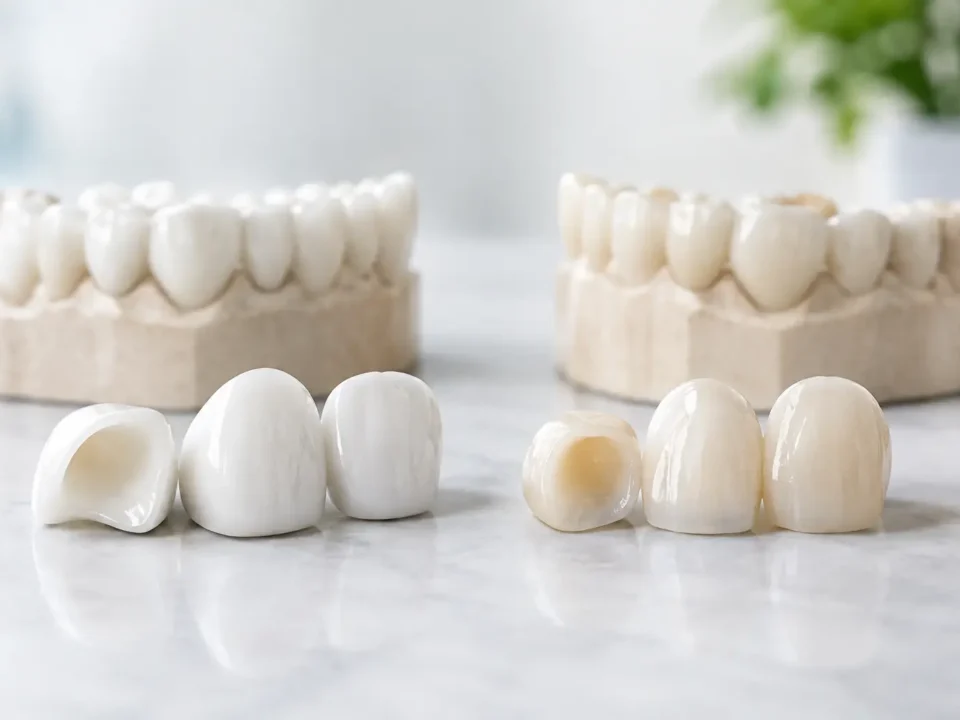
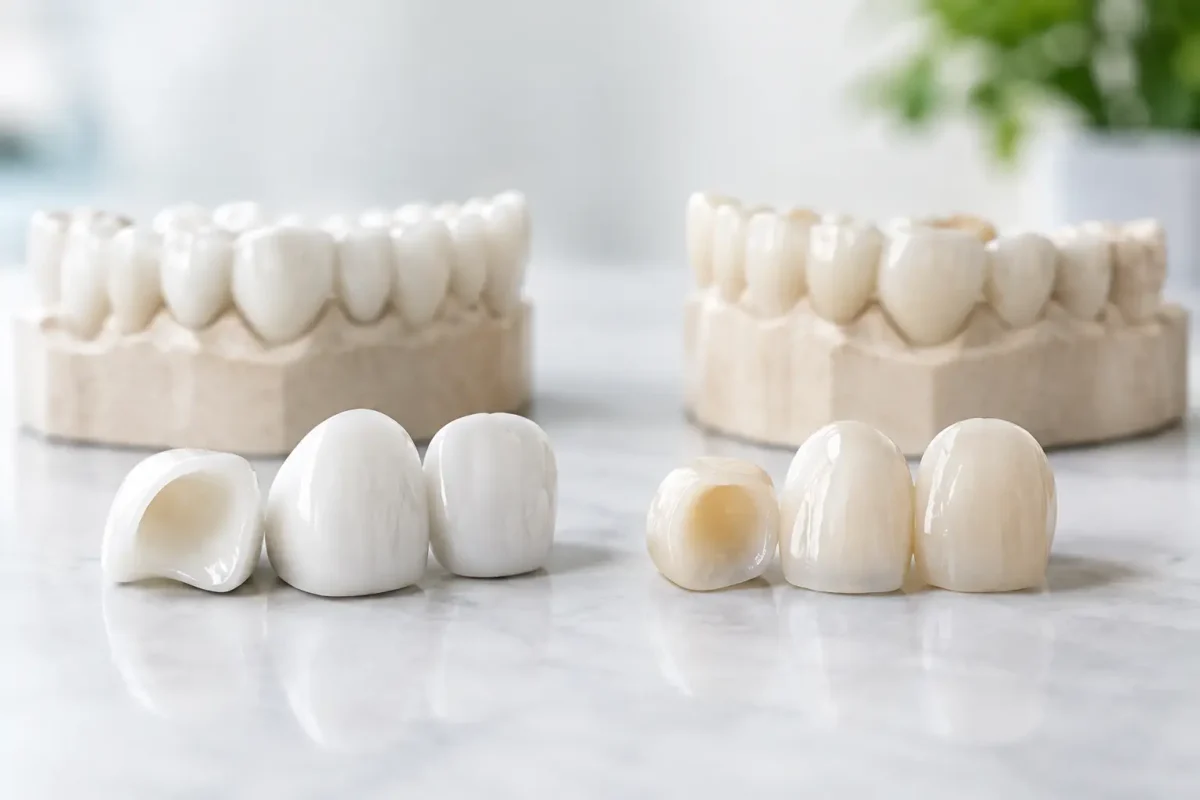
Many adults seek orthodontics before veneers, crowns, bonding, or implants. This sequence can be beneficial because moving natural teeth first may reduce the amount of restorative work needed and create a more balanced space for a future restoration.
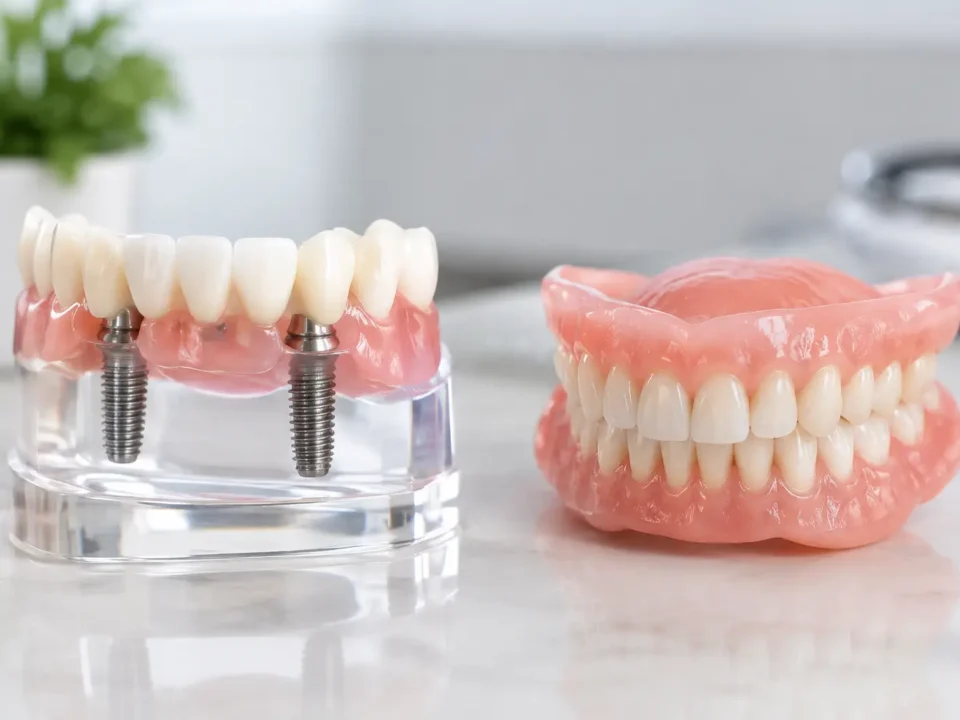
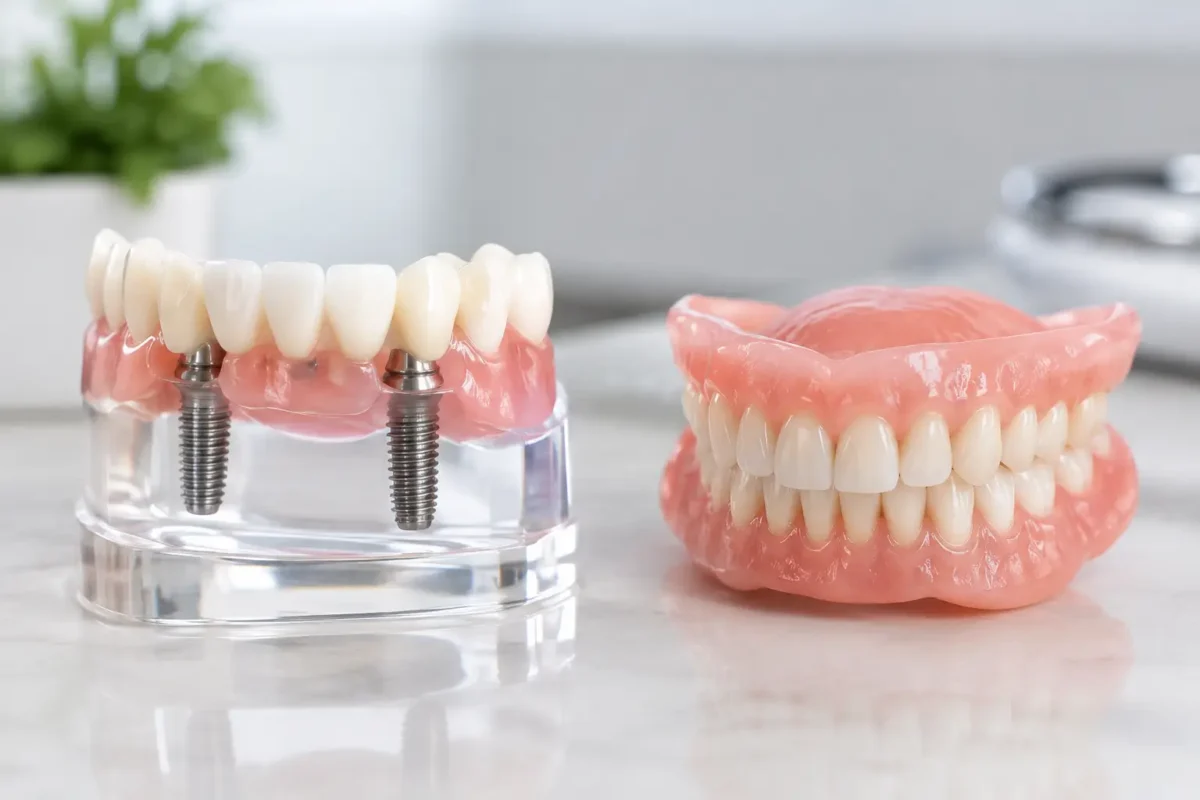
Dental implants are different from natural teeth because they are fixed in the bone and cannot be moved orthodontically. If an implant is already in place, the treatment plan must be designed around it. If you are considering an implant for a missing tooth, orthodontic planning may need to happen first so the space and bite are correct.
For this reason, adult treatment is often most successful when orthodontic, restorative, and hygiene care are considered together. You should never feel pressured into cosmetic work before you understand how it fits into the long-term plan.
Everyday life during treatment
Orthodontic care should work with your life, but it will require a few adjustments. With clear aligners, you will need to clean your teeth before replacing the trays after meals and keep the aligners in their case when they are out. With braces, a little more time spent brushing and using interdental aids can prevent staining and gum inflammation.
Mild pressure or tenderness is common after a new aligner, an adjustment, or a wire change. It usually settles quickly. Persistent pain, a sharp wire, a broken attachment, or a change in your bite should be reported to the clinic rather than managed alone.
Regular professional hygiene appointments can be particularly helpful during treatment. They support gum health, remove deposits from hard-to-reach areas, and give you confidence that your smile is being cared for as it changes.
Choosing a clinic you can trust
The best adult orthodontic experience combines clinical precision with calm, understandable care. Look for a team that takes time to listen, uses detailed diagnostics, and presents options without pressure. You should leave your consultation knowing what your treatment is designed to achieve, what commitment it requires, and what it will cost.
At The British Dental Clinic, adult patients can discuss orthodontic treatment in clear English within a wider dental care plan, including hygiene, restorative dentistry, and cosmetic options when appropriate. For anyone building a life in Barcelona, that clarity can make a significant difference.
A straighter smile does not need to be a rushed decision. Start with a consultation that gives you honest answers, then choose the path that feels clinically sound and genuinely manageable for your life.