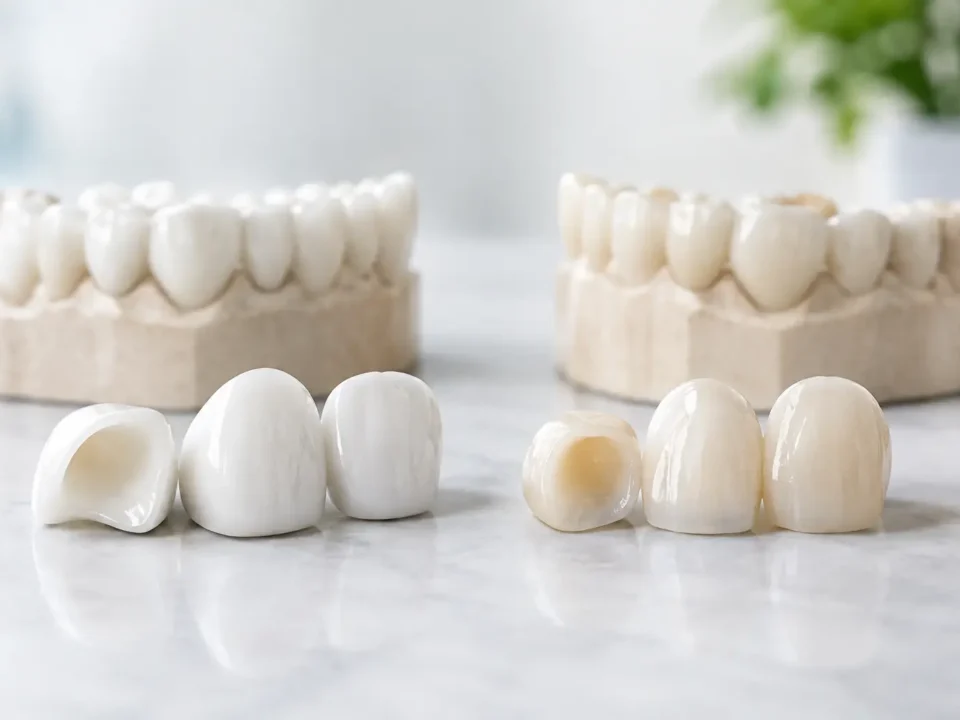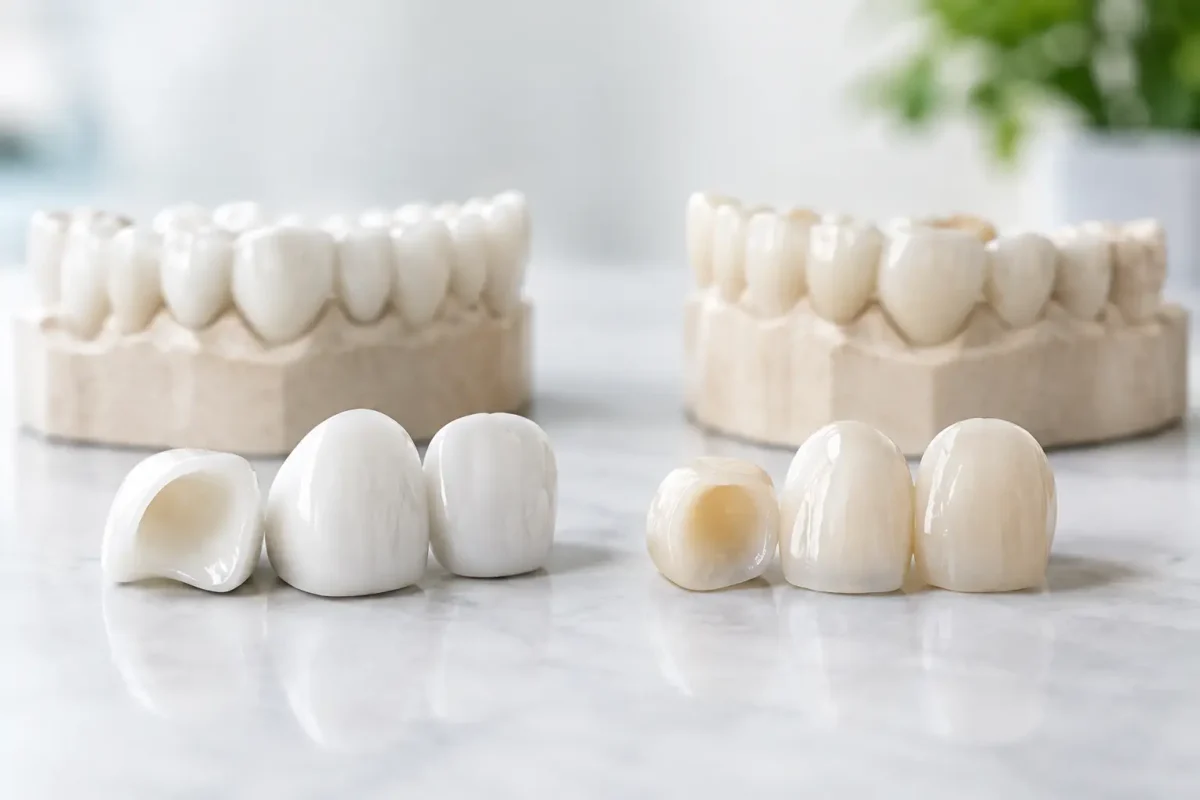
Carillas o coronas for a Healthier, Natural Smile
julio 28, 2026
Best Treatments for Stained Teeth That Work
agosto 1, 2026
A sharp pain when you sip coffee, a tooth that keeps throbbing after dinner, or tenderness that makes you chew on one side can feel easy to ignore at first. Yet these are the moments when patients often ask, “cuando necesito endodoncia dental?” A root canal may be recommended when the soft tissue inside a tooth is inflamed or infected, and prompt care can often preserve the natural tooth while relieving pain.
Cuando necesito endodoncia dental: the main warning signs
The center of every tooth contains pulp, a living tissue made up of nerves and blood vessels. If decay, a crack, repeated dental work, or trauma allows bacteria to reach this area, the pulp can become inflamed or infected. Root canal treatment, also called endodontic treatment, removes the damaged tissue, cleans the inside of the tooth, and seals it to prevent further infection.
Pain is a common sign, but it is not the only one. You may need an assessment for root canal treatment if you notice lingering sensitivity to hot or cold temperatures, pain when biting or chewing, spontaneous throbbing, or a tooth that feels different from the others. Some people also develop tenderness in the gum near the tooth, a small pimple-like bump on the gum, or swelling in the face or jaw.
A tooth becoming darker can also be meaningful, particularly after an injury. Internal bleeding or damage to the pulp may change the tooth’s color over time, even when there is little or no pain. Conversely, an infected tooth can sometimes stop hurting when the nerve dies. The absence of pain is not always a sign that the problem has resolved.
Why a tooth may need root canal treatment
Deep decay is one of the most frequent causes. A small cavity can often be treated with a filling, but decay that reaches the pulp requires more than a filling alone. A cracked or fractured tooth can create another pathway for bacteria, especially if the crack extends beneath an old restoration.
Dental trauma matters too. A fall, sports injury, or impact that happened years ago can affect the pulp without causing immediate symptoms. Repeated procedures on the same tooth may also irritate the pulp over time. In some cases, severe gum disease and infection around the root contribute to the problem, although the treatment plan will depend on the exact source of infection.
The key point is that a root canal is not prescribed simply because a tooth hurts. The goal is to diagnose the cause accurately and choose the most conservative treatment that will give the tooth a reliable future.
How your dentist confirms whether a root canal is needed
A careful examination should come before any decision. Your dentist will ask when the symptoms began, what triggers them, and whether the pain lingers or fades quickly. They may perform temperature and bite tests, check the gums, and take digital X-rays to look at the roots and surrounding bone.
X-rays are valuable, but they do not tell the entire story. Very early pulp inflammation may not yet be visible, while some cracks can be difficult to detect on an image. Your symptoms, clinical examination, dental history, and imaging findings are considered together.
Not every sensitive tooth needs endodontic treatment. A short response to cold may come from exposed root surfaces, a worn filling, or enamel wear. Pain on biting can also be related to a high filling, a crack, or gum inflammation. Clear communication matters because treatment should address the actual cause, not just the symptom.
What happens during a root canal
Modern root canal treatment is designed to be controlled and comfortable. The tooth and surrounding area are numbed with local anesthetic, just as they would be for a filling. Once you are comfortable, the dentist places a protective barrier around the tooth to keep it clean and dry.
A small opening is made in the tooth so the damaged or infected pulp can be removed. The narrow root canals are then cleaned, shaped, and disinfected using precision instruments. Once the canals are free of infection, they are filled and sealed. Depending on the tooth and the extent of damage, treatment may be completed in one visit or divided into two appointments.
Afterward, the tooth needs a durable restoration. Front teeth with enough healthy structure may sometimes be restored with a filling. Back teeth usually experience greater chewing pressure and may need a crown to reduce the risk of fracture. Your dentist should explain this recommendation clearly, including why it is needed and the expected costs before treatment begins.
Does a root canal hurt, and what is recovery like?
Many patients arrive expecting a root canal to be painful because of outdated stories. In reality, treatment is intended to remove the source of tooth pain, not add to it. With effective local anesthesia, most people feel pressure or vibration rather than pain during the appointment.
It is normal to have mild tenderness for a few days afterward, particularly when biting. This usually improves with the aftercare instructions and pain relief recommended by your dentist. Avoid chewing hard foods on the treated tooth until the final restoration is in place, especially if a temporary filling has been used.
Contact your dental team if pain is worsening rather than improving, if swelling develops or returns, or if your temporary restoration comes out. These situations do not always mean treatment has failed, but they do deserve timely attention.
Why delaying treatment can make things harder
An inflamed pulp cannot always heal on its own once bacteria have entered the tooth. Delaying care may allow the infection to spread beyond the root tip, leading to an abscess, bone loss, increasing swelling, or a tooth that becomes too compromised to save.
The trade-off is simple: earlier treatment may allow for a more predictable restoration, while waiting can turn a manageable problem into a more complex one. If an infection causes facial swelling, fever, difficulty swallowing, or trouble breathing, seek urgent medical or dental care immediately.
Root canal treatment is generally preferred when the tooth can be restored and has a reasonable long-term outlook. Saving a natural tooth helps maintain normal chewing function and can prevent nearby teeth from shifting. However, extraction may be the better option if the tooth is severely fractured, lacks enough healthy structure, or has a poor prognosis. If extraction is necessary, replacement options such as an implant or bridge can be discussed openly.
The next step if you are unsure
You do not need to decide on a root canal before seeing a dentist. You only need to take symptoms seriously enough to arrange an examination. Bring up any past injury, recent dental work, changes in pain, and medications you take, as these details can help guide diagnosis.
For international patients in Barcelona, being able to discuss symptoms, X-rays, treatment choices, timing, and fees in clear English can make an already stressful situation feel far more manageable. At The British Dental Clinic, the focus is on explaining what is happening, why a treatment is recommended, and what alternatives may be appropriate for your tooth.
A toothache is rarely convenient, but an early, calm assessment can replace uncertainty with a clear plan and give your natural tooth its best chance to stay healthy.