How to Whiten Teeth Safely
julio 2, 2026
General Dental Checkup Checklist
julio 6, 2026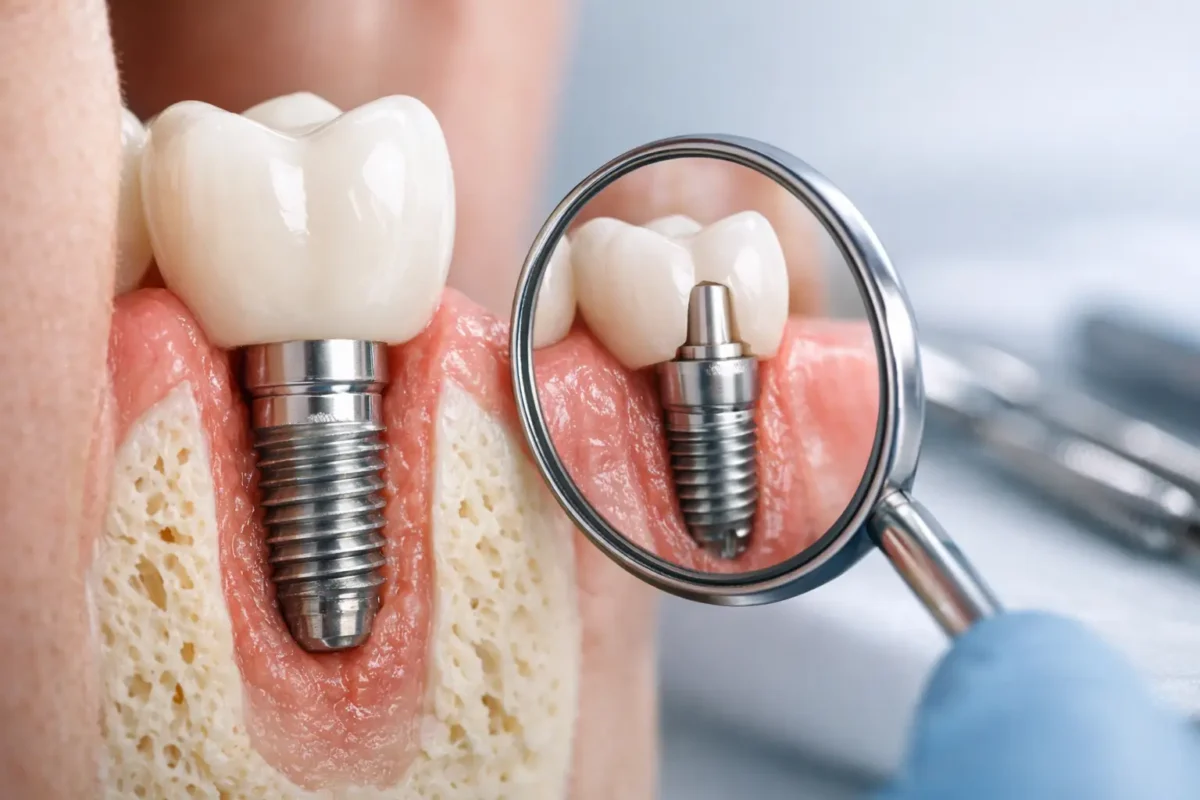
If you have just scheduled an implant or you are recovering from one, you probably want straight answers to one question: what happens next? This guide to dental implant healing explains what is normal, what may need attention, and how to support a smooth recovery without guesswork.
Healing after a dental implant is not a single event. It happens in stages, and each stage has its own pace. Some people feel surprisingly comfortable within a day or two. Others need a little more time, especially if they have had an extraction, bone grafting, or more than one implant placed at once. The key is knowing what to expect, so normal healing does not feel alarming and genuine concerns do not get ignored.
What dental implant healing actually involves
A dental implant heals in two ways at the same time. First, the gum tissue around the implant site needs to recover from the procedure itself. That is the part most patients notice right away, because it affects soreness, swelling, and eating.
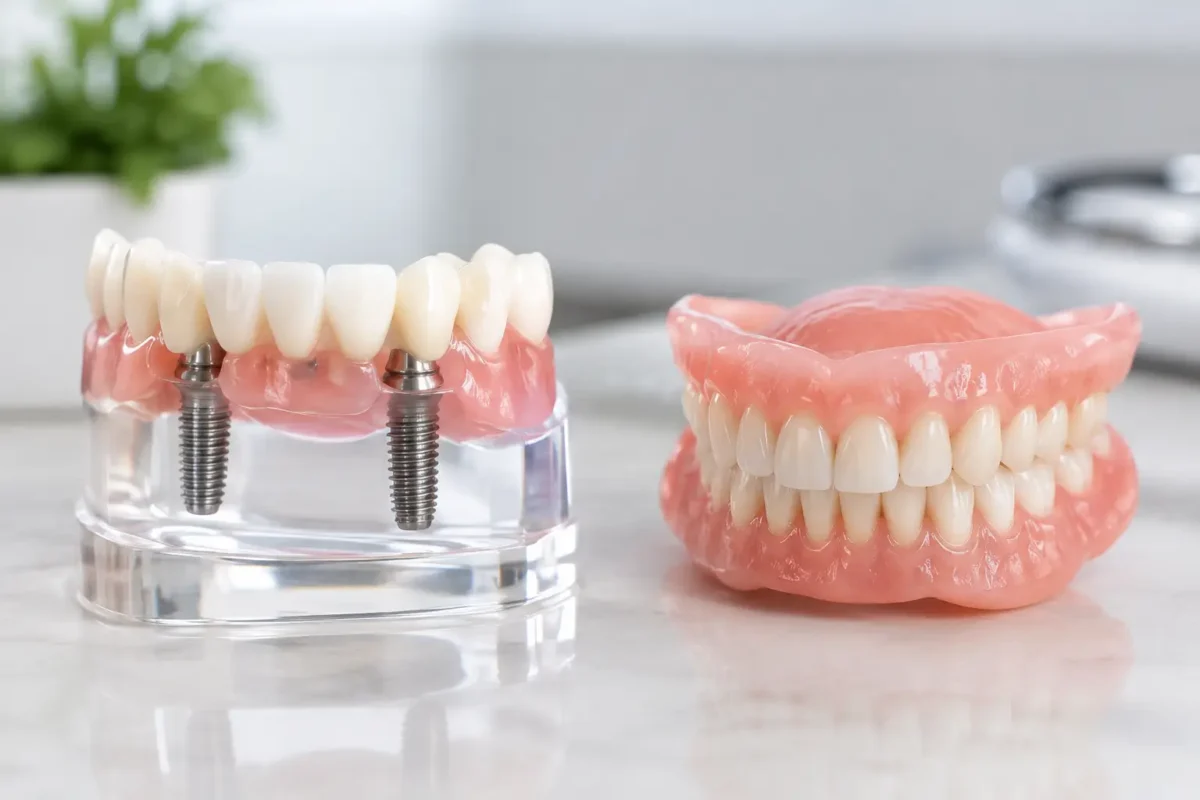
Second, and more importantly, the implant needs to bond with the bone. This process is called osseointegration. It takes longer than gum healing and is the reason your dentist may advise a waiting period before the final crown is attached. Even if the area looks fine from the outside, the deeper healing still matters.
This is why recovery can feel a little uneven. You may feel much better after a week, but that does not mean the implant is fully healed. Good implant dentistry balances comfort in the short term with stability in the long term.
A realistic timeline in this guide to dental implant healing
Every patient heals differently, but the general pattern is fairly consistent.
The first 24 to 72 hours
This is when swelling, mild bleeding, and tenderness are most common. The area may feel bruised, tight, or sensitive when chewing. If you had sedation or a more involved procedure, you may also feel tired afterward.
A small amount of oozing is usually normal during the first day. Swelling often peaks around day two or three, which can worry patients who expected each day to feel better than the last. In reality, that short delay is common.
The first week
By the end of the first week, many patients notice a clear improvement. The gums begin to settle, tenderness starts to reduce, and daily routines feel easier. You still need to be careful with the site, but most of the immediate surgical discomfort should be easing.
If you have stitches, your dentist may want to check the area during this period or remove them if they are not dissolvable.
Weeks two to six
This phase is quieter. The gum tissue continues to strengthen, and the implant site becomes less noticeable in daily life. It is also the stage when patients sometimes become less cautious because they feel almost back to normal.
That is understandable, but the implant is still healing under the surface. Pressure from hard foods, smoking, or poor cleaning can still interfere with recovery.
The next few months
Bone integration usually takes several months. In straightforward cases, a final restoration may be placed sooner, while more complex cases may require additional healing time. The exact timeline depends on bone quality, implant stability, general health, and whether grafting was involved.
This is one reason treatment plans should feel personalized rather than rushed. Faster is not always better if stability is being compromised.
What is normal after implant surgery
Most dental implant healing symptoms are manageable and temporary. Mild to moderate discomfort, swelling, bruising, and tenderness around the area are all common. It can also feel strange to chew nearby, even if the pain itself is not severe.
Some patients notice a sore throat, limited jaw opening, or sensitivity in the surrounding teeth for a short time. These can happen because the tissues have been stretched during treatment or because the area is inflamed.
A slightly metallic taste or mild blood-tinged saliva during the first day can also happen. What matters is the trend. Symptoms should gradually improve, not become more intense after several days.
Signs that deserve a call to your dentist
A calm recovery does not mean a symptom-free one. Still, some changes are worth checking promptly.
Worsening pain after the first few days, heavy bleeding, pus, fever, a strong bad taste that does not go away, or swelling that keeps increasing instead of settling should not be ignored. The same applies if the implant feels loose or if you notice persistent numbness.
Sometimes the issue is minor and easy to manage. Sometimes early treatment prevents a more serious setback. Either way, clear communication with your dental team is part of good care.
How to support healing at home
The best aftercare is usually simple and consistent. Rest on the day of surgery, follow your prescribed medication schedule, and avoid disturbing the area. If your dentist recommends ice packs, use them during the first day in short intervals to help manage swelling.
Food choices matter more than patients expect. Soft, cooler foods are usually easier at first, especially if the implant is in a spot that takes chewing pressure. Yogurt, eggs, soup at a lukewarm temperature, mashed vegetables, smoothies eaten carefully with a spoon, and pasta are common options. Crunchy, spicy, very hot, or hard foods can irritate the site.
Hydration helps, but avoid using a straw in the early stage if your dentist advises against it. Suction can disturb clotting and irritate the area.
Oral hygiene is equally important. A clean mouth supports healing, but aggressive brushing around the implant site can do the opposite. Your dentist may recommend a gentle rinse or specific cleaning instructions for the first several days. Follow those directions closely rather than improvising.
Habits that can slow down dental implant healing
Smoking is one of the biggest risk factors for delayed healing and implant complications. It affects blood flow and makes it harder for tissues to repair properly. Even reducing smoking around the time of surgery can help, but stopping is best.
Alcohol can also interfere in the early phase, especially if you are taking medication or if the tissues are still actively healing. Strenuous exercise too soon may increase bleeding or swelling. None of this means you need to put your life on hold for weeks, but it does mean the first few days deserve some care.
There are also medical factors that influence healing. Diabetes, certain medications, autoimmune conditions, and a history of gum disease can all affect recovery. That does not mean implants are not possible. It means treatment planning should be honest and individualized.
Why healing can take longer in some cases
Not all implant cases are alike. A single implant placed into healthy bone after a well-planned procedure is often more straightforward than an implant placed after infection, extraction, or bone loss.
If you need bone grafting, sinus work, or multiple implants, healing may take longer and require closer monitoring. Same-day solutions can be an excellent option for the right patient, but they are not automatically the best option for every case. Stability, bite forces, and overall oral health all need to line up.
This is where careful diagnostics make a difference. Digital planning and guided surgery can improve precision, but technology is only useful when paired with sound clinical judgment and clear patient communication.
The emotional side of healing
One part of recovery that gets overlooked is uncertainty. Many patients feel fine physically but worry that every sensation means something is wrong. Others assume that because an implant is a common treatment, healing should be effortless.
The reality sits somewhere in the middle. Implant healing is usually very manageable, but it still involves surgery, patience, and follow-up. Reassurance matters, and so does having a dental team that explains what is expected in plain language.
For international patients or busy professionals, this clarity can make a big difference. When you understand the timeline, know how to care for the site, and feel comfortable asking questions, the process feels far less stressful.
When the final result starts to feel worth it
Most patients stop thinking about healing once they can eat comfortably, smile without self-consciousness, and trust the implant to feel like part of their mouth. That is the real goal. Not just placing an implant, but helping it heal well enough to support long-term comfort and function.
At a clinic such as The British Dental Clinic in Barcelona, that usually means balancing advanced treatment with clear, human guidance at every step. Patients do better when they know what is happening and why.
If you remember one thing from this guide to dental implant healing, let it be this: healing is rarely dramatic, but it does reward patience. A steady recovery, good aftercare, and timely check-ins usually do more for long-term success than trying to rush the process.