A Clear Guide to Dental Implant Healing
julio 4, 2026
Encías inflamadas: tratamiento y causas
julio 8, 2026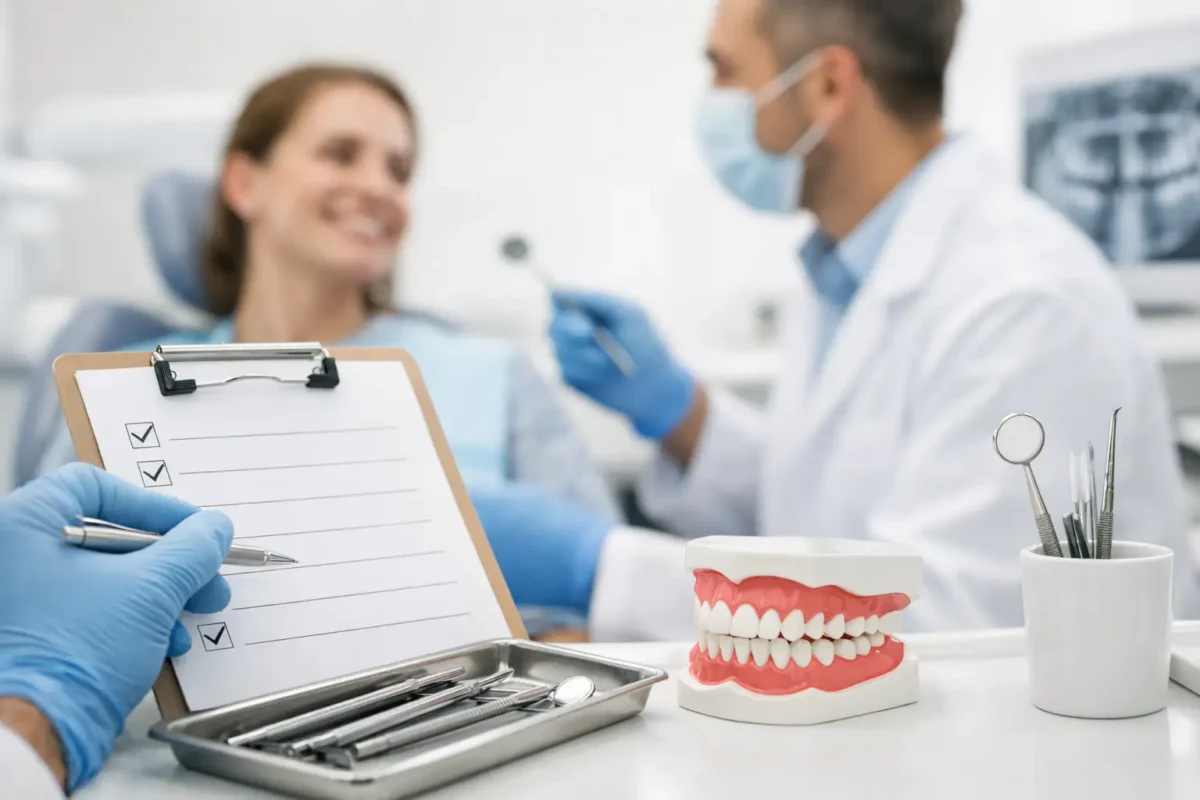
If you have ever left a dental appointment thinking, «I should have asked more questions,» a general dental checkup checklist can make the whole visit feel clearer and more useful. A good checkup is not just a quick look at your teeth. It is a preventive review of your oral health, your habits, your risks, and any small issues that are easier to treat now than later.
For many adults, especially those managing work, travel, family life, or a move to a new city, dental visits tend to get delayed until something hurts. That is understandable, but it is rarely ideal. Pain usually means a problem has had time to progress. A routine checkup gives you a chance to catch decay early, monitor gum health, review old dental work, and talk through anything that has changed since your last visit.
What a general dental checkup checklist should cover
A thorough dental checkup should feel structured, not rushed. While every patient is different, most appointments should include a review of your medical and dental history, an examination of the teeth and gums, an assessment of existing restorations, and a conversation about any findings and next steps.
The first part often starts before anyone looks in your mouth. Your dentist may ask about medications, medical conditions, pregnancy, smoking, jaw discomfort, bleeding gums, sensitivity, grinding, or changes in your bite. These details matter. Some systemic health conditions affect the gums, saliva, and healing response. Certain medications can increase dry mouth, which raises the risk of cavities.
After that comes the clinical exam. Your dentist checks for signs of tooth decay, cracks, enamel wear, gum inflammation, recession, tartar buildup, and suspicious changes in the soft tissues. They also assess how your teeth meet, whether there is evidence of clenching or grinding, and whether existing fillings, crowns, implants, or bridges are still doing their job properly.
If X-rays are due, they help reveal issues that are easy to miss during a visual exam. Early decay between teeth, bone loss, infections at the root, and impacted teeth may not be visible on the surface. Not every appointment requires the same images, so this depends on your history, symptoms, and risk level.
Your general dental checkup checklist before the appointment
Patients often focus on what the dentist will do, but a better visit usually starts with what you bring to it. If you have pain, sensitivity, bleeding, or cosmetic concerns, make a note of them in advance. It is surprisingly easy to forget details once you are in the chair.
It also helps to bring an updated medication list and mention any recent health changes. If you are new to a clinic, or you are an international patient used to a different healthcare system, this part matters even more. Clear information allows the dentist to tailor recommendations instead of making assumptions.
Before your appointment, think about practical questions too. Have you noticed sensitivity to hot or cold? Does food trap between certain teeth? Are you waking with jaw tension? Have you postponed replacing an old filling or chipped tooth because it was not urgent? Those small observations can guide the exam and help prioritize treatment.
If anxiety has kept you away, say so. A calm, well-explained visit can make a real difference. Many adults are not afraid of dentistry itself so much as they are afraid of surprises, discomfort, or not understanding what comes next.
What your dentist is looking for during the exam
A checkup is partly about spotting problems, but it is also about measuring stability. Your dentist wants to know whether your oral health is improving, holding steady, or moving in the wrong direction.
Teeth are checked for cavities, weakened enamel, fractures, wear, and failing dental work. A small edge chip may be cosmetic now but become a structural issue later. A filling that looks intact can still develop leakage around the margins. These are the details that matter when treatment planning is done carefully.
Your gums are just as important. Bleeding, puffiness, recession, and pocketing can point to gingivitis or periodontitis. Gum disease is common, often painless in the early stages, and one of the main reasons routine visits matter. Many patients assume that if they brush daily, their gums must be fine. Sometimes they are, but brushing alone does not tell the whole story.
The checkup should also include a soft tissue screening. That means your dentist looks at the tongue, cheeks, palate, lips, and other tissues for unusual changes. Most findings are harmless, but screening is part of responsible preventive care.
Your bite and jaw function may also be reviewed. If you grind your teeth, clench under stress, or have clicking in the jaw joint, signs often show up in wear patterns, muscle tenderness, or chipped edges. In some cases, the best next step is not a filling or cleaning, but a night guard or a closer look at how your teeth function together.
Why cleaning and checkups are related, but not identical
People often use the terms interchangeably, but a checkup and a cleaning are not the same thing. A checkup is the diagnostic part. A cleaning is the preventive maintenance that removes plaque, tartar, and surface stains.
Many visits include both on the same day, which is convenient. Still, it helps to understand the distinction. You can have a cleaning and still need restorative work. You can also have a detailed exam and be told your hygiene is excellent but that an old crown needs monitoring.
For some patients, a routine scale and polish is enough. Others need periodontal maintenance or a deeper gum-focused cleaning if there are signs of disease. This is one of those areas where it depends. The right approach is based on the condition of your gums, not on a one-size-fits-all schedule.
Airflow polishing can also be part of hygiene care for patients with staining, plaque retention, or orthodontic appliances. It is often a comfortable option, but suitability varies based on sensitivity and gum condition.
Questions worth asking during a dental checkup
A good appointment should leave you informed, not overwhelmed. If your dentist finds something, ask how urgent it is, what happens if you wait, and what treatment options exist. Not every issue requires immediate treatment, but delaying some conditions can make care more invasive and more expensive later.
You can also ask whether changes in home care would help. Sometimes the most useful advice is simple: a different brushing technique, more consistent flossing, fluoride support, or addressing dry mouth. In other cases, lifestyle factors such as smoking, acidic drinks, or nighttime grinding are the real drivers behind repeat problems.
If treatment is recommended, clarity matters. You should understand the diagnosis, the proposed solution, any alternatives, and the likely costs. That is especially valuable for international patients who may be comparing care across countries and want straightforward communication without jargon.
How often should you use a general dental checkup checklist?
For many adults, every six months is a sensible baseline, but it is not a universal rule. Some people with healthy gums, low decay risk, and excellent home care may be advised to come less often. Others benefit from more frequent reviews, especially if they have gum disease, a history of frequent cavities, extensive dental work, implants, smoking habits, or medical conditions that affect oral health.
The key point is that recall intervals should be personalized. A dentist who explains why they want to see you at a certain frequency is doing more than filling the calendar. They are matching prevention to risk.
If it has been more than a year since your last visit, do not let embarrassment delay you further. Dentists see this every day. What matters is getting a clear picture of where things stand now and making a realistic plan from there.
When a routine checkup leads to more treatment
Sometimes a checkup ends with reassurance. Sometimes it leads to follow-up care such as fillings, gum treatment, a night guard, whitening, or replacement of old dental work. That does not mean the appointment was bad news. It means the process worked.
At a clinic that values transparent planning, such as The British Dental Clinic, the goal is not to rush you into treatment. It is to explain what is necessary, what is optional, what can wait, and what will give you the best long-term result. That kind of clarity helps patients make decisions with confidence.
A routine dental visit should never feel like guesswork. When you know what is being checked and why, the appointment becomes less stressful and more useful. The best checkups are the ones that give you a clear picture, practical next steps, and the peace of mind that comes from staying ahead of problems rather than reacting to them later.