When to See a Gum Specialist in Barcelona
septiembre 4, 2026
Planificación dental transparente, explained
septiembre 8, 2026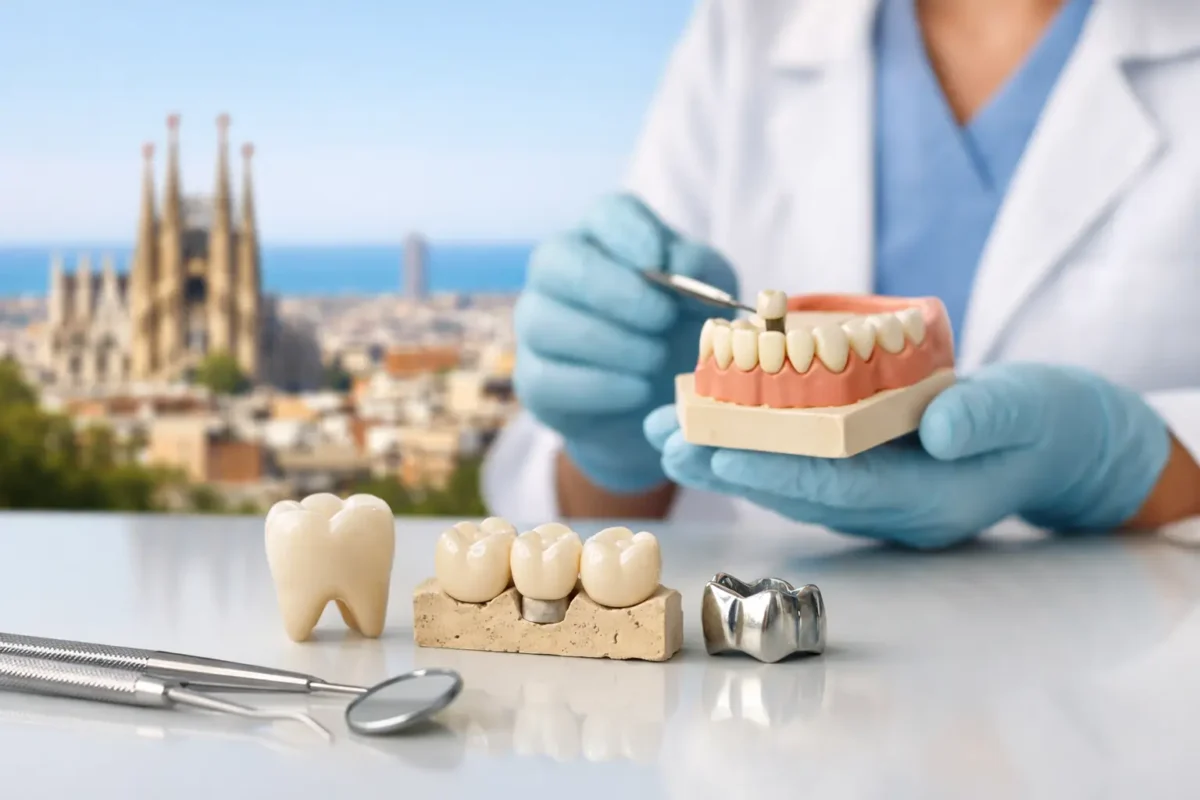
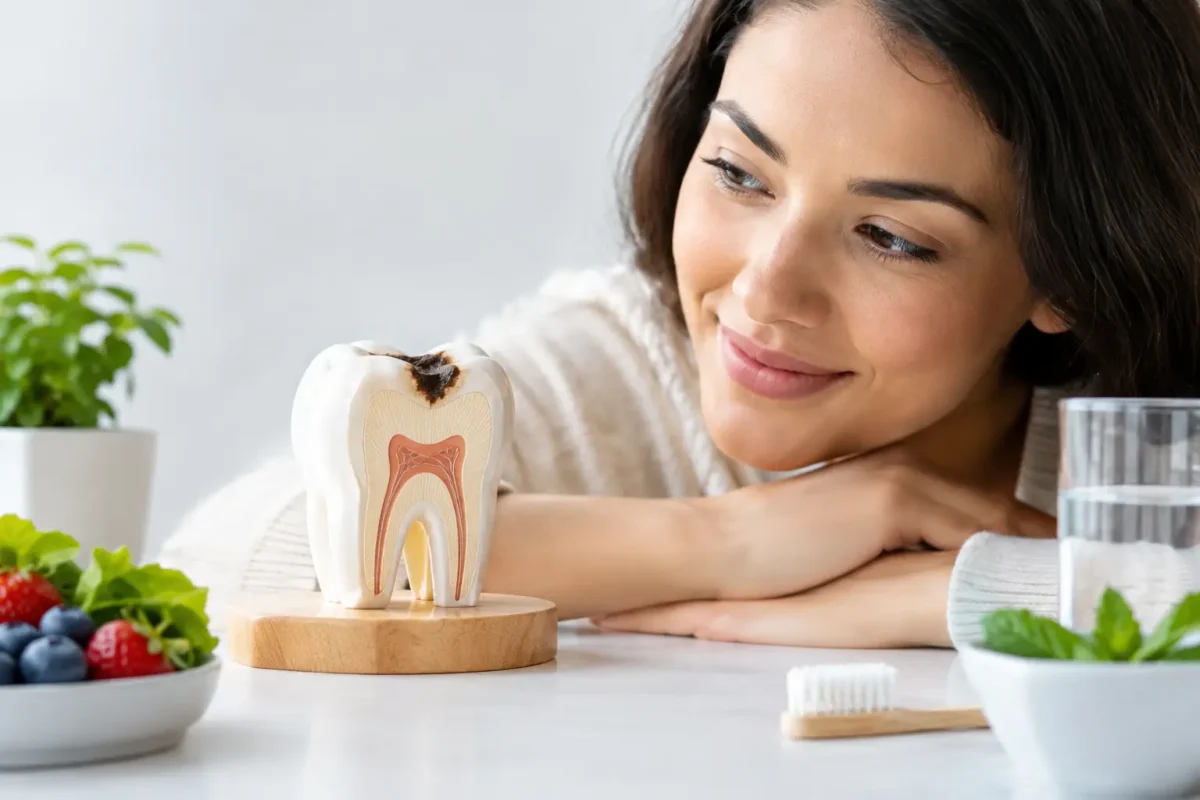
A tooth can look fine from the outside while being too weak to rely on. A large old filling, a crack, or the aftermath of root canal treatment can leave it vulnerable to breaking at the most inconvenient moment. For patients considering dental crowns Barcelona treatment, the goal is not simply to improve appearance. It is to protect the remaining healthy tooth structure, restore comfortable chewing, and create a result that feels natural in daily life.
A well-planned crown should not feel like a compromise. It should fit precisely, blend with your smile, and support your long-term oral health. The right approach begins with an honest assessment of whether a crown is truly needed and which material best suits your tooth, bite, and expectations.
When Is a Dental Crown the Right Treatment?
A dental crown is a custom-made cover that sits over a prepared tooth. It restores the tooth’s shape, strength, and function when a filling alone is unlikely to provide lasting support. Crowns are commonly recommended after root canal treatment, for teeth with extensive decay or very large fillings, and for teeth that are cracked, worn down, or broken.
They can also be used to improve the shape or color of a tooth where more conservative cosmetic options are not appropriate. If a tooth is severely damaged or missing, a crown may form part of a wider restorative plan, either attached to a dental implant or used as part of a bridge.
Not every damaged tooth needs a crown. A small cavity may only require a filling, while minor cosmetic concerns may be better addressed with whitening, bonding, or veneers. A patient-centered dentist will explain the alternatives and why one choice may protect your tooth more effectively than another. Preserving healthy tooth structure is always a meaningful consideration.
Dental Crowns Barcelona Patients Can Choose With Confidence
The material for a crown affects its appearance, durability, and the amount of tooth preparation required. There is no single material that is best for every person or every tooth. The right choice depends on where the crown will sit, how strongly you bite, whether you grind your teeth, and how visible the tooth is when you smile.
All-Ceramic Crowns
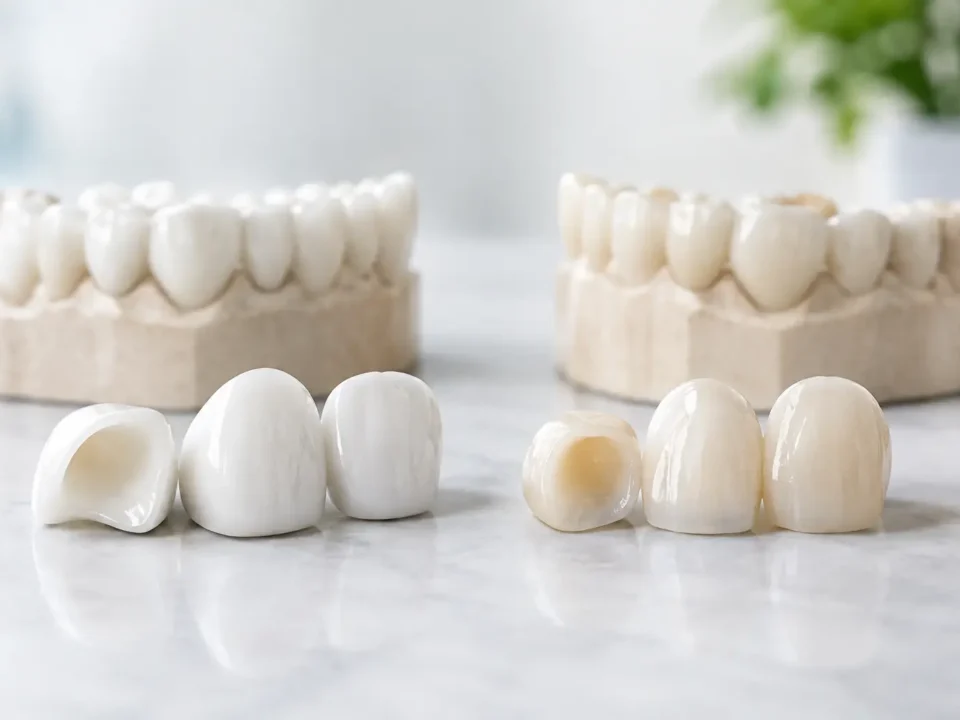
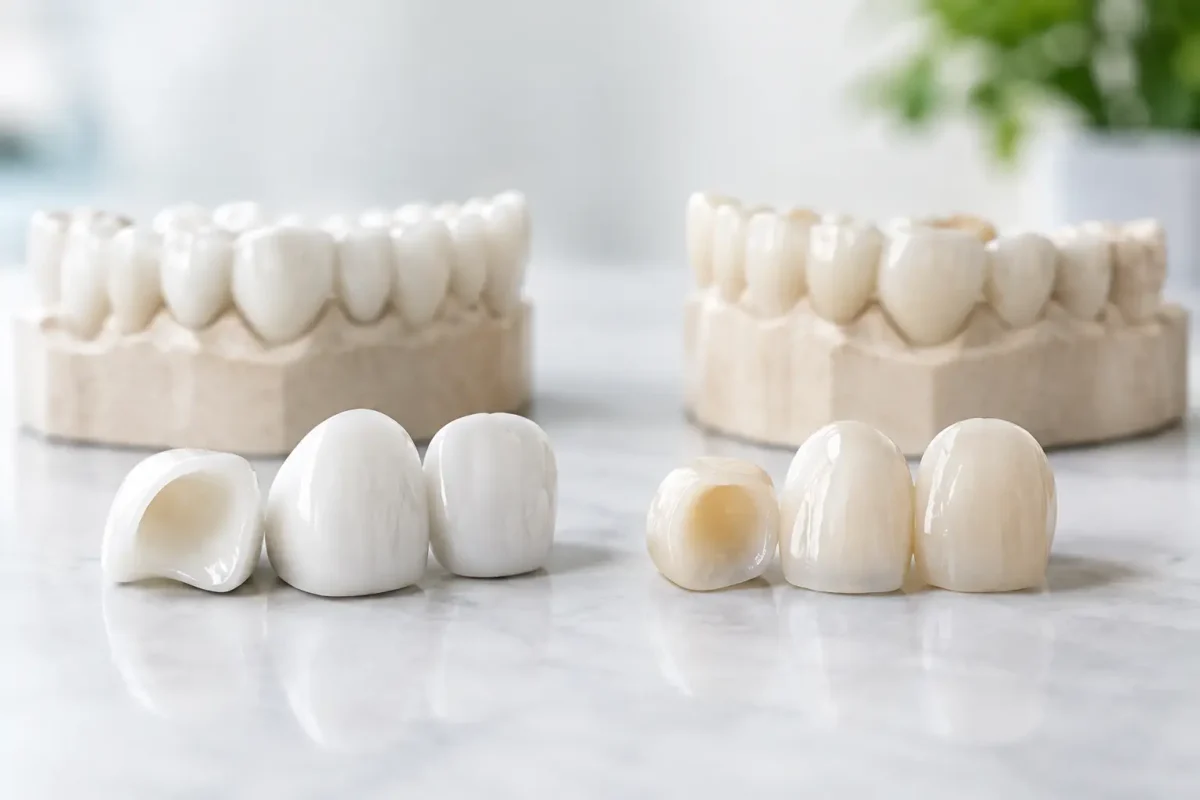
All-ceramic crowns are a popular choice for front teeth and visible areas of the smile. Modern ceramics can reflect light in a way that closely resembles natural enamel, making it possible to achieve excellent color matching and translucency. They are also metal-free, which appeals to many patients who want a highly natural-looking result.
Ceramic can be a strong and reliable option, but the specific type matters. Some ceramics prioritize lifelike appearance, while others are designed for greater strength. Your dentist should select the material based on the tooth’s position and functional demands rather than appearance alone.
Zirconia Crowns
Zirconia is a very strong ceramic material often recommended for back teeth, where chewing forces are greatest. It is also suitable for many front-tooth restorations, particularly when strength and esthetics both matter. Newer multilayer zirconia options offer more natural shading than earlier versions while retaining impressive durability.
For patients who clench or grind their teeth, zirconia may be an especially sensible option. However, bite adjustments and careful polishing are essential. A crown should work in harmony with the opposing teeth, not create unnecessary wear.
Porcelain-Fused-to-Metal Crowns
Porcelain-fused-to-metal crowns have been used successfully for many years. Their metal framework can provide strength, while the porcelain outer layer creates a tooth-colored appearance. They may still be appropriate in some restorative cases, but all-ceramic options are often favored for highly visible teeth because they can provide a more natural translucency and avoid a dark line near the gumline.
Your dentist can discuss the advantages and limitations of each option in relation to your individual case, including cost, appearance, and expected longevity.
What the Crown Treatment Process Looks Like
Crowns should never be a rushed decision. Before treatment starts, your dentist examines the tooth, surrounding gums, bite, and relevant X-rays. If decay, inflammation, or infection is present, it may need treatment first. A crown protects a tooth, but it cannot resolve untreated problems underneath it.
Once the tooth is ready, it is gently shaped to create space for the crown. Local anesthetic keeps this stage comfortable. A digital scan or precise impression records the tooth and bite, allowing the crown to be designed for a secure fit and natural function.
Many patients wear a temporary crown while their final restoration is made. This protects the prepared tooth and allows you to function normally, although it is wise to avoid very sticky or hard foods on that side. In suitable cases, advanced digital technology can allow a crown to be planned and produced in a shorter timeframe, sometimes even on the same day. Whether this is appropriate depends on the tooth, material, and complexity of the restoration.
At the final appointment, the dentist checks the crown’s fit, shade, contact points, and bite before securing it in place. This attention to detail matters. A crown that looks good but feels high when you bite should be adjusted, as even a small imbalance can cause discomfort or place strain on the tooth.
How Long Do Dental Crowns Last?
With good care, a crown can last for many years. Its lifespan depends on the material, the health of the tooth beneath it, your bite, and daily habits. Crowns are durable, but they are not indestructible. Chewing ice, opening packaging with your teeth, or untreated nighttime grinding can damage even the strongest restoration.
Good home care remains essential because the natural tooth and gum tissue around the crown are still vulnerable to decay and gum disease. Brush twice daily with fluoride toothpaste, clean carefully between teeth, and attend regular checkups and hygiene appointments. If you clench or grind, a custom night guard can help protect both your crown and your natural teeth.
If you notice sensitivity that does not settle, pain when biting, a loose crown, or a change around the gumline, arrange an assessment promptly. Early attention can often prevent a small concern from becoming a more complex repair.
Clear Planning Makes a Better Result
For international patients, uncertainty can add stress to an already worrying dental issue. Clear communication is especially valuable when you are deciding between a filling, crown, root canal treatment, or implant. You deserve to understand what has been found, why a particular treatment is advised, how many visits may be needed, and what the expected costs involve before proceeding.
At The British Dental Clinic, treatment planning is built around those conversations. English-speaking and multilingual patients can discuss their options in plain language, ask questions without pressure, and make decisions based on both clinical needs and personal priorities. Digital planning and careful shade matching also help make the process more predictable, particularly when a crown is in a visible part of the smile.
A crown is a long-term restoration, so choosing solely on speed or price can be short-sighted. Precision, suitable material selection, and a bite that feels comfortable are the details that support a result you can trust.
If a tooth has become weak, broken, or difficult to chew on, a timely consultation can provide clarity. The most reassuring outcome is often simple: a tooth that looks like it belongs in your smile and works so naturally that you no longer have to think about it.