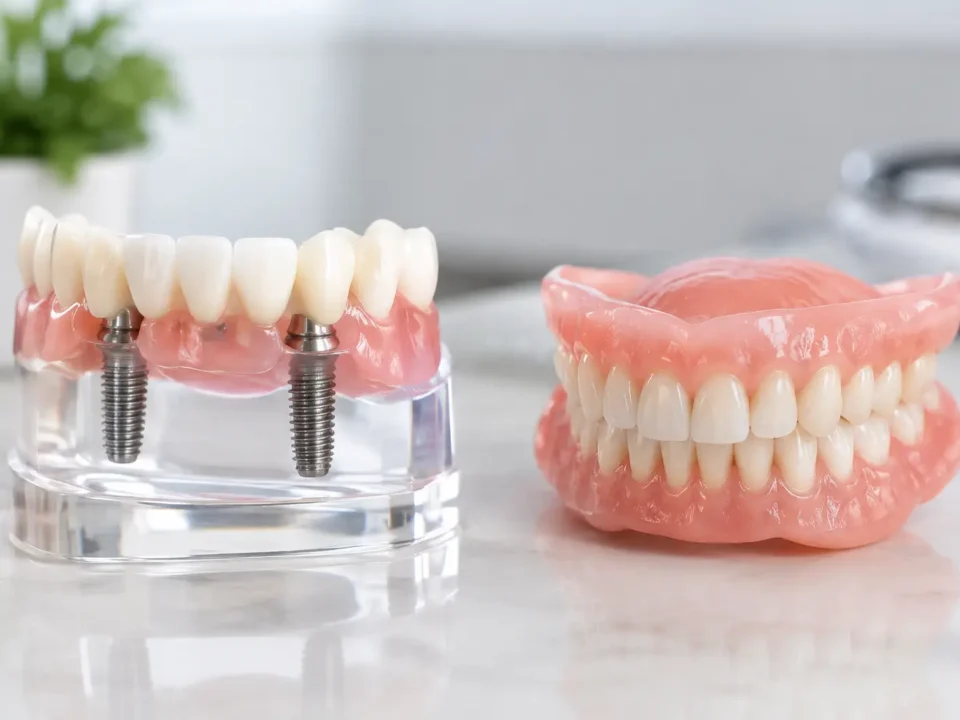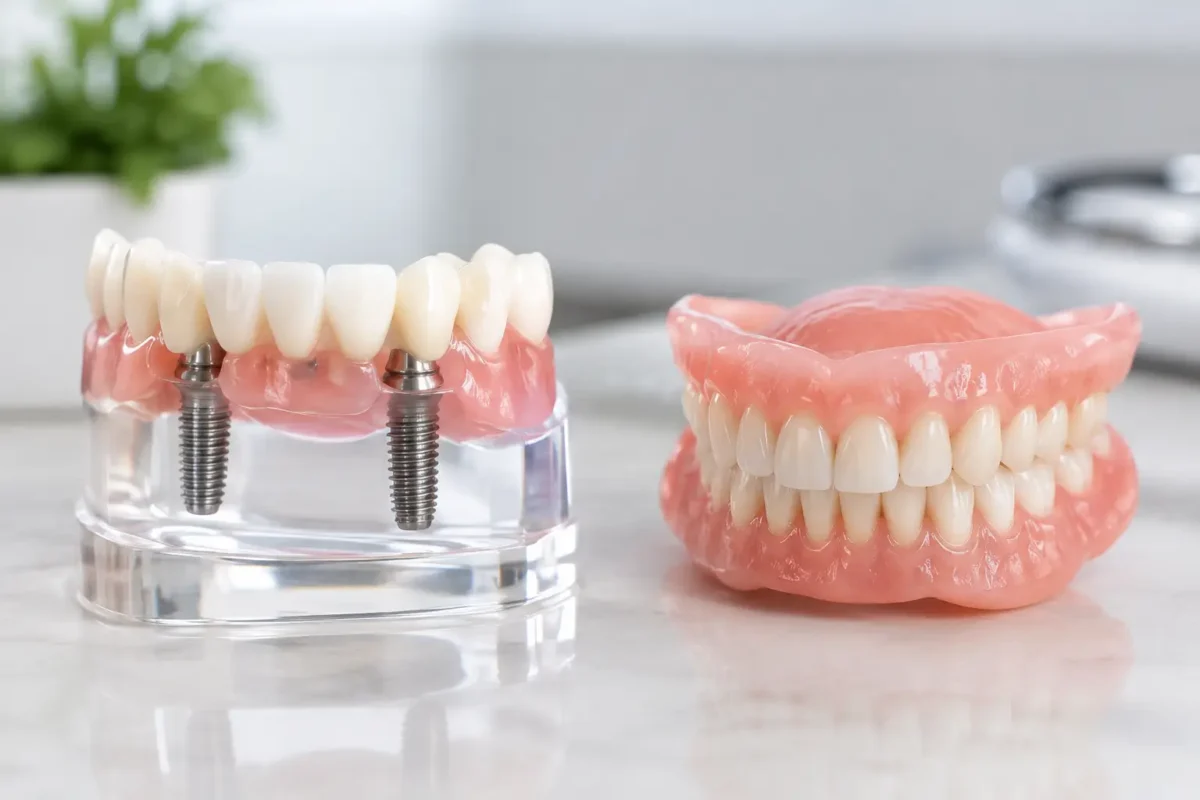
Dental Bridge vs Denture: Which Is Right?
septiembre 2, 2026
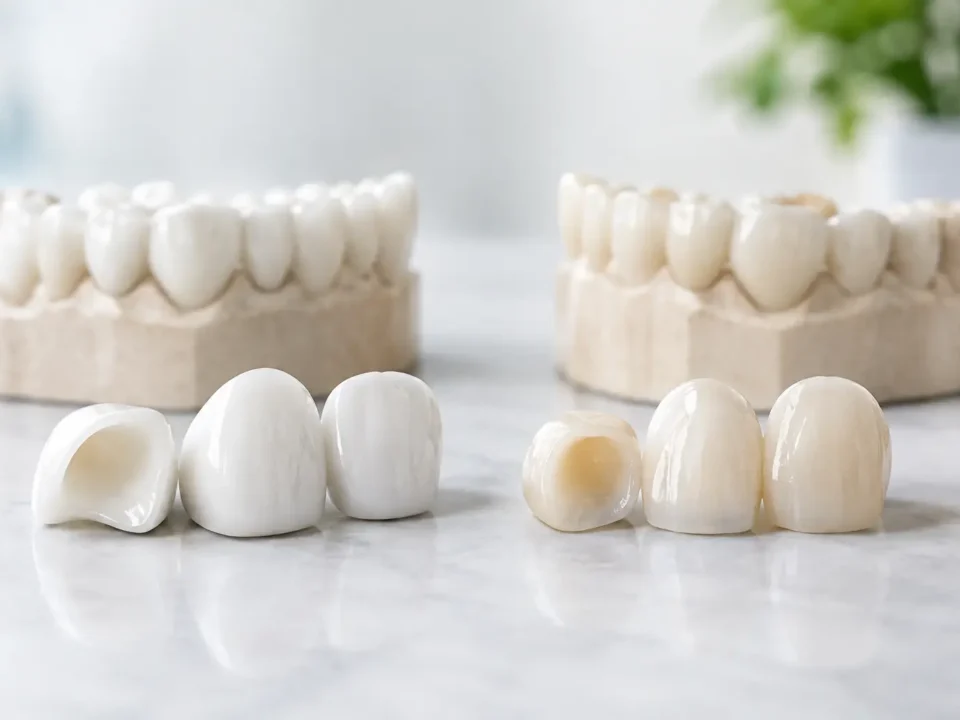
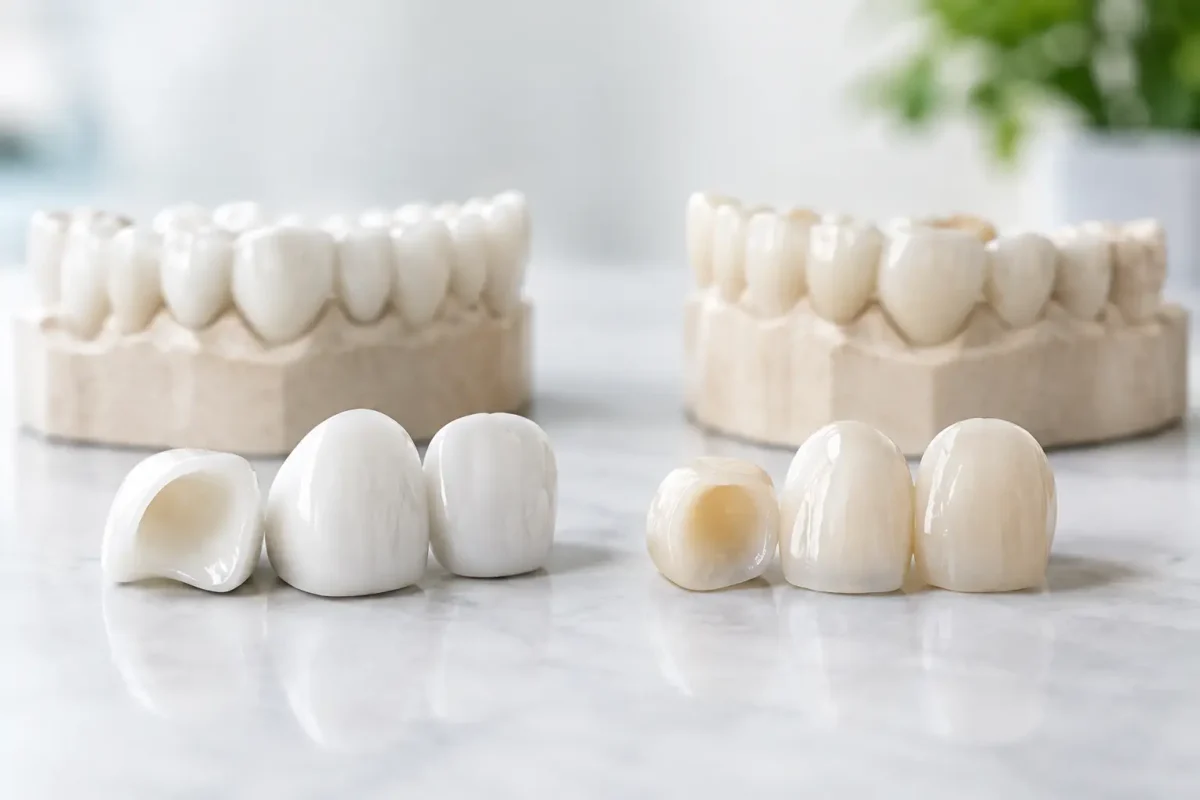
Dental Crowns Barcelona: Choosing the Right Fit
septiembre 6, 2026
Bleeding when you brush is easy to dismiss. So is mild bad breath, a little tenderness, or the feeling that your teeth look longer than they used to. Yet these can be early signs that your gums need more than a routine cleaning. If you are searching for a gum specialist Barcelona patients can speak with clearly and confidently, knowing what to look for can help you seek care before a small concern becomes a more complex problem.
Gum health is the foundation of a healthy smile. Your gums support the teeth, protect the underlying bone, and influence how comfortable, stable, and attractive your smile feels. When inflammation is caught early, treatment is often straightforward. When it is left untreated, gum disease can gradually damage the tissues that hold teeth in place.
What does a gum specialist do?
A gum specialist, also called a periodontist, focuses on the prevention, diagnosis, and treatment of conditions affecting the gums and the bone around the teeth. Periodontal care can range from professional hygiene appointments and deep cleaning to gum surgery, gum grafting, and treatment planning around dental implants.
Not every gum concern requires specialist treatment. Many patients with early gingivitis improve with a careful hygiene visit, better daily cleaning habits, and regular checkups. A specialist becomes particularly valuable when there is evidence of periodontitis, gum recession, bone loss, recurring infection, or a need to stabilize the gums before implant treatment.
At a full-service clinic, your dentist and gum care team should work together. This matters because gum health affects almost every other area of dentistry, from the long-term success of a crown to the placement of an implant or the final appearance of veneers.
Signs you should arrange a gum assessment
Healthy gums are generally firm, comfortable, and pale pink, though natural color varies from person to person. They should not routinely bleed during brushing or flossing. Occasional bleeding after restarting flossing can happen, but bleeding that continues for more than a week deserves professional attention.
Other signs include persistent bad breath, swollen or tender gums, a bad taste in the mouth, pus around a tooth, or gums that appear to be pulling away from the teeth. You may also notice sensitivity near the gumline, changes in how your teeth fit together, or a loose tooth. These symptoms do not always mean advanced disease, but they should not be ignored.
Gum recession deserves a thoughtful assessment as well. Recession can be related to gum disease, but it can also result from brushing too aggressively, naturally thin gum tissue, tooth position, grinding, or previous orthodontic treatment. The right solution depends on the cause. For some patients, changing brushing technique and monitoring the area is enough. For others, protective treatment such as a gum graft may be recommended.
Why gum disease can progress quietly
Periodontitis often develops with little pain. Plaque bacteria accumulate around and below the gumline, triggering inflammation. Over time, the attachment between the gums, bone, and teeth can break down. Pockets form around the teeth, creating areas that are difficult to clean at home.
Smoking, diabetes, stress, certain medications, hormonal changes, family history, and inconsistent dental care can all increase risk. This does not mean gum disease is inevitable. It means your care plan should reflect your individual risk factors rather than follow a one-size-fits-all schedule.
What to expect from a gum specialist in Barcelona
A good periodontal assessment starts with listening. Your clinician should ask about bleeding, sensitivity, medical history, medications, smoking or vaping, previous treatment, and any changes you have noticed. For international patients, being able to discuss these details in clear English can make a meaningful difference to both comfort and decision-making.
The clinical examination may include measuring the small spaces between the teeth and gums, checking for bleeding and recession, assessing tooth mobility, and taking digital X-rays when needed to evaluate the bone supporting your teeth. These findings help determine whether you have gingivitis, periodontitis, recession, or another issue that needs attention.
You should leave with an explanation you can understand: what has been found, why it may be happening, what treatment is advised, what alternatives exist, and how costs and timing are expected to work. Transparency is especially important with periodontal care because treatment may take place in stages. There is often an initial phase to control infection, followed by review appointments to see how the gums respond.
Treatment is tailored to the stage of disease
For early gum inflammation, professional cleaning and targeted home-care guidance may be all that is required. Airflow hygiene can be a comfortable option for removing surface plaque and stains, while conventional instruments are used where deeper cleaning is necessary.
When periodontal pockets are present, non-surgical gum treatment is commonly the first step. This involves carefully cleaning beneath the gumline to remove hardened deposits and bacteria from the root surfaces. Local anesthetic may be used to keep the appointment comfortable. Your gums are then reviewed after healing, because the response to treatment helps guide the next decision.
Some patients need periodontal surgery when deep pockets remain, when gum contours make cleaning difficult, or when regeneration of supporting tissue may be possible. Surgical treatment is not the automatic answer to gum disease. It is recommended only when the likely benefit justifies it and when the patient can maintain the result with regular care afterward.
Gum grafting may be considered for recession that causes sensitivity, affects appearance, or puts the tooth at greater risk. The aim is not simply cosmetic. Strengthening thin or receding gum tissue can make the area easier to protect over time.
Gum health and dental implants
If you are considering an implant, gum and bone health must be assessed first. An implant needs a stable foundation, just as a natural tooth does. Active gum disease should be treated and controlled before implant placement whenever possible.
For patients replacing a missing tooth, guided implant surgery can support precise planning. But technology is only part of the picture. Long-term implant success also depends on healthy surrounding tissue, excellent daily cleaning, and regular maintenance visits. Patients who have had periodontitis can still be candidates for implants, although they may need closer follow-up.
Daily habits that protect your gums
Professional treatment is most successful when it is supported by consistent home care. Brush twice a day with a soft-bristled toothbrush and fluoride toothpaste, using gentle pressure at the gumline. Clean between your teeth daily with floss, interdental brushes, or another tool recommended for the spaces between your teeth.
Technique matters more than force. Hard brushing does not clean better and can contribute to recession and sensitivity. If you are unsure whether you are cleaning effectively, ask for a demonstration during your appointment. Small adjustments can make a real difference.
Smoking and vaping can mask bleeding while increasing the risk of gum disease and slowing healing. Reducing or stopping is one of the most meaningful steps you can take for your gums and your overall health. If you clench or grind your teeth, a custom night guard may also be worth discussing, particularly when recession or tooth wear is present.
Choosing care you can understand and maintain
The best gum treatment plan is one you understand and can realistically follow. It should account for the severity of the condition, your health history, your goals, and how often you can attend maintenance appointments. There are trade-offs: a more conservative approach may be appropriate for stable, shallow areas, while deeper disease may require more active treatment to protect the bone around the teeth.
At The British Dental Clinic, patients are encouraged to ask questions and take time to understand their options. Periodontal care should never feel rushed or mysterious. A calm assessment, clear explanation, and personalized maintenance plan can turn a worrying symptom into a manageable path forward.
If your gums bleed, feel different, or have begun to recede, arranging an assessment now may help preserve the smile you rely on every day.