Dental Crowns Barcelona: Choosing the Right Fit
septiembre 6, 2026
Implant Case Before and After: What Changes?
septiembre 10, 2026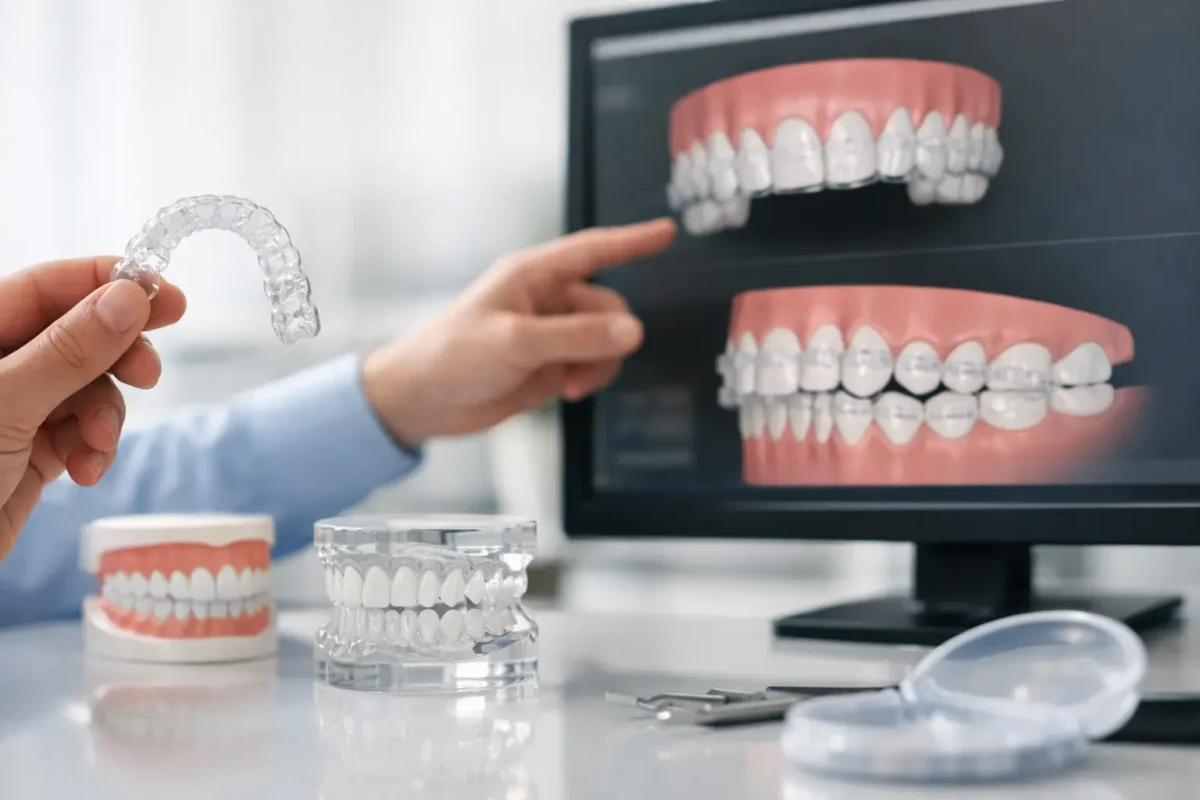
A dental recommendation should never leave you wondering what happens next, what it will cost, or whether there is another reasonable option. Planificación dental transparente means having those answers before treatment begins, in language you understand and at a pace that lets you make a comfortable decision.
For many international patients, uncertainty is not only about dental health. It can also come from navigating care in a second language, fitting appointments around work or travel, and trying to compare treatment recommendations without a clear clinical context. A thoughtful treatment plan turns those unknowns into a practical path forward.
What transparent dental planning should include
A transparent plan is more than a price estimate. It is a clear explanation of your current oral health, the treatment being recommended, why it is appropriate, and what may happen if you choose to wait. It should distinguish between care that is urgent, care that protects your long-term health, and elective treatment designed primarily to improve appearance.
The first step is a thorough assessment. Depending on your needs, this may include a clinical examination, digital X-rays, photographs, a gum evaluation, or a digital scan of your teeth. These records allow your dentist to identify concerns that are not always visible in the mirror, such as decay beneath an old filling, early gum disease, bite issues, or bone loss around a missing tooth.
From there, the discussion should be specific. If a tooth needs treatment, you should understand whether a filling, crown, root canal treatment, extraction, or monitoring is being considered. If you are replacing a missing tooth, you should know why an implant, bridge, or removable option may be suitable for your situation. The right choice depends on your health, goals, timeline, budget, and the condition of the surrounding teeth and gums.
A useful plan normally sets out four practical areas:
- the diagnosis and the purpose of each recommended treatment
- the available options, including their benefits and limitations
- the expected sequence and approximate treatment timeline
- clear fees, including whether planned phases are priced separately
This level of detail helps prevent surprises. It also gives you time to ask the questions that matter to you, rather than feeling pressured to decide during a short appointment.
Why planificación dental transparente builds trust
Dental treatment is personal. A crown, implant, veneer, or orthodontic plan affects how you eat, speak, smile, and care for your teeth for years to come. Trust grows when a patient understands not just the recommendation, but the reasoning behind it.
For example, a cracked tooth may be treatable with a crown if the root and surrounding structure are healthy. In another case, a deep fracture may make the long-term outlook less predictable, and replacement may be the more reliable option. Neither conversation should be reduced to a single price. You deserve to know the expected prognosis, the trade-offs, and what each route means for future care.
Transparency is equally valuable for cosmetic dentistry. Whitening, veneers, and orthodontic treatment can create meaningful changes, but the best plan begins with an honest conversation about what is achievable. Whitening can improve natural tooth color, but it will not change the shade of existing crowns or fillings. Veneers can refine shape, proportion, and color, but they are not always the most conservative answer. Clear aligners may be ideal for many patients, while more complex bite corrections can require a different approach.
A clinician who explains these distinctions is protecting your ability to choose well. The goal is not to make every patient follow the same pathway. It is to recommend care that makes clinical and personal sense.
Clear costs mean more than one total
Cost is often the hardest part of dental care to discuss, especially when treatment involves several appointments or multiple specialties. Yet it should be one of the clearest parts of the process.
A good financial discussion explains what is included in each phase and when payment is expected. In implant treatment, for instance, there may be separate stages for diagnostics, extraction if needed, bone grafting, implant placement, healing, the final crown, and follow-up care. Some patients are suitable for a same-day temporary tooth, while others benefit from a staged approach that allows for healing. The clinical decision should come first, but the financial structure should be easy to understand from the outset.
It is also reasonable to ask what could change the estimate. Occasionally, a scan or examination reveals a problem that cannot be fully assessed until treatment begins. That does not mean costs should be vague. It means the dentist should explain foreseeable variables in advance and seek your agreement if the plan needs to change.
For patients using international insurance, clear documentation can be particularly helpful. An itemized treatment plan and clinical records may make it easier to understand your coverage or submit a claim, even when reimbursement is handled after treatment.
Digital planning makes decisions easier to see
Modern dental technology can make treatment planning more precise and easier to communicate. Digital X-rays, intraoral scans, and 3D imaging can show the condition of teeth, roots, bone, and gums in a way that supports a clearer conversation.
This is especially helpful for implants, crowns, complex restorative work, and orthodontics. A digital scan can replace traditional impression material for many treatments and provide a detailed model of your bite. For implant care, guided planning can help position an implant with accuracy while considering bone volume, neighboring teeth, and the final restoration. The technology does not replace clinical judgment, but it gives both dentist and patient better information for planning.
Visual tools can also make treatment less intimidating. Seeing an image of a cracked filling, gum inflammation, or a gap in the bite often makes a recommendation easier to understand than hearing a technical description alone. You should feel welcome to ask to see the findings and to have them explained in plain English.
When more than one plan can be right
Transparent planning does not always produce one obvious answer. Dentistry often involves choices between speed, longevity, conservation of natural tooth structure, appearance, and cost.
Consider a worn or discolored front tooth. Composite bonding may be conservative and affordable, with the possibility of repair over time. A veneer may offer more control over shape and color but involves a different level of commitment. A crown may be necessary if the tooth is significantly weakened, but it would not be the first choice for every cosmetic concern. The best recommendation depends on the tooth, your bite, your expectations, and how you want to maintain the result.
The same applies to timing. If you have an urgent infection or pain, immediate treatment may be necessary. If you are planning a smile makeover before a wedding or relocation, the dentist should explain what can be completed safely within your deadline and what should not be rushed. A realistic timeline is part of respectful care.
At The British Dental Clinic, clear communication is central to this process, particularly for patients who prefer to discuss care in English or another familiar language. Feeling understood can reduce anxiety and make even complex decisions feel manageable.
Questions worth asking before you agree to treatment
You do not need dental training to take an active role in your care. Ask what the dentist sees, why a particular option is being recommended, and whether there are alternatives. Ask about the expected lifespan of the treatment, how it should be maintained, and what signs would mean you need to contact the clinic.
It can also help to ask whether treatment needs to happen now or can be phased responsibly. Sometimes a plan can be divided into urgent, preventive, and elective stages. This may make scheduling and budgeting more practical without compromising your health. In other cases, delaying care can make treatment more complex, so the reason for prompt action should be clearly explained.
A transparent dental plan gives you something more valuable than a list of procedures: the confidence to move forward because you understand the choices in front of you. The next time you sit down to discuss treatment, look for clarity, honest options, and a team that makes space for your questions. Your decision should feel informed, never rushed.