A Clear Guide to Gum Treatment and Health
agosto 19, 2026
Clear Aligners vs Braces: Which Fits You?
agosto 23, 2026
A smile can look healthy and still feel unfinished to the person wearing it. Perhaps one front tooth is darker after an old injury, the edges have become uneven, or small gaps appear in every close-up photo. Veneers in Barcelona can be a thoughtful option for improving these details, but the best results do not come from choosing the whitest shade or the fastest appointment. They come from careful planning that respects your natural teeth, facial features, bite, and expectations.
For international patients, clear communication matters just as much as clinical skill. Cosmetic dentistry involves personal choices, and you should understand what will change, what will remain the same, how much tooth preparation may be needed, and what the treatment will cost before you begin.
What veneers can and cannot change
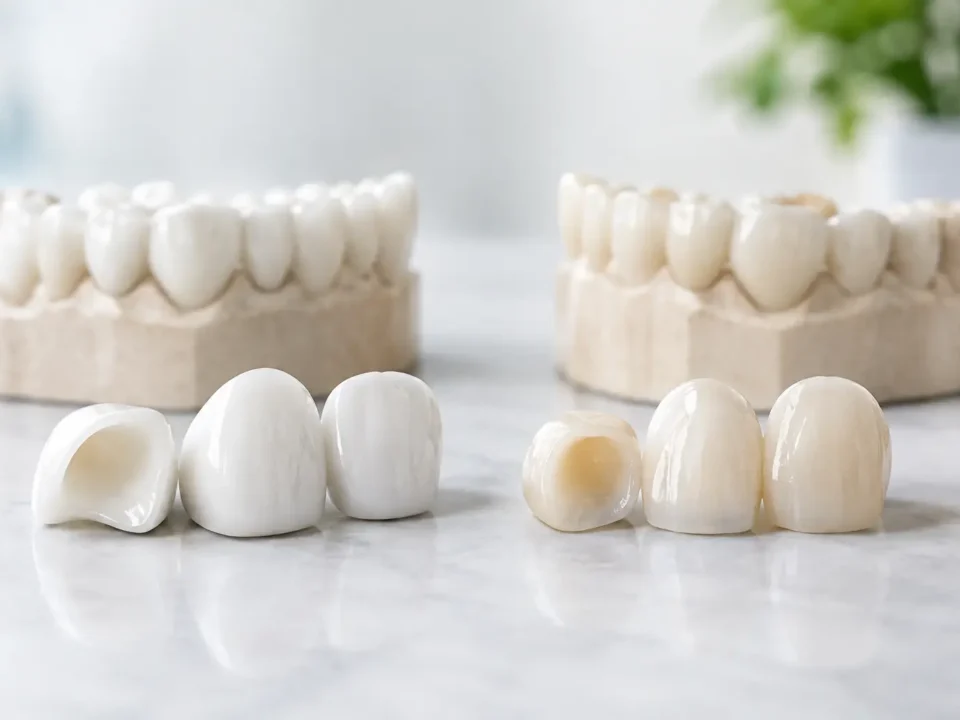
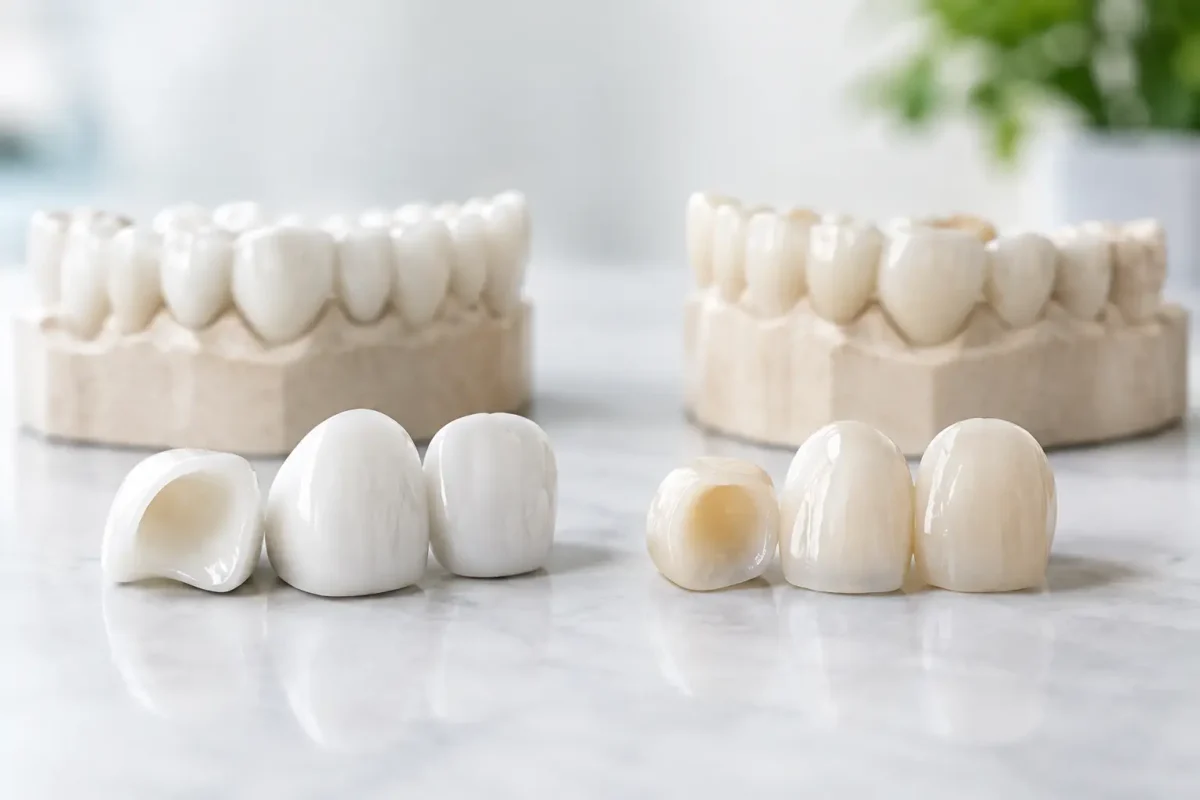
A veneer is a very thin custom shell bonded to the front surface of a tooth, usually made from porcelain or composite resin. It can alter the visible color, shape, length, proportion, or alignment of a tooth. Veneers are commonly used on the front teeth, where small imperfections can have a noticeable effect on the overall smile.
They may be suitable for teeth with stubborn discoloration that whitening cannot fully improve, minor chips, worn or irregular edges, slight gaps, or small differences in shape. They can also create a more balanced appearance when teeth are mildly uneven. The goal should be a smile that looks like it belongs to you, not one that looks uniform at every angle.
There are limits. Veneers do not correct significant crowding, a deep bite, active gum disease, untreated decay, or teeth weakened by large fillings or cracks. In those situations, orthodontic treatment, gum care, a crown, or another restorative approach may be safer and more predictable. A responsible cosmetic plan begins with a healthy foundation rather than covering a problem that needs treatment.
Porcelain or composite veneers?
Porcelain veneers are often chosen for their lifelike translucency, stain resistance, and long-term color stability. A skilled dental technician can build subtle variation into the porcelain, so the result reflects light more like natural enamel. They usually require more than one visit because the veneers are designed and fabricated individually before they are bonded.
Composite veneers are shaped directly on the teeth using tooth-colored resin. They can be a more conservative and cost-conscious choice for certain cases, especially smaller repairs or modest changes. They may also be completed more quickly. However, composite is generally more prone to staining, chipping, and surface wear than porcelain, and it may need polishing, repair, or replacement sooner.
Neither material is automatically better. The right choice depends on how many teeth are involved, your bite, your habits, the desired change, and how much maintenance you are comfortable with. During a consultation, these trade-offs should be discussed plainly rather than presented as a one-size-fits-all recommendation.
Choosing veneers in Barcelona with confidence
A veneer treatment should feel considered, not rushed. Before proposing cosmetic changes, a dentist should examine your teeth and gums, assess your bite, review any old dental work, and ask what you would like to improve. Photos, digital scans, and sometimes X-rays help identify issues that are not visible in the mirror.
The conversation about appearance is equally important. Some patients want a brighter version of their existing smile; others want to correct one tooth that draws attention. Bring reference images if they help explain your preference, but expect your dentist to guide the decision using your facial proportions, lip line, skin tone, and natural tooth color. A shade that looks striking on a screen may look artificial in daily life.
At The British Dental Clinic, this planning is designed to be clear and personal, with treatment options explained in English and other languages where needed. You should know whether treatment is reversible, how many appointments are likely, and whether a temporary restoration will be required. A written treatment plan should also distinguish between the fee for the veneers themselves and any preparatory care, such as hygiene treatment, whitening, replacement fillings, or gum contouring.
What the veneer process usually involves
The first stage is assessment and smile planning. Once you and your dentist agree on a direction, the teeth may be prepared. For conventional porcelain veneers, this often means removing a small amount of enamel to create room for the restoration. The amount varies considerably. Some cases need minimal preparation, while others need more to achieve a natural contour and avoid a bulky appearance.
So-called no-prep veneers can be appropriate in selected situations, but they are not always the most conservative choice in practice. If adding material makes the teeth look too prominent or affects the bite, a small amount of preparation may deliver a better result. The key question is not whether preparation is used, but whether it is clinically justified and explained before treatment.
After preparation, a scan or impression is used to create the veneers. Temporary veneers may be placed while the final porcelain is being made, particularly if the teeth have been significantly altered. At the final appointment, the dentist checks the fit, shape, shade, and bite before bonding each veneer. This is the moment for careful review. Once a porcelain veneer is bonded, adjustments are possible, but major changes are not simple.
Natural-looking veneers depend on proportion
The most convincing veneers are rarely the brightest or most identical. Natural teeth have tiny differences in translucency, texture, and light reflection. They also sit in proportion with the gums, lips, and neighboring teeth. A good smile design considers all of this.
This is especially relevant when treating only one or two teeth. Matching a single veneer to adjacent natural teeth requires close attention to color and surface character. In some cases, whitening your natural teeth before choosing the final veneer shade makes sense. Whitening should happen first because porcelain will not change color afterward.
Bite is another essential factor. If you clench or grind your teeth, veneers can be exposed to forces they were not designed to withstand. A night guard may be recommended to protect both the veneers and your natural teeth. It is a small addition that can make a meaningful difference to the longevity of your investment.
Caring for veneers after treatment
Veneers do not require complicated care, but they do require consistent care. Brush twice daily with a non-abrasive toothpaste, clean between your teeth every day, and attend regular examinations and hygiene visits. Healthy gums create the frame for every cosmetic result, so bleeding or inflammation should never be ignored.
Porcelain resists most stains, yet the natural teeth around it can still darken over time. Coffee, red wine, tobacco, and strongly colored foods can affect the overall shade of your smile, particularly if your veneers sit beside untreated teeth. Avoid using your front teeth to open packaging, bite nails, or hold hard objects. Veneers are durable restorations, not tools.
Even excellent veneers are not permanent. Their lifespan varies with the material, bonding conditions, bite forces, oral hygiene, and everyday habits. A veneer may eventually need repair or replacement, which is another reason to choose a shape and shade you will be comfortable maintaining over time.
Questions worth asking before you decide
Before committing to veneers, ask how much natural enamel will be removed, why that level of preparation is recommended, and what alternatives could achieve part of your goal. Ask to see how the proposed changes will be planned, whether temporaries are included, and what follow-up care is expected.
It is also reasonable to ask about the laboratory work, the material being used, and what happens if a veneer chips, comes loose, or no longer matches surrounding teeth in the future. Clear answers are a sign that your treatment is being planned for the long term, not simply for the final photo.
The right veneer plan should leave you feeling informed rather than pressured. When your dentist takes time to understand the smile you want and the teeth you already have, the result can be refined, comfortable, and unmistakably your own.