What Causes Tooth Sensitivity Pain?
junio 26, 2026
How to Treat Gum Recession Effectively
junio 30, 2026
A beautiful smile is rarely about having perfectly white, perfectly straight teeth. Most patients want something more specific – a smile that looks healthy, balanced, and natural on their face. That is where a guia diseño de sonrisa becomes useful. It helps you understand what changes are possible, which treatments may be involved, and how to make decisions with confidence instead of guessing based on photos online.
For many adults, smile design is not one treatment. It is a personalized plan that may combine whitening, bonding, veneers, orthodontics, gum contouring, crowns, or implants depending on what needs to improve. The right approach depends on your facial features, bite, tooth health, budget, and timeline. A good plan is not built around trends. It is built around what will look right on you and stay stable over time.
What a smile design plan actually means
When patients hear the phrase smile design, they sometimes imagine a cosmetic makeover focused only on appearance. In reality, the best results come from balancing esthetics with function. Tooth shape, gum levels, symmetry, color, and alignment all matter, but so do bite forces, enamel condition, and long-term maintenance.
A proper smile design plan starts with an assessment of your current smile and your goals. Some people want a brighter, fresher look with very conservative treatment. Others are dealing with worn teeth, old dental work, spacing, missing teeth, or uneven gums. These cases need a broader plan, often completed in stages.
That is why there is no single formula. Two patients can ask for a «better smile» and need completely different solutions.
Guia diseño de sonrisa: the key factors dentists evaluate
Before recommending treatment, a dentist usually looks at the smile from several angles. Tooth color is one part of the picture, but not the only one. Size and proportion matter just as much. Teeth that are too short, too square, or uneven at the edges can make a smile look older or less harmonious, even if they are white.
Gum display is another major factor. If the gum line is uneven or too prominent, the teeth may appear smaller than they really are. Alignment also changes how the smile reads. Slight crowding or rotation can sometimes be corrected with bonding or veneers, but in other cases orthodontics is the better and safer option.
The bite matters more than many patients expect. If front teeth are chipping, wearing down, or meeting in a way that puts them under strain, cosmetic work alone may not last well. This is one of the most common reasons a careful treatment plan matters. A smile can look good on the day it is finished and still fail early if the function has been ignored.
Which treatments may be part of smile design
The simplest cases may need only whitening and minor reshaping. This works well for patients whose teeth are already healthy and reasonably aligned but have staining or small irregularities.
Composite bonding is often chosen when changes are modest. It can improve shape, close small gaps, and repair chips with minimal removal of natural tooth structure. It is usually more affordable than porcelain, but it may stain or wear faster over the years.
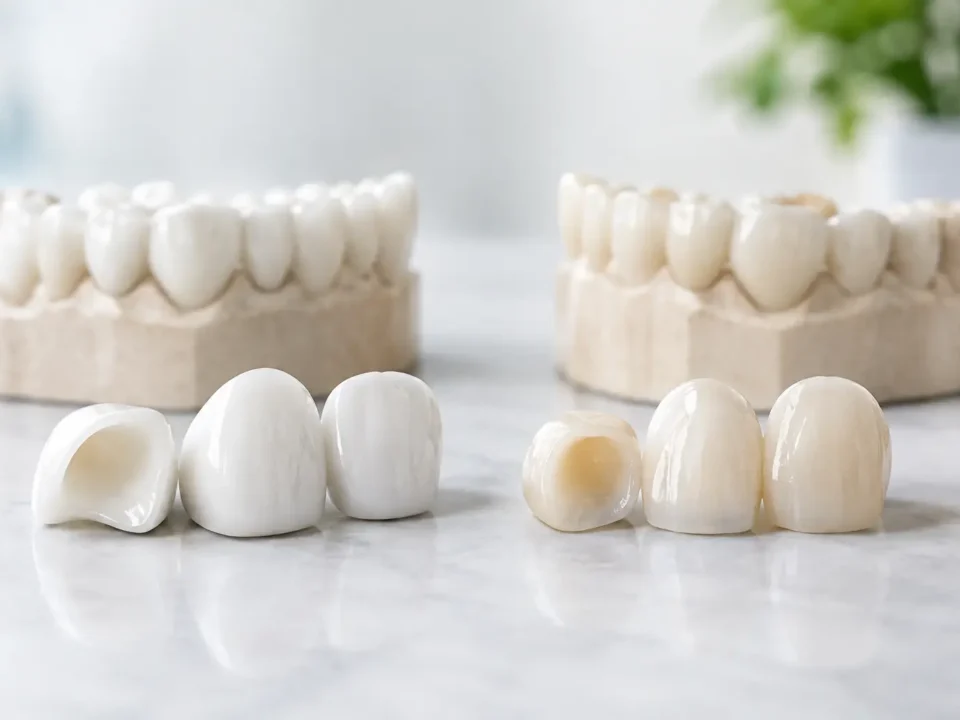
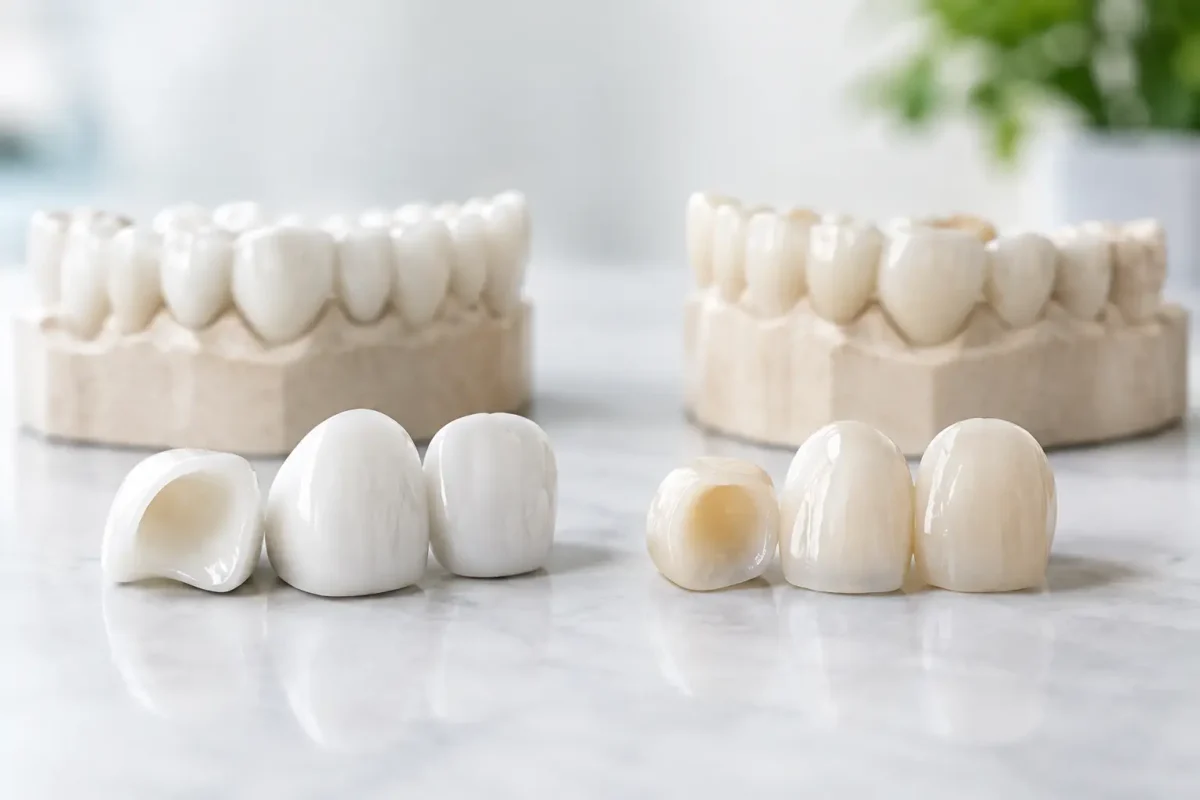
Porcelain veneers are a popular option when a larger esthetic change is needed. They can adjust color, shape, and apparent alignment with very refined results. Veneers can be excellent in the right case, but they are not automatically the best choice for everyone. If your bite is unstable or your expectations are too extreme, another route may be wiser.
Orthodontics may be the better foundation when the main problem is position rather than color or shape. Moving teeth first can reduce the need to prepare healthy enamel later. It also tends to create a more conservative long-term result.
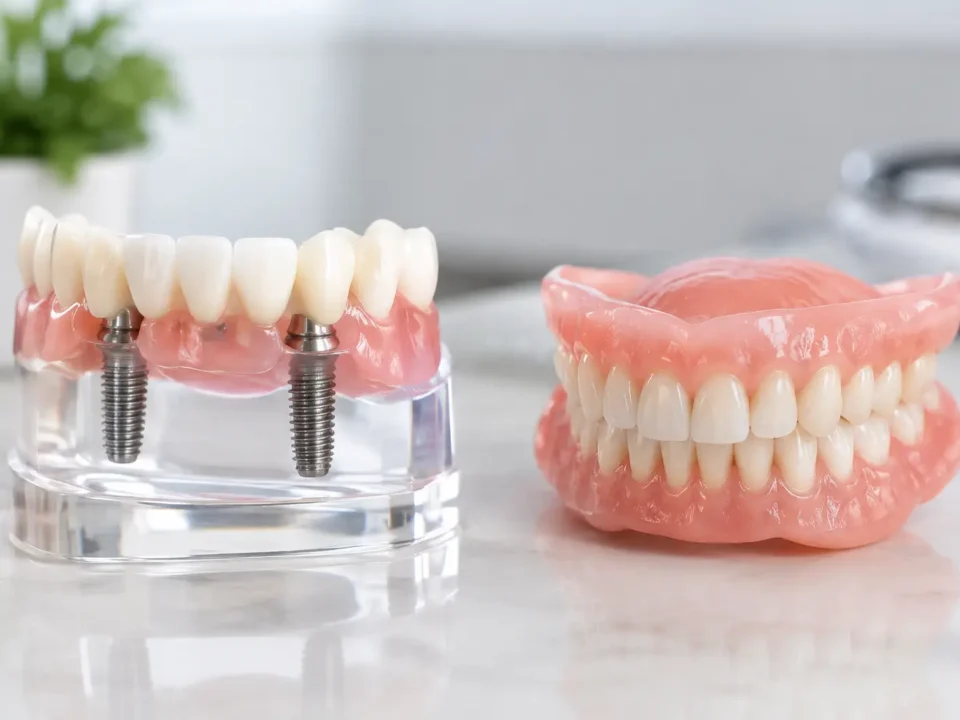
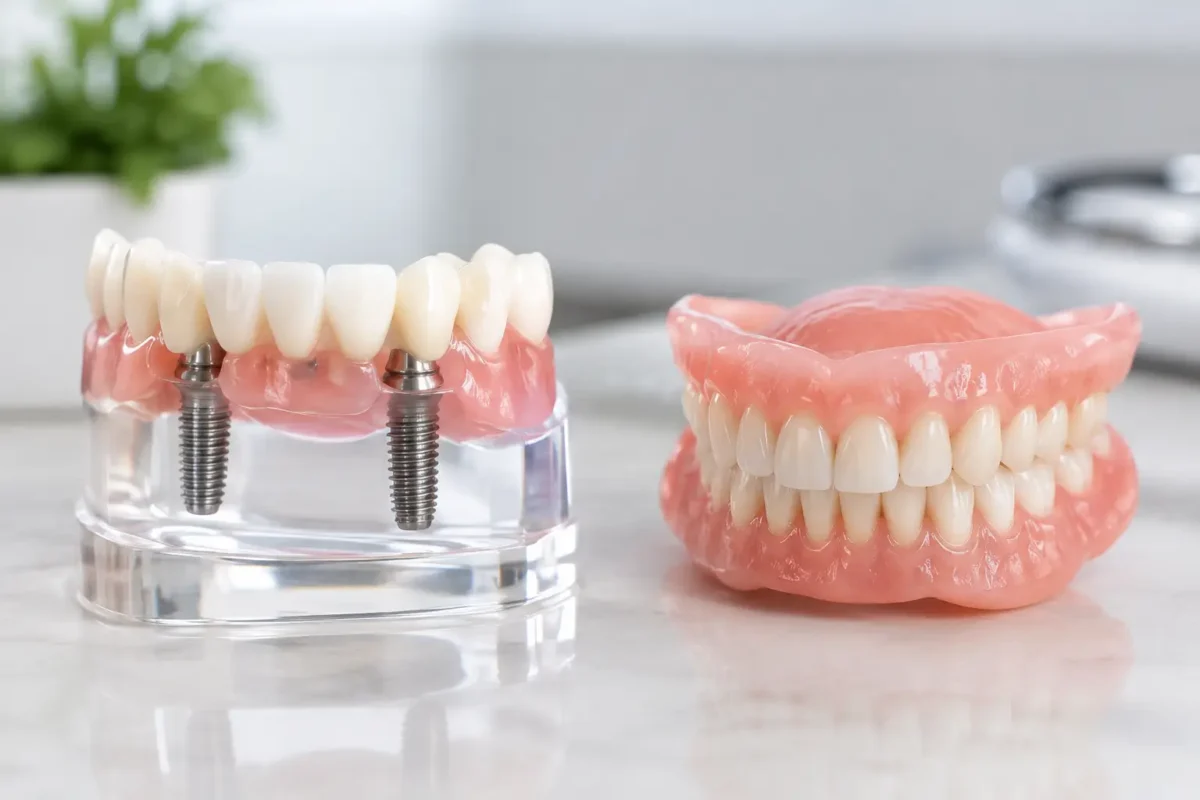
Some smiles need restorative work rather than purely cosmetic treatment. Crowns may be recommended for heavily damaged teeth. Implants can replace missing teeth. Gum contouring may improve balance when the gum line distracts from the teeth. In more complex cases, these treatments are combined carefully rather than rushed.
Digital planning and mock-ups
One of the most reassuring parts of modern smile design is being able to preview the plan before treatment moves forward. Digital photographs, scans, and smile analysis help the dentist study symmetry, proportions, and how the teeth relate to the lips and face.
In many cases, a mock-up or trial design can also be created. This gives you a better sense of shape and length before committing to the final result. It is especially helpful for veneers or more visible changes, because small differences can have a big effect on how natural the smile looks.
This stage is also where communication matters most. Patients often say they want a «natural» result, but natural means different things to different people. For one person, it means subtle brightening and softer edges. For another, it means a more polished, symmetrical smile that still avoids an artificial look. Clear discussion prevents disappointment later.
How long smile design takes
Timelines vary a lot. Whitening or bonding may be completed quickly, while orthodontic movement, implants, or restorative treatment can take months. If gum healing or bite adjustment is needed, the process may be staged for a reason.
This can be frustrating for patients who want a quick transformation before an event, but faster is not always better. A wedding, relocation, or work deadline may affect how treatment is sequenced, yet the plan still needs to respect biology. Good dentistry is efficient, but not rushed.
For international patients or busy professionals, a structured treatment plan with clear milestones is especially valuable. It makes scheduling easier and helps you understand what can realistically be completed in one visit, a few visits, or a longer series of appointments.
What affects cost in a guia diseño de sonrisa
Cost depends on complexity, materials, and the number of treatments involved. A conservative plan with whitening and bonding is very different from a full veneer case or a multidisciplinary treatment that includes implants, gum work, and restorations.
The cheapest option is not always the most economical long term. Bonding may have a lower upfront cost but require more maintenance. Porcelain usually offers greater stain resistance and durability, but at a higher initial investment. Orthodontics may lengthen the process but reduce the amount of restorative work needed later.
This is where transparency matters. Patients should understand not only the fee, but also what is included, how long results are expected to last, and what maintenance is likely over time. A confident decision usually comes from clarity, not pressure.
How to choose the right clinic and plan
If you are considering smile design, look for a clinic that explains options in plain language and does not push a one-size-fits-all package. You should feel that your concerns are being heard, whether they are about appearance, function, budget, or anxiety.
Ask how the plan is developed, whether digital previews are used, and what alternatives exist. It is also reasonable to ask what would happen if you chose a more conservative option first. A thoughtful clinician will explain the trade-offs honestly.
For many international patients in Barcelona, communication is part of the treatment itself. If you are discussing cosmetic and restorative choices, details matter. Being able to talk through shape, shade, timelines, and costs clearly can make the whole experience calmer and more predictable. That patient-centered approach is one reason many people choose clinics such as The British Dental Clinic when planning more visible dental work.
When a natural result should be the goal
The best smile design is usually the one people notice without immediately identifying why. Teeth should suit your face, your age, your expressions, and even your personality. Overly opaque veneers, shapes that are too uniform, or whitening that ignores skin tone can make the result feel disconnected.
That does not mean every smile should be understated. Some patients genuinely want a brighter, more polished esthetic, and that can look excellent when it is designed carefully. The point is not to copy someone else’s smile. It is to create a result that feels believable and comfortable when you speak, laugh, and see yourself in everyday life.
If you are starting to research cosmetic dentistry, think of smile design less as a makeover and more as a planning process. The strongest results come from clear diagnosis, honest conversations, and treatment choices that respect both appearance and long-term health. A smile should not just photograph well. It should feel like you.