Planificación dental transparente, explained
septiembre 8, 2026
How to Improve Gum Health and Protect Your Smile
septiembre 12, 2026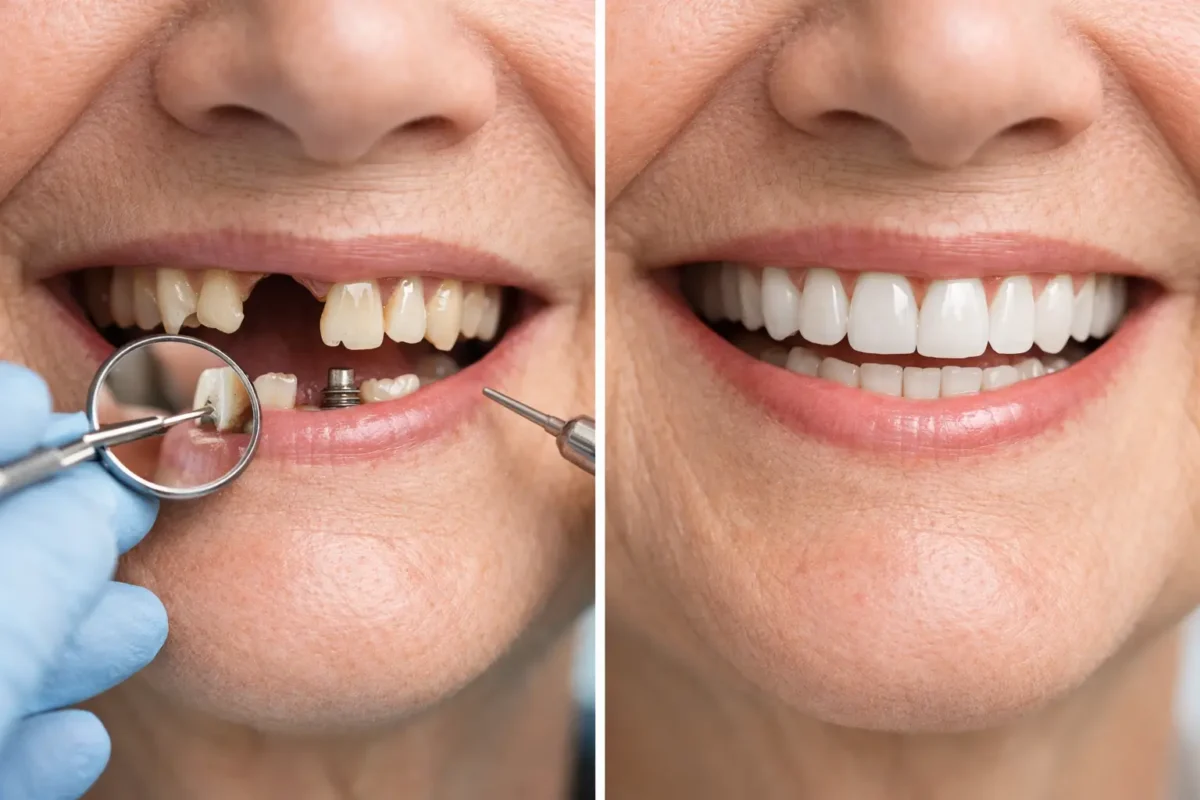
A missing tooth can change far more than a photograph. It may make you cover your mouth when you laugh, avoid chewing on one side, or worry that a visible gap is affecting how others see you. An implant case before and after often shows a dramatic cosmetic change, but the most meaningful result is usually the return of comfort, confidence, and reliable everyday function.
Dental implant results are highly individual. The quality of the bone and gums, the position of the missing tooth, your bite, and the condition of nearby teeth all influence the treatment plan. Looking beyond a single “before” and “after” image helps you understand what creates a result that looks natural and is built to last.
What an implant case before and after really shows
The “before” stage is not always simply an empty space. Some patients have a tooth that is cracked beyond repair, heavily restored, infected, loose, or worn down after years of pressure. Others have worn a bridge or removable denture and want a more fixed, stable solution. In cases where a tooth has been missing for some time, the surrounding bone and gum tissue may also have changed.
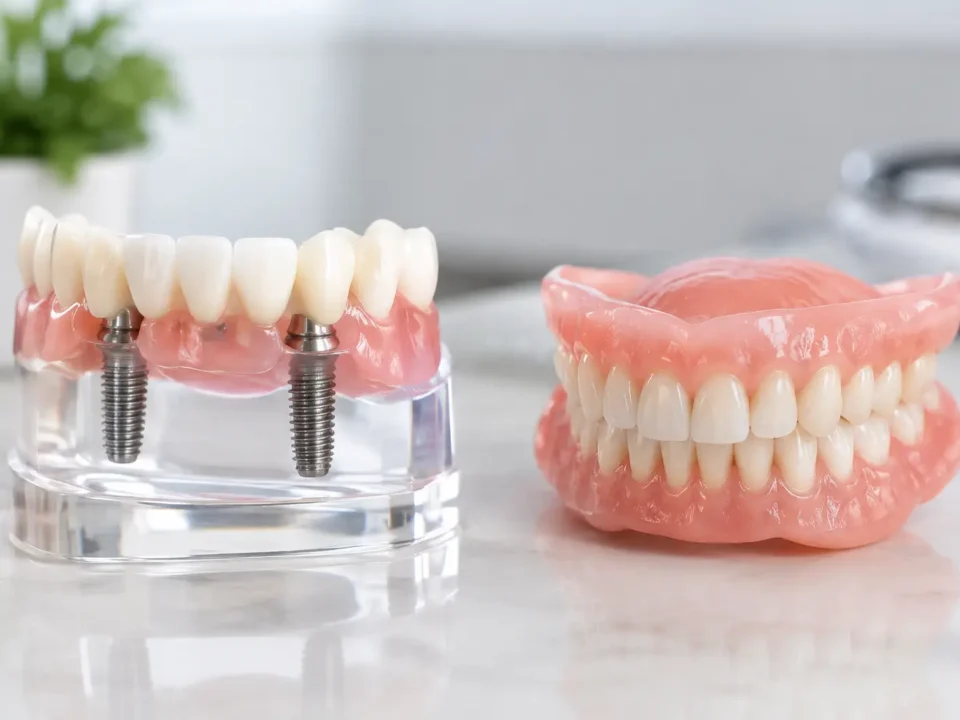
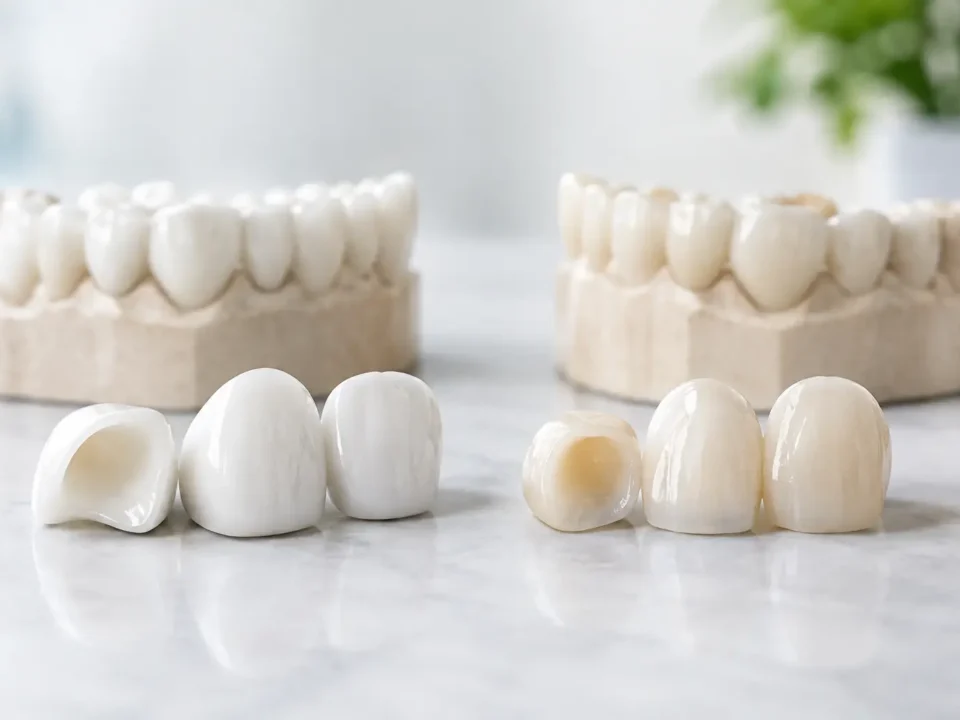
The “after” image usually shows a crown designed to match the neighboring teeth in shape, shade, and proportion. Underneath it is the implant, a small titanium fixture placed in the jawbone to act as a replacement tooth root. Once the implant has integrated with the bone, it supports a custom crown through a connecting component called an abutment.
A successful result should not look like the brightest or most perfectly uniform tooth in the smile. It should look as though it belongs there. That means considering the subtle color variations in natural enamel, the contours of the gumline, and how the crown appears when you speak and smile.
The changes patients notice beyond appearance
A well-planned implant can restore chewing efficiency and reduce the inconvenience of a removable appliance. For a single missing tooth, it can also avoid the need to file down healthy neighboring teeth, as is typically required for a conventional bridge.
Patients often describe the change in practical terms: eating with more confidence, speaking without worrying about movement, or no longer being conscious of a gap in photos. For someone replacing a failing front tooth, the emotional relief can be just as significant as the functional improvement.
However, an implant does not feel exactly the same as a natural tooth in every respect. Natural teeth have a periodontal ligament that provides a degree of sensory feedback and tiny movement. An implant is fixed directly to the bone, so it does not have that ligament. Most patients adapt very well, but a precise bite adjustment is essential to prevent excessive force on the new crown.
Rebuilding support for the smile
When a tooth is lost, the bone in that area can gradually shrink because it no longer receives stimulation from the tooth root. This can affect the fit of a future implant and, particularly in the front of the mouth, the appearance of the gums and lips.
For this reason, some implant cases include bone grafting or procedures to improve gum volume and contour. These stages can make treatment longer, but they may be the difference between a crown that merely fills a space and one that blends naturally into the smile. In other cases, the bone is healthy and sufficient, allowing implant placement without grafting.
What happens between before and after
The finished crown is the visible part of treatment, but careful planning comes first. Your dentist will assess your medical and dental history, gums, bite, existing restorations, and the health of the surrounding teeth. Digital imaging allows the team to evaluate bone volume, identify important anatomical structures, and plan the position of the implant with precision.
Guided implant surgery may be recommended when it is appropriate for the case. A digitally planned surgical guide helps place the implant according to the ideal restorative position, rather than simply placing it where bone appears available. This matters because the final crown needs enough space, balanced bite contacts, and a natural emergence through the gums.
After placement, the implant needs time to integrate with the bone. Depending on the site and your clinical situation, a temporary tooth may be possible while healing takes place. In selected cases, an immediate or same-day temporary solution can be considered. This is not automatically the best choice for everyone, especially if the implant needs to heal without pressure from biting.
Once healing is complete, detailed records are taken to create the final crown. The dentist checks the shade, shape, contact points, bite, and gum response before the restoration is finalized. This measured approach is why a high-quality result can take several appointments and months rather than a single visit.
Why timelines vary from one case to another
It is understandable to ask how quickly an implant can be completed, especially when a front tooth is involved. The honest answer is that it depends. A straightforward single implant with healthy bone and gums may move through treatment more quickly than a case involving infection, gum disease, bone loss, or multiple missing teeth.
Immediate implant placement, where an implant is placed at the same appointment as an extraction, can be an excellent option in the right circumstances. It may reduce the number of surgical procedures and help preserve the site. But it requires adequate bone, controlled infection, good implant stability, and a bite that can be managed safely. It is not a shortcut that should be applied to every extraction.
For patients who have delayed treatment for years, preparatory care can be worthwhile. Treating gum disease, replacing failing restorations, or completing a bone graft first creates a more predictable foundation. A transparent treatment plan should explain each stage, why it is needed, the expected timeline, and the costs involved before treatment begins.
How to judge a natural-looking implant result
Before-and-after photos can be useful, but they should be viewed with a critical eye. A close-up picture may show a lovely crown while hiding whether the bite is stable, the gums are healthy, or the surrounding teeth have been considered. The best results combine aesthetics with long-term function.
When discussing your own case, ask how the crown will be matched to your smile, whether any gum or bone treatment may be needed, and what temporary options are available. It is also reasonable to ask how the implant will be protected if you grind your teeth or play contact sports. A night guard may be recommended for people who clench or grind, since implants and crowns can be damaged by excessive force just as natural teeth can.
At The British Dental Clinic, implant planning is centered on clear explanations as well as digital precision. For international patients in Barcelona, being able to discuss timing, options, and aftercare in clear English can make a complex treatment feel far more manageable.
Caring for the result after treatment
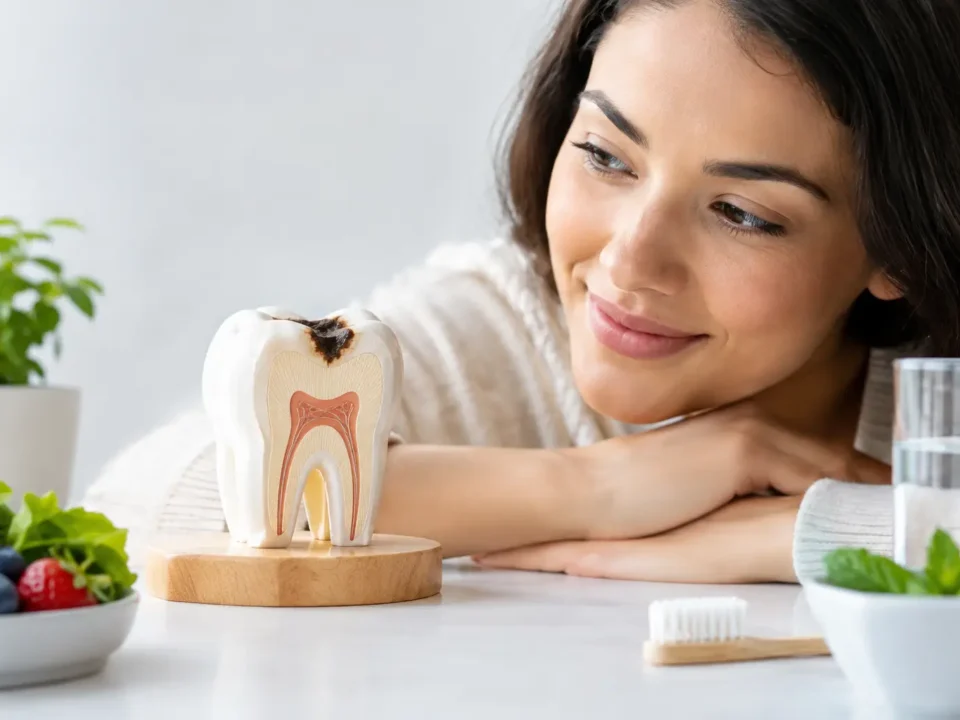
An implant cannot develop a cavity, but the gum and bone around it still require daily care. Plaque can cause inflammation around an implant, known as peri-implant mucositis, and if untreated, this may progress to bone loss around the implant. Good home care and regular professional reviews are part of protecting your investment.
Brush carefully along the gumline, clean between teeth with the tools recommended for your specific restoration, and attend hygiene appointments as advised. The ideal cleaning aid may be floss, an interdental brush, a water flosser, or a combination. The right choice depends on the shape of the crown and the spaces around it.
Contact your dentist if you notice bleeding, swelling, persistent discomfort, a change in how your teeth meet, or any movement in the crown. Early assessment is always preferable to waiting for a small concern to become a larger one.
The strongest implant case before-and-after result is one that still feels comfortable and looks at home in your smile years later. A thoughtful consultation is the place to begin: not with a promise of a perfect picture, but with a plan designed for your health, your timeline, and the way you want to live every day.