Implant Case Before and After: What Changes?
septiembre 10, 2026
A Guide to Treating Tooth Loss and Your Options
septiembre 14, 2026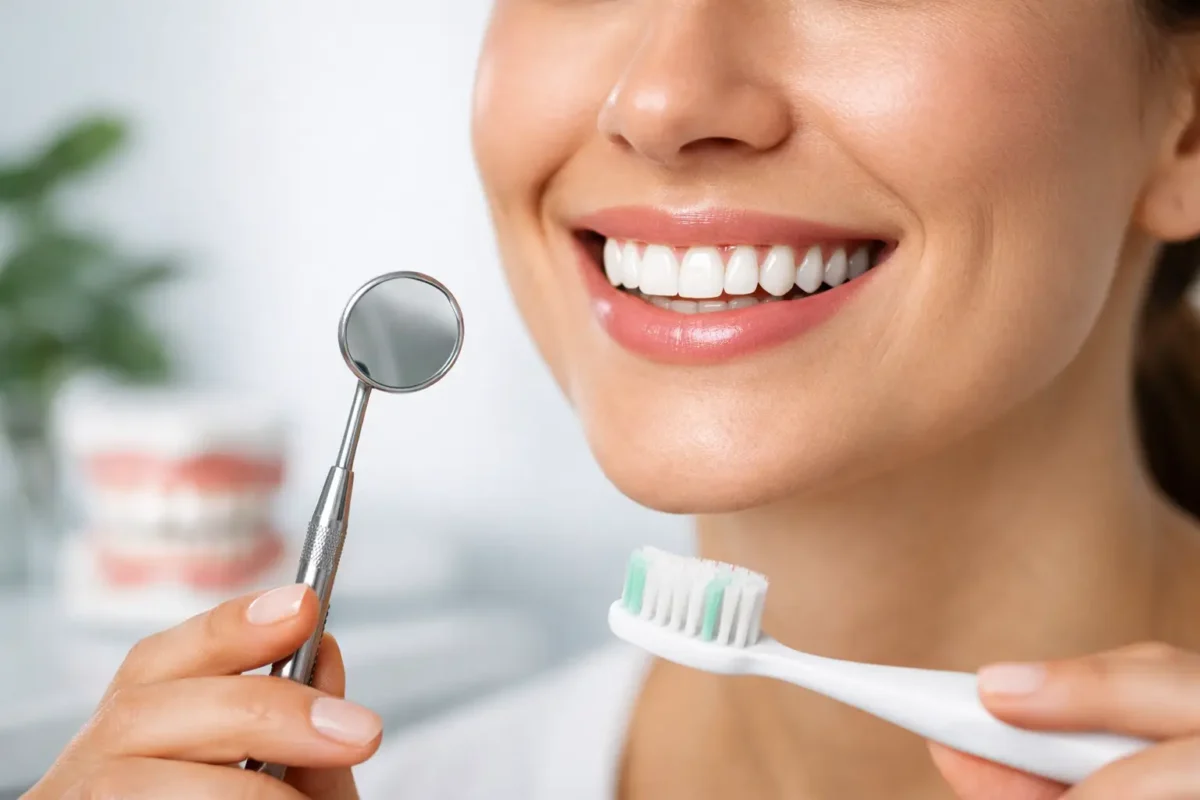
A little blood in the sink after brushing is easy to dismiss, especially when life is busy or you have recently changed toothbrushes. But healthy gums generally do not bleed. Learning how to improve gum health starts with recognizing that your gums are not simply the background to your teeth. They are the foundation that helps keep teeth stable, comfortable, and functional for years to come.
Gum problems often begin quietly. Plaque, a sticky bacterial film, collects around the gumline every day. If it is not removed thoroughly, the gums can become irritated and inflamed. The encouraging news is that early gum inflammation, known as gingivitis, can usually be reversed with consistent home care and professional hygiene support.
Why gum health deserves attention
When gums are healthy, they fit snugly around the teeth and do not feel sore, swollen, or prone to bleeding. Gingivitis may cause redness, tenderness, bad breath, or bleeding when you brush or floss. It is common, but it should not be treated as normal.
Without treatment, inflammation can progress to periodontitis, or gum disease. This is more serious because it can damage the bone and supporting tissues around the teeth. Unlike gingivitis, that lost support cannot simply grow back through better brushing. Periodontitis can lead to gum recession, loose teeth, changes in how your teeth meet, and eventually tooth loss.
The goal is not perfection. It is to remove plaque consistently, spot changes early, and receive care before a small problem becomes a more involved one.
How to improve gum health at home
A reliable daily routine matters more than an expensive bathroom cabinet. The best approach is gentle, thorough, and realistic enough to maintain while traveling, working long hours, or caring for a family.
Brush the gumline, not just the teeth
Brush twice a day for two minutes using a soft-bristled toothbrush and fluoride toothpaste. Hold the brush at a slight angle toward the gumline and use small, controlled movements. This helps clean the narrow area where plaque tends to collect without scrubbing the gums aggressively.
Hard brushing does not mean better cleaning. In fact, pressing too firmly can irritate the gums and contribute to recession over time. If the bristles of your toothbrush flatten quickly, you may be using too much pressure. An electric toothbrush with a pressure sensor can be helpful, but a manual brush used carefully can work very well too.
Replace your toothbrush head or toothbrush about every three months, or sooner when the bristles become worn.
Clean between your teeth every day
A toothbrush cannot reach all the surfaces where teeth touch. Daily interdental cleaning is one of the most effective habits for reducing plaque between teeth and along the gums.
Dental floss is often a good choice where spaces are tight. Interdental brushes may be more effective for larger spaces, around bridges, or in areas of gum recession. The right size should slide in with light resistance, not force. If you have implants, braces, a fixed bridge, or a history of gum disease, your dentist or hygienist can show you the method and tools that suit your mouth.
Some bleeding may occur when you first begin cleaning areas that have been inflamed. Continue gently and consistently. If bleeding does not improve after one to two weeks, arrange a dental assessment rather than stopping the habit.
Use mouthwash thoughtfully
Mouthwash can make your mouth feel fresh, but it does not replace brushing or cleaning between the teeth. An alcohol-free fluoride mouthwash may be useful for cavity prevention, while certain antibacterial rinses may be recommended for short periods after dental treatment or when gum inflammation is active.
The right choice depends on your needs. Some stronger rinses can cause staining or affect taste if used for too long, so they should be used exactly as advised. A personalized recommendation is more useful than choosing based on a label alone.
Support your gums with everyday choices
Your gums respond to more than brushing. Smoking and vaping can mask bleeding while increasing the risk of gum disease and slowing healing after treatment. If you smoke, reducing or stopping is one of the most meaningful changes you can make for both your oral and general health.
A balanced diet also supports healthier gums. Frequent sugary snacks and drinks feed the bacteria that form plaque, while dry mouth reduces the protective role of saliva. Drink water regularly, particularly after coffee, alcohol, or acidic drinks. If you take medication that causes dry mouth, mention it at your appointment so your dental team can suggest practical ways to protect your teeth and gums.
Stress, diabetes, hormonal changes, and some medications can affect the gums as well. This does not mean gum disease is inevitable. It does mean that regular reviews and a tailored prevention plan can be especially valuable.
Know the signs that call for professional care
Do not wait for pain. Gum disease is often painless in its early stages. Book a checkup if you notice bleeding that persists, swollen or receding gums, ongoing bad breath, pus around a tooth, sensitivity near the gumline, or a tooth that feels different when you bite.
A dental examination can identify whether the issue is simple gingivitis, tartar buildup that cannot be removed at home, or signs of periodontitis. Your dentist may measure the spaces between your gums and teeth, assess bone levels, and discuss the factors affecting your risk. Clear explanations matter here, because treatment should never feel like a surprise.
For early inflammation, a professional hygiene appointment may be all that is needed alongside improved home care. Airflow hygiene can gently remove plaque and surface staining in suitable cases, helping leave teeth feeling exceptionally clean. If gum disease is more advanced, care may include deeper cleaning below the gumline, periodontal monitoring, or, in selected cases, periodontal surgery. The right treatment depends on the condition of the gums, not on a one-size-fits-all schedule.
Keep up with maintenance after treatment
Gum treatment is not a one-time reset. Once inflammation has settled, regular maintenance helps prevent it from returning. Your ideal recall interval may be every three, four, or six months depending on your gum health, home-care routine, smoking status, medical history, and the presence of implants or restorations.
This is particularly relevant for people with dental implants. Implants cannot develop cavities, but the gums and bone around them can still become inflamed. Early care for bleeding around an implant can help protect the long-term result.
At The British Dental Clinic, preventive appointments are designed to give patients time for clear, calm guidance, whether you need help refining your routine or a more detailed periodontal assessment. Understanding what is happening and why makes it easier to follow a plan with confidence.
A healthier gum routine can start tonight
Brush gently and thoroughly before bed, clean between your teeth, and pay attention to bleeding rather than brushing it off. If your gums have been sending small signals for a while, a professional checkup can offer reassurance and a clear next step. Healthy gums are built through ordinary habits repeated consistently, with the right support when you need it.