General Dental Checkup Checklist
julio 6, 2026
Señales de enfermedad periodontal a tiempo
julio 10, 2026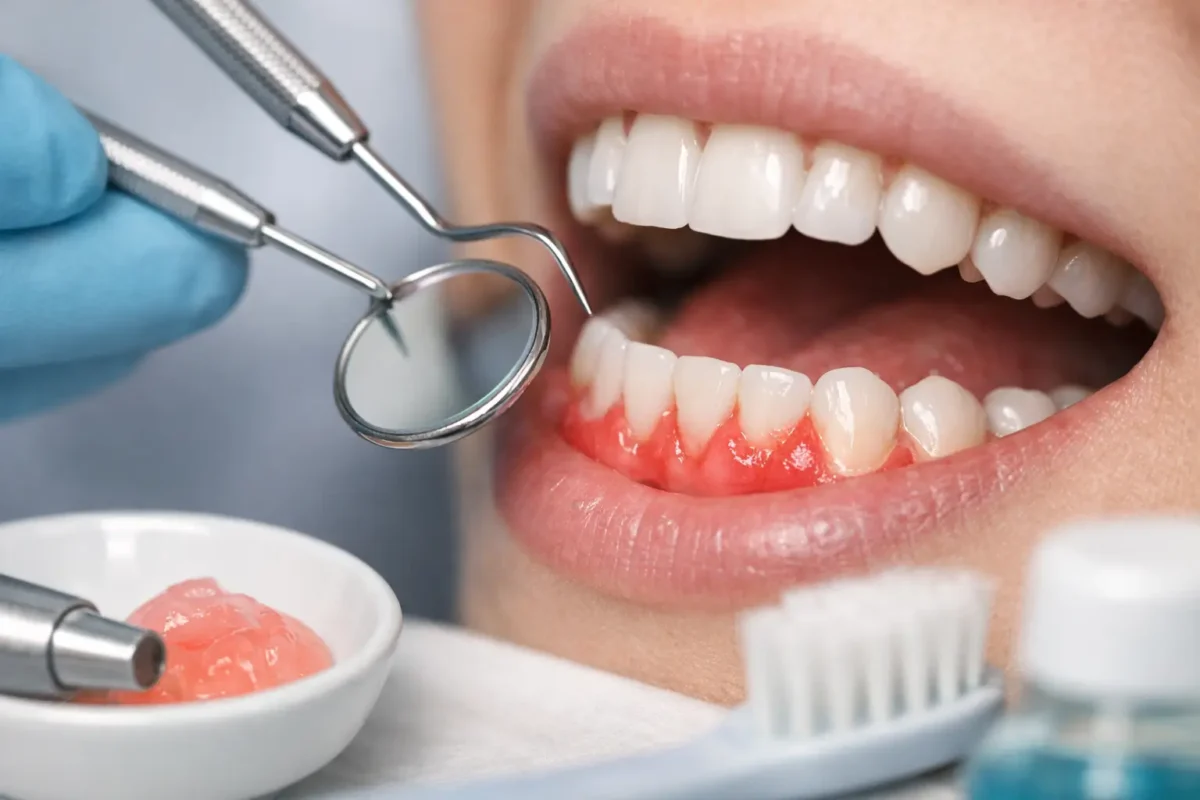
If your gums look puffy, bleed when you brush, or feel tender for more than a day or two, it is worth paying attention. When people search for encías inflamadas tratamiento, they are usually hoping for a quick fix. Sometimes a mild case does improve with better home care, but swollen gums can also be an early sign of gum disease that needs professional treatment.
The key is not to guess. Inflamed gums can come from plaque buildup, aggressive brushing, hormonal changes, mouth breathing, poorly fitting dental work, or an infection around a tooth. The right treatment depends on the cause, how long the symptoms have been present, and whether there is bleeding, pain, bad breath, or gum recession.
Encías inflamadas: tratamiento según la causa
Gum inflammation is not one single condition. It is a symptom, and that matters because the treatment for a temporary irritation is very different from the treatment for gingivitis or periodontitis.
If plaque and tartar are the cause, the most effective treatment is a professional dental cleaning combined with improved brushing and flossing at home. Plaque is soft and can be removed daily, but once it hardens into tartar, it needs professional instruments. In many cases, this is why gums stay swollen even when someone starts brushing more carefully.
If the inflammation is linked to gingivitis, early treatment is usually straightforward. Gingivitis affects the gums without yet damaging the supporting bone around the teeth. At this stage, treatment often includes a hygiene appointment, advice on oral care technique, and sometimes a follow-up to check that the tissues are healing properly. The encouraging part is that gingivitis is usually reversible when treated promptly.
If the problem has progressed to periodontitis, treatment becomes more involved. Periodontitis means the infection has moved deeper, affecting the structures that support the teeth. Here, cleaning above the gums is not enough. You may need deep cleaning below the gumline, ongoing periodontal care, and in some cases additional procedures to stabilize the gums and bone.
Sometimes swollen gums are localized around one tooth. That can point to a trapped food particle, a cracked tooth, an abscess, or irritation from a crown, filling, or orthodontic appliance. In those situations, treatment is not really about the gums alone. The dentist has to address the source of the irritation.
What you can do at home before your appointment
Home care can help calm mild inflammation, but it should be viewed as first aid, not a replacement for diagnosis. Brush gently twice a day with a soft-bristled toothbrush and fluoride toothpaste. If your gums are sore, it is tempting to avoid the area, but plaque will build up faster when cleaning becomes inconsistent.
Floss or use interdental cleaners once a day, especially if bleeding happens between the teeth. A small amount of bleeding at first does not always mean you should stop. In many cases, it reflects inflammation already present in the tissues.
A warm saltwater rinse can be soothing for irritated gums. It will not remove tartar or cure gum disease, but it may reduce discomfort temporarily. Drinking enough water also helps, particularly if dry mouth or mouth breathing is making the irritation worse.
What is less helpful is trying multiple over-the-counter products at once. Strong mouthwashes, whitening products, and harsh brushing can make inflamed gums feel more irritated. If the gums are swollen for more than a few days, or if symptoms keep coming back, professional evaluation is the safer route.
Signs that swollen gums need prompt dental treatment
Some gum inflammation is mild and short-lived. Some is not. The difference often shows up in the pattern of symptoms.
If your gums bleed regularly, look red rather than pink, feel spongy, or are pulling away from the teeth, it is time to schedule a dental visit. Persistent bad breath, a bad taste in the mouth, loose teeth, or sensitivity around the gumline can also suggest infection below the surface.
Pain matters too, but the absence of pain does not mean the problem is minor. Early gum disease is often more noticeable through bleeding and swelling than through actual discomfort. That is one reason people delay treatment longer than they should.
You should also seek prompt care if swelling is sudden, severe, or focused around one tooth, especially if there is pus, throbbing pain, or facial swelling. Those signs can indicate an acute infection that needs urgent attention.
Professional encías inflamadas tratamiento options
At the dental office, treatment starts with identifying the reason your gums are inflamed. A clinical exam may include measuring the gum pockets around the teeth, checking for tartar deposits, reviewing existing dental work, and taking X-rays if deeper infection is suspected.
For mild to moderate inflammation caused by plaque buildup, a professional hygiene appointment is often the first step. This removes plaque and tartar from the teeth and along the gumline. Many patients notice that their gums bleed less and feel firmer within days of a thorough cleaning, provided they maintain good oral hygiene at home.
If there are signs of periodontitis, deep cleaning may be recommended. This treatment targets bacteria and deposits below the gums, where routine cleaning cannot reach. Depending on the extent of the condition, it may be completed over one or more visits. Some patients also need a maintenance plan with more frequent periodontal cleanings to keep the disease under control.
When swollen gums are linked to a dental restoration that does not fit properly, the solution may involve adjusting or replacing that work. If an infection is coming from the tooth itself, root canal treatment or extraction may be necessary. If gum overgrowth is caused by medication or a chronic issue with the gum contour, a more tailored periodontal approach may be discussed.
This is where clear communication matters. The best treatment plan is not just clinically correct. It should also be explained in a way that helps you understand what is happening, what can wait, and what should be treated now.
Why swollen gums often come back
Recurring gum inflammation usually means the underlying cause has not been fully addressed. Sometimes the issue is technique. People may brush twice a day but miss the gumline or skip cleaning between the teeth. Sometimes it is anatomy. Crowded teeth, deep pockets, or older dental work can make plaque harder to remove.
There are also lifestyle and health factors. Smoking, stress, diabetes, hormonal changes, dry mouth, and certain medications can all affect the gums. If you have repeated flare-ups despite trying to keep your mouth clean, that does not mean you are doing everything wrong. It may simply mean you need a more customized prevention plan.
For many adults, especially those balancing work, travel, and a busy schedule, gum symptoms get pushed down the list until they become impossible to ignore. That is understandable. Still, early treatment is almost always simpler, more comfortable, and less expensive than waiting for the condition to advance.
When to see a dentist instead of waiting
A good rule is this: if the swelling lasts more than a week, returns often, or comes with bleeding, pain, or bad breath, book an exam. If you wear aligners, braces, a nightguard, crowns, or implants, mention that too, since these details can help identify the source of irritation.
For international patients and expats, one of the biggest barriers is not always cost or time. It is uncertainty. People postpone care because they are not sure how serious the problem is or worry they will not get a clear explanation. A clinic that takes time to explain findings, treatment options, and costs in plain English can make the decision much easier.
At The British Dental Clinic in Barcelona, that kind of clarity is part of the patient experience. For anyone dealing with swollen gums, reassurance matters, but so does precision. You want to know whether you need a simple cleaning, periodontal treatment, or care for a specific tooth problem, and you want that answer without confusion.
Healthy gums should not bleed every morning or feel sore every time you brush. If your gums have been trying to get your attention, listening early is often the best treatment of all.