A Guide to Treating Tooth Loss and Your Options
septiembre 14, 2026
How to Choose a Dental Crown With Confidence
septiembre 18, 2026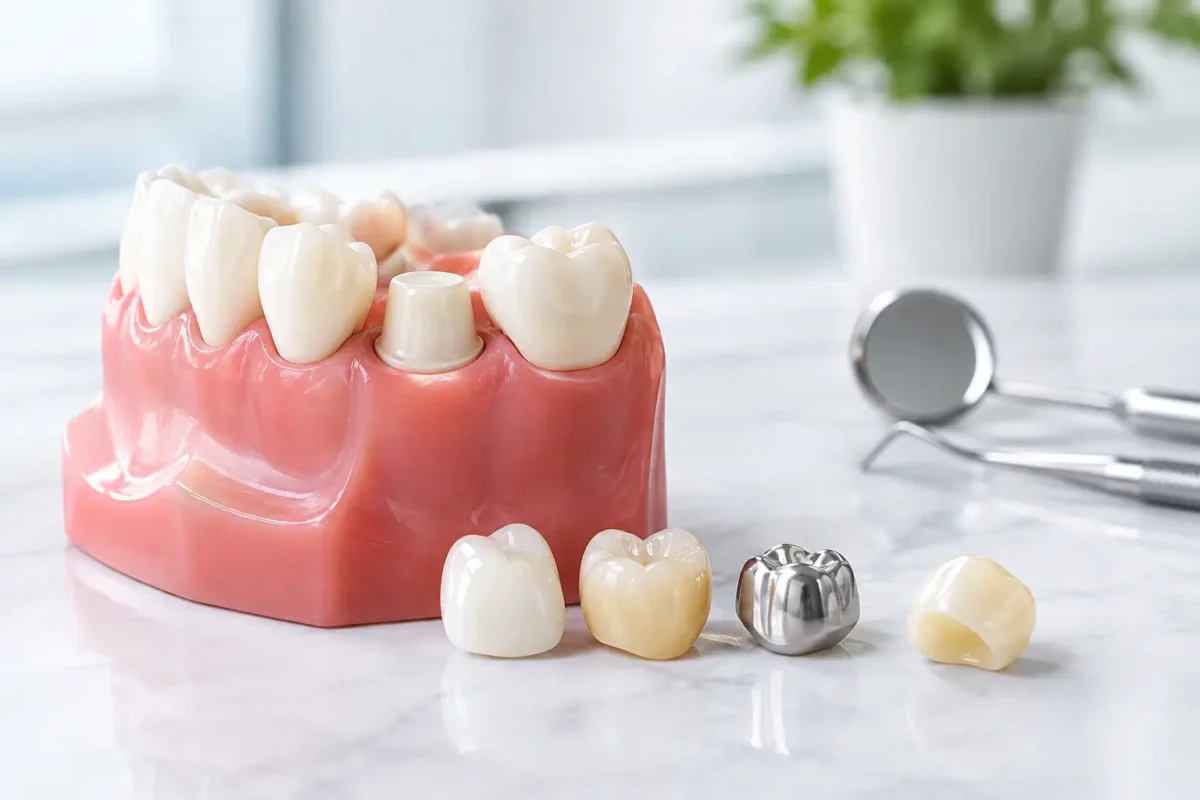
A tooth can look perfectly acceptable from the outside while being too weak to handle another filling, a crack, or the pressure of everyday chewing. This guide to dental crowns explains when a crown may be recommended, what the process involves, and how to make a decision that feels clear rather than rushed.
A dental crown is a custom-made restoration that covers the visible part of a tooth above the gumline. It is designed to restore strength, shape, function, and appearance while allowing you to keep your natural tooth whenever possible. For many patients, that combination is the main benefit: protection for a vulnerable tooth without compromising the look of their smile.
When is a dental crown needed?
Crowns are commonly recommended when a tooth has lost too much healthy structure for a filling to provide reliable long-term support. This can happen after extensive decay, a large old filling, trauma, or a fracture. Teeth that have had root canal treatment are also often more brittle, and a crown can help protect them against future breakage.
A crown may also be used to improve a tooth that is severely worn, misshapen, or discolored when a more conservative option would not achieve a stable result. In restorative dentistry, crowns can be placed on dental implants to replace missing teeth. They are also used as part of bridges in selected cases.
Not every damaged tooth needs a crown. A small cavity may only require a filling, while an inlay or onlay can sometimes preserve more natural tooth structure than a full crown. Veneers are generally chosen for cosmetic changes to the front surface of otherwise healthy teeth. The right option depends on how much tooth remains, where the tooth sits in the mouth, your bite, and your goals for appearance and longevity.
A guide to dental crown materials
The best material is not always the most expensive or the strongest in isolation. It needs to suit the individual tooth, the forces placed on it, and the appearance you want to achieve.
All-ceramic and porcelain crowns
All-ceramic crowns are widely used because they can closely mimic the light, color, and translucency of natural enamel. They are often an excellent choice for front teeth, where appearance is especially important. Modern ceramics can also be strong enough for many back teeth, depending on the material selected and your bite.
Porcelain fused to metal crowns combine a metal substructure with a porcelain outer layer. They have a long track record and may be appropriate in some situations, although newer all-ceramic options often offer more natural-looking results. In certain patients, the metal edge can become visible near the gumline over time, particularly if gums recede.
Zirconia crowns
Zirconia is a highly durable ceramic frequently used for molars and for patients who grind or clench their teeth. It can provide excellent strength while still offering an attractive result. Different types of zirconia vary in strength and translucency, so a dentist may recommend a more natural-looking version for visible teeth and a stronger option where chewing forces are greatest.
Gold and metal crowns
Gold alloys and other full-metal crowns remain very durable and can be gentle on opposing teeth. Their obvious limitation is appearance, which makes them less popular for visible areas of the mouth. For a back tooth that is out of sight, however, they can still be a sensible clinical choice for some patients.
Your dentist should explain why a particular material is being suggested. The conversation should include shade matching, the position of the tooth, gum health, bite forces, and whether you have a history of grinding. A crown that looks beautiful but is poorly suited to your bite is not the right treatment plan.
What happens during crown treatment?
The process begins with an examination, usually supported by X-rays and, when useful, digital scans or photographs. Your dentist checks the tooth, surrounding gums, neighboring teeth, and bite. If there is active decay, infection, or gum disease, those issues generally need attention before the final crown is placed.
To prepare the tooth, the dentist gently reshapes it so the crown can fit securely without looking bulky. Local anesthetic is used to keep this stage comfortable. A digital scan or impression records the precise shape of the prepared tooth and the surrounding teeth, allowing the crown to be designed for a natural fit and bite.
Many crowns are made in a dental laboratory and fitted at a later appointment. During that interval, a temporary crown protects the tooth. Some clinics can offer same-day crown treatment for suitable cases using digital scanning and in-house technology. Same-day care can be convenient, but it is not automatically the best option for every tooth. Complex cosmetic cases, substantial bite adjustments, or situations requiring more detailed laboratory characterization may benefit from a staged approach.
At the fitting appointment, the dentist checks the crown’s color, contours, contact points, and bite before bonding it into place. A properly adjusted crown should feel like part of your natural dentition. There may be a short period of awareness as you adapt, but persistent pressure, pain when biting, or a bite that feels uneven should be reviewed promptly.
Does getting a crown hurt?
Most patients find crown preparation easier than they expect. Local anesthetic keeps the tooth and surrounding tissues numb during treatment, and the team can pause if you need a break. Afterward, mild sensitivity around the prepared tooth or gums can occur for a few days, particularly with hot or cold foods.
If you feel significant pain, throbbing, or swelling, contact your dentist rather than waiting for it to settle. These symptoms are not something to ignore, especially if the tooth had deep decay or previous sensitivity. Clear communication matters here, particularly for international patients who may feel more comfortable discussing symptoms and options in English.
How long do dental crowns last?
A well-made crown can last many years, but no restoration is permanent. Its lifespan depends on the material, the health of the tooth underneath, daily oral hygiene, diet, bite forces, and regular dental monitoring. Crowns can fail if decay develops at the margin, if the tooth fractures below the crown, or if repeated grinding causes damage.
Good care is straightforward. Brush twice daily with fluoride toothpaste, clean carefully between teeth, and attend routine checkups and hygiene appointments. Flossing around a crowned tooth is safe and important because the gumline where the crown meets the tooth still needs protection from plaque buildup.
If you clench or grind your teeth, a custom night guard may help reduce pressure on both crowns and natural teeth. Avoid using teeth to open packaging, bite hard objects, or crack ice. These habits can damage even very strong ceramic materials.
Understanding dental crown costs
Crown fees vary because treatment is not simply the price of the final restoration. The overall cost may reflect diagnostics, tooth preparation, a temporary crown, the selected material, laboratory work or digital manufacturing, and any necessary treatment beforehand, such as a root canal, build-up, or gum care.
A transparent treatment plan should separate these elements and explain alternatives where they are clinically appropriate. Lower-cost options can sometimes be reasonable, but the value of a crown comes from accurate diagnosis, careful preparation, precise fit, quality materials, and follow-up care. Replacing a poorly fitted crown can be more disruptive and expensive than choosing a well-planned solution from the start.
At The British Dental Clinic, treatment planning is designed to give patients clear explanations of their options, expected steps, and costs before they commit. That is especially valuable when you are balancing health needs, schedule constraints, and cosmetic expectations.
A crown is often a practical investment in a tooth that still has a healthy future. Ask the questions you need, understand the alternatives, and choose a plan that protects your comfort as carefully as it protects your smile.