Why Are Teeth Sensitive? Causes and Relief
octubre 16, 2026
Zirconia Versus Porcelain Crowns: Which Is Best?
octubre 20, 2026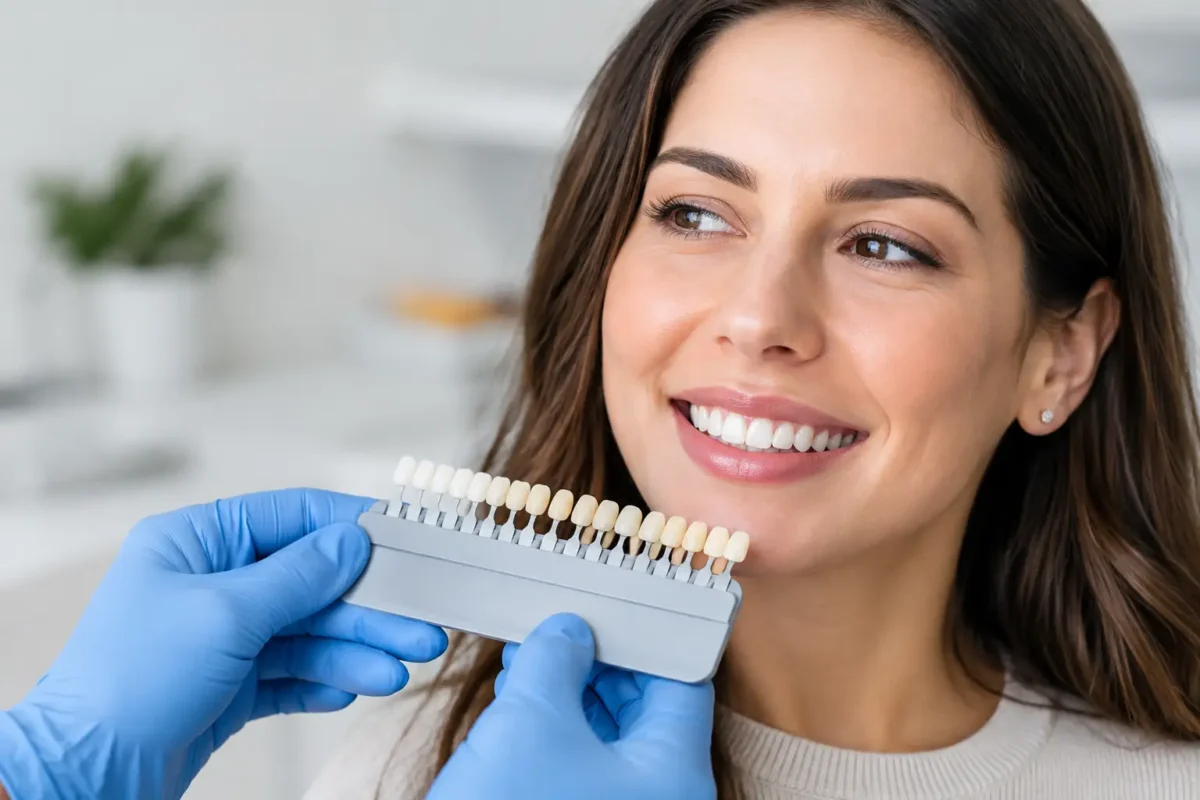
A brighter, more balanced smile can change how you feel in photographs, meetings, and everyday conversations. But veneers are a permanent cosmetic decision, not a quick beauty purchase. This porcelain veneers review guide is designed to help you weigh the real benefits, the compromises, and the questions worth asking before treatment begins.
Porcelain veneers can create a remarkably natural result when they are planned around your face, bite, gums, and existing teeth. They can also be disappointing when the focus is only on making teeth whiter or larger. The difference usually comes down to careful diagnosis, conservative preparation, and a clear conversation about what you want your smile to look like years from now.
What porcelain veneers are
A porcelain veneer is a thin, custom-made ceramic shell bonded to the front surface of a tooth. Veneers are commonly used to improve the appearance of teeth that are stained, slightly chipped, unevenly shaped, worn down, or separated by small gaps.
Modern dental porcelain reflects light in a way that is close to natural enamel. It is also highly stain resistant, which makes it an appealing option for people who want a stable shade after whitening no longer delivers the result they want.
Treatment usually involves a consultation, smile planning, preparation of the teeth where needed, digital or physical impressions, temporary veneers in some cases, and a final bonding appointment. The process is precise because even small changes in shape, length, or color can alter the whole expression of a smile.
Porcelain veneers review guide: the benefits and trade-offs
The appeal of veneers is easy to understand. They can address several cosmetic concerns at once, often with less treatment time than orthodontics, crowns, or multiple separate restorations. A carefully designed set can make teeth look more even while still preserving the small variations that prevent a smile from looking artificial.
Porcelain is also durable. With thoughtful care, veneers can last many years. They resist everyday staining from coffee, tea, and red wine better than natural enamel or composite bonding, and their surface tends to retain its polish well.
The central trade-off is that conventional veneers often require some enamel to be removed. The amount may be minimal, especially with conservative techniques, but it is still a permanent change. Once a tooth has been prepared for a veneer, it will generally need a veneer or another restoration in the future.
Veneers are not indestructible, either. They can chip, crack, or come loose, particularly if you bite hard objects, chew ice, use your teeth to open packaging, or grind your teeth at night. A night guard may be recommended for people with clenching or grinding habits. If a veneer fails, it may be repairable, but replacement is sometimes the better long-term option.
Who is a good candidate?
The best candidates have healthy gums, stable teeth, and a cosmetic concern that veneers can predictably improve. Small gaps, persistent discoloration, mild crowding, worn edges, and irregular tooth shape are often suitable concerns.
Healthy gums matter as much as healthy teeth. Veneers sit close to the gumline, so inflammation, bleeding, or untreated gum disease can affect both appearance and longevity. A hygienist or dentist may recommend hygiene treatment or periodontal care before beginning cosmetic work.
Your bite also deserves careful attention. If the front teeth receive excessive force, veneers may be at greater risk of damage. For some patients, orthodontic treatment first is the more conservative route, especially where teeth are significantly rotated, crowded, or positioned outside the ideal arch.
Veneers may not be the first choice if there is extensive decay, very large old fillings, severe tooth wear, active gum disease, or insufficient enamel. In these situations, crowns, bonding, whitening, orthodontics, or restorative treatment may offer a more reliable outcome. The right treatment is not always the most dramatic one.
Choosing between porcelain veneers, composite bonding, and crowns
A transparent consultation should include alternatives. Porcelain veneers are excellent for many smiles, but they are not automatically the most conservative or cost-effective choice.
Composite bonding uses tooth-colored resin to reshape or add to teeth. It often requires little or no enamel removal and can usually be repaired more easily than porcelain. However, composite is more likely to stain, lose polish, or chip over time. It can be a sensible choice for minor changes, younger patients, or anyone who wants a less permanent starting point.
Whitening may be enough when the main concern is tooth color. It does not change shape, spacing, or alignment, but it preserves natural tooth structure and can be a valuable first step before deciding whether further cosmetic treatment is necessary.
Crowns cover the entire tooth and are generally used when there is a structural reason for more coverage, such as a heavily filled, fractured, or root canal-treated tooth. A crown is not simply a stronger veneer. It requires a different level of preparation and should be recommended only when the tooth needs it.
What a natural-looking veneer result requires
The most convincing veneers rarely look like identical, ultra-white tiles. Natural smiles have character: subtle translucency near the edges, proportions that suit the face, and a shade that works with the skin tone and surrounding teeth.
During planning, consider whether you want to treat one tooth, a few visible teeth, or the full smile zone. Matching a single veneer to neighboring natural teeth can be technically demanding. Treating several teeth may create greater color consistency, but it also means treating more healthy tooth structure. There is no universal number that suits every patient.
Ask to discuss the proposed shade, tooth length, edge shape, and overall smile width before final veneers are made. Digital smile planning, photographs, and temporary mock-ups can help you understand the direction of treatment. They are not a guarantee of an exact final result, but they make the conversation more specific and reduce surprises.
At The British Dental Clinic, this planning conversation is treated as a core part of cosmetic care. For international patients in Barcelona, being able to discuss expectations, alternatives, and costs clearly in English can make a permanent treatment decision feel much more manageable.
Questions to ask before you commit
A veneer consultation should leave you with more than a before-and-after image. You should understand why veneers are being recommended, how much enamel may need to be removed, and whether a less invasive option could meet your goals.
It is also reasonable to ask how your bite and gum health will be assessed, whether you will see a mock-up or temporary version of the proposed smile, what happens if a veneer chips, and whether you need a protective night guard. Ask for a written treatment plan that explains the number of veneers, preparatory care, temporary restorations if needed, and follow-up appointments.
Cost should be discussed openly. The overall fee can vary according to the number of teeth treated, the complexity of the case, laboratory work, preparatory treatment, and whether additional gum or restorative care is required. A lower initial price is not always the better value if it excludes the planning, materials, or aftercare that support a predictable result.
Caring for porcelain veneers
Daily care is straightforward: brush twice a day with a non-abrasive toothpaste, clean between teeth every day, and maintain regular professional hygiene visits. Veneers cannot decay, but the natural tooth structure and gum tissue around them can. A veneer is only as healthy as the tooth and gums supporting it.
Avoid biting hard items directly with veneered front teeth. If you grind or clench, wear the night guard provided or recommended by your dentist. Regular reviews allow your dental team to check the bite, bonding margins, gums, and condition of the porcelain before a minor issue becomes a larger repair.
The best veneer decision is one made at a measured pace. If you leave your consultation feeling heard, informed, and clear about both the advantages and limitations, you are far more likely to choose a smile that still feels like your own.