How to Prepare for Tooth Extraction Calmly
octubre 14, 2026
Porcelain Veneers Review Guide for Your Smile
octubre 18, 2026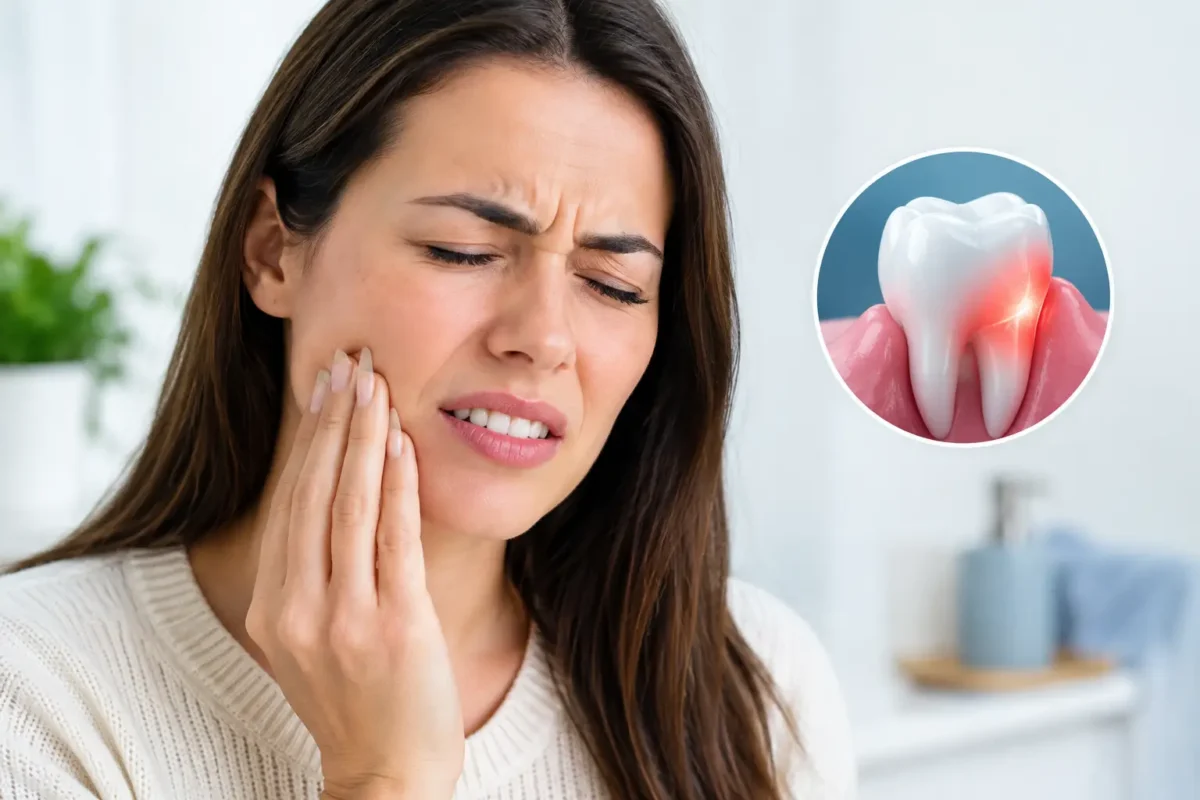
A sip of iced water should be refreshing, not a reason to wince. If you have ever felt a sudden, sharp pain from cold drinks, hot coffee, sweet foods, or even a breath of air, you may be asking: why are teeth sensitive? The short answer is that the protective outer layer of a tooth is no longer fully shielding the sensitive tissue beneath it. The more useful answer is that there are several possible causes, and the right treatment depends on finding yours.
Tooth sensitivity is common, but it should not be ignored or simply endured. A careful dental assessment can distinguish between temporary irritation and an issue that needs treatment, helping you eat, drink, and smile comfortably again.
Why Are Teeth Sensitive?
Each tooth has a hard outer coating called enamel. Below it is dentin, a softer layer containing tiny channels that lead toward the nerve inside the tooth. When enamel wears down or gum tissue pulls away from the tooth, dentin can become exposed. Heat, cold, sweetness, acidity, pressure, or air can then travel through those channels and trigger a brief, sharp sensation.
Sensitivity often affects several teeth and comes and goes with certain foods or temperatures. However, pain from a cracked tooth, a cavity, gum infection, or an inflamed nerve can feel similar at first. That is why persistent sensitivity deserves a professional evaluation rather than a guess based on symptoms alone.
Common Reasons Teeth Become Sensitive
Enamel wear
Enamel is extremely strong, but it can gradually wear away. Frequent acidic drinks, citrus fruits, wine, sports drinks, and reflux can soften enamel over time. Brushing immediately after acidic food or drink may add to the problem because the enamel is temporarily more vulnerable.
Brushing too hard can also cause wear, especially near the gumline. A firm brush and vigorous scrubbing do not clean better than a soft toothbrush used with gentle, controlled strokes. In fact, they can wear enamel and irritate gums.
Gum recession and gum disease
Gums can recede for several reasons, including periodontal disease, aggressive brushing, teeth grinding, tobacco use, or simply the natural anatomy of your gums. As the gumline moves down, it exposes the tooth root. Root surfaces do not have the same thick enamel protection as the visible part of the tooth, so they can be particularly sensitive.
Bleeding gums, persistent bad breath, tenderness, or teeth that appear longer than before are signs worth discussing with a dentist. Treating gum inflammation early helps protect both comfort and long-term tooth support.
Tooth decay, cracks, and worn restorations
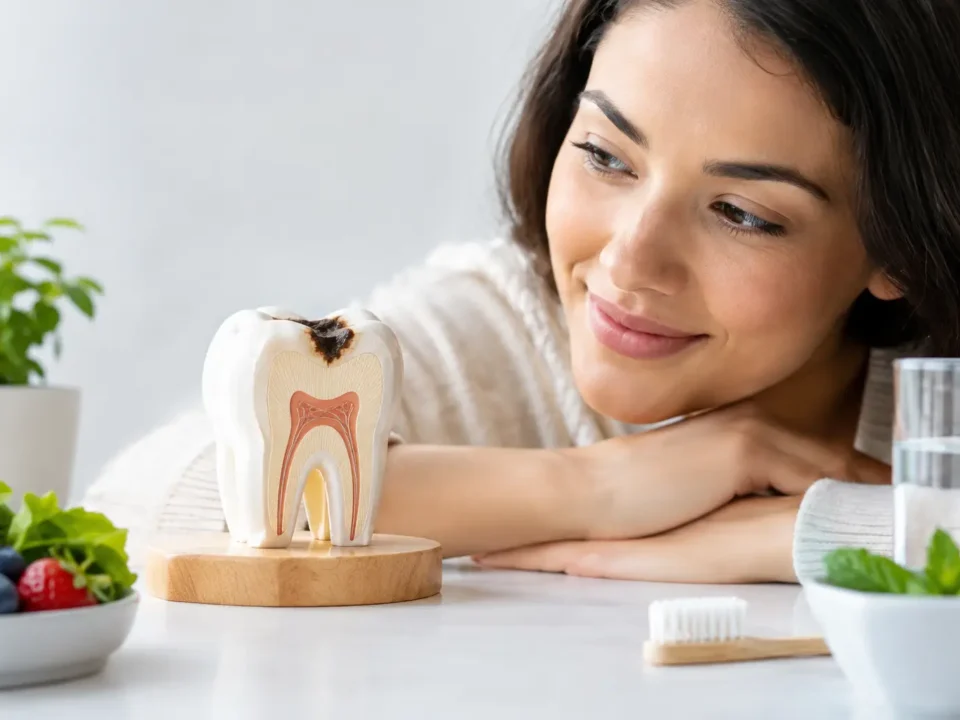
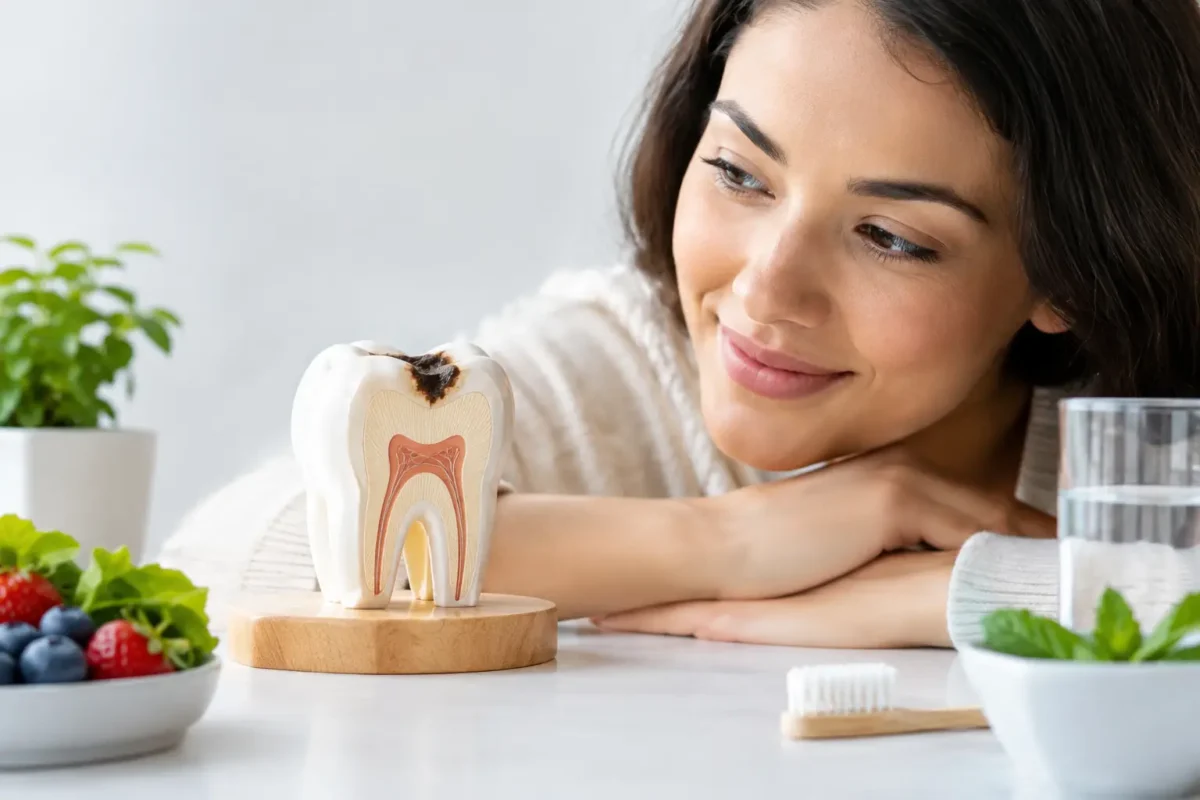
A cavity allows irritants to reach deeper into the tooth. A small crack can open slightly when you bite, creating a quick pain that is often difficult to locate. Old fillings, crowns, or bonding can also develop gaps at their edges, allowing sensitivity or decay to develop underneath.
These problems do not always cause obvious pain at first. A tooth may only react to cold or sweets, then become more painful as the issue progresses. Early treatment is usually simpler and more conservative than waiting for severe pain.
Whitening treatments
Whitening can cause temporary sensitivity, particularly when higher-strength products are used or when treatment is carried out too frequently. This does not necessarily mean whitening is unsafe, but it does mean the approach should be personalized.
A dentist can check for exposed roots, cracks, decay, and gum recession before whitening. If sensitivity occurs, reducing the frequency of treatment, using a sensitivity toothpaste, or selecting a different whitening plan may make a meaningful difference.
Grinding and clenching
Many people clench or grind their teeth during sleep, while concentrating, or during stressful periods without realizing it. This pressure can wear down enamel, create small cracks, and strain the supporting structures around the teeth. You may also notice morning jaw tension, headaches, or flattened tooth edges.
A custom night guard may be recommended when grinding is contributing to wear or discomfort. It protects teeth from further force, although any existing decay, crack, or gum issue must still be treated separately.
What You Can Do for Sensitive Teeth at Home
Start with the basics for two to four weeks if your symptoms are mild and recent. Use a soft-bristled toothbrush and brush gently twice a day with fluoride toothpaste formulated for sensitivity. These toothpastes can help block the pathways in exposed dentin, but they need regular use before you notice the full benefit.
Avoid brushing straight after acidic foods or drinks. Rinse your mouth with water first and wait around 30 minutes before brushing. It can also help to reduce frequent sipping of acidic drinks throughout the day. Having them with a meal, rather than slowly over several hours, limits repeated acid exposure.
If cold foods are a reliable trigger, there is no need to force yourself through the discomfort. Choose room-temperature drinks temporarily and avoid extreme temperatures while you arrange an appointment. A soft diet may also be sensible if biting causes pain.
Do not place aspirin, alcohol, or other home remedies directly on a painful tooth or gum. These can burn soft tissues and will not address the underlying cause. Similarly, sensitivity toothpaste can be helpful, but it cannot repair a cavity, seal a crack, or treat gum disease.
When Sensitivity Needs Dental Treatment
If a dentist finds enamel wear or exposed root surfaces without decay, treatment may be as straightforward as a fluoride varnish, desensitizing product, bonding to cover exposed areas, or adjustments to your brushing routine. When gum recession is significant, periodontal treatment and, in selected cases, gum grafting may be discussed.
For decay, a damaged filling, or a small crack, a filling, bonding, or crown may protect the tooth and reduce symptoms. If the nerve inside the tooth is severely inflamed or infected, root canal treatment may be the most reliable way to save it. The goal is always to recommend the least invasive treatment that gives the tooth a stable, comfortable future.
Digital imaging and a close clinical examination help identify issues that are not visible in the mirror. At The British Dental Clinic, treatment discussions are designed to be clear and unhurried, so you can understand what is causing the sensitivity, what your options are, and what each option involves.
Signs You Should Not Wait
Book a dental visit promptly if sensitivity lasts longer than a few days, becomes more intense, or happens without an obvious trigger. It is especially important to be seen if pain lingers after a hot or cold drink, wakes you at night, occurs when biting, or is focused on one specific tooth.
Swelling of the face or gums, fever, a bad taste in the mouth, pus, or difficulty swallowing are more urgent signs. Seek emergency dental care as soon as possible. These symptoms can indicate an infection that requires prompt treatment.
Can Sensitive Teeth Be Prevented?
Not every cause is preventable, but small habits make a real difference. Use fluoride toothpaste, attend regular checkups and hygiene appointments, and ask about a night guard if you clench or grind. If you drink acidic beverages often, water afterward and avoid making them an all-day habit.
Most importantly, do not normalize tooth pain. Sensitivity may be a minor, manageable issue, or it may be the first warning that a tooth or gum problem needs attention. A timely, personalized checkup can replace uncertainty with a clear plan and help you get back to enjoying everyday meals and drinks without hesitation.