Corona Dental Un Día: Same-Day Crowns Explained
septiembre 24, 2026
Guía de tratamiento periodontal completo paso a paso
septiembre 28, 2026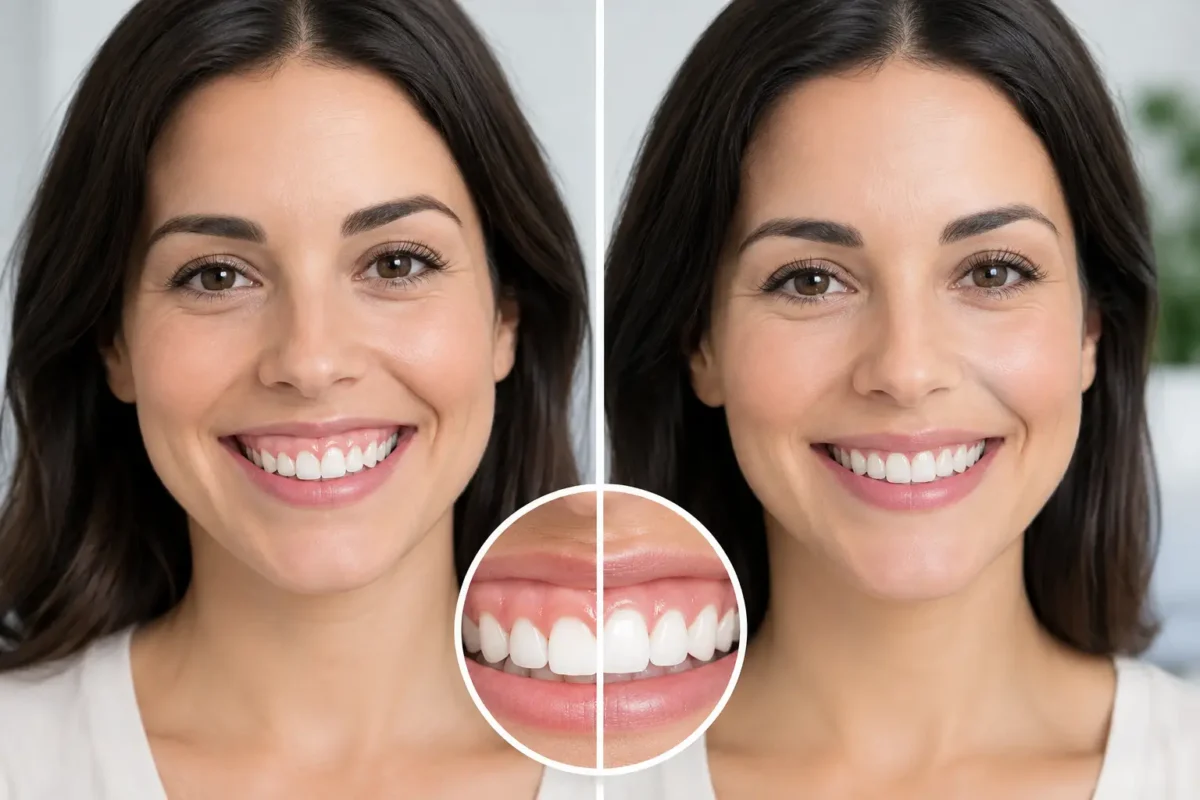
A tooth can look noticeably longer when the gumline recedes, but the concern is not only cosmetic. Exposed root surfaces can be sensitive, more vulnerable to decay, and harder to keep clean. Gum grafting results can restore a healthier-looking gumline and protect the tooth, but they develop gradually rather than appearing fully formed the day after surgery.
For patients considering treatment, the most helpful question is not simply, “Will the gum come back?” It is whether the graft is right for the cause and pattern of recession, whether the underlying gum disease is controlled, and what realistic improvement looks like for their individual smile. A careful periodontal assessment provides those answers before treatment begins.
What Good Gum Grafting Results Can Achieve
A gum graft is a periodontal procedure that adds or repositions gum tissue around a tooth or implant area. The aim may be to cover an exposed root, strengthen thin gum tissue, reduce sensitivity, improve symmetry, or make future restorative treatment more predictable.
Successful gum grafting results often include a thicker, more stable band of gum tissue and a gumline that blends naturally with the surrounding area. Many patients also notice that cold sensitivity becomes easier to manage once the root is better protected. Where recession has changed the appearance of a front tooth, improved coverage can make the smile look more balanced.
Complete root coverage is possible in some cases, especially when recession is limited and the supporting bone and tissues are healthy. However, it cannot be promised in every situation. Recession around lower front teeth, teeth that sit outside the dental arch, deeply worn root surfaces, and areas with bone loss may have more limited coverage potential. Even when full coverage is not achievable, a graft can still provide valuable protection and tissue stability.
Before-and-After Changes: What Is Realistic?
Photos of gum grafting can be useful, but they do not tell the full clinical story. The same procedure can produce different visible changes depending on the location of the tooth, the thickness of the original tissue, the depth of recession, brushing habits, bite forces, and whether there is active inflammation.
Immediately after surgery, the graft may look pale, bulky, or slightly uneven. This is normal. The tissue is adapting and establishing its blood supply. During the first few weeks, color and contour can change several times as healing progresses. A graft that appears lighter than the surrounding gum at first usually becomes more natural in color over time, although the final shade and texture may not be identical in every patient.
The most meaningful visual assessment is usually made after several months, not after a few days. Your dentist will review healing at follow-up appointments and explain whether the tissue is maturing as expected. In a visible part of the smile, patience matters: gums can continue refining their shape for months after the procedure.
Gum Grafting Results Timeline
The first week
The first few days are focused on protecting the graft. Mild swelling, tenderness, and a tight sensation are common. If tissue has been taken from the palate, that donor area can feel similar to a scrape or burn while it heals. Prescribed medication, a soft diet, and careful oral hygiene instructions help keep this period manageable.
You should not brush or floss directly over the grafted site unless your clinician specifically tells you to do so. It is also best to avoid pulling the lip to inspect the area repeatedly. Stretching the tissue can disturb the early healing process.
Weeks two to six
The graft begins to integrate with the surrounding gum tissue. It may look less dramatic than it did immediately after surgery, and some shrinkage is a normal part of healing. This does not necessarily mean the procedure has failed. What matters is whether the tissue remains healthy, attached, and stable as it matures.
During this stage, you may gradually return to more normal eating and cleaning habits, following the plan provided by your dentist. A very soft toothbrush and gentle technique are often essential, particularly if aggressive brushing contributed to the original recession.
Three to six months
By this point, gum grafting results are generally much easier to evaluate. The tissue should have a more settled contour and healthier color. Sensitivity may be reduced, and the gumline may appear more even. In some situations, the tissue continues to mature beyond six months, particularly where a larger graft or more complex periodontal treatment was needed.
What Determines the Final Outcome?
The procedure is only one part of the result. Long-term success depends on the health of the tissue before surgery and the habits that protect it afterward.
Active gum disease needs to be treated first. Grafting onto inflamed tissue without addressing plaque buildup, deep pockets, or infection does not create a stable foundation. Similarly, if recession is caused by forceful brushing, clenching, smoking, or a poorly positioned tooth, those factors need attention to help prevent further recession.
Your clinician will also consider the thickness of your gums and the amount of bone around the tooth. Thin tissue is naturally more prone to recession, while adequate bone support improves the predictability of root coverage. For some patients, orthodontic treatment, a bite adjustment, or a protective nightguard may be part of a broader plan to protect the result.
Smoking and nicotine use can interfere with healing by reducing blood flow to the gums. Patients who smoke should discuss this openly before surgery, as it can affect both the predictability of the graft and the aftercare plan.
How to Protect Your Gum Graft After Healing
Once your dentist confirms that normal brushing can resume, technique becomes especially important. Use a soft toothbrush, light pressure, and small, controlled movements along the gumline. Scrubbing side to side with a hard brush can gradually wear away gum tissue and expose roots again.
Daily plaque control remains essential, but it should never feel aggressive. Your hygienist can demonstrate the most suitable method for cleaning around the grafted area, as well as any crowns, implants, or orthodontic appliances nearby. Regular hygiene visits allow small signs of inflammation or renewed recession to be addressed early.
If you grind or clench your teeth, wearing a nightguard can reduce the stress placed on teeth and gums. It may not be the sole cause of recession, but managing excessive forces can support a more stable long-term result.
When to Contact Your Dentist
Some discomfort and swelling are expected after periodontal surgery, but severe or worsening pain should be assessed. Contact your dental team if you have persistent bleeding, increasing swelling after the first few days, fever, a bad taste or discharge, or if the graft appears to be lifting away from the tooth.
Follow-up visits are not a formality. They allow your dentist to monitor healing, remove sutures if needed, and adjust your hygiene routine at the right time. Clear communication is especially reassuring when you are recovering from a procedure in a visible part of your smile.
Is Gum Grafting Worth It?
For many patients, gum grafting is worth considering when recession is progressing, sensitivity is affecting daily comfort, or the exposed root is creating a cosmetic concern. It is also often recommended before certain restorative or orthodontic treatments when healthier, thicker gum tissue would improve predictability.
The decision should be based on your specific diagnosis rather than appearance alone. At The British Dental Clinic, a periodontal consultation can clarify what is causing your recession, how much coverage is realistic, and how treatment can be planned around your comfort, schedule, and long-term oral health.
A well-healed graft is not meant to look like a dramatic alteration. Its best result is often a quieter one: gums that feel stronger, teeth that are easier to protect, and a smile you no longer hesitate to show.