Tipos de ortodoncia discreta: What to Know
septiembre 20, 2026
Corona Dental Un Día: Same-Day Crowns Explained
septiembre 24, 2026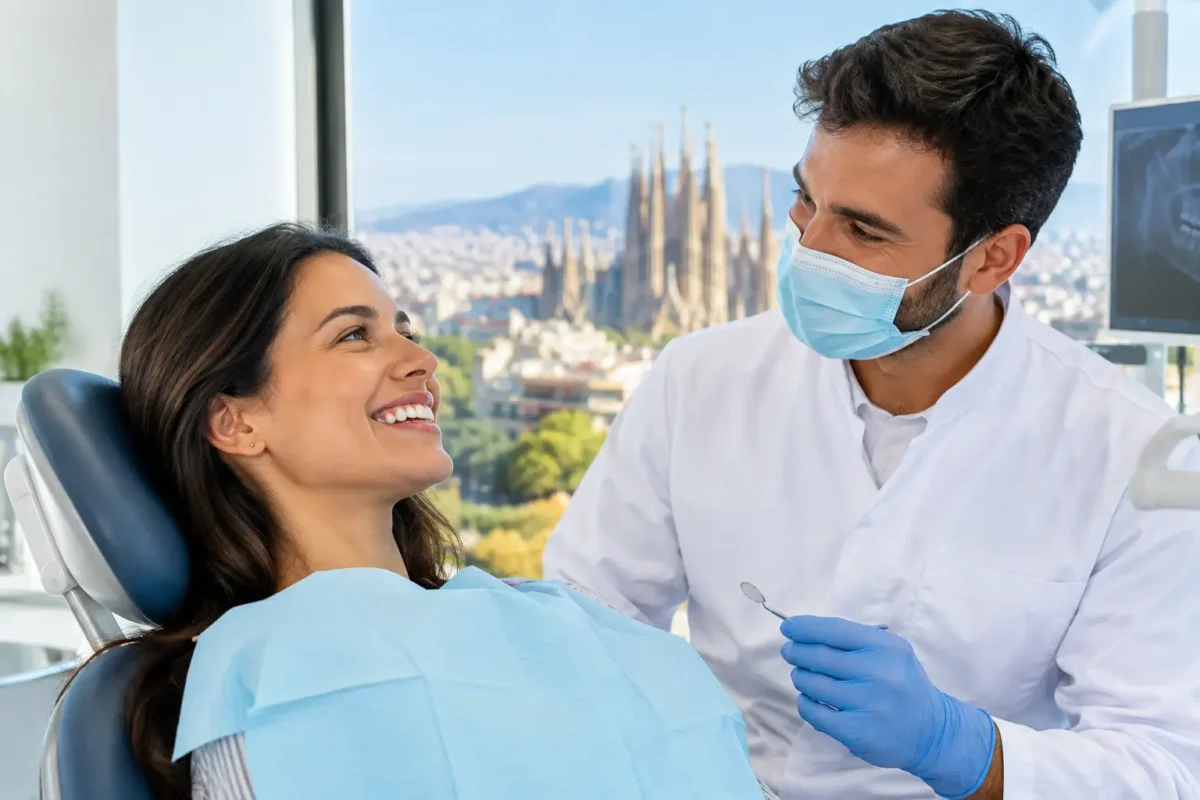
A dental concern can feel more stressful when you are living abroad. A broken filling before a business trip, a toothache after moving to a new neighborhood, or years of postponing cosmetic work can all raise the same question: where can you find Barcelona dentistry that feels clear, professional, and genuinely personal?
For international patients, the answer is not simply finding a clinic nearby. It is finding a team that listens carefully, explains what it sees, and gives you the space to make an informed decision. Whether you need a routine hygiene visit or a more involved treatment such as an implant, crown, veneer, or orthodontic plan, good care should feel organized rather than overwhelming.
What International Patients Should Expect From Barcelona Dentistry
Dentistry is highly personal. Your history, comfort level, schedule, oral health goals, and budget all matter. A quality dental appointment begins with a thorough conversation, not a rushed assumption about what you need.
For many expatriates and visitors, communication is a deciding factor. Being able to discuss symptoms, ask questions, and understand recommendations in English can change the entire experience. Clear communication is particularly valuable when treatment has several possible paths. A worn tooth, for example, may be suitable for a filling, an onlay, or a crown depending on how much healthy tooth structure remains. Each option has different benefits, timing, and cost considerations.
You should also expect transparency before treatment begins. A thoughtful treatment plan explains the clinical findings, the recommended approach, reasonable alternatives, expected appointments, and fees. There are occasions when treatment is urgent, such as severe pain, swelling, or trauma. Even then, a calm explanation of the immediate steps can help you feel in control.
Start With Prevention, Not a Dental Emergency
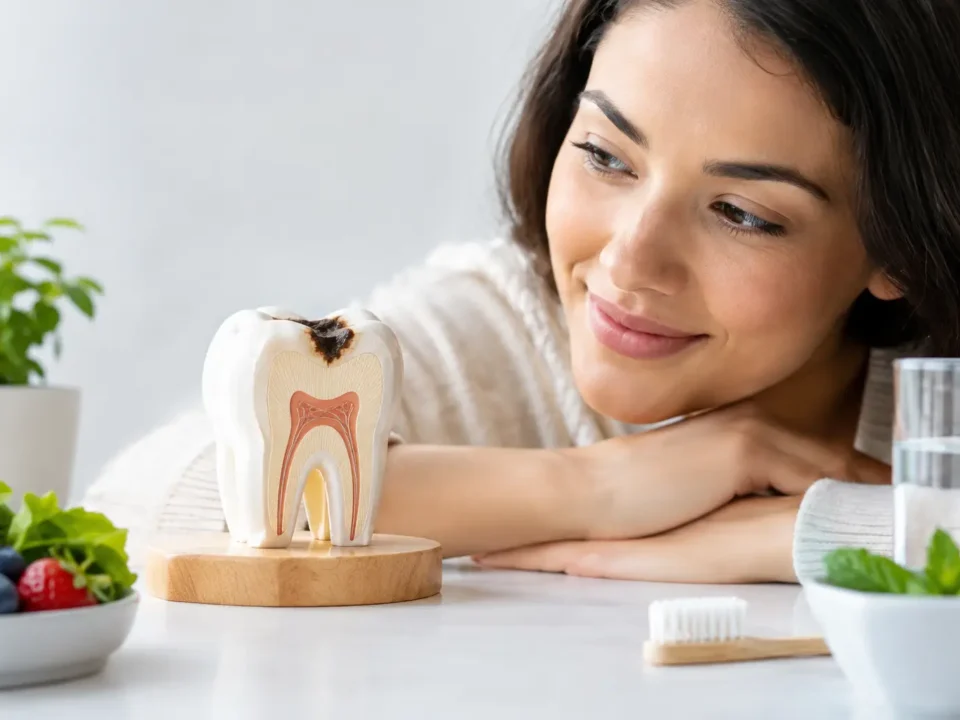
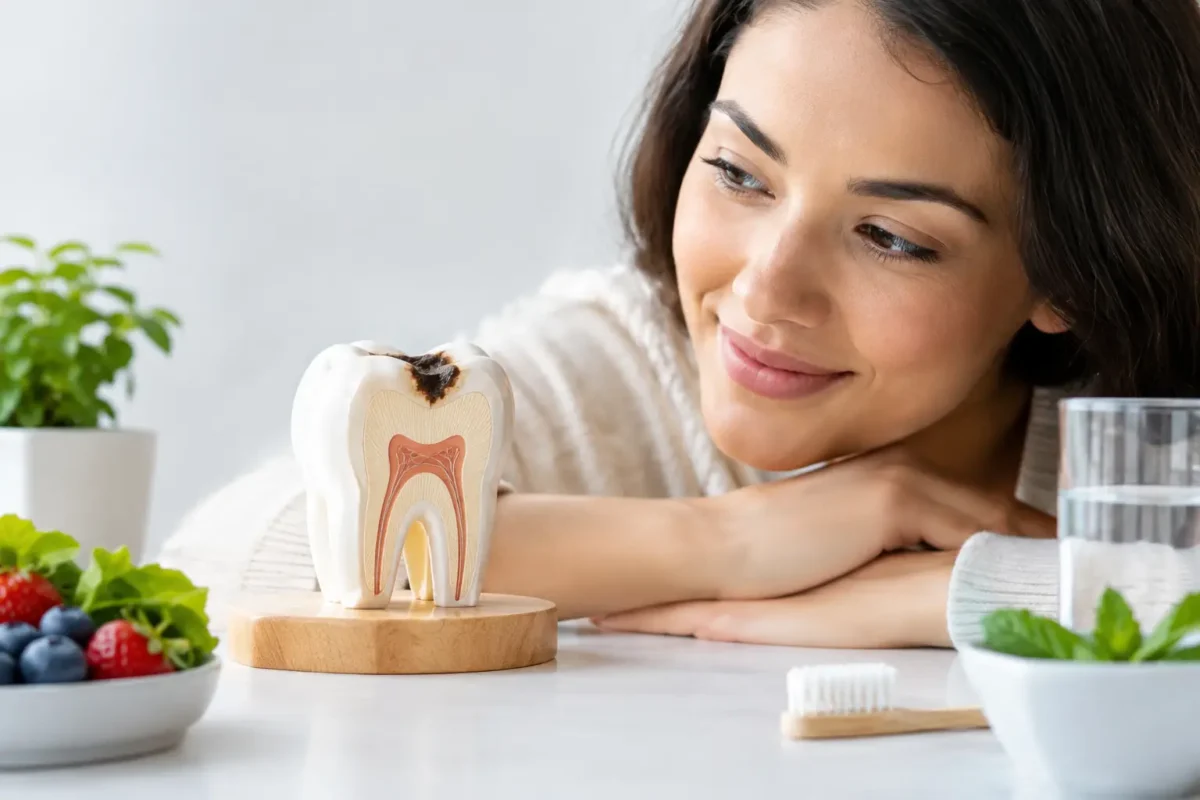
Routine dental care is often the simplest way to avoid disruption later. Regular checkups allow a dentist to identify early decay, gum inflammation, worn restorations, cracks, and bite changes before they become more complex. Professional hygiene appointments remove hardened buildup that brushing and flossing cannot fully address.
Airflow hygiene can be especially helpful for removing surface staining and biofilm gently, including in difficult-to-reach areas. It can leave teeth feeling noticeably cleaner, but it is not the same as whitening. Hygiene supports oral health and can brighten the appearance of teeth by removing external stains. Whitening changes the shade of the tooth itself and should be planned with professional guidance.
Gum health deserves the same attention as teeth. Bleeding while brushing, persistent bad breath, tenderness, or gum recession may be signs that need assessment. Gum disease can progress quietly, and treatment may range from improved home care and targeted cleaning to periodontal therapy or surgery. The right approach depends on the extent of inflammation and bone support around the teeth.
When a Tooth Needs More Than a Checkup
Not every dental problem calls for the same treatment. Modern dentistry offers conservative options whenever they are appropriate, but the best solution depends on the condition of the tooth.
Small areas of decay or minor chips may be restored with a tooth-colored filling. Larger areas of damage may require an inlay, onlay, or crown to protect what remains. If the nerve inside a tooth is infected or inflamed, root canal treatment can often save the tooth and relieve pain. Afterward, a crown may be recommended when the tooth has lost significant structure or is at risk of fracture.
Extraction is sometimes the healthiest choice when a tooth cannot be predictably restored. This can be disappointing, especially if the tooth has caused problems for years, but a good clinician will explain why removal is being considered and what replacement options may suit you. Those options can include an implant, bridge, or, in certain cases, leaving the space untreated. The latter may be acceptable in some areas of the mouth but can create bite or shifting issues in others.
The key is not to choose the most extensive treatment automatically. It is to choose care that is clinically sound, durable, and appropriate for your priorities.
Implant treatment: precision and planning matter
Dental implants can replace a missing tooth or help support a larger restoration. They are designed to function as an artificial tooth root, supporting a crown, bridge, or full-arch solution once healing and planning requirements are met.
Not every patient needs the same implant timeline. Some situations may allow immediate placement or a same-day provisional tooth. Others require healing after an extraction, gum treatment, or bone grafting before an implant can be placed safely. Fast treatment can be valuable when it is clinically appropriate, but predictable outcomes should always come before speed.
Digital imaging and guided implant surgery can improve planning by helping the dental team assess bone, nearby anatomy, and implant position in advance. For patients, that often means a more precise, more clearly mapped treatment journey. It also supports a better discussion about what is possible, what is uncertain, and what the investment includes.
Cosmetic Dentistry Should Still Protect Your Oral Health
A more confident smile can have a meaningful effect on how you feel at work, in photographs, and in everyday conversations. But cosmetic treatment works best when it starts with healthy teeth and gums.
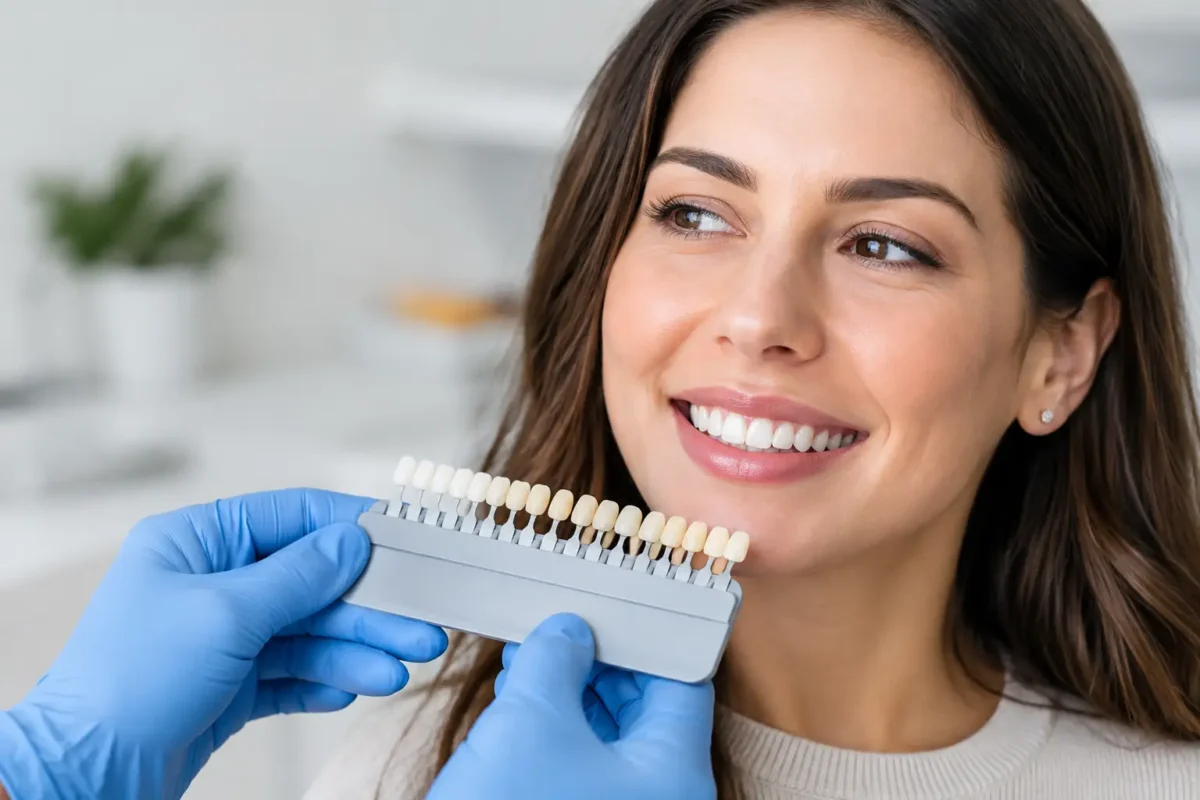
Whitening is often a practical first step for people who are happy with their tooth shape and alignment but want a brighter shade. It is worth discussing any existing crowns, veneers, or fillings beforehand because these restorations will not whiten in the same way as natural teeth. Sensitivity is possible, though it can often be managed by adjusting the treatment plan.
Veneers can improve the appearance of teeth affected by discoloration, small gaps, chips, uneven edges, or shape concerns. They are not a universal solution. In some cases, orthodontic treatment, whitening, or bonding may preserve more natural tooth structure and achieve the result you want. A responsible cosmetic consultation should consider your facial features, bite, enamel, long-term maintenance, and the look you prefer, rather than pursuing a one-size-fits-all smile.
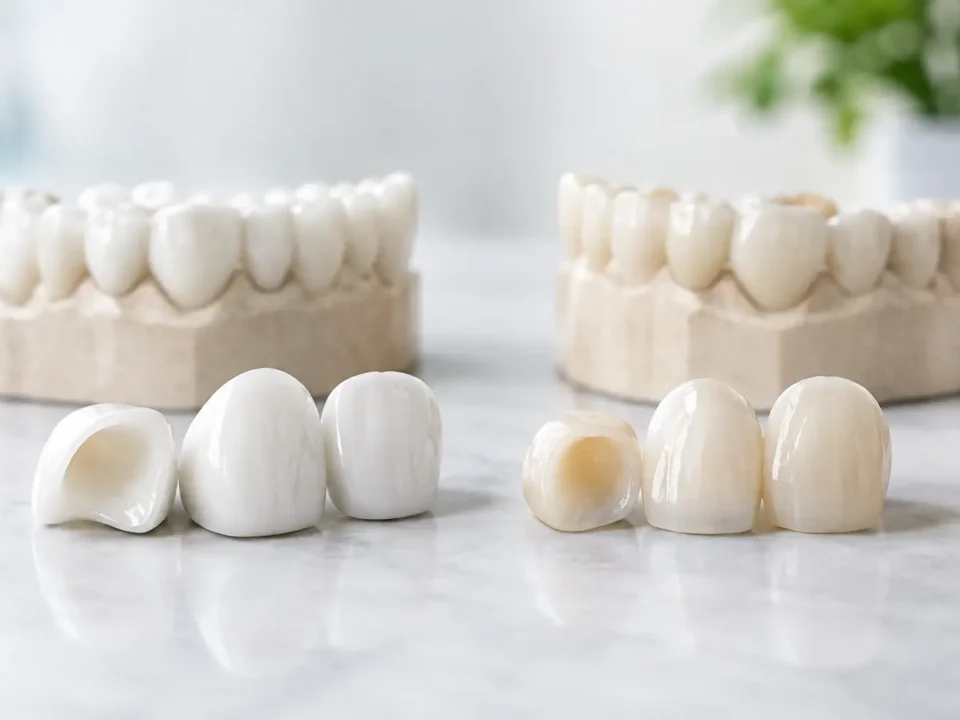
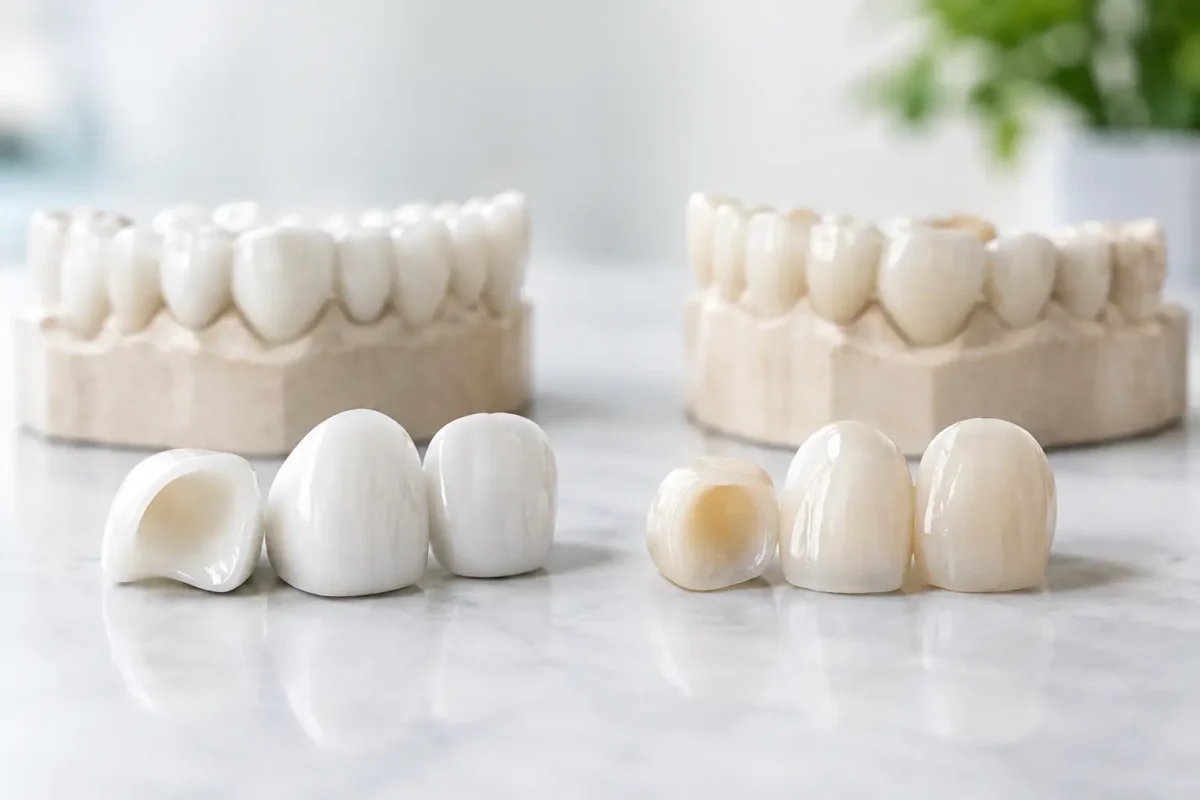
Same-day crown technology can also be useful when a tooth needs protection and your schedule is limited. It may reduce the number of appointments, but it is not automatically the best choice for every case. Complex bite situations or highly visible esthetic work may benefit from additional laboratory customization.
Orthodontics Is About More Than Straight Teeth
Adults often seek orthodontic treatment because they want a straighter smile, but alignment can also make teeth easier to clean and improve how the bite functions. Depending on your needs, treatment may use clear aligners, fixed braces, or other appliances.
The right choice depends on the movements required, how consistently you can wear removable aligners, your bite, and the condition of your gums and teeth. Clear aligners are discreet and convenient for many adults, but they require disciplined wear. Fixed appliances may offer greater control in more complex cases. A consultation should make these trade-offs easy to understand.
How to Choose a Dental Clinic With Confidence
Look beyond a polished waiting room or a list of treatments. The most reassuring signs are often practical: a team that takes time to understand your concerns, clear explanations without unnecessary jargon, and written treatment plans that do not leave you guessing about next steps.
Ask how the clinic approaches prevention, emergencies, digital diagnostics, and follow-up care. If you are considering implants, veneers, or orthodontics, ask to see how planning is tailored to your specific goals. You should feel comfortable asking why one option is recommended over another, what happens if you wait, and what maintenance will be needed afterward.
At The British Dental Clinic, the aim is to make those conversations straightforward for international patients who want high-quality care without language barriers or pressure. The best dental experience is not defined only by advanced technology. It is defined by feeling heard, informed, and cared for at every stage.
If you have been putting off a checkup or wondering whether a change in your smile is possible, start with a conversation. A clear assessment can replace uncertainty with a practical plan that fits your health, your schedule, and your confidence.