Encías inflamadas: tratamiento y causas
julio 8, 2026
Puente o implante: Which Option Fits You?
julio 12, 2026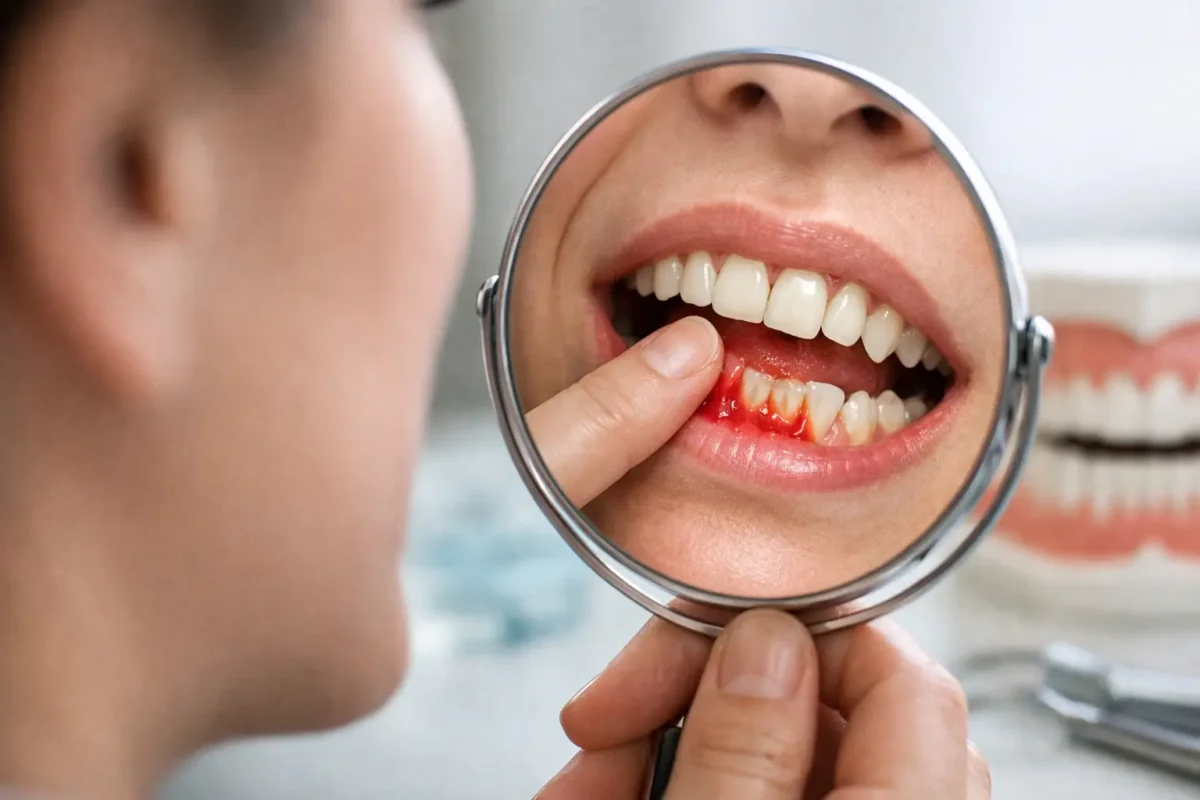
Your gums usually do not ask for attention dramatically. More often, the early señales de enfermedad periodontal show up in small ways – a little blood when you brush, persistent bad breath, or gums that seem slightly more tender than usual. These changes are easy to dismiss, especially when life is busy, but catching them early can make treatment simpler, more comfortable, and more predictable.
Periodontal disease affects the gums and the structures that support your teeth. It often starts with inflammation caused by plaque and bacteria collecting along the gumline. At first, this stage may be reversible. If it progresses, it can begin to damage the tissues and bone that keep teeth stable. That is why recognizing the signs matters so much. Not every sore or bleeding gum means advanced disease, but it is never something to ignore.
What periodontal disease actually feels like
One reason gum disease is so often missed is that it does not always cause strong pain in the beginning. Many people assume that if nothing hurts, nothing is wrong. Unfortunately, gum problems do not follow that rule.
In the early stage, called gingivitis, symptoms are often mild. Your gums may look puffier than usual or appear darker red instead of a healthy pink. They may bleed during brushing or flossing. Some people notice a metallic taste or a feeling that their mouth never seems fully fresh.
As the condition progresses into periodontitis, the signs become more serious. The gums can start pulling away from the teeth, creating pockets where bacteria settle more deeply. Teeth may feel sensitive, slightly loose, or different when you bite. This stage is no longer just about irritated gums. It is about support loss around the teeth.
Most common señales de enfermedad periodontal
The most common warning sign is bleeding gums. If you see blood in the sink when you brush or floss, that is not usually because you brushed too hard. Healthy gums do not bleed easily. Occasional irritation can happen, but repeated bleeding deserves attention.
Swelling is another common sign. Inflamed gums can feel fuller, softer, or more tender. You may also notice redness along the gumline. These changes are sometimes subtle, especially if they happen gradually.
Bad breath that lingers even after brushing can also point to gum disease. Persistent odor is often caused by bacteria collecting below the gumline, where a toothbrush cannot reach effectively. The same goes for a bad taste in the mouth that keeps returning.
Gum recession is another important change. If your teeth suddenly look longer, or if you notice more root surface than before, the gums may be receding. Recession does not always mean periodontal disease, because aggressive brushing and grinding can also play a role. Still, it should be assessed properly.
More advanced señales de enfermedad periodontal include loose teeth, discomfort when chewing, or a bite that feels different. At that point, the infection may already be affecting the deeper supporting structures.
Signs people often overlook
Some symptoms do not immediately sound like gum disease. Mild tooth sensitivity, especially near the gumline, can be one of them. If gums recede or inflame, the roots may become more exposed, making hot or cold foods more uncomfortable.
Another overlooked sign is food getting trapped more easily between teeth. If the gum and bone support begin to change, small spaces can develop. Patients sometimes describe this as their teeth feeling less secure or less neatly aligned than before.
You might also notice that one area of the gum feels different from the rest. It may look shinier, feel sore when flossing, or seem to bleed more than neighboring teeth. Gum disease does not always progress evenly across the mouth.
For international patients and busy professionals, there is another issue worth mentioning. Delayed checkups often mean these small signs go unconfirmed for too long. If you have moved recently, changed routines, or postponed appointments because of language barriers or scheduling stress, it is especially worth paying attention to subtle changes now.
Why gum disease develops
The most common cause is plaque buildup that is not fully removed over time. Plaque hardens into tartar, and tartar cannot be brushed away at home. Once bacteria settle around and below the gumline, inflammation can continue unless it is professionally treated.
That said, oral hygiene is not the whole story. Smoking increases risk significantly. Diabetes, hormonal changes, dry mouth, stress, and certain medications can also affect gum health. Some people are simply more susceptible because of genetics.
This matters because periodontal disease is not always a sign that someone has neglected their mouth. Sometimes patients feel embarrassed when they notice symptoms, but guilt does not help. A clear diagnosis and a practical treatment plan do.
When to book a dental evaluation
If your gums bleed repeatedly for more than a few days, it is time to schedule an exam. The same applies if you notice swelling, recession, persistent bad breath, tenderness, or any feeling that your teeth have shifted or loosened.
There is also an it depends factor here. A single episode of irritation after eating something sharp or changing floss brands may settle quickly. Ongoing or recurring symptoms are different. Gum disease tends to worsen quietly, not disappear on its own.
A dental evaluation usually includes a visual exam, measurements around the gums, and X-rays when needed to check the bone levels supporting the teeth. This is how dentists tell the difference between mild inflammation and more advanced disease. Without that assessment, it is easy to underestimate the problem.
What treatment may involve
Treatment depends on how far the disease has progressed. For early gingivitis, a professional cleaning and improved home care may be enough. If tartar and bacteria are removed and the gums are given a chance to heal, inflammation can often settle well.
For periodontitis, treatment is usually more involved. Deep cleaning below the gumline, also called scaling and root planing, may be recommended. In some cases, additional periodontal treatment is needed to reduce pockets and stabilize the gums.
The good news is that treatment is not just about stopping infection. It is about protecting teeth, improving comfort, and restoring confidence in your oral health. In a clinic that takes time to explain findings clearly, patients often feel much less anxious once they understand what is happening and what can be done next.
What you can do at home right now
If you are noticing possible señales de enfermedad periodontal, gentle consistency matters more than aggressive brushing. Brush twice a day with a soft toothbrush, clean between your teeth daily, and pay attention to whether bleeding is improving or continuing.
Do not stop flossing just because your gums bleed. That is a very common reaction, but it can allow the underlying inflammation to continue. Instead, clean gently and monitor the pattern. If bleeding persists, arrange a professional assessment.
If you smoke, reducing or quitting can make a meaningful difference to gum healing. If you clench your teeth, wake with jaw tension, or have ongoing dry mouth, mention it at your appointment. These details help shape the right treatment plan.
Why early action makes such a difference
Periodontal disease is easier to manage when it is found early. That can mean less invasive care, less damage to supporting bone, and a better long-term outlook for your teeth. Waiting does not usually save time or money. More often, it allows a manageable issue to become a complex one.
For patients living in Barcelona and navigating care in a second language, clear communication can make this process far less stressful. At The British Dental Clinic, that means explaining findings plainly, outlining options transparently, and making sure you understand both the condition and the next steps.
If your gums have been sending quiet warning signs, listen to them now rather than later. A calm, timely dental check can give you answers, peace of mind, and the chance to protect your smile before small changes turn into lasting damage.