Airflow vs Limpieza: Which Cleans Better?
junio 13, 2026
Implantes dentales: what to expect
junio 16, 2026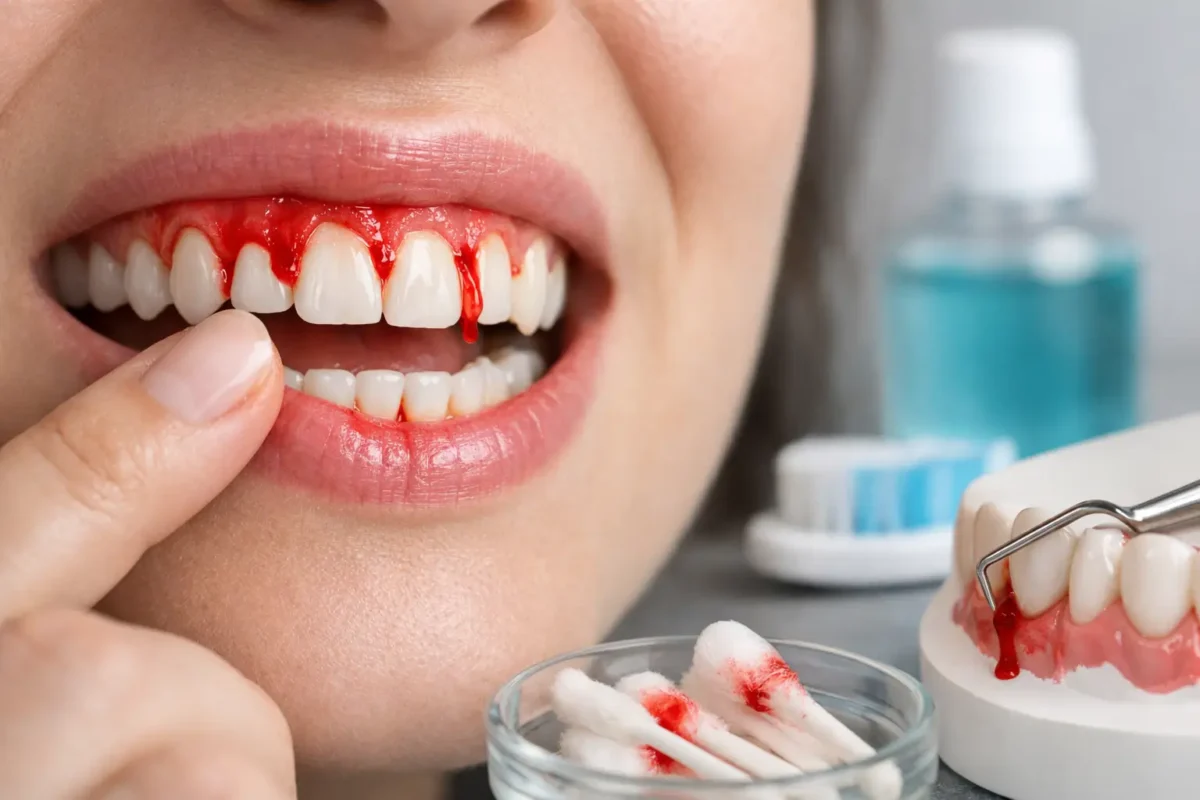
You notice a little pink in the sink after brushing and tell yourself it is probably nothing. That is a common reaction, especially when bleeding is mild or only happens once in a while. But if you are wondering por que sangran encias, your gums are usually giving you a sign worth paying attention to.
Bleeding gums are not always an emergency, but they are rarely random. In many cases, they point to irritation, inflammation, or a problem in your brushing routine. Sometimes the cause is simple and easy to correct. Other times, it is the early warning sign of gum disease that needs professional care before it becomes more serious.
Por que sangran encias: the most common reasons
The most common cause of bleeding gums is plaque buildup along the gumline. Plaque is a sticky film of bacteria that forms on the teeth every day. If it is not removed thoroughly with brushing and flossing, it starts to irritate the gums. The result is inflammation, tenderness, and bleeding, especially during brushing or flossing.
This early stage of gum disease is called gingivitis. At this point, the gums may look redder than usual, feel puffy, or bleed easily. The good news is that gingivitis is often reversible with proper hygiene and professional cleaning. The part that matters is timing. If it is ignored, it can progress into periodontitis, which affects the tissues and bone supporting the teeth.
Brushing too aggressively can also make gums bleed. Many people assume that brushing harder means cleaning better, but that is not how gums work. A toothbrush with hard bristles or heavy pressure can irritate delicate tissue and even contribute to gum recession over time. If your gums bleed but otherwise look healthy, your technique may be part of the issue.
Flossing can trigger bleeding too, especially if you have not flossed regularly for a while. This does not necessarily mean flossing is harming your gums. More often, it means the gums are already inflamed and reacting to contact. If the bleeding decreases after several days of gentle, consistent flossing, that is usually a positive sign.
Hormonal changes are another factor. Pregnancy, menstruation, and menopause can all make gum tissue more sensitive and more likely to bleed. Certain medications, including blood thinners, can also make bleeding more noticeable. In some cases, dry mouth, smoking, diabetes, vitamin deficiencies, or poorly fitting dental appliances may be involved.
When bleeding gums mean more than irritation
Not every case of bleeding gums turns into a major problem, but it is worth knowing when to take it more seriously. If your gums bleed often, not just once in a while, it is time to look beyond a simple brushing issue. Frequent bleeding suggests ongoing inflammation, and ongoing inflammation usually has a cause that needs to be addressed.
Other warning signs include persistent bad breath, gum tenderness, swelling, gum recession, teeth that look longer than before, or a bad taste in the mouth. If your gums bleed and you also notice sensitivity, loose teeth, or discomfort when chewing, the issue may have moved beyond early gingivitis.
This is where a proper dental exam makes a difference. Gum disease is not always painful in the beginning, which is one reason people put off treatment. By the time it starts interfering with daily life, it may already require more involved care than a routine cleaning.
What to do if your gums are bleeding
The first step is not to stop brushing. That is a very common mistake. If you avoid the area because it bleeds, plaque builds up faster and the inflammation often gets worse. Instead, use a soft-bristled toothbrush and brush gently along the gumline twice a day.
Floss once a day with a careful technique. If your gums are inflamed, the first few days may still involve some bleeding, but that should improve as the tissue becomes healthier. If bleeding continues beyond a week or two of consistent home care, it is worth scheduling a dental visit.
An antiseptic mouth rinse may help in some situations, but it is not a substitute for mechanical cleaning. Mouthwash can reduce bacteria, but it cannot remove plaque in the way brushing and flossing do. Think of it as support, not the main solution.
If you smoke, this is also a good moment to consider the impact on your gums. Smoking reduces blood flow and interferes with healing, which can make gum problems harder to detect and harder to treat. Quitting helps your mouth as much as it helps the rest of your health.
It is also worth checking the basics. Has your toothbrush become worn out? Are you brushing in a hurry? Have you skipped cleanings for longer than usual? Small habits often explain why bleeding starts and why it continues.
How a dentist diagnoses the cause
If you come in with bleeding gums, the goal is not just to stop the bleeding. The real goal is to find out why it is happening. That starts with an examination of the teeth and gums, along with a review of your hygiene routine, medical history, and any medications you are taking.
Your dentist or hygienist may measure the gum pockets around your teeth to see whether there are signs of deeper gum disease. They will also look for plaque and tartar buildup, areas of recession, and any local factors such as a rough filling edge or a poorly fitting crown that might be irritating the gum tissue.
Sometimes the answer is straightforward. A professional cleaning and a few changes to your technique may be enough. In other cases, more targeted periodontal care is recommended. The right treatment depends on how advanced the inflammation is and whether there is damage below the gumline.
For many international patients, clear explanation matters just as much as treatment itself. If you are receiving care in a second language, discussing symptoms like bleeding, swelling, and sensitivity can feel harder than it should. A clinic that explains findings and options clearly can make the process much less stressful.
Treatment options depend on the cause
If the issue is mild gingivitis, treatment usually begins with a professional hygiene visit to remove plaque and tartar, followed by guidance on better home care. This may include adjusting your toothbrush, changing your brushing pressure, or improving your flossing technique.
If periodontitis is present, treatment may involve deep cleaning below the gumline, more frequent hygiene visits, and careful monitoring over time. In advanced cases, periodontal treatment or surgery may be needed to stabilize the gums and protect the teeth. That sounds intimidating, but early treatment is usually simpler than people expect.
If the bleeding is linked to pregnancy, medication, or a medical condition, dental care still helps, but it may need to be coordinated with your physician. This is one of those situations where it depends. The gums may respond well to cleaning and improved hygiene, but long-term control often requires looking at the bigger health picture too.
How to lower the chances of bleeding again
Preventing bleeding gums is usually less complicated than treating advanced gum disease. The essentials are consistent and not glamorous – brush gently twice a day, floss daily, and keep up with professional cleanings. Technique matters as much as frequency.
Regular dental visits are especially useful because tartar cannot be removed at home once it hardens on the teeth. Even people who brush well can miss certain areas, particularly around crowded teeth, dental work, or orthodontic appliances. A professional cleaning helps reset things before irritation turns into a bigger issue.
If you tend to rush your routine, an electric toothbrush with a pressure sensor can help. If your gums are sensitive, your dentist may recommend specific products designed for gum health. There is no single perfect product for everyone. The best choice depends on your gums, your habits, and whether you have restorations, implants, or orthodontic appliances.
At a clinic like The British Dental Clinic, this kind of preventive care is often where patients feel the biggest difference – not just cleaner teeth, but a clearer understanding of what is happening and what to do next.
Bleeding gums are easy to dismiss when life is busy, especially if they do not hurt. Still, your mouth has a simple way of asking for attention. Listening early usually means easier treatment, healthier gums, and fewer surprises later.