Por Que Sangran Encias y Qué Hacer
junio 14, 2026
How Long Does an Implant Last?
junio 18, 2026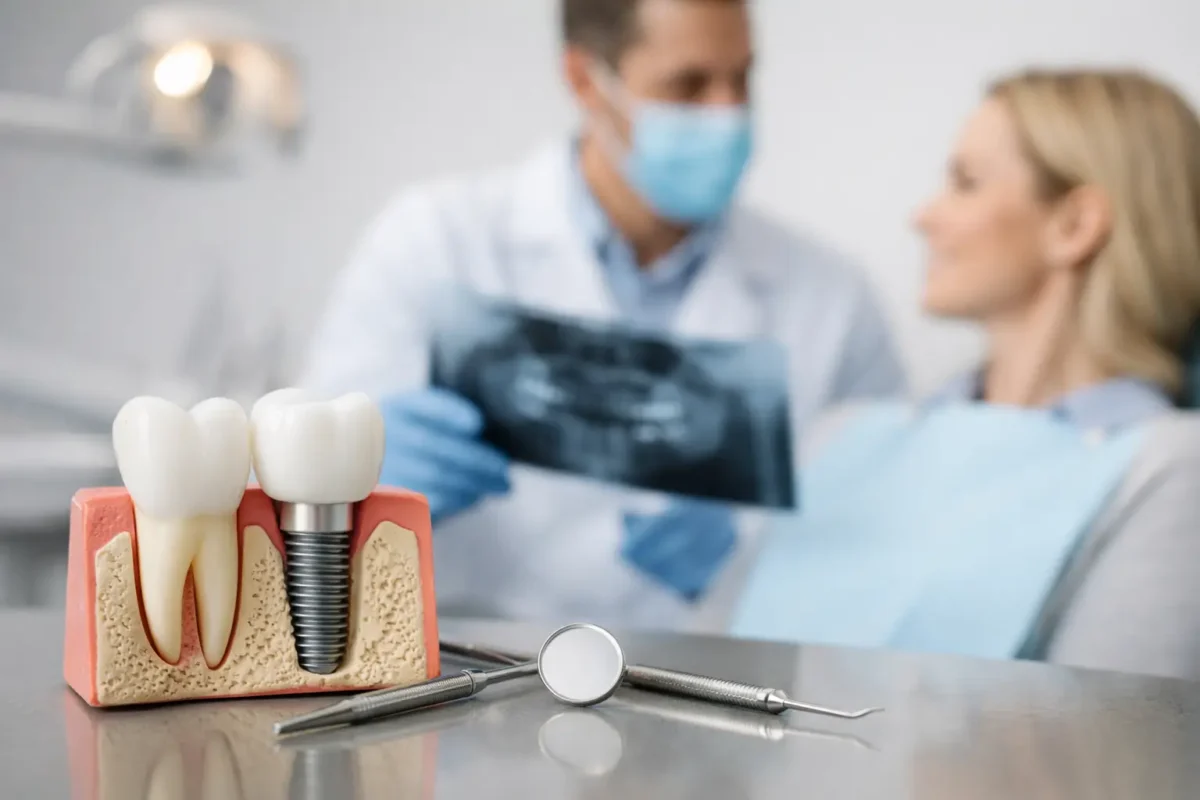
Losing a tooth changes more than your smile. It can affect how you chew, how clearly you speak, and even how confident you feel in social or professional settings. That is why implantes dentales are such a widely chosen solution – they do more than fill a gap. They restore stability, function, and a sense of normality that removable options do not always provide.
For many patients, the first question is not whether implants work. It is whether they are the right choice for their situation. The honest answer is that it depends on your oral health, the condition of the bone, your goals, and how quickly you want treatment completed. A good implant plan is never one-size-fits-all.
How implantes dentales actually work
A dental implant is a small titanium post placed into the jawbone where a tooth root used to be. Over time, the bone heals around it and holds it firmly in place. Once the implant has integrated, it supports a custom restoration, usually a crown, although implants can also support bridges or dentures.
What makes this option different is the way it replaces the root as well as the visible tooth. That matters because the root helps stimulate the bone. When a tooth is missing for too long, the bone in that area can begin to shrink. A bridge may restore appearance and function, but it does not replace the root itself. A removable denture may be faster and less expensive at first, but some patients find it less secure or less natural in daily life.
This is one reason implants are often seen as a long-term investment rather than a quick fix. They are designed to feel stable, look natural, and support the health of the jaw over time.
Who is a good candidate for implantes dentales?
Many healthy adults are suitable candidates, but eligibility is based on more than age. The key factors are gum health, bone volume, oral hygiene habits, and general medical history. If you have untreated gum disease, active infection, or significant bone loss, those issues may need to be addressed before implant placement.
Smoking does not automatically rule implants out, but it can affect healing and increase the risk of complications. Certain medical conditions, such as uncontrolled diabetes, may also influence timing and treatment planning. This does not mean implants are off the table. It means planning needs to be careful and realistic.
A thorough assessment is what makes treatment safe and predictable. In a modern clinic, that usually includes digital imaging, a detailed exam, and a discussion about your bite, smile goals, and any concerns you may have about comfort, timing, or cost. For international patients or anyone managing treatment in a second language, clear communication here is not a luxury. It is part of good care.
What if you have been missing a tooth for years?
This is very common. Long-standing tooth loss can lead to bone reduction, but it does not automatically prevent implant treatment. In some cases, bone grafting may be recommended to rebuild support in the area. In others, the available bone is still sufficient, especially with careful digital planning and guided implant placement.
The important point is not to assume you have missed your chance. Many people come in believing they are not candidates, only to find there is still a very workable solution.
The implant process from consultation to final crown
The process usually starts with diagnosis and planning. Your dentist evaluates the site, takes scans, reviews your medical history, and explains the treatment options. This is also the time to discuss alternatives, expected timelines, and how many appointments may be needed.
If the tooth is still present but cannot be saved, extraction may be the first step. In some situations, the implant can be placed on the same day as the extraction. In others, it is better to allow the site to heal first. The right approach depends on infection, bone quality, and how much primary stability can be achieved at placement.
After the implant is placed, the healing phase begins. This is when the implant integrates with the bone. Healing times vary, but a few months is typical. Some patients can receive a temporary tooth sooner, especially in visible areas, while others are advised to wait until the implant is fully ready for the final restoration.
Once healing is complete, impressions or digital scans are taken for the final crown. That crown is shaped and shaded to match the surrounding teeth so the result feels balanced and natural. In the best cases, patients stop thinking about the tooth altogether. It simply becomes part of normal life again.
Are same-day implants always possible?
Same-day solutions can be excellent in the right case, especially when a patient wants to avoid a long gap or minimize appointments. But they are not the best option for everyone. If there is active infection, inadequate bone, or too much pressure on the implant from the bite, immediate loading may carry more risk.
This is where an experienced team matters. The goal should not be speed for its own sake. The goal is a result that is both efficient and durable.
Does implant treatment hurt?
This is one of the most common concerns, and it is understandable. Most patients are surprised by how manageable the procedure feels. Implant placement is typically done under local anesthesia, and many people report that it was easier than they expected, often less uncomfortable than a difficult extraction.
You may have some soreness, swelling, or minor bruising afterward, especially for the first few days. That is normal. A well-planned procedure, clear aftercare instructions, and appropriate pain relief usually make recovery straightforward.
Dental anxiety is another part of the conversation. A calm environment, a dentist who explains each step, and enough time for questions can make a significant difference. Patients who have had rushed or impersonal dental experiences in the past often value this just as much as the clinical skill itself.
How long do dental implants last?
Implants are designed to be a long-term solution, and many last for decades. Their success depends on several factors: accurate placement, good bone support, healthy gums, and consistent home care. The implant itself can last a very long time, but the crown attached to it may need maintenance or replacement over the years, just like other dental restorations.
This is why follow-up care matters. Regular checkups and hygiene visits help detect any early issues around the implant, including inflammation in the gums or excess force from grinding. Longevity is not only about the procedure day. It is about the care that follows.
What affects the cost of implantes dentales?
Cost varies based on the complexity of the case. A straightforward single implant with a crown is different from a case that needs extraction, grafting, multiple implants, or a full-arch restoration. The materials used, the quality of diagnostics, the design of the final restoration, and the level of planning involved all influence the final fee.
This is where transparency matters. Patients should understand what is included, what may be optional, and whether additional procedures are likely. Lower headline pricing can sometimes leave out key elements of treatment. A clear written plan is usually a better guide than a single advertised number.
For many people, the decision comes down to balancing upfront cost with long-term value. A less expensive option may solve the immediate problem, while an implant may offer better stability, comfort, and preservation of surrounding structures over time. Neither choice is automatically right. It depends on priorities, budget, and the clinical picture.
When an implant may not be the best option
Implants are an excellent treatment, but they are not the answer in every case. If a tooth can be predictably saved with root canal treatment and a crown, preserving the natural tooth may be preferable. If overall health or oral conditions make implant surgery less ideal, a bridge or denture may be the more practical route.
Good dentistry is not about steering every patient toward the same treatment. It is about understanding the trade-offs and choosing what fits the person in front of you. In a practice like The British Dental Clinic, that means taking time to explain choices clearly, especially for patients who want certainty before committing to treatment.
If you are considering implants, the most helpful next step is not to guess from symptoms or online photos. It is to have the area assessed properly, ask direct questions, and make your decision with a full picture of what is possible. The right treatment plan should leave you feeling informed, not pressured.