How to Choose a Dentist Abroad With Confidence
octubre 10, 2026
How to Prepare for Tooth Extraction Calmly
octubre 14, 2026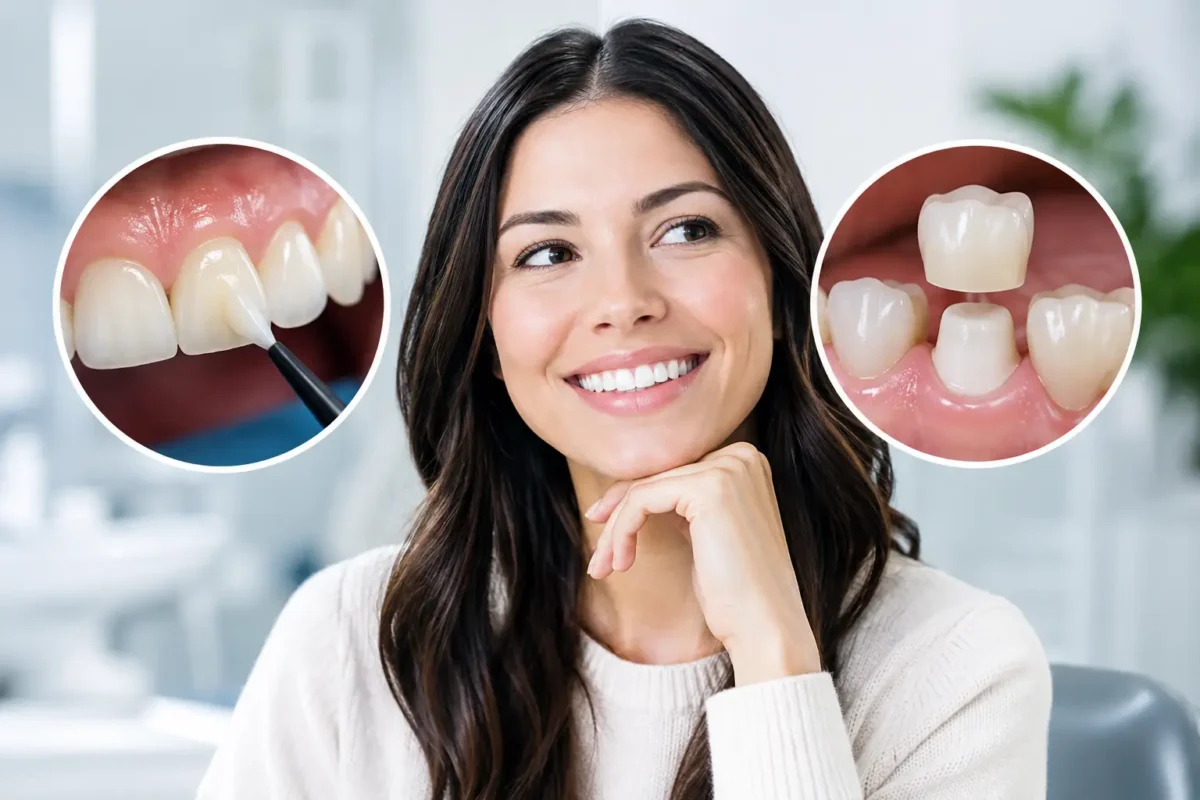
A chipped front tooth before a client meeting, an old filling that keeps breaking, or a tooth that feels weaker after root canal treatment can all raise the same question: dental bonding versus crowns – which treatment is actually right for you? The best answer is rarely about choosing the “better” option in general. It is about protecting the amount of healthy tooth you have, meeting your cosmetic goals, and choosing a solution that fits how you bite, eat, and care for your smile.
Bonding and crowns can both create beautiful, natural-looking results. They do very different jobs, however. A thoughtful examination, often supported by digital imaging and bite assessment, helps determine whether a conservative repair is enough or whether the tooth needs full coverage and greater protection.
Dental Bonding Versus Crowns: The Key Difference
Dental bonding uses tooth-colored composite resin to repair or reshape part of a tooth. Your dentist carefully layers and sculpts the material directly onto the tooth, then hardens and polishes it. It is commonly used for small chips, worn edges, gaps, minor discoloration, and modest changes in tooth shape.
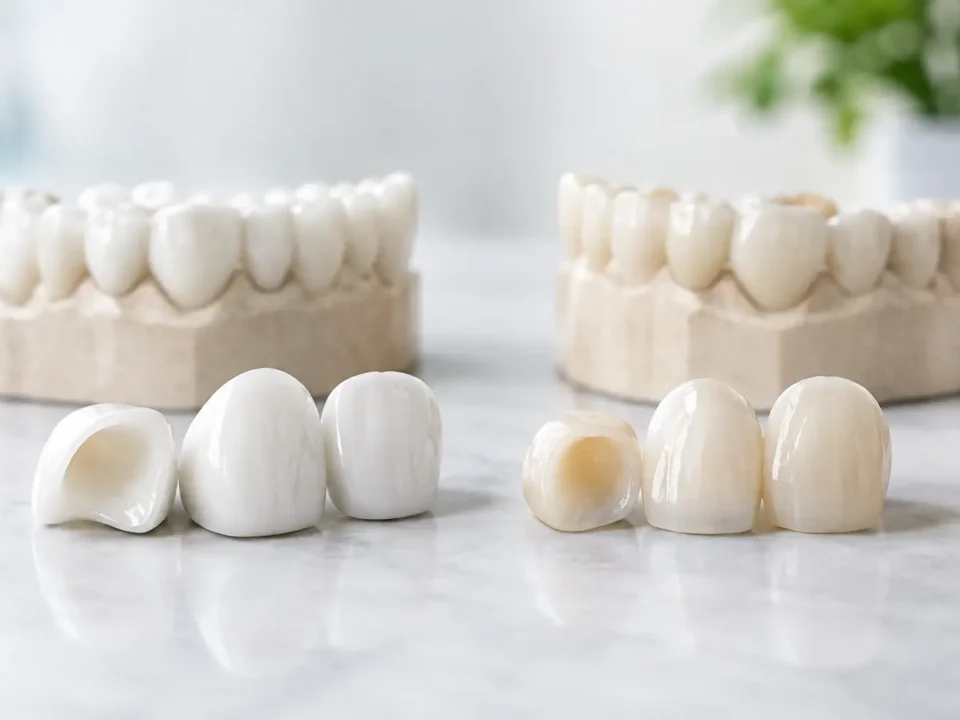
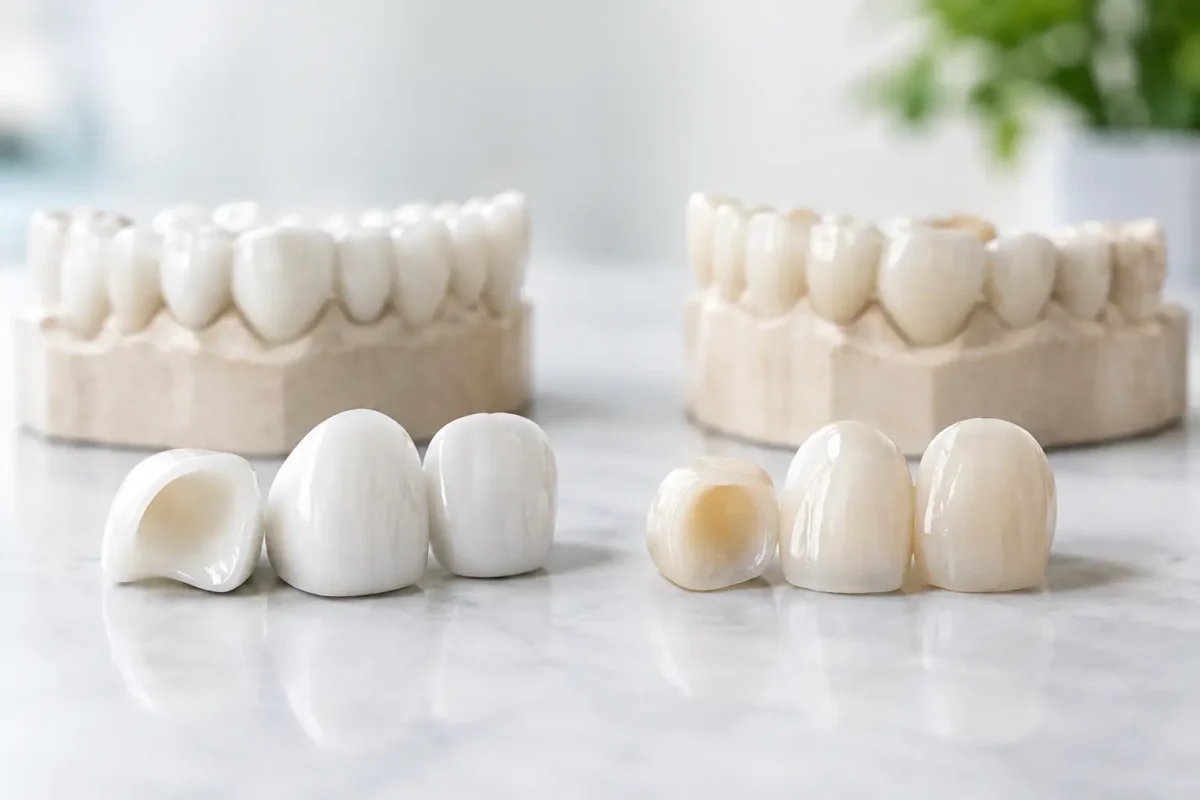
A crown is a custom-made cover that fits over the entire visible portion of a tooth. Modern crowns may be made from ceramic, porcelain, zirconia, or other materials selected for the location of the tooth and the demands placed on it. Because a crown surrounds the tooth, it can restore strength as well as appearance when a tooth has lost significant structure.
Put simply, bonding adds to a tooth. A crown covers and protects it. That distinction matters because dentistry aims to preserve healthy natural enamel whenever possible, while still giving a weakened tooth the support it needs.
When Dental Bonding May Be the Right Choice
Bonding is often a conservative choice when the tooth is healthy overall and the concern is limited to a small area. For example, it can be an excellent solution for a small chip caused by an accident, a slightly uneven incisor, or a narrow gap between front teeth. In many cases, little to no natural tooth structure needs to be removed.
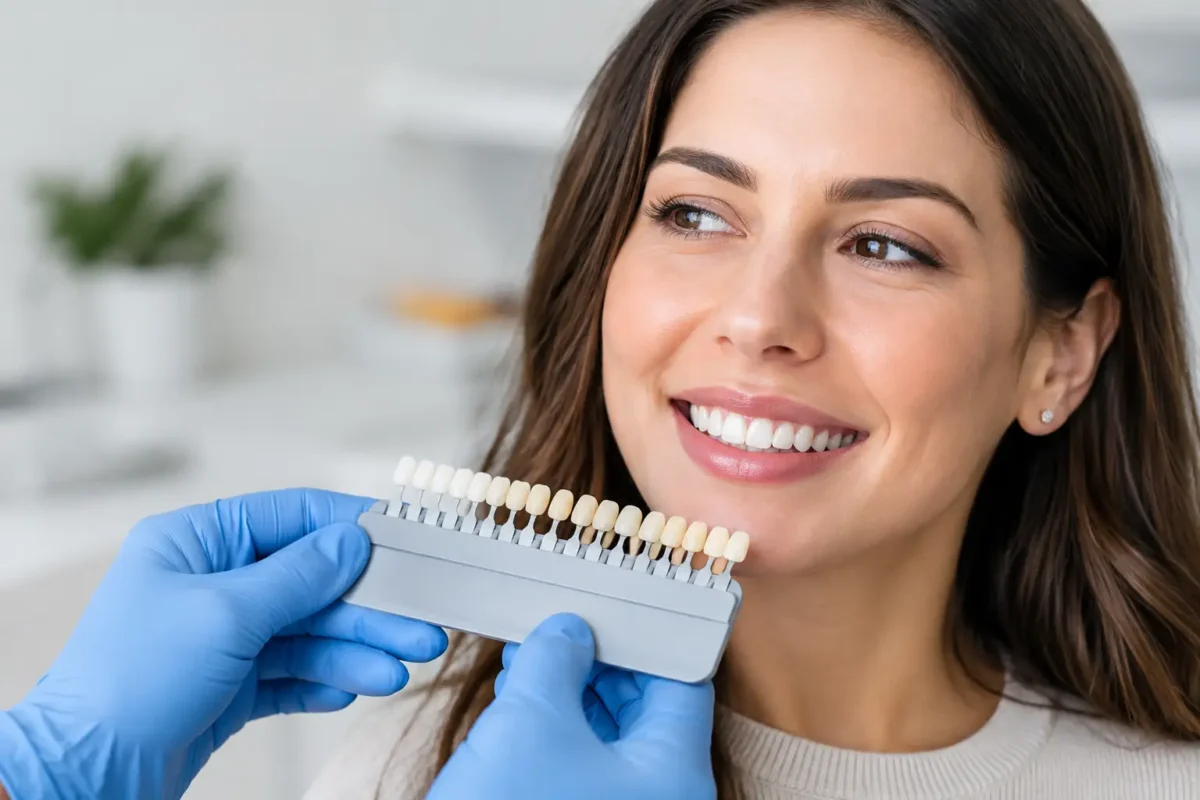
The appointment is usually completed in one visit. The dentist selects a resin shade that blends with your surrounding teeth, then shapes it with attention to symmetry, light reflection, and your natural smile line. For international patients with a busy schedule in Barcelona, the convenience of a same-day cosmetic improvement can be particularly appealing.
Bonding can also be easier to repair than a crown. If a small area chips years later, your dentist can often add or polish composite rather than replace an entire restoration. It is generally a more affordable starting point, especially when treating one minor cosmetic concern.
That said, composite resin is not as strong or stain-resistant as the materials used for many crowns. Coffee, red wine, tobacco, and highly pigmented foods can gradually affect its color. Bonding may also chip or wear sooner in people who bite their nails, chew ice, grind their teeth, or have a heavy bite.
When a Crown Offers Better Protection
A crown is usually recommended when a tooth is structurally compromised, not merely imperfect in appearance. This may include a tooth with a large filling, deep decay, multiple fractures, considerable wear, or a history of root canal treatment. In these situations, placing more composite on the outside may improve the look temporarily without addressing the risk of the remaining tooth breaking.
Back teeth, which absorb strong chewing forces every day, are especially common candidates for crowns. A well-designed crown redistributes pressure around the tooth and can help prevent a crack from progressing into a more serious problem. Crowns are also used to restore severely broken teeth when enough healthy structure remains to support the restoration.
The trade-off is that crown preparation is more involved. To create room for the custom crown, the dentist must reshape the tooth. This is irreversible, which is why a crown should be chosen for a clear clinical reason rather than as a default cosmetic treatment for every concern.
At a clinic with in-house digital technology, some crown cases may be planned and completed efficiently, sometimes even on the same day when clinically suitable. More complex cases may require additional appointments or a temporary crown while the final restoration is made. Your dentist should explain the process, timing, material options, and expected costs before treatment begins.
Appearance: Can Both Look Natural?
Yes. Both treatments can be designed to look very natural when they are planned carefully. The more relevant question is which one can achieve your desired result predictably and maintain it over time.
For small changes to one or two front teeth, bonding can provide a remarkably subtle result. It allows the dentist to adjust a corner, close a small space, or create better balance without changing the whole tooth. It is also useful when you want to test a minor cosmetic change before committing to more extensive treatment.
Crowns can produce excellent color, shape, and translucency, particularly when a tooth already needs full coverage. They may be a better choice for a tooth that is very dark, heavily restored, or significantly misshapen. However, placing a crown on a healthy tooth solely to make a minor cosmetic adjustment can be more treatment than necessary.
If you are considering whitening, it is worth discussing the timing first. Neither bonding nor crowns whiten with bleaching products. Whitening your natural teeth before selecting the shade of a new restoration can help create a more consistent result.
Durability, Maintenance, and Your Bite
No restoration lasts forever, but good planning and care can make a meaningful difference. Bonding often lasts several years before it needs polishing, repair, or replacement. Crowns commonly last longer, although their lifespan depends on the material, the tooth underneath, your bite, and daily habits.
Both require the same essentials: twice-daily brushing with fluoride toothpaste, cleaning between teeth every day, regular hygiene visits, and routine checkups. A crown cannot decay, but the natural tooth at its edges still can. Gum health is equally important, since healthy gums create the foundation for a restoration that looks and feels right.
If you clench or grind your teeth, a custom night guard may help protect both bonding and crowns. This is not a minor detail. An otherwise well-made restoration can fail early if it repeatedly absorbs forces it was not designed to withstand.
How Cost Should Influence the Decision
Bonding is typically less expensive initially because it uses less laboratory work and can often be completed in one appointment. A crown generally costs more because it requires more planning, preparation, materials, and fabrication. But the lower upfront cost is not always the better value if a tooth actually needs stronger protection.
Conversely, paying for a crown when conservative bonding would meet your needs may mean removing more healthy enamel than necessary. The most useful conversation is not “Which option is cheaper?” but “What is the most appropriate treatment for this tooth, and what maintenance might it require over time?”
A clear treatment plan should set out the condition of the tooth, the recommended option, reasonable alternatives, expected longevity, and fees. This clarity is especially valuable if you have had treatment elsewhere or are coordinating dental care around travel and work commitments.
Choosing With Confidence
The right choice often becomes clearer after a close examination. A small front-tooth chip with healthy enamel may be ideal for bonding. A molar with a large old filling and cracks may be much safer with a crown. Some situations sit in the middle, where a larger composite restoration, an onlay, or staged treatment may be discussed.
At The British Dental Clinic, the aim is to make that decision feel understandable rather than overwhelming. You should know what your tooth needs, why it needs it, and what each option means for your comfort, appearance, and long-term oral health.
A restoration should do more than look good in a mirror. It should let you speak, eat, and smile with the quiet confidence that your tooth is being cared for appropriately.