Can Whitening Damage Enamel? What to Know
septiembre 30, 2026
Barcelona Emergency Dental Guide for Urgent Care
octubre 4, 2026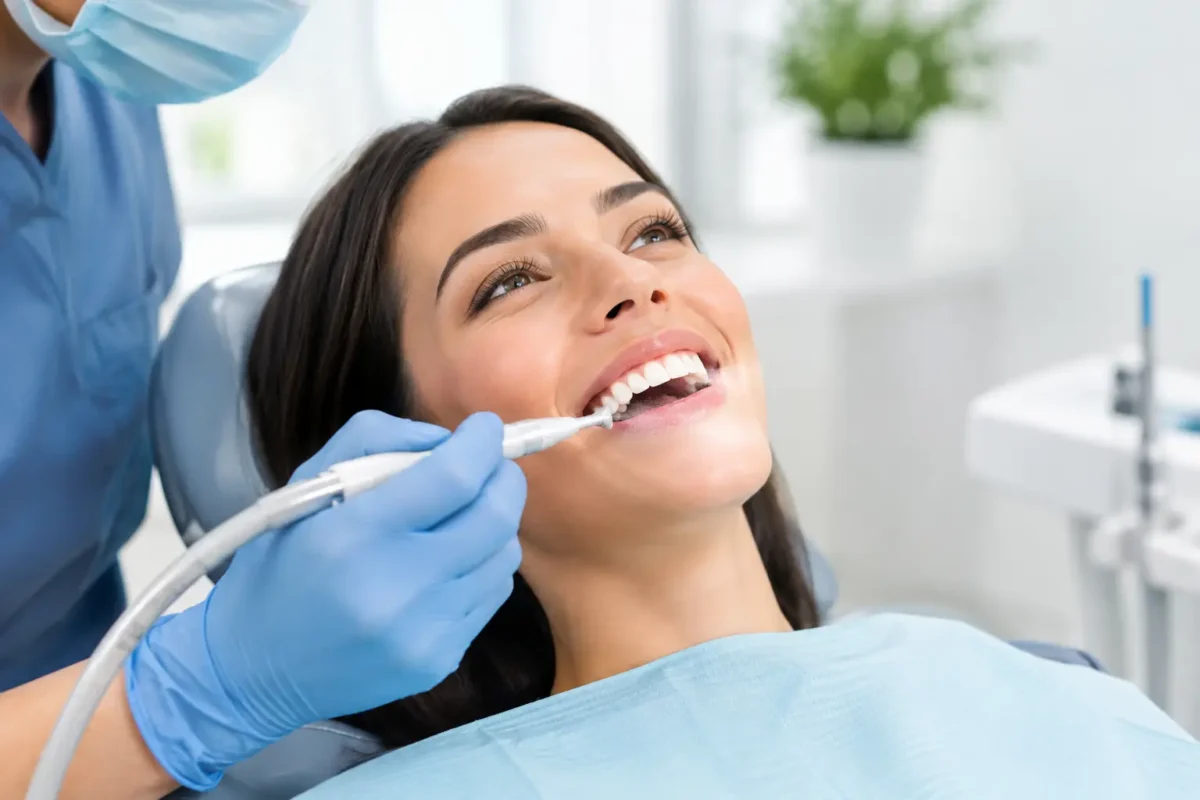
Coffee stains near the gumline, a dull feeling after a busy season, or plaque in the spots a toothbrush misses can make even a healthy smile feel less fresh. Airflow hygiene Barcelona appointments offer a comfortable, modern way to clean teeth thoroughly while helping to lift surface stains and disrupt the bacterial buildup that contributes to gum disease.
This is not simply a cosmetic polish. Airflow is a professional hygiene treatment designed to support long-term oral health, particularly for patients who want a gentle but effective clean without the scraping sensation they may associate with a traditional hygiene visit.
What Is Airflow Hygiene?
Airflow hygiene uses a controlled stream of warm water, air, and a fine cleaning powder to remove soft plaque, biofilm, and many surface stains from the teeth and around the gumline. Biofilm is the sticky layer of bacteria that reforms on teeth every day. If it is not removed effectively, it can irritate the gums and, over time, contribute to cavities and periodontal problems.
The powder used is selected for professional dental cleaning and is much finer than the abrasive pastes many patients remember from older polishing methods. This allows the clinician to clean efficiently around natural teeth, restorations, orthodontic appliances, and other areas where plaque can collect.
For many patients, the most noticeable difference is comfort. Rather than relying only on hand instruments, the treatment can feel lighter and less intense. Some tartar, also called calculus, may still need to be removed with ultrasonic or hand instruments. Airflow does not replace every part of a hygiene appointment, but it can make the cleaning process more complete and pleasant.
Why Patients Choose Airflow Hygiene in Barcelona
Barcelona’s international community often values care that is both efficient and clearly explained. Whether you are balancing work, travel, family commitments, or a recent move, a hygiene visit should not feel rushed or unclear. Airflow is well suited to patients who want to understand what is being done and why.
It is especially useful for people who notice tea, coffee, red wine, or tobacco-related staining. The treatment can improve the look of the teeth by removing external discoloration, leaving the smile cleaner and brighter-looking. However, it is not the same as professional whitening. Whitening changes the internal shade of tooth enamel, while Airflow removes deposits sitting on the surface.
That distinction matters when setting expectations. If your main concern is a yellow or darker overall tooth shade, whitening may be a better next step after hygiene. If your teeth have become dull because of daily stains and buildup, Airflow may deliver the fresh, polished result you are looking for.
What Happens During an Airflow Appointment?
A good hygiene appointment begins with an assessment, not a one-size-fits-all cleaning. Your dentist or hygienist will review your oral health, ask about sensitivity or bleeding gums, and look for areas of plaque, tartar, staining, and gum inflammation. This also creates an opportunity to discuss home care habits without judgment.
The Airflow treatment is then directed carefully across each tooth surface and along the gumline. The fine powder and water remove soft deposits in places that may be difficult to clean with brushing alone, including between teeth, around brackets, and near restorations. If hardened tartar is present, your clinician may use additional instruments to remove it safely.
At the end of the visit, you should know what was found, how your gums are responding, and when to return. Clear guidance is particularly valuable if you have implants, crowns, veneers, braces, or a history of gum disease, as your ideal maintenance schedule may differ from someone with low-risk oral health.
Who Can Benefit Most?
Airflow can be a useful option for most adults who need a professional hygiene visit, but the right approach depends on your mouth. Patients with healthy gums may choose it as part of routine preventive care. Those with early gum inflammation may benefit from more focused cleaning and advice to improve brushing and interdental cleaning at home.
It can also be particularly helpful for patients with:
- Surface staining from coffee, tea, wine, or tobacco
- Orthodontic braces or fixed retainers that trap plaque
- Dental implants, crowns, veneers, or bridges that need careful maintenance
- Sensitive teeth or anxiety about traditional scaling
- A history of gum disease requiring regular professional support
For patients with active periodontal disease, deep pockets, significant tartar, or acute dental symptoms, a standard Airflow session alone may not be enough. A dentist may recommend periodontal treatment first or combine Airflow with a more detailed cleaning plan. This is not a limitation of the technology. It is simply the difference between maintaining healthy gums and treating established disease.
Is Airflow Safe for Veneers, Implants, and Braces?
When performed by a trained dental professional using the appropriate settings and powder, Airflow can be suitable for many restorative and orthodontic situations. It is often valued because it can clean around delicate contours and hard-to-reach areas without aggressive polishing.
Still, every restoration has its own considerations. Veneers and crowns need cleaning that protects their margins. Implants require ongoing monitoring because inflammation around an implant can progress quietly. Braces create extra plaque-retentive surfaces, making home cleaning more challenging. Your clinician should tailor the hygiene method to your specific treatment and current gum health.
If you have had recent dental work, tell the team before your appointment. A personalized approach is always safer and more effective than assuming every cleaning is identical.
How Often Should You Book Airflow Hygiene?
For many people, a professional hygiene appointment every six months fits well alongside regular dental checkups. But six months is a guideline, not a rule. Some patients need more frequent visits because of gum disease, heavy plaque accumulation, smoking, dry mouth, diabetes, orthodontic treatment, or implant maintenance needs.
Others may need less frequent hygiene support if their gums are healthy and their home routine is consistently effective. The most useful interval is the one based on your individual risk, not a generic calendar reminder.
Between appointments, the basics remain powerful: brush twice daily with fluoride toothpaste, clean between the teeth every day, and attend checkups even when nothing hurts. Gum disease and early decay can be subtle, which is why preventive visits are so valuable.
A Comfortable Standard of Preventive Care
At The British Dental Clinic, hygiene care is approached as part of a wider conversation about your health, comfort, and goals for your smile. That may mean a routine Airflow clean before an important event, maintenance around implants or orthodontics, or a more detailed plan when bleeding gums need attention.
The aim is not to pressure you into treatment. It is to give you a clear picture of what your teeth and gums need, explain the available options in plain English, and help you make an informed decision.
A cleaner smile can be an immediate confidence boost, but the greater benefit is knowing that small issues are being watched before they become more complicated. If your teeth no longer feel as fresh as they should, a professional hygiene visit is a practical place to begin.