Airflow Cleaning Versus Scaling: Which Is Right?
noviembre 19, 2026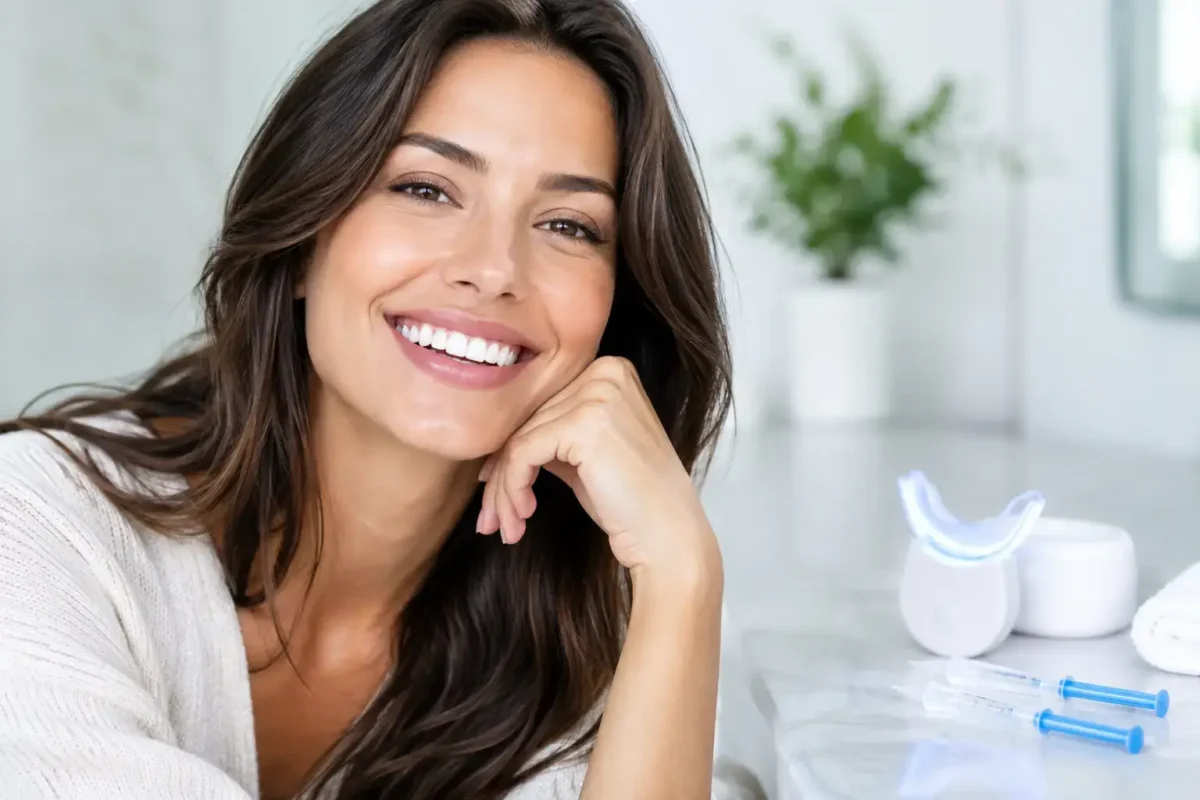
A good teeth whitening review should answer more than one question: will your smile look brighter? Whitening can make a meaningful difference, particularly when teeth have become darker from coffee, tea, red wine, tobacco, or natural aging. But the best option depends on the type of staining, the condition of your teeth and gums, and how much change you want to see.
For many adults, the appeal is simple. A brighter smile can feel more polished at work, in photographs, and in everyday conversations. The treatment itself, however, is not one-size-fits-all. Professional whitening, dentist-supervised home whitening, and store-bought products all have a place, but they vary significantly in comfort, predictability, and results.
What a Teeth Whitening Review Should Consider
It is easy to compare whitening products by price or by promises on the packaging. A more useful comparison looks at the full picture: the likely shade improvement, how evenly teeth whiten, the potential for sensitivity, and whether the treatment is appropriate for your mouth.
The first consideration is the cause of discoloration. Surface stains from food, drinks, and smoking may respond well to whitening after a professional hygiene appointment. Deeper yellowing that develops with age can also improve, although results vary by person. Gray discoloration, staining linked to certain medications, and color changes inside a tooth may need a different approach, such as internal whitening, bonding, or a veneer.
Your starting shade also matters. Whitening does not create an artificial, paper-white smile in every case. The goal is usually a lighter, fresher version of your natural tooth color that still suits your complexion and looks believable when you speak and smile.
Professional Whitening vs. At-Home Options
Professional care tends to offer the clearest path for patients who want reliable results with clinical guidance. Before treatment begins, a dentist can check for cavities, leaking fillings, gum inflammation, enamel wear, or exposed roots. Whitening over untreated dental problems can be uncomfortable and may not be advisable.
In-Office Whitening
In-office whitening is designed for patients who want a noticeable result in a short appointment. A clinician applies a whitening gel while carefully protecting the gums and soft tissues. The teeth are monitored throughout treatment, which allows the approach to be adjusted if sensitivity develops.
The main advantage is convenience and professional control. It can be a strong choice before a wedding, important presentation, or trip, although it is still best to plan ahead rather than whitening at the last minute. Some patients see a significant improvement after one visit, while others benefit from a combined approach that includes take-home trays for refinement.
The trade-off is that in-office treatment is generally more expensive than buying strips or generic trays. For many patients, that difference reflects the examination, gum protection, quality of materials, and personalized follow-up rather than simply the whitening gel itself.
Dentist-Supervised Take-Home Whitening
Custom take-home trays offer a more gradual approach. The trays are made to fit your teeth closely, helping the whitening gel stay where it is needed and reducing unnecessary contact with the gums. Treatment is completed at home over a period recommended by your dentist.
This option is often ideal for people who prefer flexibility, want to control the pace of whitening, or are prone to sensitivity. If teeth become sensitive, wear time can often be shortened or treatment paused. Custom trays may also be useful for future touch-ups, provided your dentist confirms they remain appropriate.
Store-Bought Strips, Pens, and Kits
Over-the-counter products can help with mild surface staining and can be a reasonable entry point for someone with healthy teeth and modest expectations. They are accessible and less costly, but the fit is not customized. This can lead to uneven whitening, irritation if gel reaches the gums, or less noticeable results.
Whitening toothpaste deserves a separate mention. It can help remove some external stains through polishing ingredients, but it does not usually change the internal color of teeth in the same way peroxide-based whitening can. Abrasive toothpastes used too aggressively may also contribute to sensitivity or wear over time.
Who Gets the Best Results From Whitening?
Whitening works on natural tooth enamel. It does not lighten crowns, veneers, bridges, fillings, or dental implants. If you have visible restorations, your dentist should discuss this before treatment so you can avoid ending up with natural teeth that are lighter than a front crown or filling.
This does not mean whitening is off limits. It may simply require careful sequencing. For example, whitening natural teeth first can help a dentist select the right shade for a planned crown, veneer, or composite bonding. That approach can create a more consistent final result.
Whitening may need to wait if you have active gum disease, untreated decay, cracked teeth, significant enamel erosion, or severe sensitivity. Pregnant or breastfeeding patients are commonly advised to postpone elective whitening as a precaution. A clear assessment is not an unnecessary extra step. It is how treatment stays safe, comfortable, and tailored to your needs.
How Long Do Whitening Results Last?
Results can last from several months to a few years. The range is broad because everyday habits make a real difference. Coffee, tea, red wine, smoking, and richly colored foods can gradually darken teeth again, particularly in the first few days after treatment.
You do not need to give up everything you enjoy to maintain your results. Rinsing with water after staining drinks, keeping up with regular hygiene visits, and using a straw for cold beverages when practical can help. Occasional touch-up whitening is also common and is usually more conservative than starting from your original shade again.
A professional cleaning before whitening can be valuable because it removes plaque and surface deposits that can affect how evenly the gel contacts the tooth surface. It also gives your dentist a clearer view of your natural starting color.
Sensitivity, Safety, and Realistic Expectations
Temporary sensitivity is the most common concern with whitening. You may notice a brief zing in one or more teeth, particularly with cold food or drink. This is usually temporary, but it should not be ignored or pushed through if it becomes intense.
A dentist can reduce the chance of discomfort by recommending the right concentration, shorter application times, or a desensitizing toothpaste. Patients with recession, exposed roots, cracks, or a history of sensitivity may need a slower treatment plan. More whitening product is not always better. The right amount, used correctly, tends to produce better results with fewer unpleasant surprises.
Be cautious about unregulated products or treatments that promise dramatic change with no examination. Whitening is generally safe when used appropriately, but it is not a substitute for dental care. Pain, swollen gums, bleeding, or persistent sensitivity are reasons to stop and seek professional advice.
Choosing a Whitening Provider With Confidence
A worthwhile consultation should feel clear rather than pressured. You should understand which whitening option is being recommended, what results are realistic for your teeth, how sensitivity will be managed, and what the total cost includes. Photos or shade comparisons can be helpful because they give you a realistic way to track progress.
For international patients in Barcelona, clear communication is especially valuable when discussing cosmetic treatments. At The British Dental Clinic, whitening planning begins with listening to your goals and assessing your oral health, so you can make a decision with confidence rather than guesswork.
The most satisfying whitening results rarely come from chasing the brightest possible shade. They come from choosing an approach that protects your teeth, fits your routine, and leaves you comfortable showing your smile.