Como cuidar carillas dentales every day
noviembre 15, 2026
Airflow Cleaning Versus Scaling: Which Is Right?
noviembre 19, 2026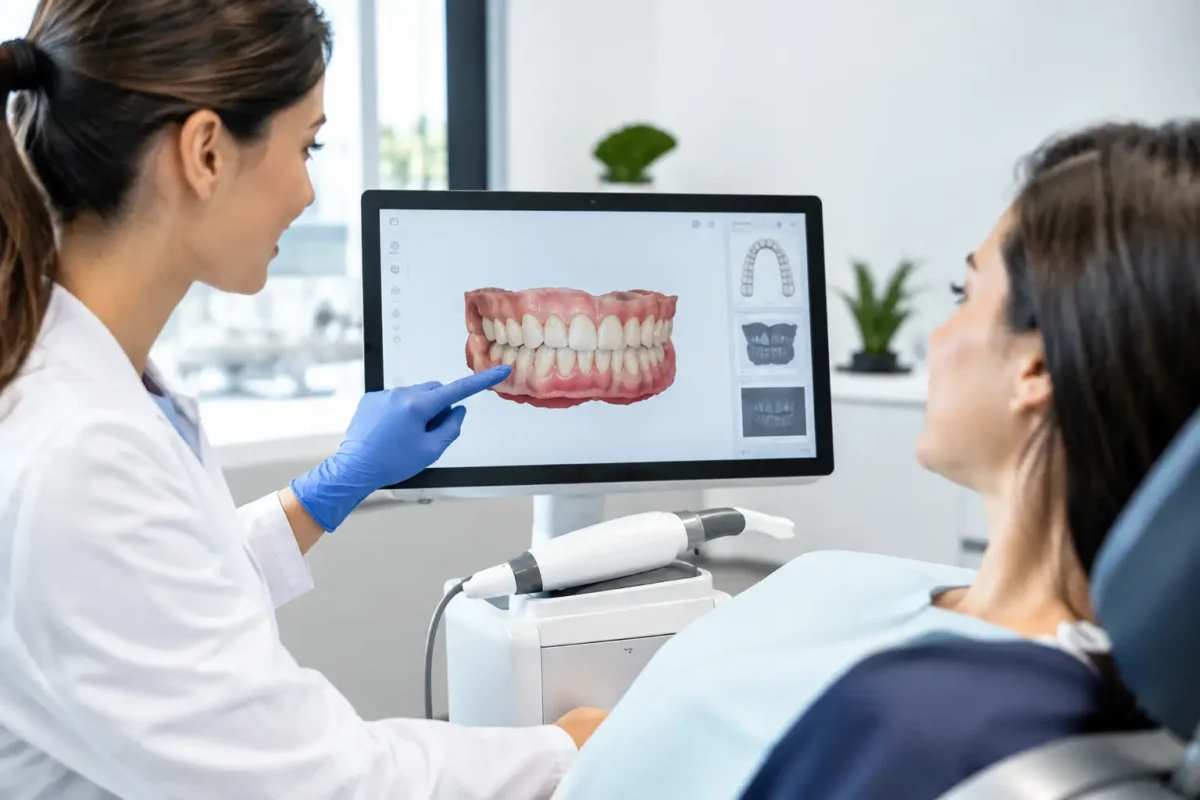
A crown that once required messy impressions and several weeks of waiting may now be planned from a detailed digital scan and, in suitable cases, completed much sooner. For patients, that is the real value of digital dentistry trends: not technology for its own sake, but clearer decisions, more accurate treatment, and a calmer experience in the dental chair.
The most useful advances are changing how dentists assess teeth, explain options, and deliver treatments such as crowns, implants, orthodontics, and preventive care. Still, digital tools are not a substitute for clinical judgment. The right approach depends on your oral health, goals, timeline, and budget.
Digital Dentistry Trends That Matter to Patients
Digital dentistry covers a broad group of tools that capture information, plan treatment, and help dentists carry it out with greater precision. Some technologies are already a normal part of high-quality care. Others are especially valuable for complex cases, such as multiple implants or cosmetic smile redesigns.
What patients often notice first is better communication. Instead of trying to picture a treatment from a verbal explanation alone, you may be able to see a 3D image of your teeth, a proposed implant position, or a preview of how a restoration could fit. This makes it easier to ask informed questions and compare appropriate options before treatment begins.
Intraoral scans are replacing traditional impressions
An intraoral scanner creates a highly detailed digital model of your teeth and gums using a small camera. For many people, it is far more comfortable than conventional impression material, particularly if they have a strong gag reflex or feel anxious about dental visits.
These scans are commonly used for crowns, bridges, veneers, retainers, aligners, night guards, and implant restorations. They can improve the fit of a final restoration because the dental team has a precise digital record to work from. If an adjustment is needed later, the scan can also make it easier to reproduce or revise a restoration.
However, a scan is only one part of the process. Gum health, bite forces, tooth preparation, and the skill of the dentist and laboratory all affect the final result. A digital scan can enhance accuracy, but it cannot compensate for rushed planning or poor material choices.
3D imaging supports safer implant planning
For implant treatment, 3D cone beam CT imaging can show the jawbone, nearby nerves, sinus spaces, and existing teeth in much greater detail than a standard two-dimensional X-ray. This information helps the dentist determine whether an implant is appropriate, where it can be placed, and whether bone grafting or another preparatory procedure may be needed.
When a scan is combined with digital planning software, the team can plan implant placement before the procedure. In selected cases, this plan is used to create a surgical guide that helps transfer the proposed position to the mouth with a high level of control.
Guided implant surgery can be especially helpful when anatomy is complex, several implants are being placed, or an immediate temporary tooth is being considered. It does not make every implant procedure identical or risk-free. Healing capacity, gum condition, bone quality, and home care still play major roles in long-term success. The benefit is more predictable planning, not a promise that every case can be completed in one visit.
Same-day restorations can reduce waiting time
Digital workflows can shorten the journey from diagnosis to a finished crown in some circumstances. A digital scan, computer-aided design, and in-clinic milling or coordinated laboratory work may allow a crown to be made efficiently, sometimes on the same day.
This can be a practical option for busy professionals, travelers, and anyone who would prefer fewer appointments. It may also reduce the time spent in a temporary crown, which can occasionally feel less comfortable or require extra care when eating.
The best choice is not always the fastest one. More complex cosmetic work, restorations involving several teeth, and cases that require careful bite testing may benefit from additional planning time or a specialist dental laboratory. A good dentist will explain why a same-day solution is suitable, or why a staged approach may produce a better result.
How Digital Planning Improves Cosmetic Decisions
Cosmetic dentistry is becoming more visual and collaborative. Digital photographs, scans, and smile-design software can help patients understand how changes to tooth shape, length, spacing, or color may affect their smile as a whole.
For veneers, bonding, crowns, or whitening plans, this can be valuable because cosmetic treatment is personal. Two smiles can be technically excellent yet look very different. Digital planning creates a useful starting point for discussing proportions and expectations, but it should not pressure anyone into a standardized look.
A preview is also not a guarantee. The final result may need to account for natural tooth structure, gum contours, bite function, and the characteristics of the chosen material. The most natural-looking outcomes tend to come from a careful conversation about what you want to change and what you want to preserve.
At The British Dental Clinic, digital planning is used as part of a wider commitment to transparent treatment discussions. Patients should understand what is being recommended, why it is appropriate, what alternatives exist, and what the expected costs and timelines involve.
Clear aligners benefit from digital monitoring and planning
Digital scans have transformed orthodontic planning for adults. Rather than relying only on physical models, dentists can use a 3D record to map tooth movement and design aligners or other orthodontic appliances with a clearer view of the end goal.
For the right patient, this can make treatment more convenient and easier to visualize. It can also help clinicians track progress over time. Yet aligners are not automatically the best option for every bite. More significant rotations, jaw discrepancies, gum concerns, or complex bite issues may call for a different appliance or a combined treatment plan.
The key question is not whether the technology looks advanced. It is whether the treatment is designed around the health and function of your mouth.
The Human Side of a Digital Dental Visit
The most meaningful technology trend may be the one patients feel least: more time for clear communication. When scans and images are available on a screen, a dentist can show you a cracked filling, bone levels around a tooth, or the reason a crown is recommended. That shared view often reduces uncertainty.
This matters particularly for international patients who may have received different advice in different countries or worry about misunderstandings in a second language. A modern clinic should make technical information easier to understand, not use it to make care feel more complicated.
Digital records can also support continuity when treatment involves several appointments. A carefully documented plan helps the team monitor changes, communicate with dental laboratories, and maintain consistency across your care. Privacy and data security remain essential, so patients should feel comfortable asking how images and scans are stored and used.
What to Ask Before Choosing a Digital Treatment
Technology is most valuable when it answers a clinical need. Before agreeing to treatment, ask what the scan or digital plan will help the dentist assess, whether there are alternatives, and how it affects the likely timeline and cost. If you are considering implants, ask whether guided surgery is suitable for your anatomy and whether you may need additional treatment first.
For crowns, veneers, or aligners, ask to see the relevant records and discuss what can realistically be achieved. A clear explanation should include benefits as well as limitations, maintenance needs, and the possibility of future repairs or replacement.
Digital dentistry can make care feel more precise and less intimidating, but trust still begins with a conversation. The right clinic will use technology to help you see your options clearly, then give you the time and reassurance to choose what feels right for your health and your smile.