Zirconia Versus Porcelain Crowns: Which Is Best?
octubre 20, 2026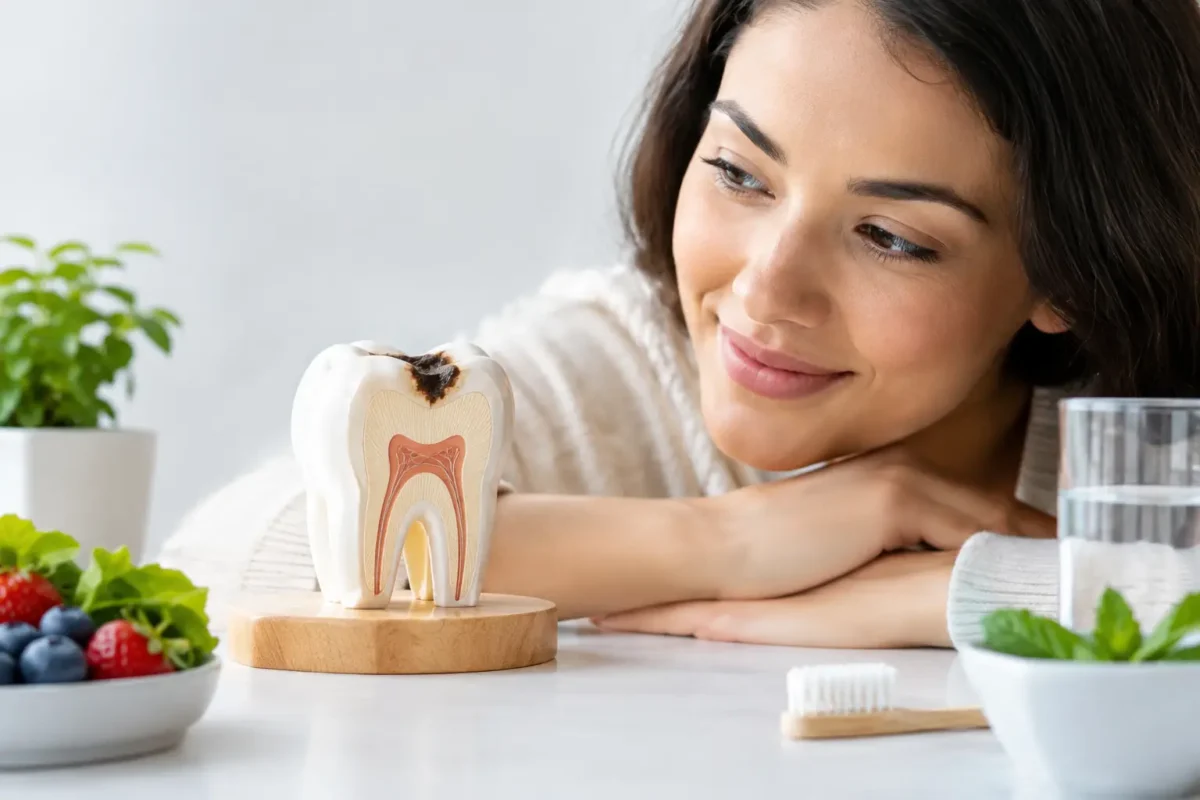
A chalky white mark near the gumline can feel easy to ignore, especially when there is no pain. But the question of whether cavities heal naturally has a more precise answer than many people expect: very early tooth damage can sometimes be strengthened, while a true hole in a tooth cannot grow back.
Knowing the difference matters. It can help you act early, avoid unnecessary worry, and get the right treatment before a small concern becomes a broken tooth, infection, or emergency appointment.
Can cavities heal naturally, or can only early decay reverse?
Teeth do not repair themselves in the same way as skin or bone. Enamel, the hard outer layer of a tooth, contains no living cells that can rebuild a missing section once it has broken down.
However, enamel can undergo remineralization. This is the process by which minerals, especially calcium and phosphate, are returned to areas that have started to soften after repeated acid exposure. Saliva plays a useful role here, and fluoride can make the enamel more resistant to future acid attacks.
This means an early-stage lesion may be stopped or partly reversed before a cavity forms. Dentists often recognize this stage as a white, matte, or slightly brown area on the enamel. It may be visible on the front of a tooth, but it often develops between teeth or in the grooves of back teeth, where you may not see it yourself.
Once decay has progressed to a cavitated lesion – an actual hole, crack, or area of missing tooth structure – natural remineralization is no longer enough. The damaged structure needs professional treatment, commonly a filling. Waiting in the hope that it will close over can allow bacteria to travel deeper into the tooth.
Why a cavity can seem to disappear
A tooth may stop feeling sensitive, or a dark spot may appear unchanged for months. Neither sign confirms that the problem has healed.
Sensitivity can come and go depending on temperature, food choices, gum recession, and the depth of decay. Some cavities cause no discomfort until they are close to the nerve. A dark mark may be surface staining, but it may also sit over active or arrested decay. The only reliable way to assess it is through a dental examination, often supported by X-rays that show areas between teeth and below the surface.
There is also a middle ground. Some early lesions become inactive when the conditions that caused them improve. A dentist may monitor these areas rather than place a filling immediately. This is not neglect. It is a careful decision based on the lesion’s location, texture, risk of progression, your oral hygiene, diet, and X-ray findings.
What supports enamel remineralization
If decay is at its earliest stage, daily habits can make a meaningful difference. They work by reducing acid attacks and giving enamel a better chance to regain minerals.
Brushing twice a day with fluoride toothpaste is the foundation. After brushing, spit out excess toothpaste but avoid rinsing right away, so fluoride remains on the teeth longer. For people at higher risk of decay, a dentist may recommend a higher-fluoride toothpaste, varnish application, or another targeted preventive approach.
Cleaning between teeth every day is equally relevant. Toothbrush bristles do not clean the tight contacts where cavities often start. Floss, interdental brushes, or another tool recommended for your spacing can remove plaque from these areas.
Frequent sugar intake is often more damaging than one occasional dessert. Each time sugary or starchy food and drinks are consumed, mouth bacteria produce acids that lower the pH around the teeth. Sipping sweetened coffee, juice, soda, sports drinks, or flavored water over several hours keeps teeth under repeated attack. Having sweet foods with a meal and choosing water between meals is usually easier on enamel.
Dry mouth deserves attention, too. Saliva helps neutralize acids and wash away food particles. Medications, dehydration, stress, mouth breathing, smoking, and certain health conditions can reduce saliva flow. If your mouth often feels dry, especially overnight, mention it at your dental visit rather than simply reaching for more mints or sugary lozenges.
Natural approaches have limits
Many online remedies promise to repair cavities with diet changes, oil pulling, supplements, or homemade pastes. A balanced diet supports oral health, and some routines may leave the mouth feeling fresher. But none can regenerate enamel that has already been lost or seal a hole in a tooth.
Be particularly cautious with abrasive powders, charcoal products, or acidic home treatments. They can wear down enamel, irritate gums, or make sensitivity worse. Essential oils should not be treated as a substitute for diagnosing decay. Reducing bacteria is helpful, but it does not restore missing tooth structure.
Fluoride is sometimes described as unnatural or harmful without enough context. In appropriate dental products and professional applications, it is one of the best-studied tools for strengthening enamel and reducing cavity risk. The right choice depends on your individual needs, which is why personalized guidance is more useful than a one-size-fits-all routine.
When a filling is the kinder choice
A filling is not a failure of prevention. It is a way to remove decayed material, stop bacteria from advancing, and restore the tooth’s function before more extensive treatment is needed.
When decay reaches dentin, the softer layer beneath enamel, it usually progresses more quickly. At this point, monitoring alone may carry more risk than benefit. Modern tooth-colored fillings are designed to blend naturally with the tooth and can often be completed comfortably in one visit.
If decay reaches the pulp, where the nerve and blood supply sit, pain, swelling, or infection may develop. Treatment can then involve root canal therapy and a crown, or in severe cases, extraction. Treating a small cavity early is generally simpler, less costly, and more conservative than waiting for these later stages.
Signs you should arrange a dental visit
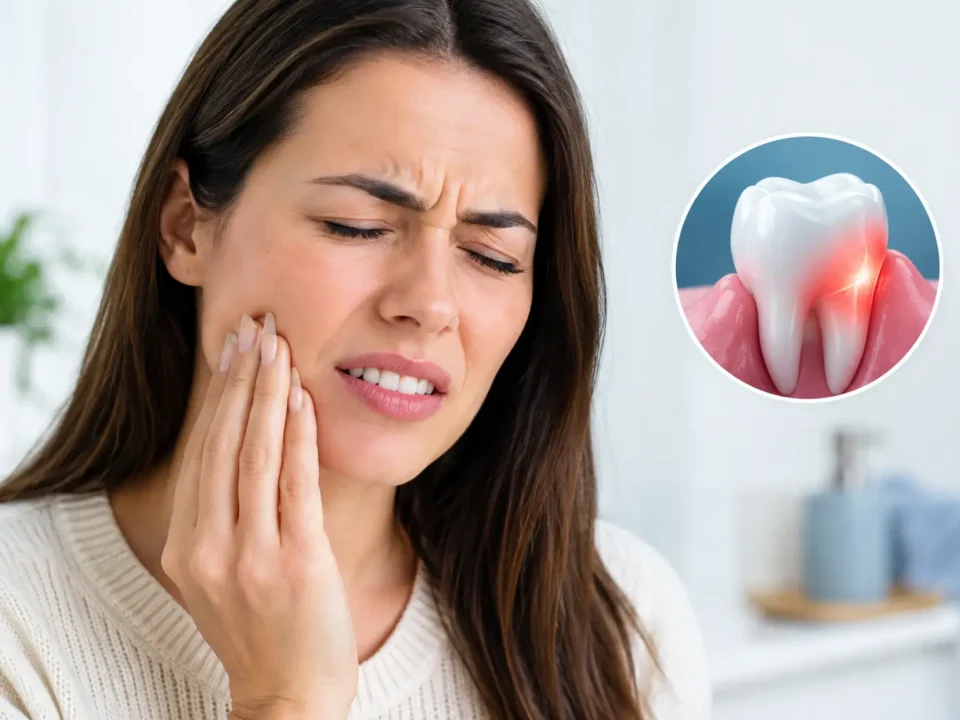
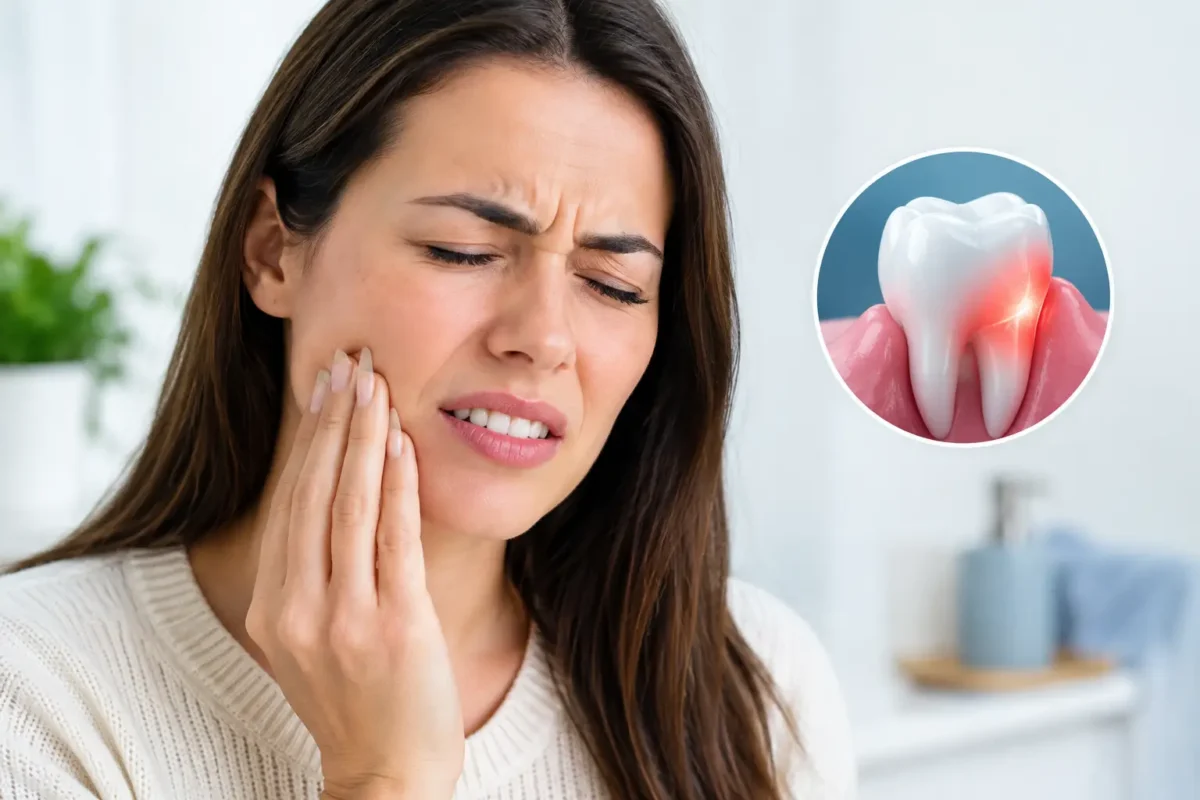
Do not wait for severe pain to seek advice. A checkup is sensible if you notice new sensitivity to cold, heat, or sweets; food repeatedly catching in one area; a rough edge or visible pit; pain when biting; bad taste; or bleeding gums that do not improve with consistent cleaning.
Urgent dental care is needed for facial swelling, fever, swelling around a tooth, difficulty swallowing, or pain that is severe and persistent. These symptoms can indicate an infection that will not resolve with home care alone.
For international residents and busy professionals, it can be tempting to postpone a checkup until a trip home or until symptoms become impossible to ignore. A clear assessment can remove uncertainty. At The British Dental Clinic in Barcelona, the goal is to explain what is active, what can be monitored, and what treatment is genuinely needed, in language you can understand.
A practical way to protect your teeth now
If you are unsure whether a spot is early enamel damage or a cavity, book an examination rather than trying to diagnose it from a mirror or an online photo. Ask whether the area is active, whether X-rays are needed, and whether it can be managed with prevention and monitoring.
Then focus on the habits that protect every tooth: fluoride toothpaste twice daily, cleaning between teeth, fewer frequent sugar exposures, water as the default drink, and regular professional reviews based on your personal risk. Small, consistent changes often matter more than dramatic home remedies.
Your teeth cannot replace structure that has been lost, but early care can preserve far more of what is already healthy. A timely conversation with a dentist is often the calmest next step.