Barcelona Emergency Dental Guide for Urgent Care
octubre 4, 2026
Best Treatments for Gum Disease That Work
octubre 8, 2026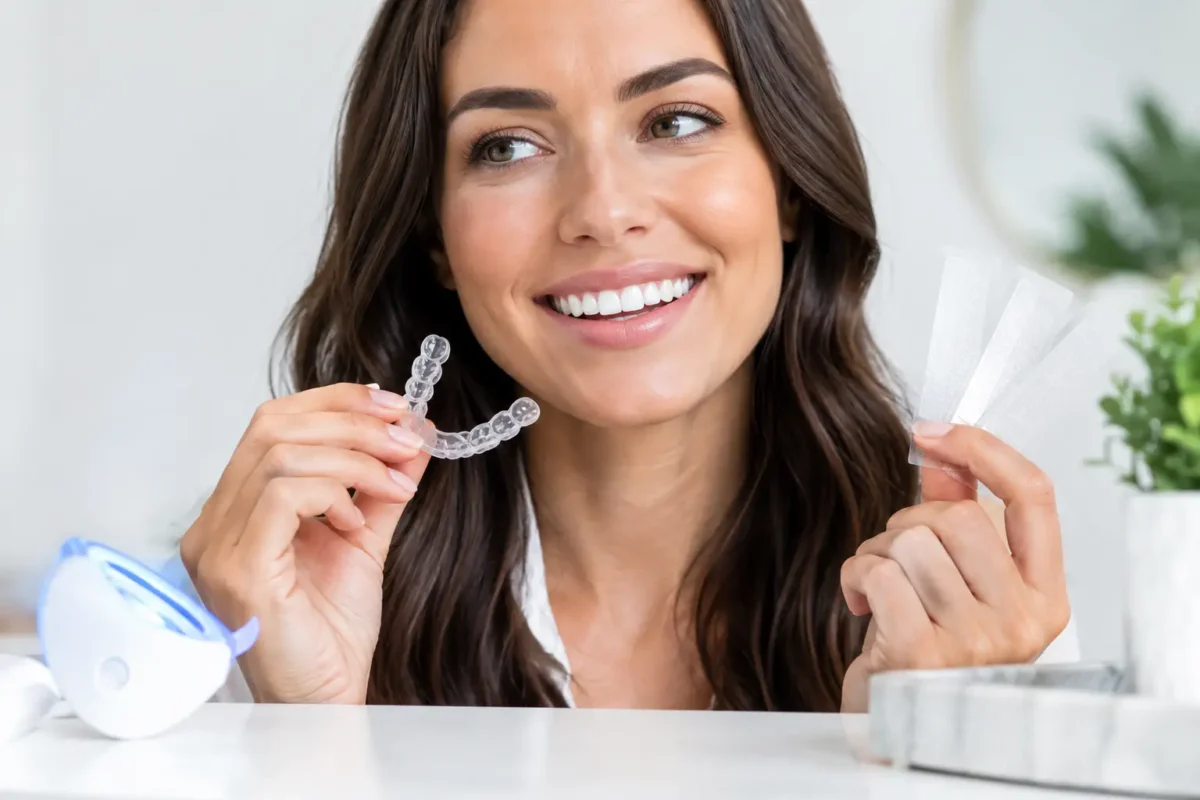
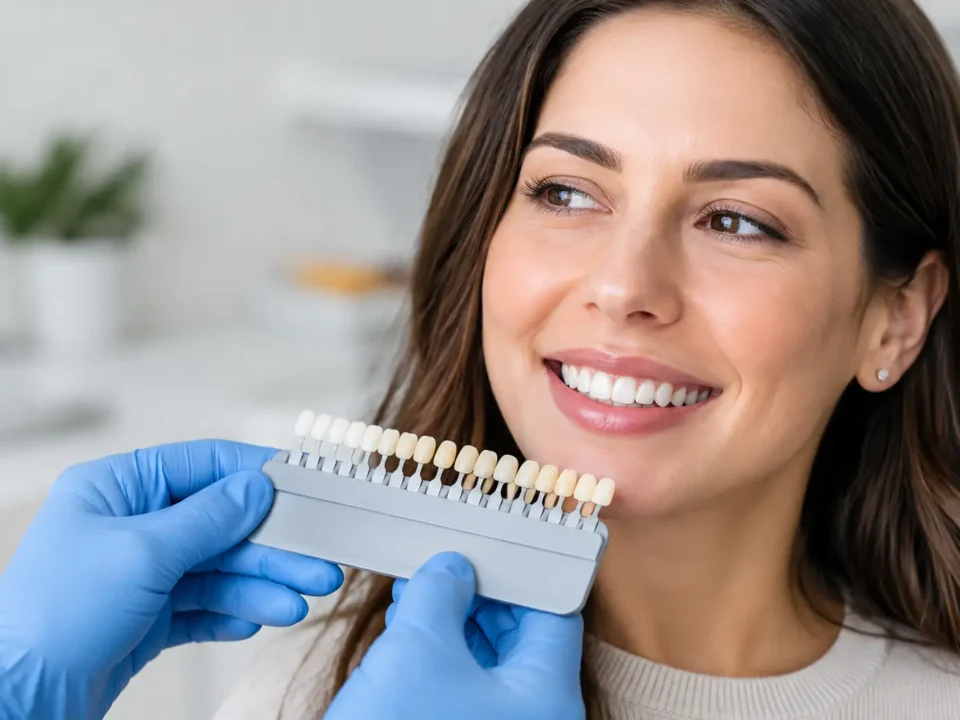
A whitening strip that promises a noticeably brighter smile in two weeks can be tempting, especially before a wedding, job change, or long-awaited holiday. But when deciding between professional whitening or strips, the real question is not simply which option makes teeth look whiter. It is which approach fits your teeth, your goals, and your comfort level without creating unnecessary sensitivity or disappointment.
Both options can lighten natural tooth enamel. The difference lies in the strength and consistency of the treatment, the way it is applied, and the professional support behind it. For some people, strips are a reasonable starting point. For others, dentist-supervised whitening offers a more predictable route to a brighter, balanced result.
Professional whitening or strips: the key differences
Whitening strips are pre-coated flexible strips designed to sit against the front surfaces of the teeth. Most use a peroxide-based whitening ingredient at a relatively low concentration. They are convenient, widely available, and usually cost less upfront than professional treatment. Used carefully and consistently, they may reduce mild yellowing over a period of days or weeks.
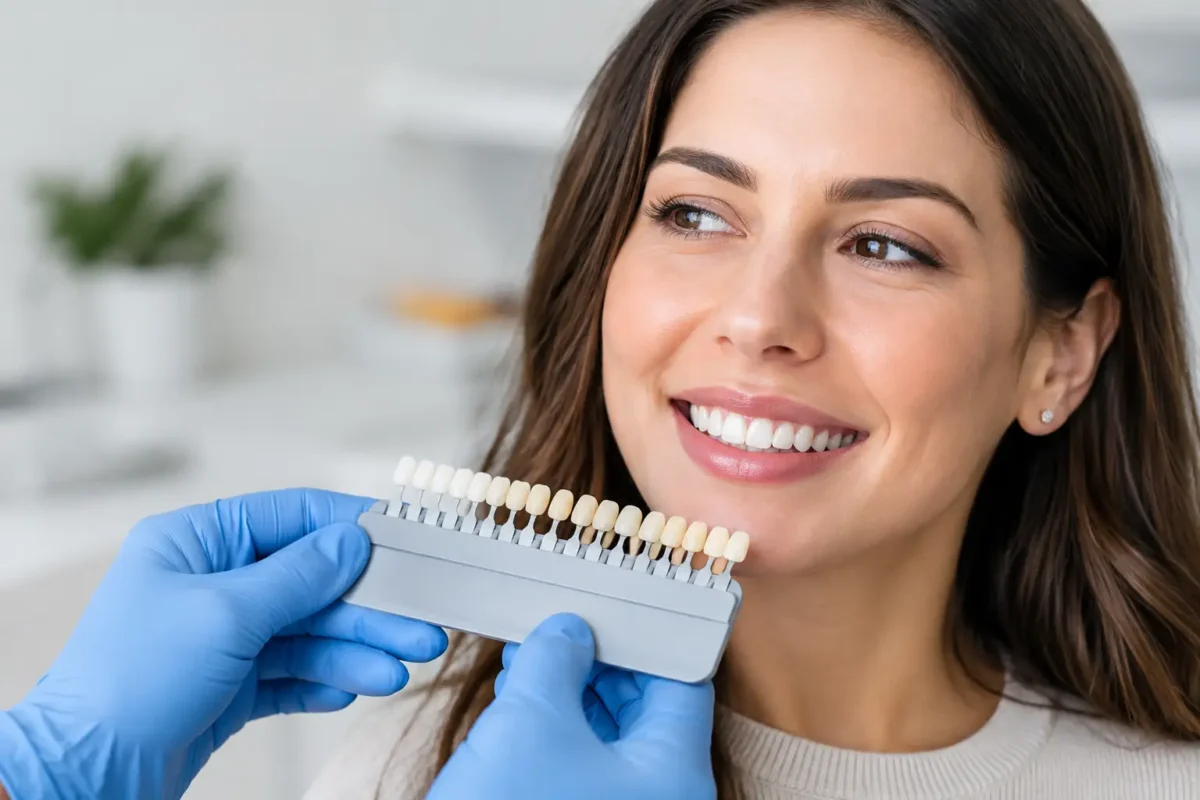
Professional whitening is planned around your individual smile. A dentist first checks that your teeth and gums are healthy enough for whitening, then recommends an approach based on your current tooth shade, previous dental work, sensitivity history, and desired result. Treatment may involve custom trays for at-home use, an in-office session, or a combination of both.
The greatest practical difference is control. Strips come in a standard shape and strength. Professional whitening can be adjusted around your needs, with more precise coverage and a plan to manage sensitivity if it occurs.
What kind of result can you expect?
A realistic expectation matters more than the most dramatic before-and-after image. Natural teeth do not all respond to whitening in the same way. Yellow-toned discoloration often lightens well, while grayish staining, staining caused by medication, or changes within a tooth after trauma may respond less predictably.
Strips can produce a visible improvement for mild surface discoloration, particularly if your teeth are naturally healthy and fairly even in color. However, the strips may not contact every tooth evenly. Curved teeth, crowded teeth, and areas close to the gumline can receive less whitening gel, which can leave the result looking patchy.
Professional treatment is better suited to patients seeking a more even, noticeable change. Custom trays hold the whitening gel closely against each tooth and can reach areas that generic strips often miss. A dentist can also guide the process gradually, helping you reach a natural-looking shade rather than pushing teeth toward an artificial result.
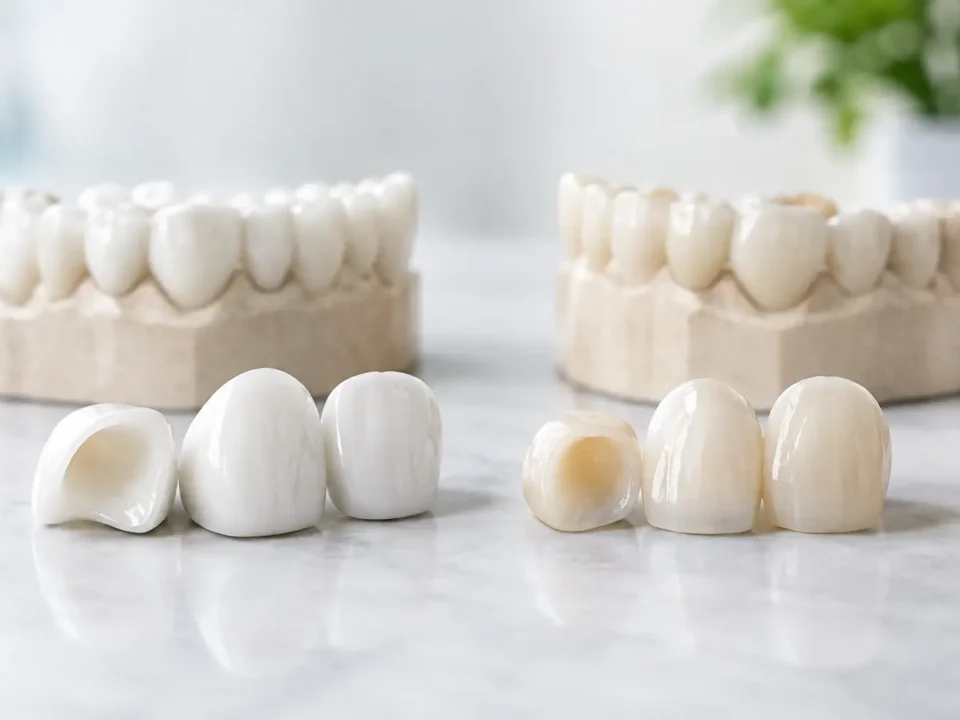
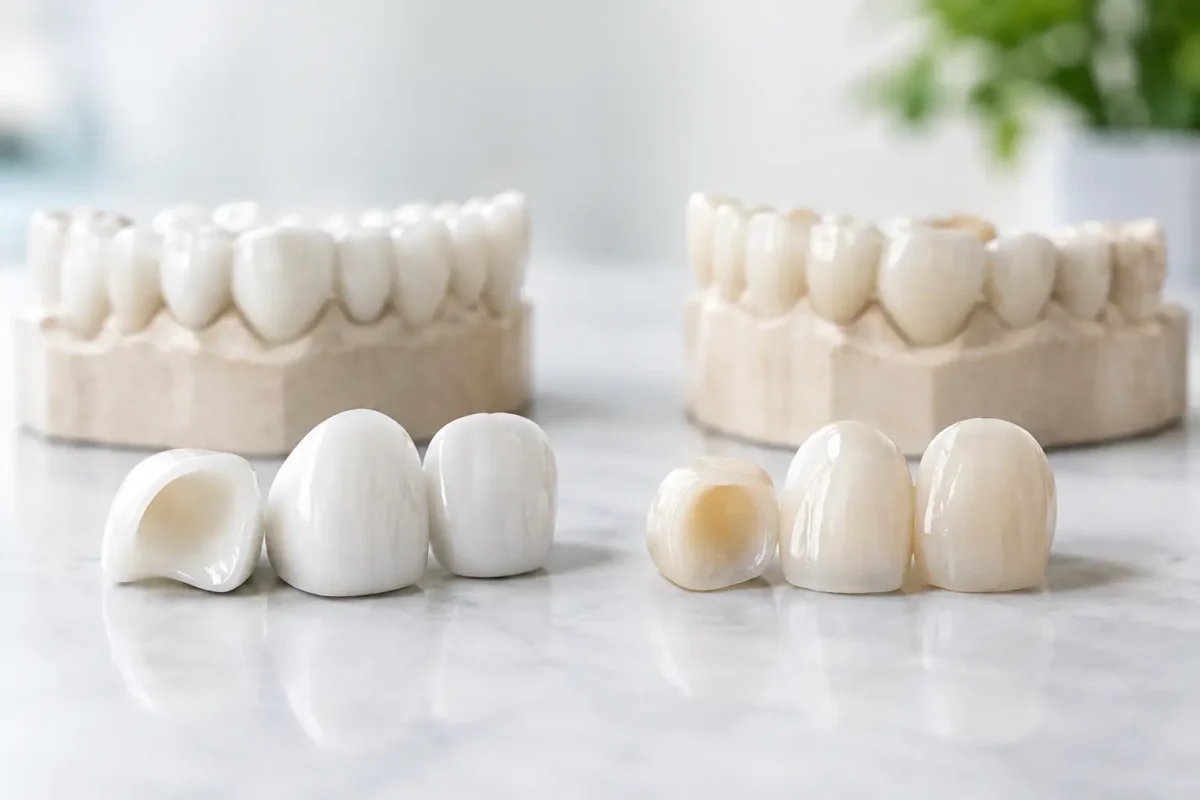
No whitening treatment changes the color of crowns, veneers, fillings, or bonding. This is one of the most important points to discuss before beginning. If a front crown was matched to your old tooth color, whitening the surrounding teeth may make that restoration stand out. In some cases, whitening first and replacing visible restorations afterward creates the most harmonious result.
Safety starts with the condition of your teeth and gums
Over-the-counter strips are generally safe when used exactly as directed, but they are not suitable for every mouth. Whitening should not be used to mask a problem such as untreated decay, a cracked tooth, leaking filling, gum inflammation, or persistent pain. Whitening gel can pass through exposed areas and make an underlying issue significantly more uncomfortable.
Sensitivity is the most common side effect with either strips or professional treatment. It may feel like brief sharp sensations, especially when eating or drinking something cold. With strips, you have limited options if sensitivity develops beyond stopping or spacing out use. With dentist-supervised whitening, the concentration, wear time, and frequency can be modified. Your dentist may also recommend desensitizing products or a pause in treatment.
Gum irritation is another consideration. A strip that extends onto the gums can cause temporary whitening or soreness in the tissue. Custom trays are made to fit your teeth more accurately, reducing the amount of gel that reaches the gums when used correctly.
Pregnant or breastfeeding patients, people under a dentist’s recommended age for whitening, and anyone with active oral health concerns should seek clinical advice before using whitening products. A short consultation can prevent a lot of discomfort and help avoid spending money on a treatment unlikely to meet your expectations.
Cost is more than the price on the box
Strips are less expensive at the point of purchase, which makes them appealing for a small cosmetic refresh. If you have mild staining and no sensitivity or dental concerns, that may be enough. The trade-off is that you are purchasing a one-size-fits-most product with no assessment, custom fit, or professional follow-up.
Professional whitening costs more because it includes clinical evaluation, higher-quality materials, tailored instructions, and a treatment plan. For patients with uneven color, existing dental work, sensitivity, or a significant upcoming event, that added guidance can be worthwhile. It also helps prevent the common cycle of trying several retail products without achieving the result you hoped for.
Think about the durability of the result, too. Whitening is not permanent, regardless of the method. Coffee, tea, red wine, tobacco, and strongly colored foods can gradually darken teeth again. Professional take-home systems can make future touch-ups more straightforward because your trays are designed for you. Your dentist can advise when touch-ups are appropriate rather than encouraging constant whitening.
When strips may be a reasonable choice
Strips can be a practical option if your teeth are healthy, your staining is mild, and you are comfortable with a modest, gradual improvement. They may suit someone who wants to test whether whitening makes a meaningful difference before investing in a more comprehensive option.
Follow the instructions carefully. More frequent use or longer wear time does not necessarily create a better result, but it can increase sensitivity and gum irritation. Stop using the product if you experience persistent pain, irritated gums, or uneven white spots, and arrange a dental assessment.
It is also wise to avoid starting strips immediately before a major event. You may need time for sensitivity to settle, and the final shade may not be as even or as bright as you expected.
When professional whitening is the better fit
Dentist-supervised whitening is often the stronger choice when you want a clear, even result with a plan behind it. It is particularly valuable if you have sensitive teeth, gum recession, crowded teeth, fillings or crowns in visible areas, or uncertainty about why your teeth have changed color.
It is also a good option if you value predictability. Before treatment begins, your dentist can discuss what whitening can achieve in your specific case, how long it is likely to take, and whether other cosmetic treatments should be considered. For example, a single dark tooth may need a different approach from generalized staining across the whole smile.
At The British Dental Clinic, whitening is approached as part of a wider smile and oral health assessment, not as a one-size-fits-all cosmetic product. That means clear guidance on expected results, sensitivity, maintenance, and any restorations that may affect the final appearance.
How to keep your smile brighter after treatment
The habits that help preserve whitening are simple, but consistency makes the difference. Brush twice daily with fluoride toothpaste, clean between your teeth, and keep regular hygiene appointments so stain and plaque do not build up. Rinsing with water after coffee, tea, or red wine can also reduce how long pigments sit on the enamel.
Be cautious with highly abrasive whitening toothpastes. They can remove some surface stain, but aggressive use may wear the enamel over time and make teeth more sensitive. A dentist or hygienist can recommend products that support your result without being unnecessarily harsh.
If you are choosing between strips and professional treatment, start with a dental conversation rather than a marketing claim. The most satisfying whitening result is one that looks natural, feels comfortable, and suits the smile you already have.