Guía de tratamiento periodontal completo paso a paso
septiembre 28, 2026
Airflow Hygiene Barcelona for a Brighter Smile
octubre 2, 2026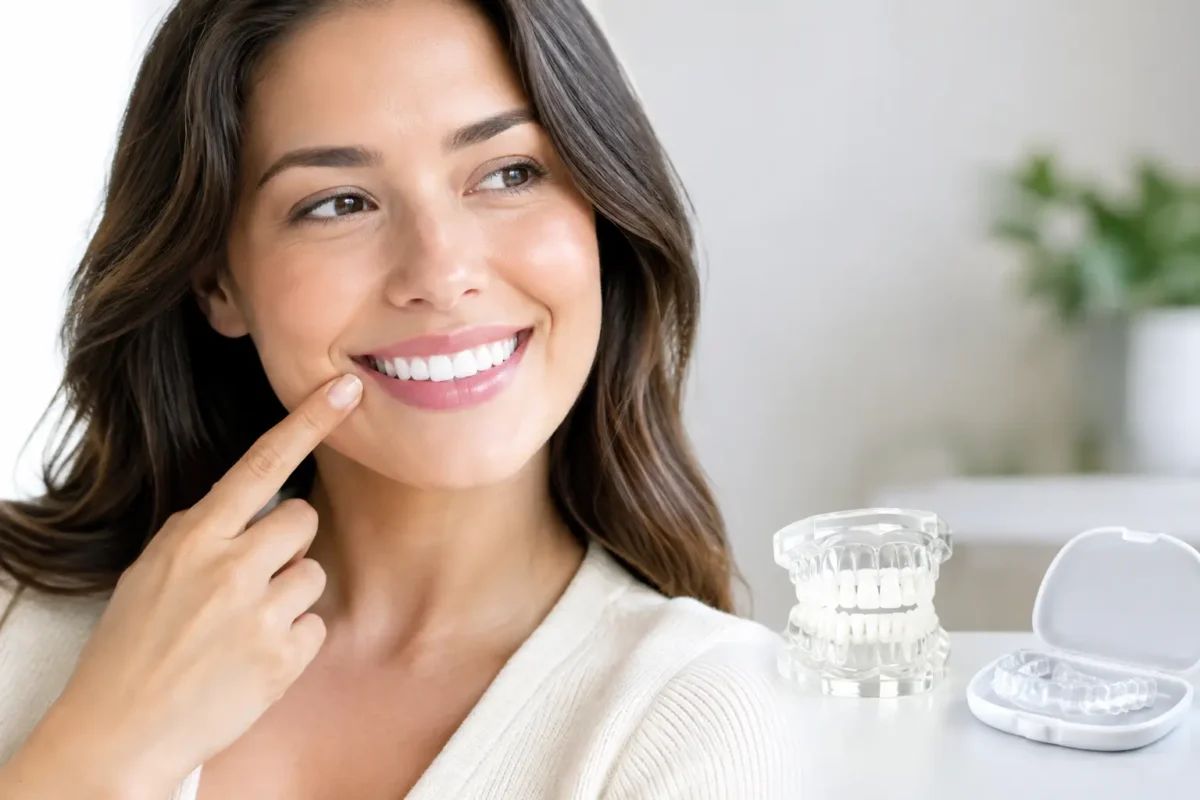
A brighter smile can feel like a small change with a big effect, especially before a wedding, a new role, or simply after years of coffee and red wine. But can whitening damage enamel? When whitening is used appropriately, the answer is generally no. The greater concern is not enamel being “bleached away,” but sensitivity, gum irritation, or using the wrong product on teeth that need dental care first.
Whitening works best when it is treated as a clinical treatment rather than a one-size-fits-all cosmetic purchase. A dentist can confirm why your teeth look darker, identify any risks, and recommend an approach that improves color without compromising comfort or oral health.
How teeth whitening actually works
Enamel is the hard, protective outer layer of each tooth. It does not contain living cells, and it cannot grow back once it has been significantly worn away. That is why protecting it matters.
Most whitening treatments use hydrogen peroxide or carbamide peroxide. These ingredients break down stain molecules within the enamel and the layer beneath it, called dentin. They do not physically scrape off the enamel or dissolve healthy tooth structure when used at an appropriate strength and for the recommended duration.
This is different from abrasive “whitening” products. Some toothpastes and powders remove surface stains by polishing the tooth. Used occasionally and correctly, a whitening toothpaste may help with stains from coffee or tobacco. Used aggressively over time, however, a highly abrasive product can contribute to enamel wear and make teeth look more yellow as the naturally darker dentin becomes more visible underneath.
Can whitening damage enamel under certain conditions?
Whitening itself is not normally associated with permanent enamel damage when it is professionally planned and monitored. However, the way a product is selected and used makes a meaningful difference.
Overusing at-home strips, gels, or whitening trays can lead to temporary dehydration of the teeth and increased sensitivity. This may make enamel look chalkier or feel more reactive for a short period, particularly when eating or drinking something cold. It does not necessarily mean the enamel has been permanently damaged, but it is a signal to pause and ask for advice.
The risk is higher when someone tries to speed up results by wearing trays longer than directed, applying more gel than necessary, or repeating treatment cycles too frequently. Strong whitening products placed against the gums can also cause irritation or white patches on the soft tissue. These usually settle, but they are uncomfortable and avoidable.
Whitening should also be delayed if there are untreated cavities, leaking fillings, exposed roots, cracked teeth, or active gum disease. Peroxide can reach sensitive areas more easily in these situations, causing significant discomfort. The priority is to stabilize dental health first, then consider whitening once it is safe to do so.
Why sensitivity happens
Sensitivity is the most common side effect of whitening, and it does not automatically mean enamel has been harmed. Peroxide can temporarily stimulate the nerve inside the tooth. The result may be a quick, sharp response to cold air, chilled water, or sweet foods.
People with gum recession, worn enamel, naturally sensitive teeth, or a history of sensitivity are more likely to notice it. A customized plan can make treatment much more comfortable. This might mean a lower-strength gel, shorter wear times, treatment on alternate days, or a desensitizing product recommended by your dentist.
Sensitivity should be short-lived. If pain is severe, lasts after treatment stops, or is focused on one tooth, it deserves a dental assessment. A single painful tooth may point to a cavity, crack, or another problem unrelated to whitening.
Professional whitening versus over-the-counter options
Over-the-counter whitening products can be appropriate for some people with healthy teeth and mild staining. They are convenient, but they are designed for a broad audience rather than your individual mouth. Store-bought trays can allow gel to leak onto the gums, and strips may not cover every tooth evenly, particularly if your teeth are crowded or uneven.
Professional whitening begins with an examination and a discussion about your goals. Custom trays are made to fit closely, which helps keep the gel where it belongs and improves consistency. A dentist can also choose the concentration, schedule, and method according to your starting shade, sensitivity, and oral health.
In-office whitening can offer faster results, while professionally supervised take-home treatment allows a more gradual change. Neither is automatically better for everyone. The right choice depends on how quickly you want results, how sensitive your teeth are, and the type of discoloration present.
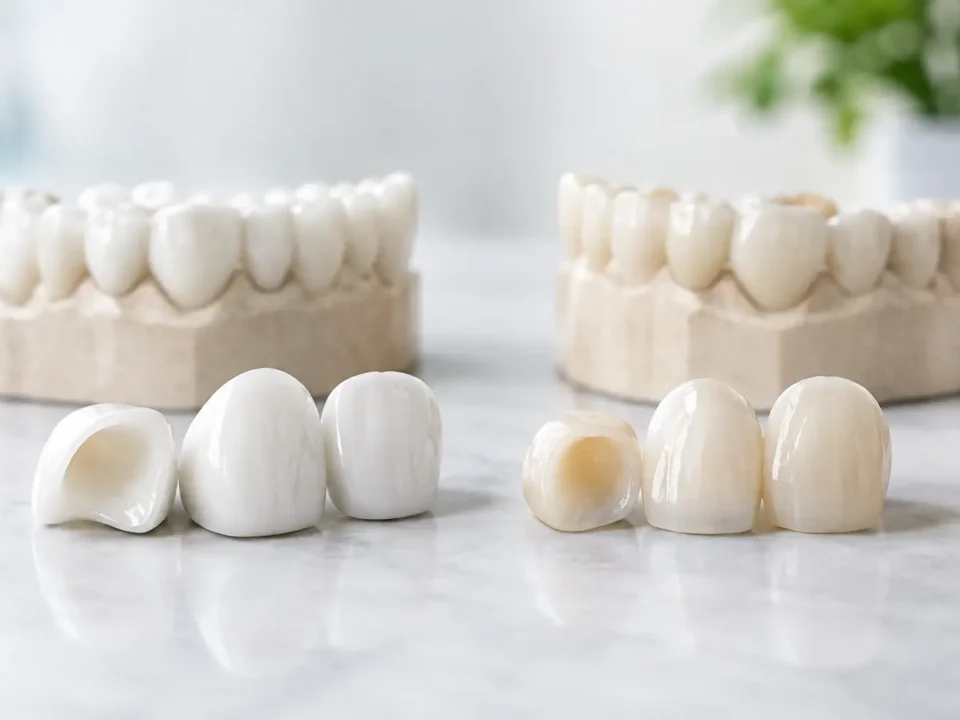
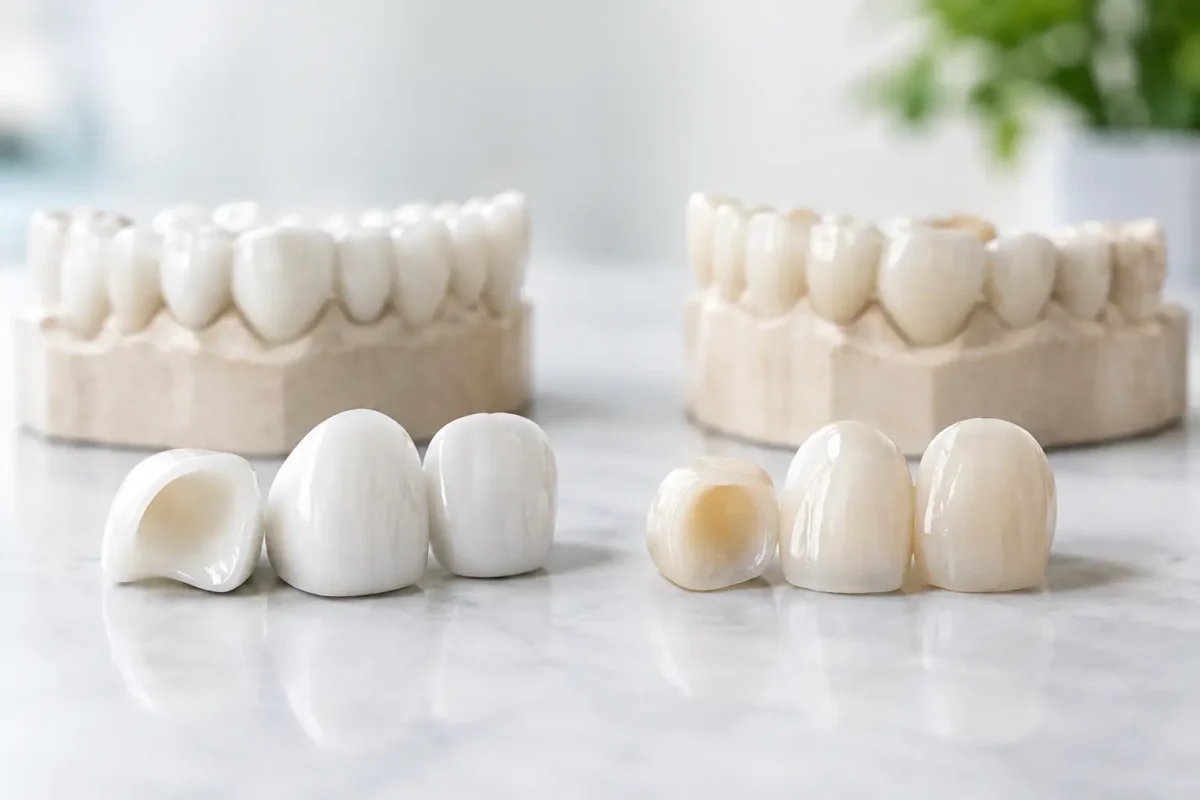
Professional guidance is particularly valuable if you have crowns, veneers, bonding, or fillings in visible areas. Whitening agents do not change the color of these materials. If natural teeth become lighter, existing dental work may no longer match. Planning ahead helps avoid an unexpected mismatch and allows any replacement work to be timed appropriately.
What whitening can and cannot change
Teeth may darken for many reasons. Surface stains from coffee, tea, red wine, tobacco, and richly colored foods often respond well to whitening. Age-related yellowing can also improve, although results vary from person to person.
Some types of discoloration are more complex. Grayness after a tooth injury, staining linked to certain medications, and color changes caused by internal dental issues may need a different solution. In some cases, internal whitening, bonding, or veneers may be discussed instead.
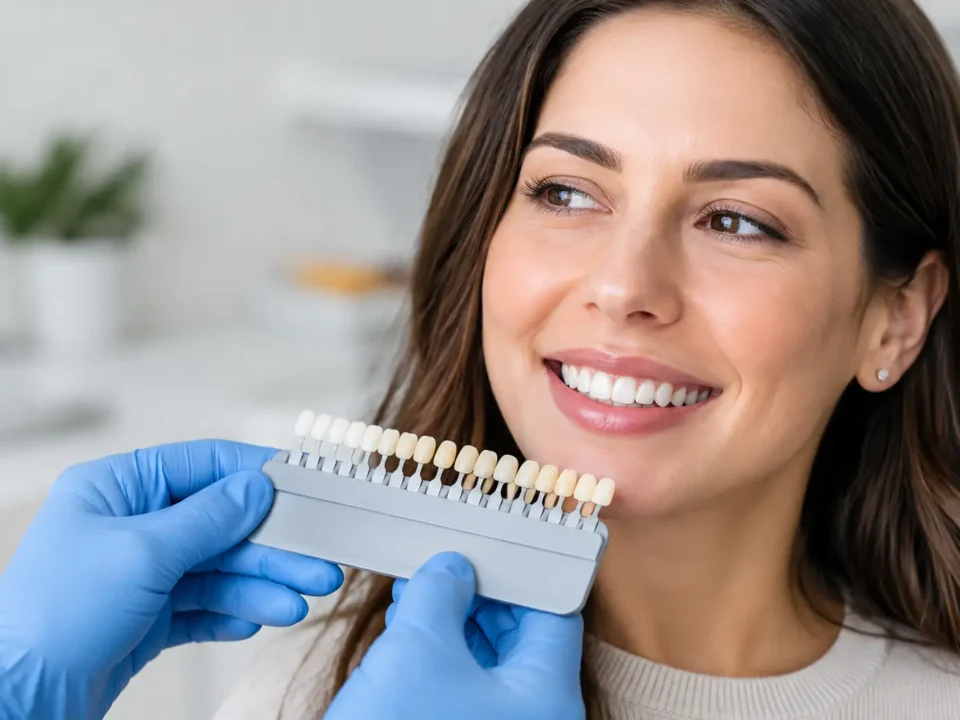
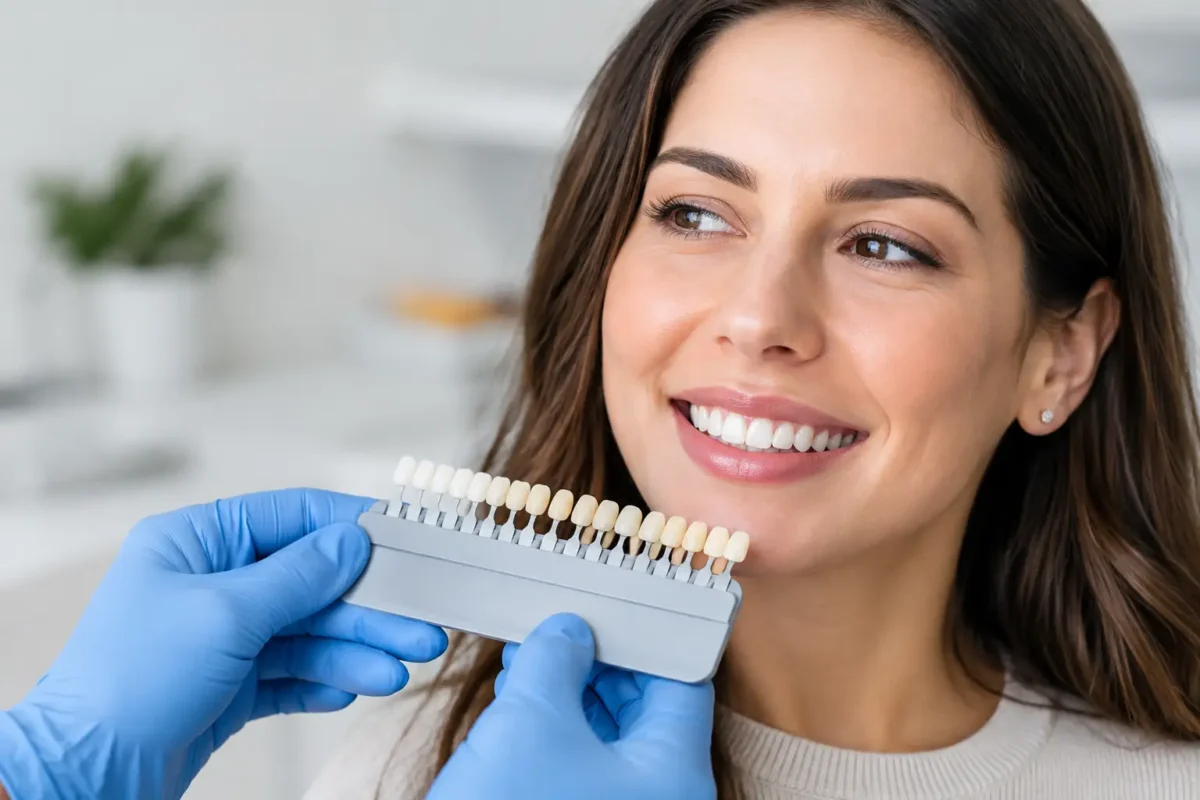
No whitening treatment can make teeth artificially white without limits. A natural-looking result is usually one that brightens your existing smile while still complementing your skin tone and features. Setting a realistic target shade is part of good treatment planning, not a compromise.
How to protect enamel while whitening
The safest whitening plan is one that starts with clean, healthy teeth. A checkup and hygiene appointment can remove surface deposits and reveal your true starting shade. They also give your dental team a chance to identify decay, gum inflammation, or enamel wear before whitening begins.
During treatment, follow the instructions precisely. More gel does not produce better results, and longer wear times do not reliably make teeth whiter. They are more likely to increase sensitivity and irritate the gums. If you use custom trays, a small amount of gel in each tooth compartment is enough.
It is also wise to reduce deeply colored foods and drinks during whitening, especially in the first days after treatment. This is not about avoiding coffee forever. It is about giving your newly brightened smile the best chance of staying even. Rinsing with water after coffee or wine, using a straw for iced drinks when practical, and keeping up with regular brushing can all help manage new surface stains.
Choose a soft-bristled toothbrush and fluoride toothpaste. If sensitivity develops, a toothpaste made for sensitive teeth may help, but give it time to work rather than expecting instant relief. Avoid harsh charcoal powders, acidic DIY whitening recipes, and frequent abrasive scrubbing. Lemon juice, baking soda mixtures, and similar online trends can wear away enamel without delivering predictable whitening.
When to speak with a dentist first
A consultation is especially worthwhile if you have tooth sensitivity, bleeding gums, recession, visible cracks, extensive fillings, or dental restorations at the front of your mouth. It is also sensible if you have tried whitening before and were disappointed by uneven color or discomfort.
At The British Dental Clinic, whitening decisions are approached with the same care as any other treatment: clear explanations, an honest conversation about what is achievable, and a plan that considers your comfort as well as your smile. For international patients in Barcelona, that clarity can make a cosmetic decision feel far less uncertain.
A healthy, brighter smile should never require you to gamble with your enamel. If you are considering whitening, start with a professional assessment, follow a plan designed for your teeth, and let comfort guide the pace of treatment.