Barcelona Dentistry for International Patients
septiembre 22, 2026
What Gum Grafting Results Look Like After Surgery
septiembre 26, 2026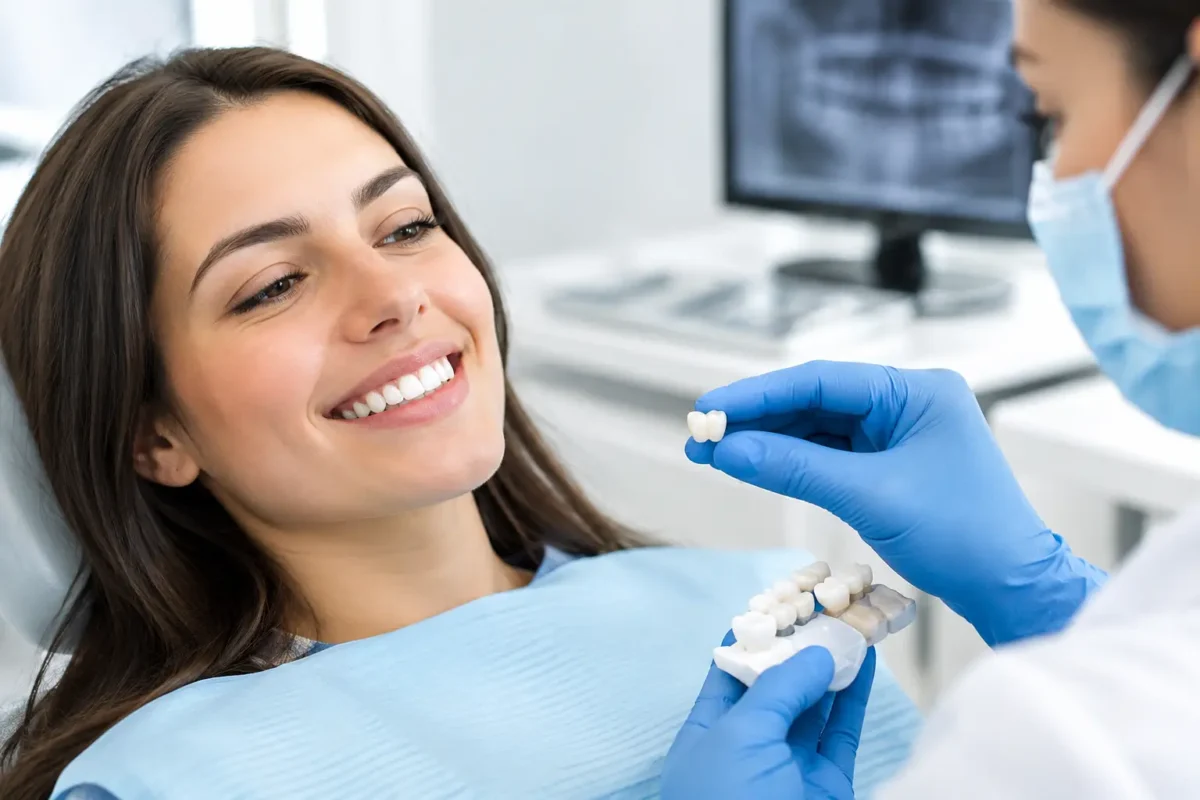
A damaged tooth can make every meal feel like a calculation: chew on the other side, avoid anything cold, and hope the old filling holds for one more week. If you are searching for corona dental un día, you are likely looking for a reliable solution that does not require multiple appointments, temporary restorations, or extra time away from work.
A same-day crown can often restore a tooth in a single visit, using digital scanning and in-clinic design and milling technology. It is a convenient option, but it is not simply a faster version of every traditional crown. The health of your tooth, the location of the restoration, your bite, and the material best suited to your smile all influence whether it is the right choice.
What does corona dental un día mean?
“Corona dental un día” is the phrase many patients use when searching for a crown made and placed on the same day. In English, this is usually called a same-day crown or single-visit crown.
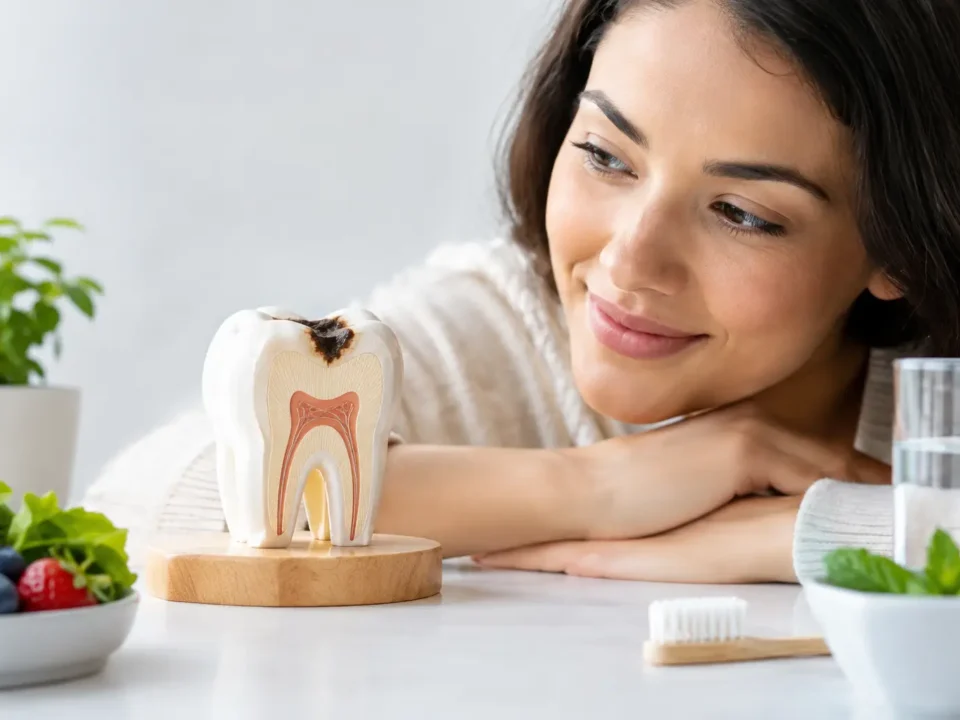
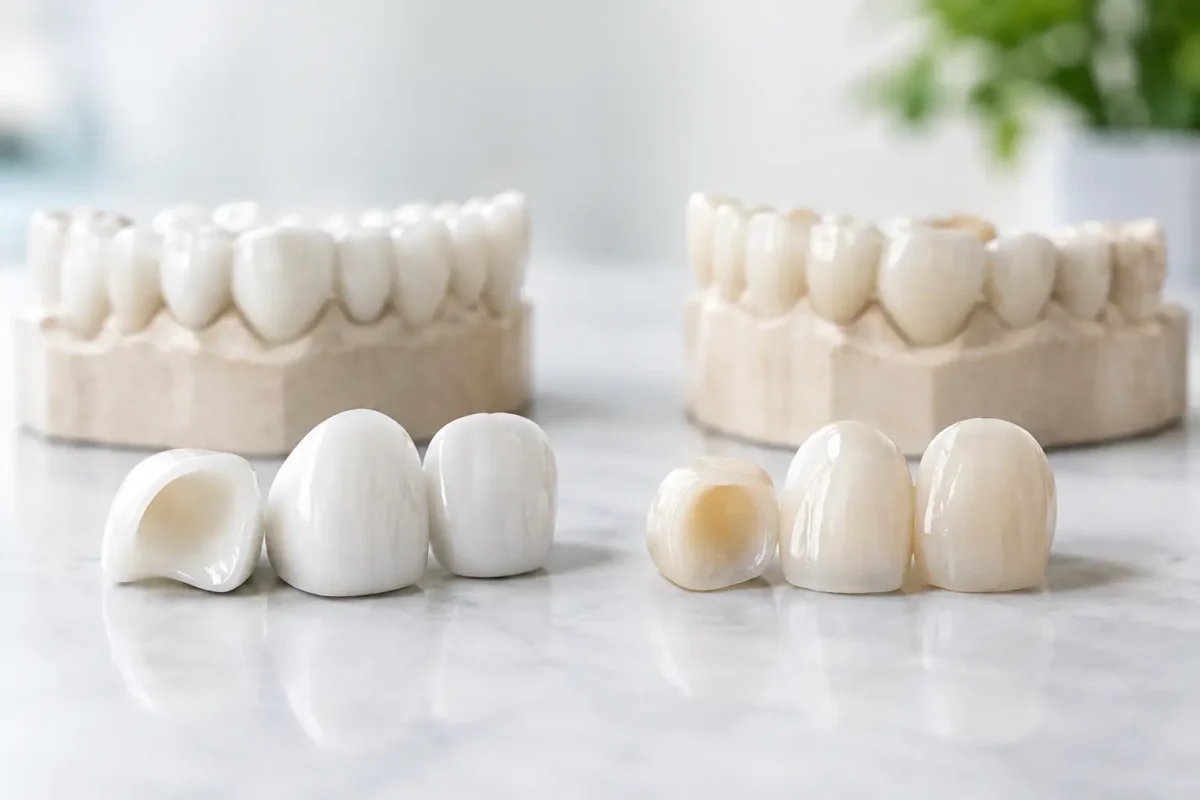
A dental crown is a custom cover that restores the shape, strength, function, and appearance of a tooth. It may be recommended when a tooth has a large filling, a fracture, extensive decay, significant wear, or has been treated with a root canal. Rather than removing the tooth, a crown protects the remaining healthy structure so you can use it confidently again.
With a conventional crown, the tooth is prepared, an impression is taken, and a dental laboratory makes the final restoration. You wear a temporary crown while it is being made, then return for fitting. A same-day crown uses a digital workflow that allows the dentist to scan, design, create, and bond the final crown during one longer appointment.
How a same-day crown appointment works
The experience begins with a thorough assessment, not with a promise that every tooth can be crowned immediately. Your dentist will examine the tooth and surrounding gums, take any necessary X-rays, and check whether there is decay, a crack below the gumline, inflammation, or an infection that needs treatment first.
If the tooth is suitable, it is numbed and carefully shaped to create room for the crown. Instead of using traditional impression material, the dentist takes a detailed digital scan of the prepared tooth, nearby teeth, and bite. This produces a precise three-dimensional model.
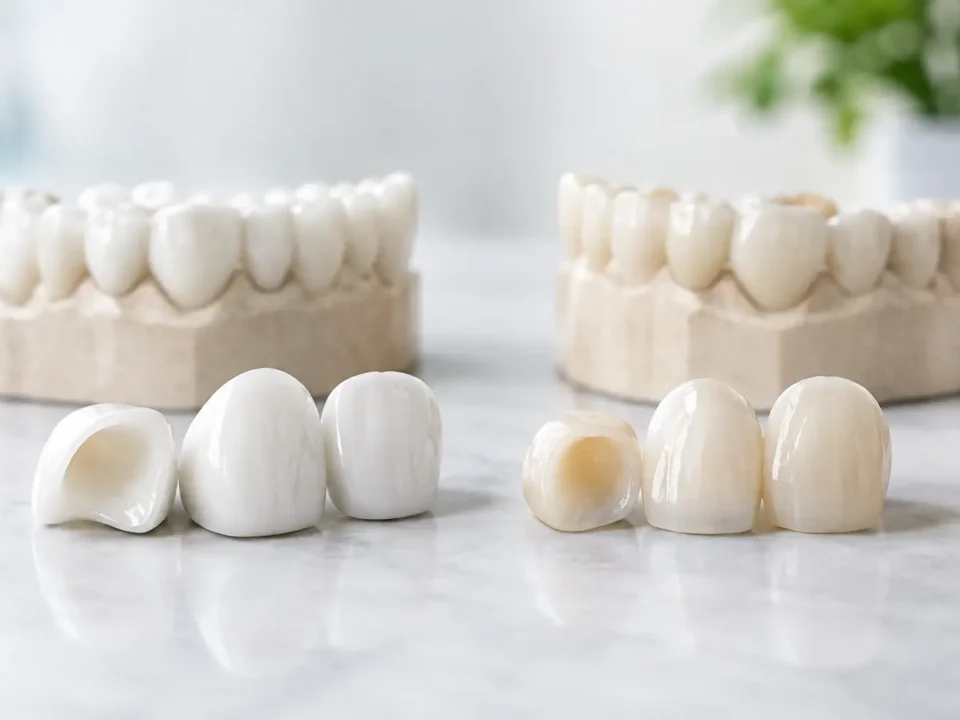
The crown is then designed to fit your bite and blend with your neighboring teeth. The design is sent to an in-clinic milling unit, which crafts the restoration from a high-quality ceramic block. While the crown is being made, you can take a short break at the clinic rather than leaving with a temporary restoration.
Once ready, the crown is checked for fit, comfort, contact with adjacent teeth, and bite balance. Small refinements can be made before it is permanently bonded. You leave with your final crown in place, with no temporary crown to manage and no return appointment solely for cementation.
The practical benefits of a crown in one visit
For busy professionals, parents, visitors, and international patients, fewer appointments can make treatment far easier to arrange. It can be especially helpful when you have limited time in Barcelona or want to avoid organizing additional time off work.
There are clinical benefits, too. Digital scans are comfortable and detailed, and they eliminate the need for conventional impression trays for many patients. Because the final crown is fitted on the same day, there is no temporary crown to loosen, break, or feel uncomfortable while you wait.
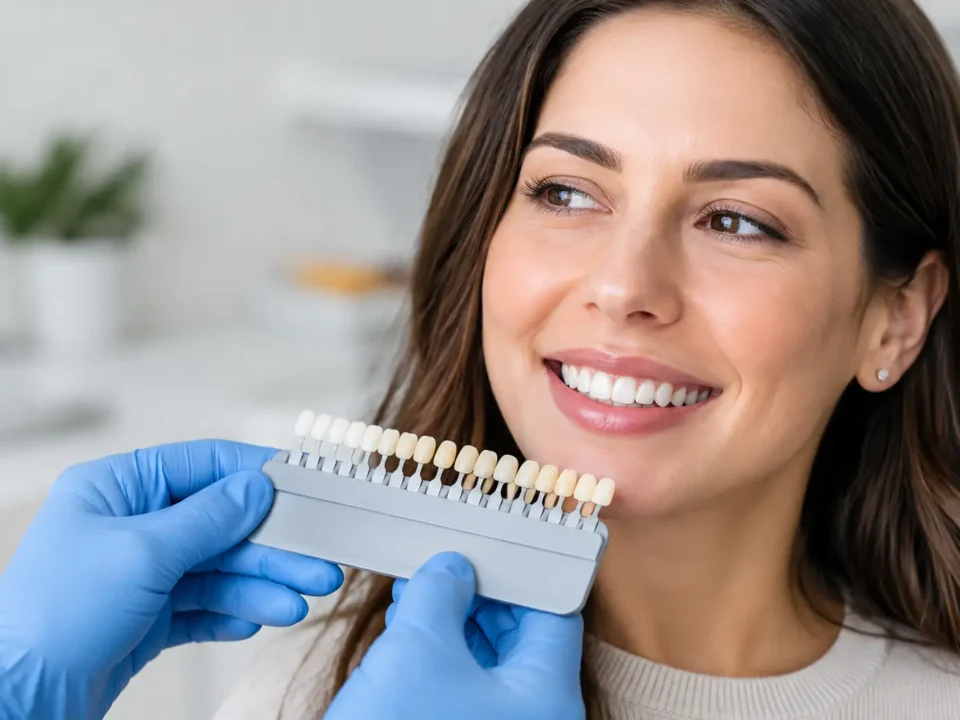
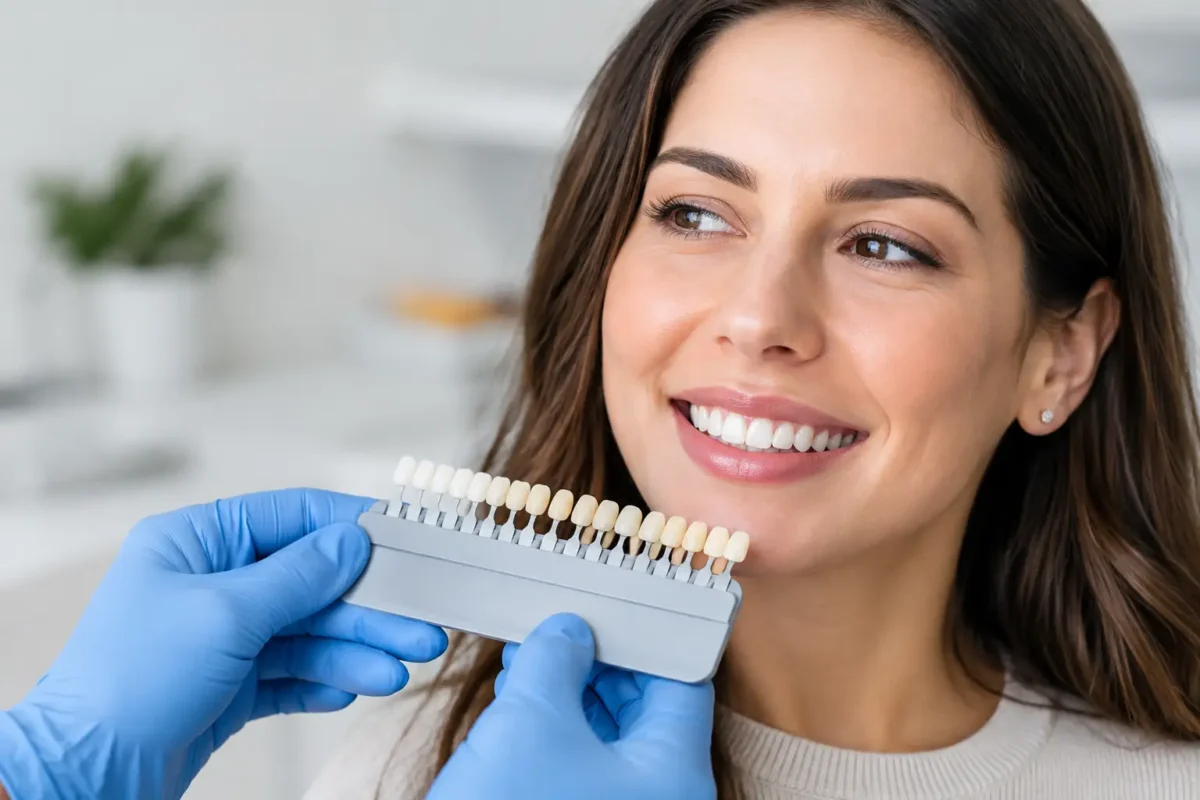
A well-designed ceramic crown can look highly natural. Modern materials can be selected to complement the color and translucency of your teeth, particularly when restoring a visible tooth. Your dentist will also consider the strength requirements of the area. Back teeth experience substantial chewing forces, so appearance is only one part of material selection.
The most meaningful advantage is predictability. You know the treatment plan, the expected timeline, and what will happen at each stage. Clear communication matters as much as technology, particularly when you are making decisions about your health in a language that is not your first.
Is everyone a candidate for a same-day crown?
Not always. Same-day dentistry is highly effective in the right situation, but a careful recommendation should never be based on convenience alone.
A tooth may need additional treatment before it can be crowned. Deep decay may require a root canal. A cracked tooth may need more detailed assessment to determine whether the crack can be restored. If there is active gum disease, bleeding, or significant inflammation, stabilizing gum health first can improve the long-term outcome.
There are also cases where a laboratory-made crown is the better choice. Highly complex cosmetic cases, teeth requiring an exact shade match beside a very visible front tooth, and certain bite situations may benefit from additional laboratory artistry and time. The same can apply when a crown is part of a larger rehabilitation plan involving veneers, implants, or multiple teeth.
If a dentist recommends a two-visit approach, it should not be viewed as a setback. It may be the more precise and durable route for your individual needs. The best treatment is the one that protects your tooth and supports a stable bite over the long term.
A crown is not the same as an implant crown
The word “crown” can describe the visible replacement tooth attached to an implant, but this is different from crowning your natural tooth. If a tooth is missing or cannot be saved, an implant may be considered. Implant treatment involves placing a titanium implant in the jawbone and then restoring it with a crown once the site is ready.
Some implant cases can receive a same-day temporary tooth, but this is not the same as a same-day permanent crown. The timeline depends on bone quality, implant stability, gum health, and the position of the tooth. A responsible treatment plan will explain this distinction clearly before you commit.
What to expect after your appointment
It is normal to have mild sensitivity after a crown preparation, especially to pressure or temperature, but this should settle rather than worsen. Your gums may also feel tender for a day or two. Once the anesthetic wears off, you can generally eat, although it is sensible to start with softer foods if the area feels sensitive.
A new crown should feel like part of your natural bite. If it feels high, catches when you close your teeth, or causes persistent pain when chewing, contact your dental clinic. A small adjustment can prevent unnecessary strain on the tooth, crown, jaw muscles, and surrounding teeth.
Crowns need the same daily care as natural teeth. Brush twice daily with fluoride toothpaste, clean between your teeth every day, and attend regular hygiene visits and checkups. The crown itself cannot decay, but the tooth edge around it can. Good gum health also helps preserve the foundation supporting the restoration.
Avoid using your teeth to open packaging or bite very hard objects. If you clench or grind your teeth, a custom night guard may be recommended. Grinding can damage natural enamel and ceramic alike, and protecting a new crown is often a simple investment in its longevity.
Questions worth asking before treatment
Before proceeding with a same-day crown, ask what is happening inside and around the tooth, not just how quickly it can be restored. You should understand why a crown is recommended instead of a filling, onlay, or other conservative option.
It is also reasonable to ask which material is being proposed, whether the crown will be made in the clinic or laboratory, and what the total treatment cost includes. If you have a history of jaw pain, clenching, sensitivity, or previous crowns that failed, mention it. These details can affect the design and the long-term plan.
At The British Dental Clinic, treatment discussions are designed to give patients clear options in English and a realistic understanding of timing, costs, and expected results. A crown should never feel like a rushed decision, even when it can be completed efficiently.
A same-day crown can be an excellent answer when a weakened tooth needs prompt, precise protection. The right next step is a focused examination that looks beyond the immediate problem and gives you a restoration you can trust every time you smile or bite down.