Guia Revision Dental Preventiva: What to Expect
agosto 31, 2026
When to See a Gum Specialist in Barcelona
septiembre 4, 2026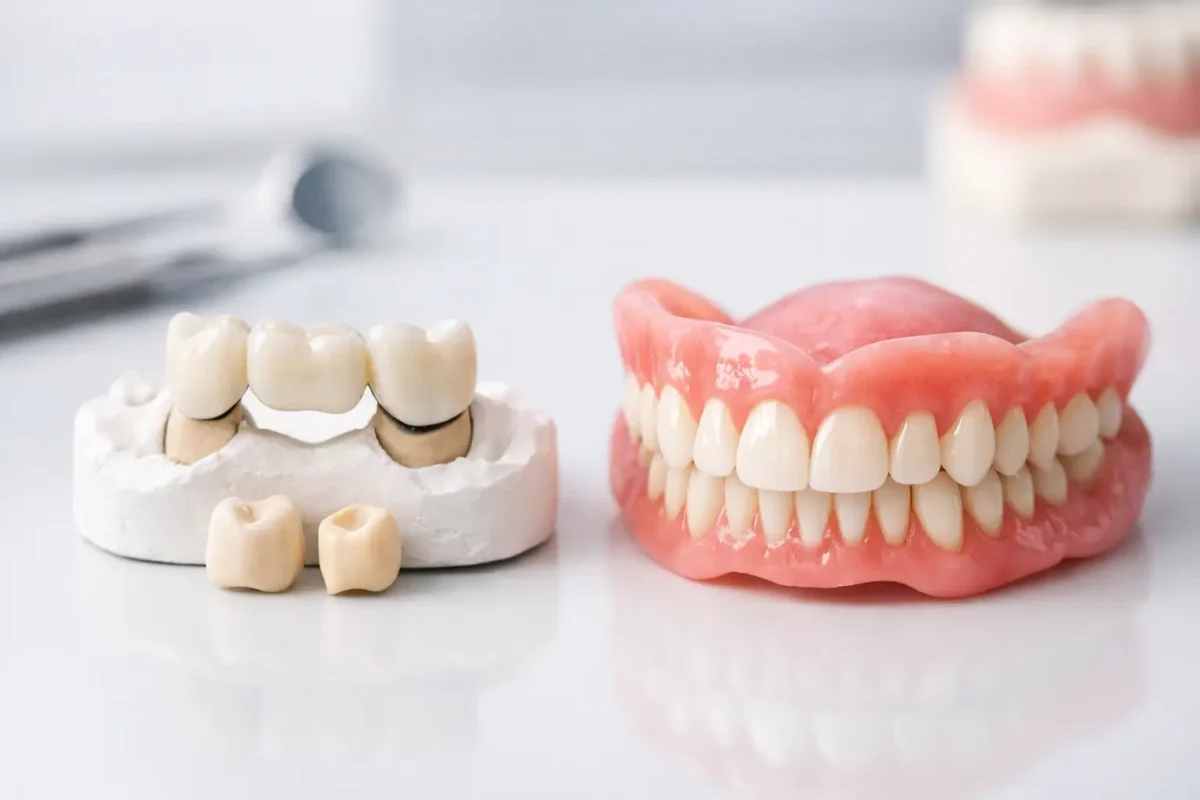
A missing tooth can change more than a smile. It may affect how comfortably you chew, how clearly you speak, and how confident you feel in social or professional settings. When considering a dental bridge vs denture, the right choice depends on how many teeth are missing, the health of your remaining teeth and gums, your budget, and what you want from the result over time.
Both options can restore function and appearance. Neither is automatically better for every patient. A careful examination and a clear conversation about your priorities are the best starting point.
Dental Bridge vs Denture: The Key Difference
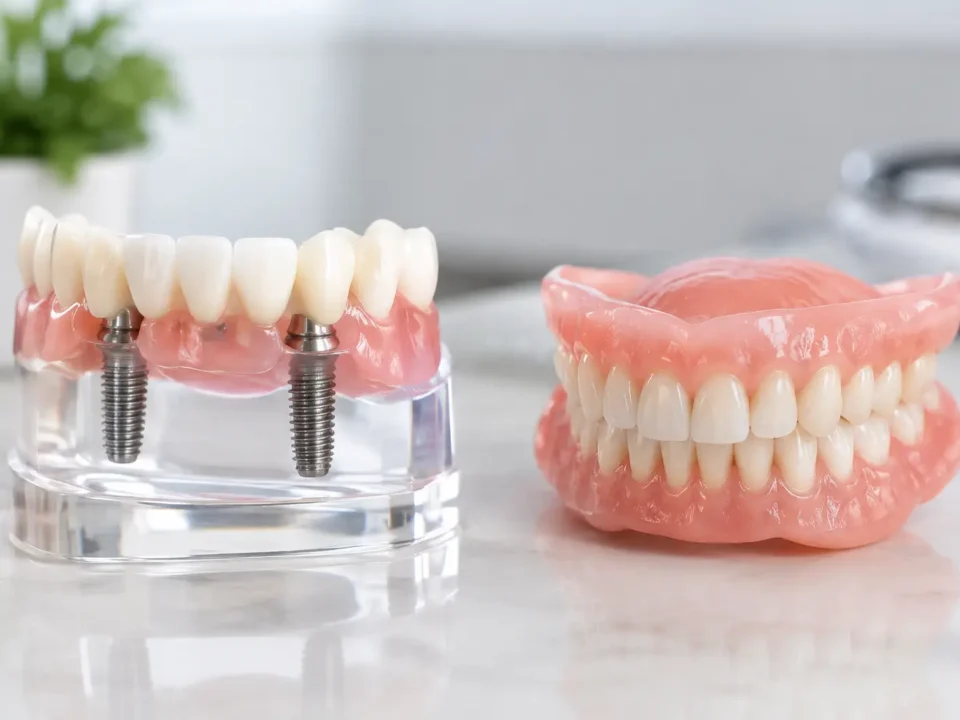
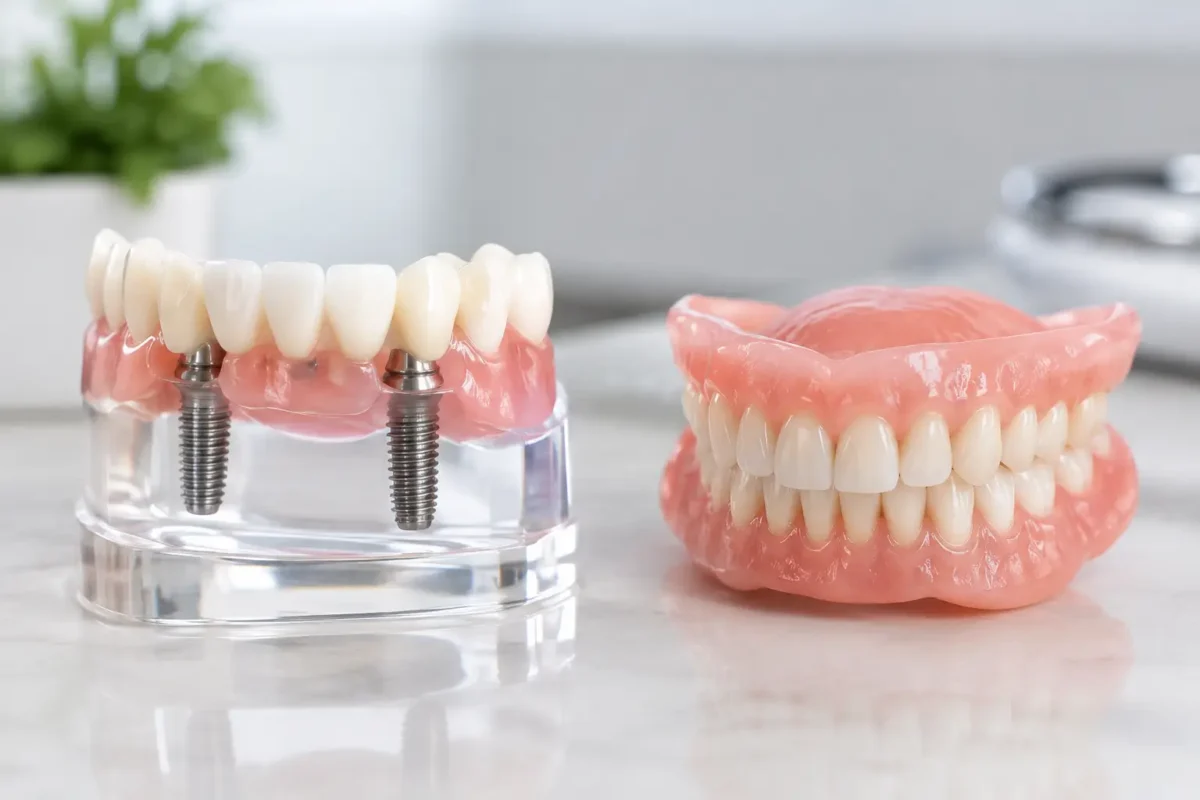
A dental bridge is a fixed restoration that replaces one or more missing teeth by attaching an artificial tooth, or teeth, to neighboring natural teeth or dental implants. Because it is secured in place, you do not remove it for cleaning or sleeping. It is designed to look and feel close to natural teeth.
A denture is a removable appliance that replaces several teeth or a full arch of teeth. A partial denture fits around your remaining natural teeth, while a complete denture replaces all teeth in the upper or lower jaw. Modern dentures can look highly natural, but they remain removable and may take time to get used to.
The decision often comes down to stability, the number and location of missing teeth, and whether the supporting teeth are strong enough to support a bridge.
When a Dental Bridge May Be the Better Choice
A bridge is often considered when one tooth, or a small number of neighboring teeth, is missing. It can be especially suitable when the teeth on either side of the gap already have large fillings, crowns, or other restorations and would benefit from being covered.
For many patients, the greatest advantage is convenience. A fixed bridge stays in place, allowing you to eat, talk, and smile without taking it out. Most people adapt quickly, and daily care is similar to caring for natural teeth, although you will need to clean carefully underneath the replacement tooth using floss threaders, interdental brushes, or a water flosser.
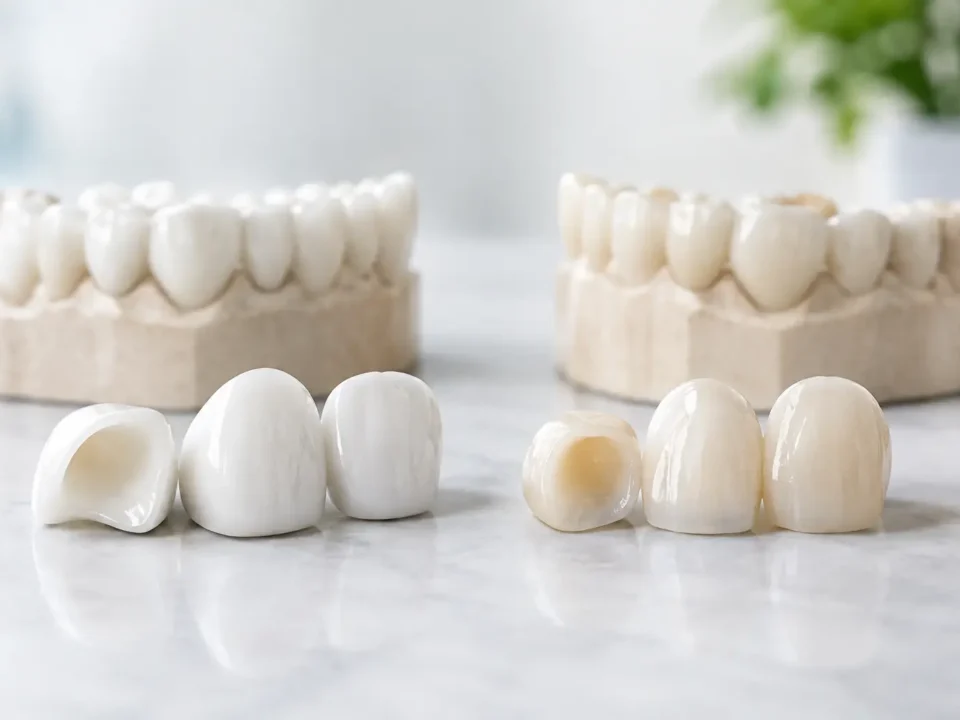
A well-made bridge can restore the look of a complete smile with impressive precision. The shape and shade can be selected to blend with neighboring teeth, making it a popular solution for visible areas of the mouth.
There are trade-offs. A traditional bridge usually requires reshaping the teeth beside the gap so crowns can be placed over them. This is a permanent change to healthy tooth structure. Bridges also rely on the strength of their supporting teeth. If gum disease, decay, or excessive bite pressure affects those teeth later, the bridge may need repair or replacement.
How long does a bridge last?
With good home care and regular dental visits, a bridge commonly lasts 10 years or longer. Its lifespan depends on the materials used, bite forces, gum health, and how well the edges of the crowns remain protected from plaque buildup and decay.
A bridge does not prevent bone loss in the area beneath the missing tooth. Once a tooth root is gone, the jawbone no longer receives the same stimulation. This may not be a major concern in every case, but it is worth discussing, particularly if you are comparing a bridge with an implant-supported option.
When a Denture May Be the Better Choice
Dentures can be a practical choice when several teeth are missing, when teeth are missing in different areas of the mouth, or when there are not enough strong neighboring teeth to support a bridge. They can also be a more accessible treatment option when restoring a full arch of missing teeth.
A partial denture can fill multiple gaps without requiring crowns on every tooth beside them. Complete dentures restore the appearance of a full smile and provide support for the lips and cheeks, which can be particularly valuable after extensive tooth loss.
Today’s dentures are more refined than many people expect. Careful impressions, digital planning, and high-quality materials can create a natural-looking result. Still, a removable appliance has limits. It may move slightly during eating or speaking, especially at first, and lower dentures can be less stable than upper dentures because of tongue movement and the smaller area available for support.
Dentures also require a period of adjustment. You may notice extra saliva, minor sore spots, or changes in pronunciation during the first few weeks. These issues are usually manageable with follow-up adjustments, but they should not be ignored. A denture should be comfortable enough to wear and should not cause persistent pain.
Denture care and maintenance
Dentures should be removed and cleaned daily with a soft denture brush and a product designed for dentures. Regular toothpaste can be too abrasive for some materials. They should also be removed overnight unless your dentist advises otherwise, giving your gums time to rest.
Even if you wear a complete denture, ongoing dental care remains essential. Your dentist can check the fit of the appliance, examine your gums and oral tissues, screen for signs of disease, and address changes in your bite. As the jawbone naturally changes shape over time, dentures may need relining, adjustment, or replacement.
Comparing Comfort, Cost, and Daily Life
In a dental bridge vs denture comparison, comfort is often the deciding factor. A bridge generally feels more like a natural part of the mouth because it is fixed. There is no need to remove it, and it does not cover the roof of the mouth. For someone replacing one front tooth or a small gap, this can feel like the most straightforward solution.
A denture is more flexible in terms of the number of teeth it can replace and may avoid altering adjacent teeth. However, it requires daily removal and care. Some people find this easy to manage, while others strongly prefer a fixed solution.
Cost also matters, but the initial price should not be the only consideration. A denture may have a lower upfront cost for replacing multiple teeth, while a bridge can represent excellent value when restoring a limited gap with a long-lasting fixed result. Future maintenance, adjustments, and the possible need for replacement should be included in the conversation.
Your eating habits can influence the decision as well. A bridge typically offers stronger chewing confidence than a conventional removable denture. Dentures can restore useful chewing ability, but very hard, sticky, or chewy foods may remain challenging. Starting with smaller bites and chewing on both sides can help denture wearers feel more secure.
What About Implant-Supported Solutions?
For some patients, the best answer is not a conventional bridge or denture alone. Dental implants can support a fixed bridge without relying on neighboring natural teeth, or they can hold a denture firmly in place. Implant-retained dentures can dramatically improve stability and reduce movement while eating and speaking.
Implants are not suitable for everyone without preparation. Bone volume, gum health, medical history, smoking status, and healing capacity all need to be assessed. Treatment also involves surgery and a longer planning process, although certain cases may qualify for same-day temporary teeth.
The advantage is that implants replace the missing tooth root as well as the visible tooth. This can help preserve jawbone and provide a stable foundation for long-term restoration. For patients who have struggled with loose dentures, implant support can be life-changing.
Questions to Ask Before You Decide
A good treatment plan should feel clear, not rushed. Ask whether your neighboring teeth are healthy enough for a bridge, whether a partial denture would be stable in your mouth, and how each option may affect your gums and bone over time. It is also reasonable to ask what maintenance is likely, how long the restoration is expected to last, and what happens if it needs repair in the future.
At The British Dental Clinic, treatment planning is centered on understanding the person behind the smile. Digital imaging, a detailed examination, and plain-language explanations allow you to compare your options with confidence, including the likely costs and stages of care.
The best replacement tooth is the one that supports your health, fits your daily routine, and gives you confidence to smile and eat without hesitation. A personal consultation can turn a confusing choice into a practical plan that feels right for you.