Cuando necesito endodoncia dental: key signs
julio 30, 2026
Beneficios de higiene Airflow for a healthier smile
agosto 3, 2026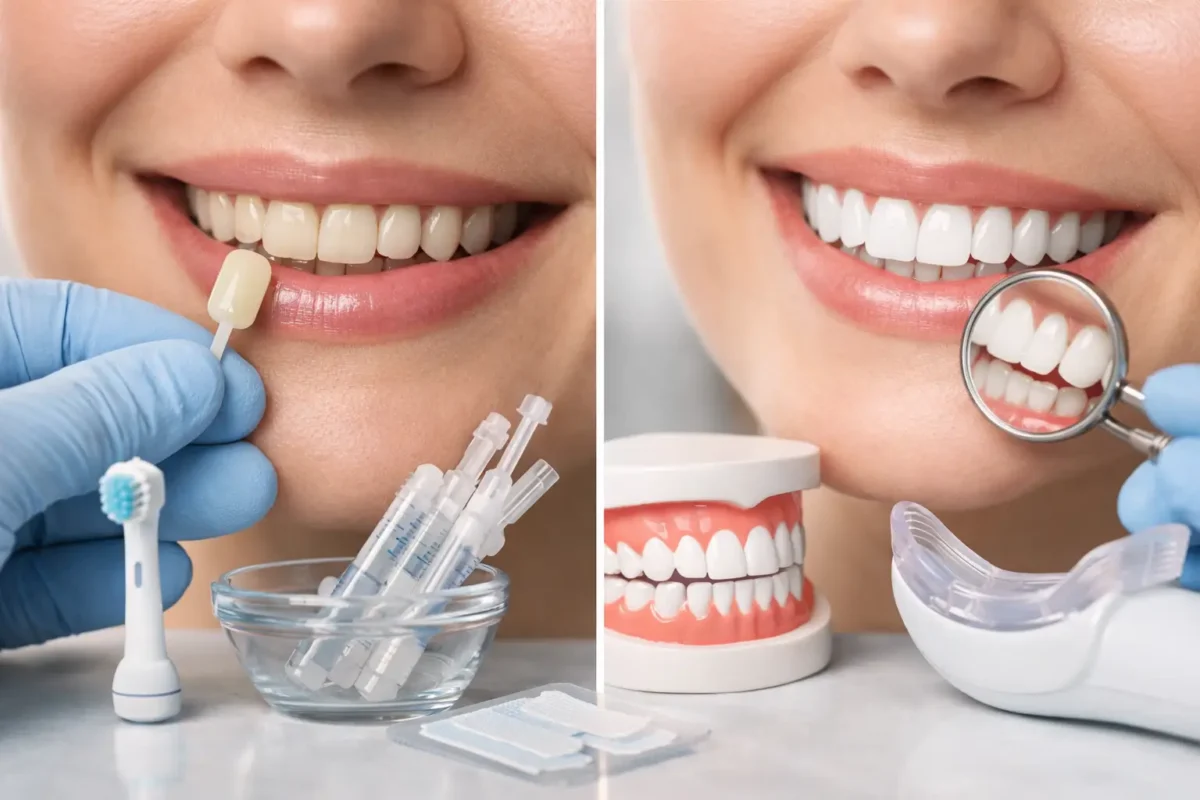
Coffee stains that appeared gradually over a few years need a very different solution from a single dark tooth after root canal treatment. The best treatments for stained teeth depend on what caused the discoloration, where it sits, and whether the tooth itself is healthy. A careful assessment prevents a common disappointment: choosing whitening when a professional cleaning, new restoration, or different cosmetic treatment would produce a better result.
For patients who want a brighter smile, the goal should not be simply making teeth as white as possible. It is finding a treatment that looks natural, protects healthy enamel, and fits comfortably into everyday life.
Why teeth become stained
Most discoloration falls into two broad categories. Extrinsic stains sit on the outside of teeth. They are often caused by coffee, tea, red wine, tobacco, dark sauces, and natural pigments in food. Plaque and tartar can make these stains more noticeable, especially around the gumline and between teeth.
Intrinsic discoloration comes from within the tooth structure. It may develop after an injury, certain medications taken during tooth development, natural aging, enamel wear, or changes inside a tooth after trauma or root canal treatment. Some stains are also affected by the shade of old fillings, crowns, or veneers.
This distinction matters because whitening products mainly change the color of natural tooth enamel and dentin. They do not whiten porcelain crowns, composite bonding, or fillings. If a visible front tooth restoration is darker than surrounding teeth, whitening alone may make the contrast more obvious.
Best treatments for stained teeth, matched to the cause
Professional hygiene and Airflow cleaning
When stains are surface-level, a professional hygiene appointment is often the most effective place to start. Scaling removes hardened tartar, while polishing and Airflow cleaning can lift discoloration from areas that are difficult to clean at home, such as between teeth and close to the gums.
This is not the same as bleaching. It restores a cleaner version of your existing tooth shade rather than changing the internal color of the teeth. For many people with coffee or tobacco staining, the improvement can be surprisingly noticeable after a single visit.
A hygiene treatment is also an opportunity to check for bleeding gums, cavities, worn enamel, and recession. Whitening should usually wait if there is active gum inflammation, untreated decay, or significant sensitivity. Treating the underlying issue first makes cosmetic treatment safer and more comfortable.
Dentist-supervised whitening
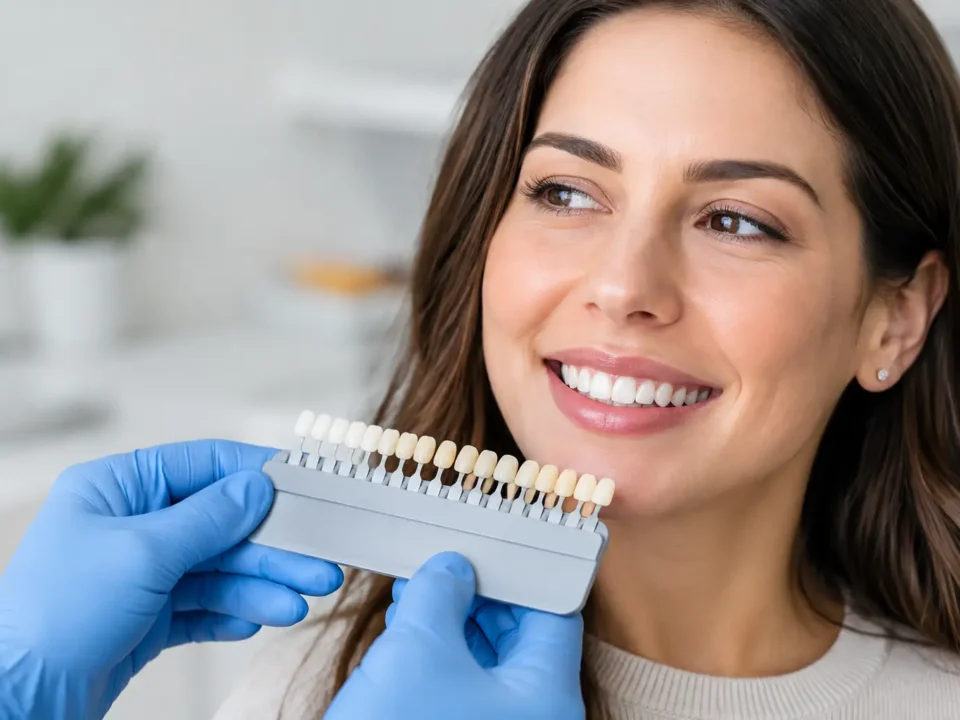
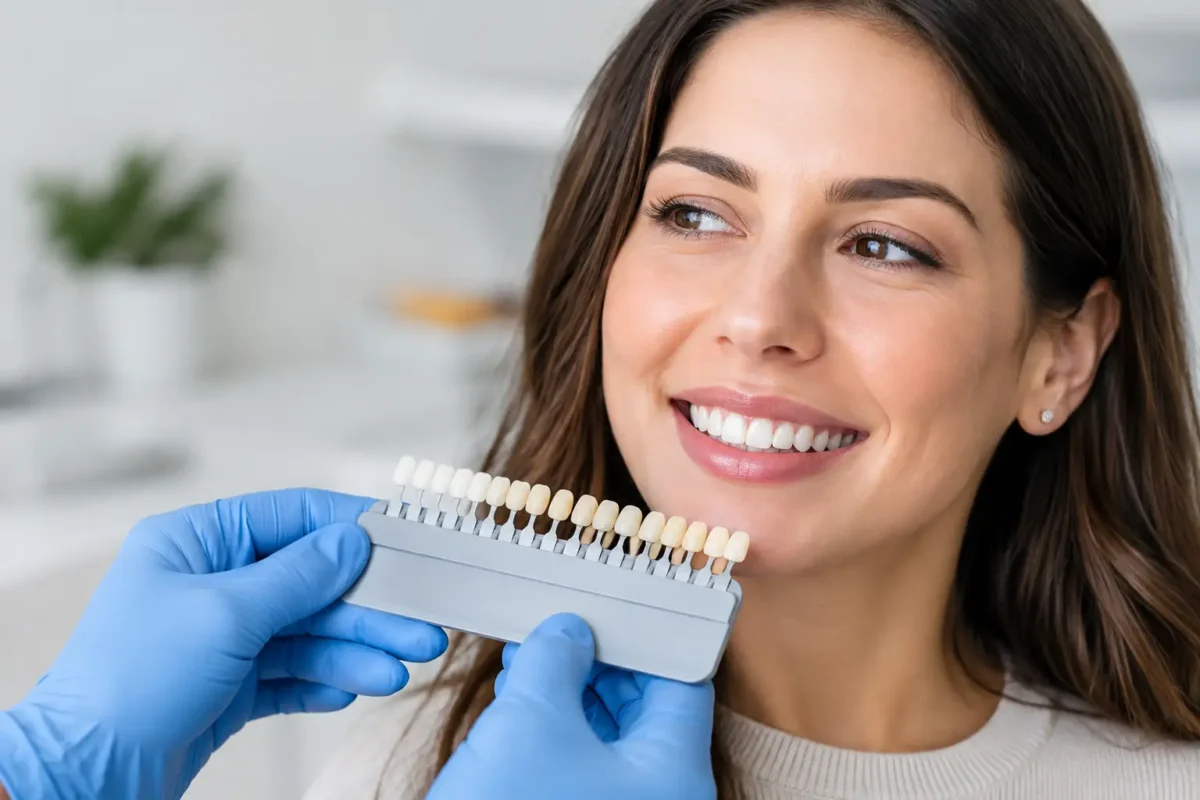
Professional whitening is usually the preferred option when healthy natural teeth have become generally darker or more yellow over time. A dental professional can assess the cause of discoloration, protect the gums, and recommend a whitening approach that suits your starting shade and sensitivity level.
In-office whitening can be a good choice for people who want a quicker change before an event or who prefer treatment supervised in the clinic. Custom take-home trays work more gradually and allow the whitening process to be paced over several days or weeks. For some patients, a combination provides the most controlled result.
Sensitivity is the main trade-off. It is usually temporary, but people with exposed roots, enamel wear, or a history of sensitivity may need shorter applications, lower-strength gel, or a slower plan. A natural-looking result is often achieved in stages rather than by pushing for the lightest possible shade immediately.
Over-the-counter strips and toothpastes can help with mild staining, but they are less predictable. Whitening toothpastes primarily polish surface stains and can be abrasive if overused. Store-bought bleaching products may also sit unevenly against the gums or miss areas where teeth are crowded. They are not necessarily harmful when used correctly, but they are not a substitute for an examination when discoloration is significant or new.
Internal whitening for one dark tooth
A single tooth that turns gray, brown, or noticeably darker deserves prompt assessment. It can be a sign of a previous injury, a non-vital tooth, or a problem beneath an old restoration. The right answer is not to whiten all teeth and hope the darker one blends in.
When a tooth has had root canal treatment and is otherwise stable, internal whitening may be an excellent conservative option. The whitening material is placed inside the tooth by the dentist, allowing the color to be lightened from within. This can preserve more natural tooth structure than covering the tooth with a veneer or crown.
Not every dark tooth is suitable for this approach. X-rays and an examination are needed to confirm that the root and surrounding bone are healthy. If there is decay, a crack, infection, or a weak existing restoration, those concerns must be addressed first.
Replacing stained fillings, bonding, crowns, or veneers
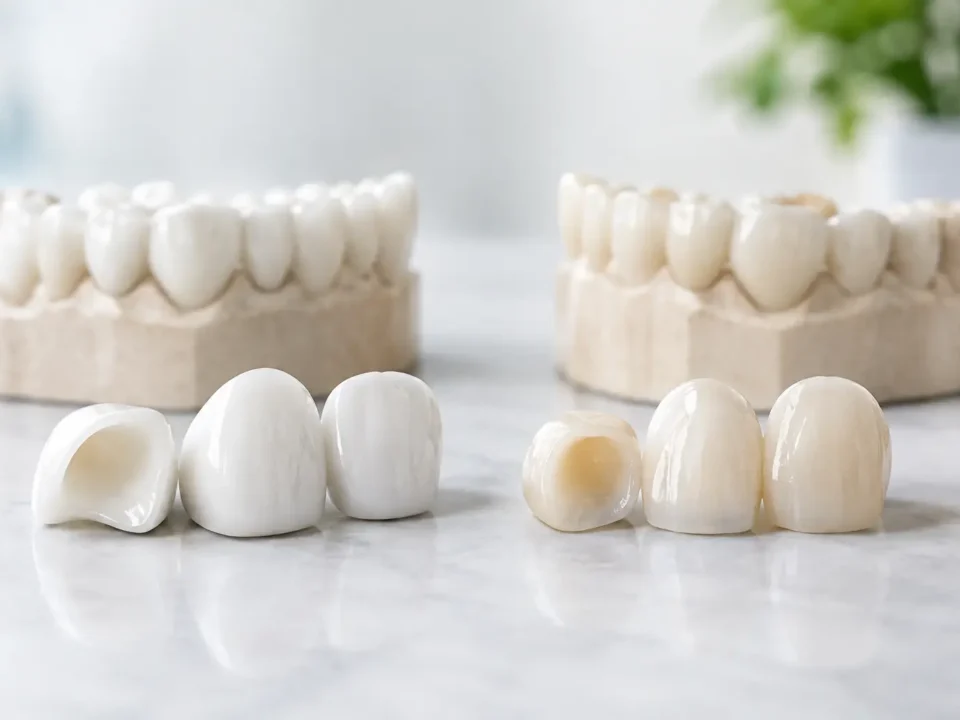
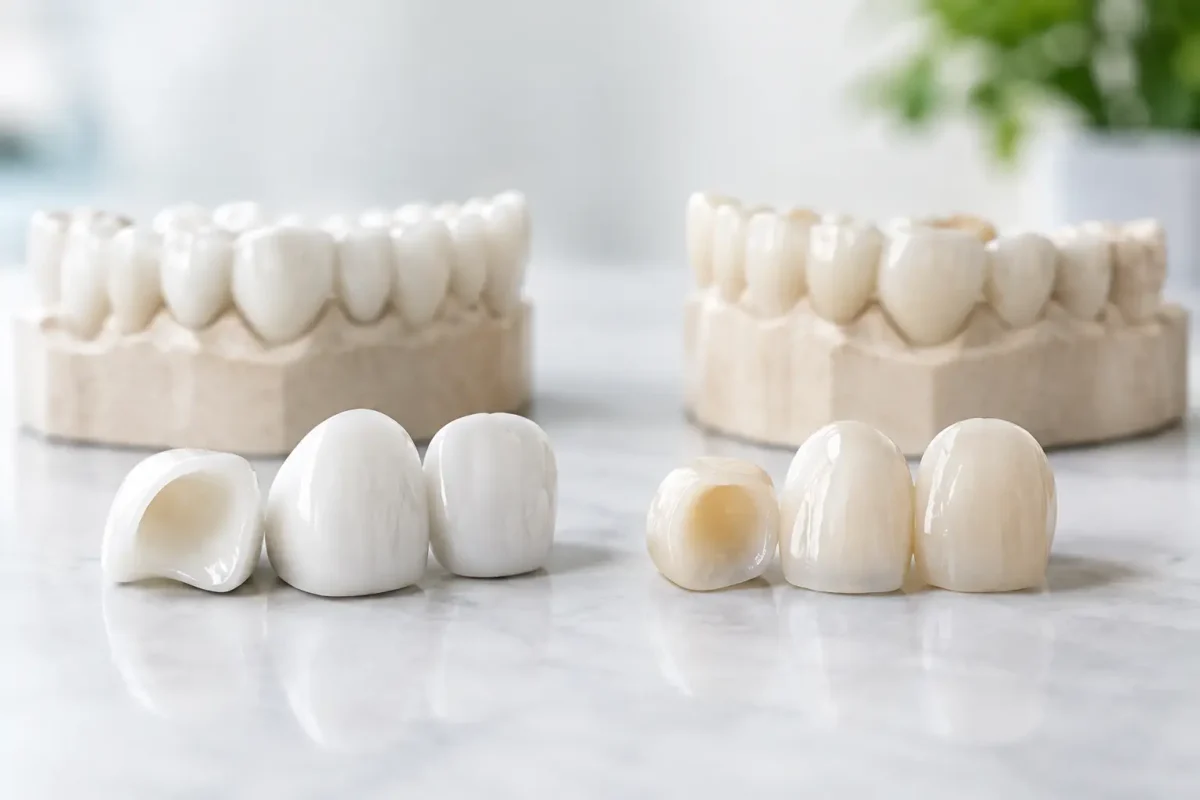
Restorations can become discolored at their edges, lose their original shine, or no longer match the surrounding teeth. Composite bonding may pick up stains over time, while porcelain itself is highly stain-resistant but will not change shade with whitening.
A thoughtful sequence matters. If you plan to whiten natural teeth and replace a visible crown, veneer, or filling, whitening usually comes first. Once the shade has stabilized, the new restoration can be matched to the brighter teeth. Replacing it beforehand may mean it no longer matches after whitening.
For small areas, polishing or replacing composite bonding may be all that is needed. For a stained or damaged front tooth with a large filling, a new ceramic veneer or crown may provide better long-term color and strength. The decision should be based on how much healthy tooth remains, bite forces, and the condition of the existing restoration, not on appearance alone.
Veneers for deep or resistant discoloration
Porcelain veneers can mask deep intrinsic stains, uneven color, and minor shape concerns at the same time. They are often considered when whitening has reached its limit or when a patient wants a more comprehensive smile change.
They are a significant commitment. Veneers require careful planning and, in many cases, some enamel preparation. They also need excellent gum health, good daily hygiene, and protection from habits such as nail biting or grinding. A night guard may be recommended for patients who clench or grind their teeth.
For the right patient, veneers can create a stable, refined result that is resistant to future staining. For someone whose concern is simply yellowing on otherwise healthy teeth, professional whitening is usually the more conservative first choice.
How to choose safely
The safest cosmetic plan begins with a dental examination rather than an online shade chart. Your dentist should ask when the staining began, whether it affects one tooth or many, whether you have pain or sensitivity, and what previous dental work is visible when you smile. Photographs, digital scans, and X-rays may be used when they add useful information.
Be open about coffee, tea, smoking, vaping, medications, and past dental trauma. These details are not a judgment. They help determine whether the color change is superficial, internal, or related to oral health.
At The British Dental Clinic, treatment planning is centered on clear explanations of the options, expected result, timing, and costs before treatment begins. That clarity is particularly valuable for international patients in Barcelona who want to make decisions confidently in English.
Keeping results brighter for longer
After treatment, a few consistent habits make more difference than occasional aggressive whitening. Brush twice daily with a fluoride toothpaste, clean between teeth every day, and attend regular hygiene appointments. Rinsing with water after coffee, tea, or red wine can reduce how long pigments remain on the enamel.
If you smoke or use tobacco, reducing or stopping will benefit both the color of your teeth and the health of your gums. Avoid using lemon juice, charcoal powders, or abrasive DIY remedies. They can wear away enamel, increase sensitivity, and ultimately make teeth look more yellow as the darker dentin beneath becomes more visible.
A brighter smile should feel like your own smile, only fresher and healthier. If you notice a sudden color change, persistent sensitivity, or one tooth that looks distinctly darker than the rest, arrange an assessment before reaching for a whitening kit. The most reassuring results begin with understanding what your teeth need.