Best Options for Missing Teeth for Your Smile
julio 14, 2026
Can Gum Disease Be Reversed? What Treatment Can Do
julio 18, 2026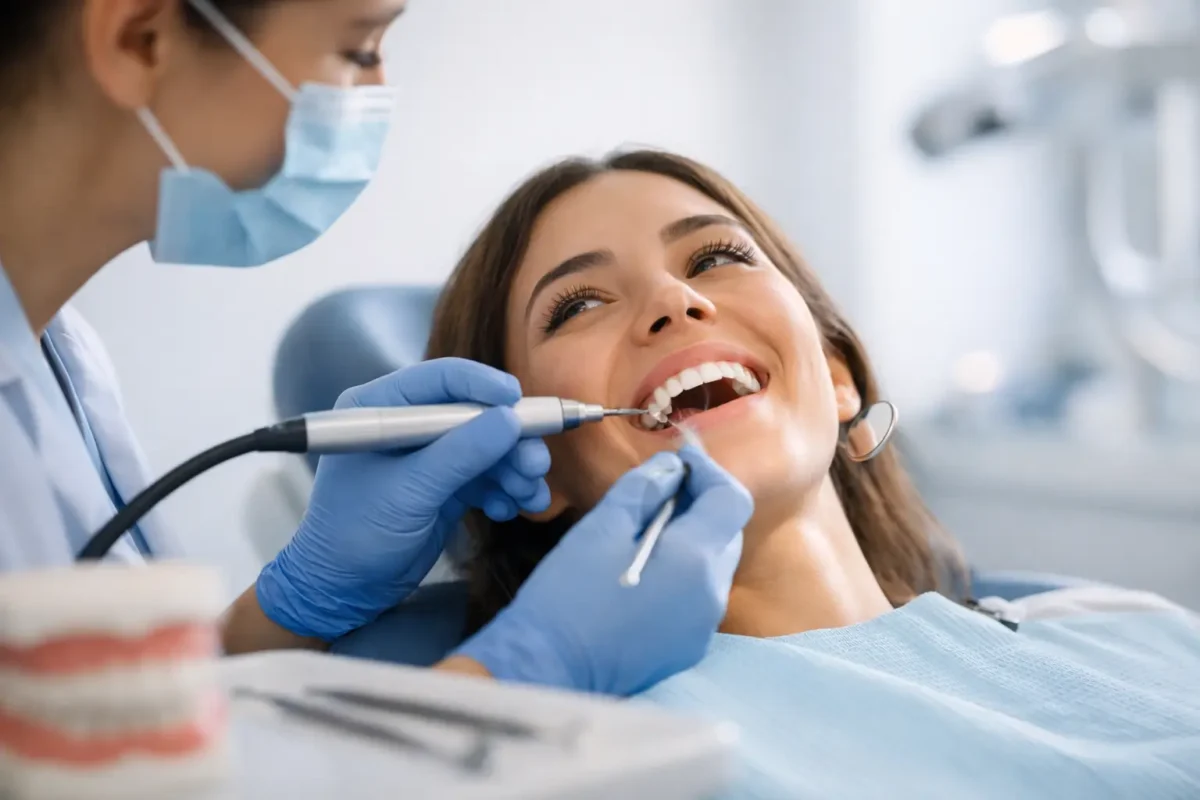
A professional cleaning is not simply a way to make your teeth feel smooth before an event. It is a preventive appointment that removes hardened deposits your toothbrush cannot reach, checks the health of your gums, and can help identify small concerns before they become more complex treatment needs. If you have searched for “cada cuanto limpieza dental,” the short answer is usually every six months. The more helpful answer is that your ideal schedule depends on your gums, medical history, home care, and previous dental findings.
For many adults, a six-month hygiene visit is a sensible baseline. It gives your dental team regular opportunities to remove plaque and tartar buildup, review areas that are difficult to clean, and keep a close eye on changes in your oral health. But it is not a fixed rule for every person. Some patients benefit from appointments every three or four months, while others with excellent gum health may be advised to come less frequently.
Cada cuánto limpieza dental: the usual recommendation
Most patients are recommended a professional dental cleaning every six months. This interval is common because plaque can build up quickly, and once it hardens into tartar, it cannot be removed with brushing or flossing at home. Tartar tends to collect along the gumline and between teeth, where it can irritate the gums and create a place for bacteria to thrive.
A routine cleaning also helps prevent the quiet progression of gum disease. Early gum inflammation may cause bleeding when you brush or floss, mild swelling, or persistent bad breath. It does not always hurt. Without regular care, inflammation can advance below the gumline and eventually affect the bone that supports your teeth.
The goal is not to treat everyone on a calendar-based schedule. It is to choose an interval that keeps your mouth stable and comfortable. During your visit, the hygienist and dentist can explain why a particular recall schedule is appropriate for you rather than applying a one-size-fits-all plan.
When you may need cleanings more often
Some people need more frequent hygiene visits because bacteria and inflammation return more quickly, or because their risk of gum problems is higher. In these cases, appointments every three to four months may be recommended. This is often called periodontal maintenance when a patient has had gum disease or has received treatment for it.
More frequent cleanings can be especially helpful if you have bleeding gums, previous periodontal disease, tartar that builds up rapidly, or deep gum pockets around the teeth. Smoking and vaping can also affect gum health and may hide visible signs of inflammation, making regular professional monitoring particularly valuable.
Your wider health matters too. Diabetes, certain medications that cause dry mouth, pregnancy-related hormonal changes, and conditions that affect the immune system can influence your risk of cavities and gum disease. Orthodontic appliances, implants, crowns, bridges, and fixed retainers may also make daily cleaning more demanding. These are not reasons for concern by themselves, but they are reasons to personalize your hygiene schedule.
If you have dental implants, regular maintenance is especially worthwhile. Implants cannot decay, but the gums and bone around them can become inflamed. Early monitoring and careful cleaning help protect the long-term investment you have made in your smile.
Can some patients wait longer than six months?
Occasionally, yes. A patient with consistently healthy gums, low cavity risk, excellent home care, and little tartar buildup may be suitable for a longer interval. However, this decision should follow a clinical assessment rather than a guess based on how clean your teeth feel.
Teeth can look and feel fine while early cavities develop between them or gum inflammation begins in less visible areas. A professional visit is also an opportunity for an oral health examination, which may include checking the teeth, gums, bite, existing restorations, and soft tissues of the mouth.
For international residents and busy professionals, it can be tempting to postpone routine care until a problem becomes obvious. That approach often leads to more urgent appointments and more involved treatment. Preventive visits are typically simpler, more comfortable, and easier to plan around work and travel.
A dental cleaning is different from a dental checkup
A cleaning and a checkup are often arranged together, but they have different purposes. During the hygiene appointment, the focus is on removing plaque and tartar, polishing where appropriate, and improving your daily cleaning technique. Depending on your needs, the visit may include Airflow hygiene, which uses a controlled stream of air, water, and fine powder to remove surface staining and biofilm gently.
The dental examination focuses on diagnosis and prevention. Your dentist assesses your teeth and gums, examines existing fillings, crowns, or implants, and may recommend X-rays when they are clinically appropriate. X-rays are not necessarily needed at every visit, but they can reveal issues that cannot be seen directly, such as decay between teeth or changes around the roots.
Combining both appointments offers a clear picture of your oral health. It also means that any recommendation, from a small filling to gum treatment, can be discussed early and transparently. You should understand what has been found, why it matters, what your options are, and what the expected costs and timing may be before deciding how to proceed.
Signs you should not wait for your next cleaning
Do not wait for a routine appointment if you notice a new or persistent problem. Bleeding gums, tooth pain, sensitivity that lingers, swelling, a loose tooth, a broken restoration, or an unpleasant taste in your mouth deserve professional attention. The same is true if you have bad breath that does not improve despite careful brushing and flossing.
Pain is not the only sign that something needs attention. Gum disease can progress with little discomfort, and a small crack or cavity can become more difficult to treat if it is left too long. An earlier assessment may provide reassurance, or it may allow for a more conservative solution.
How to make your cleaning results last
A professional cleaning supports your home routine, but it cannot replace it. Brush twice a day with fluoride toothpaste for two minutes, using a soft-bristled brush and gentle pressure along the gumline. Clean between your teeth once a day with floss, interdental brushes, or another tool recommended for the spaces between your teeth.
Technique matters more than force. Scrubbing hard can irritate the gums and wear the tooth surface, while a gentle, thorough routine is more effective. If you wear braces, retainers, crowns, bridges, or implants, ask for practical advice tailored to those areas. The right interdental brush size or implant-safe cleaning method can make a meaningful difference.
Coffee, tea, red wine, tobacco, and strongly colored foods can contribute to surface staining between visits. Hygiene treatments can help lift these stains, but moderation and rinsing with water afterward can reduce buildup. Whitening is a separate cosmetic treatment, so it is best discussed after your teeth and gums are healthy and clean.
What to expect at a personalized hygiene visit
A good hygiene appointment should feel informative, not rushed. Your clinician may ask about changes in your health, medications, sensitivity, bleeding, or concerns about your smile. They will assess your gums and buildup, then choose the most suitable cleaning approach for your comfort and clinical needs.
Some patients have mild sensitivity during cleaning, particularly if their gums are inflamed or their tooth roots are exposed. Let the team know before and during your visit. Small adjustments in technique, pacing, and products can make the experience more comfortable. If anxiety has kept you away from dental care, an open conversation and a calm, step-by-step approach can make it easier to return to regular visits.
At The British Dental Clinic, patients receive clear recommendations based on their individual oral health, not a standard schedule applied to everyone. Whether your next cleaning is due in six months or sooner, the most useful next step is to book it before a small concern has the chance to become a bigger interruption to your life.