Puente o implante: Which Option Fits You?
julio 12, 2026
¿Cada cuánto hacer una limpieza dental?
julio 16, 2026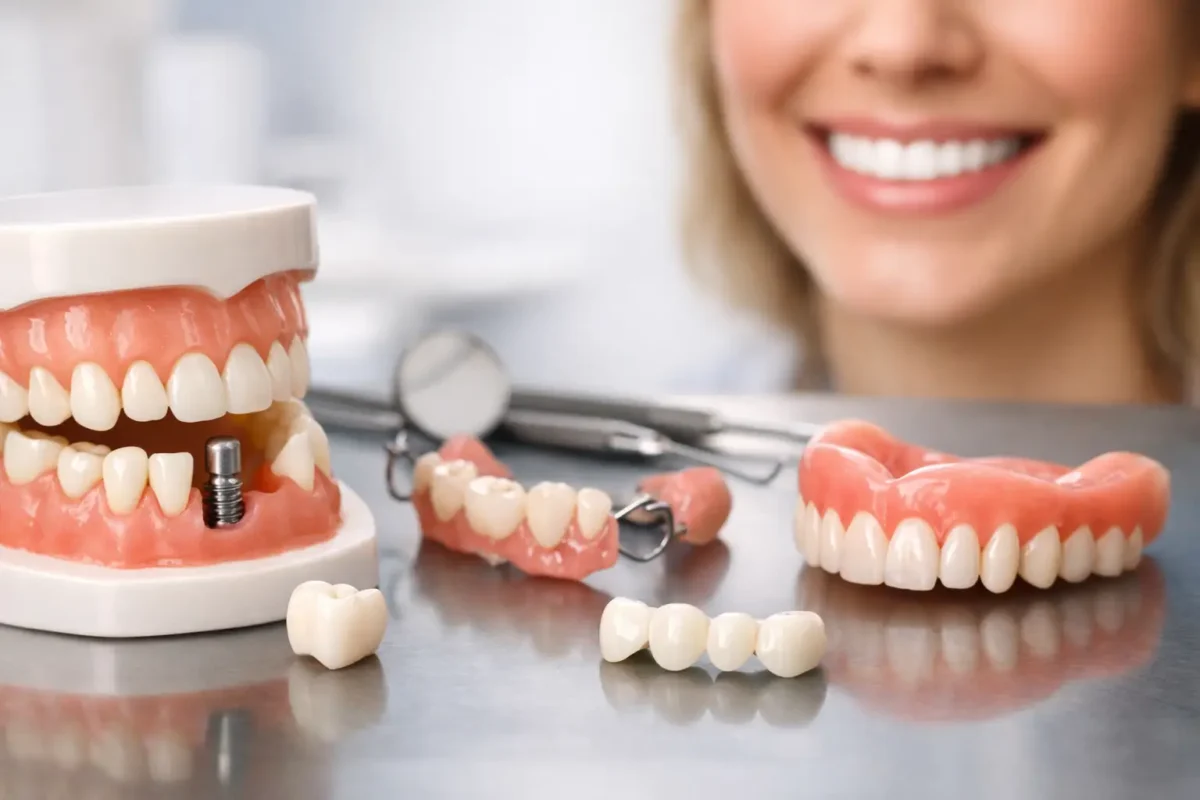
A missing tooth can affect much more than a photograph. It may change the way you chew, make you self-conscious when speaking, or gradually allow neighboring teeth to shift. The best options for missing teeth are not identical for every person. The right choice depends on where the gap is, the health of your gums and jawbone, your timeline, and what feels manageable for your lifestyle and budget.
At a calm, unhurried consultation, your dentist should explain the choices in clear terms rather than steering you toward a one-size-fits-all solution. Modern restorative dentistry offers reliable ways to replace one tooth, several teeth, or a full arch, often with results that look and feel very natural.
Why Replacing a Missing Tooth Matters
When a tooth is lost, the surrounding bone no longer receives the stimulation created by biting and chewing. Over time, this area can shrink. Nearby teeth may tilt into the space, while the opposing tooth can begin to move downward or upward in search of contact.
This does not mean every missing tooth is an emergency, particularly if it is at the back of the mouth and you are managing well. However, leaving a gap for a long period can make future treatment more complex. Replacing the tooth sooner may help protect your bite, facial support, and ability to chew comfortably.
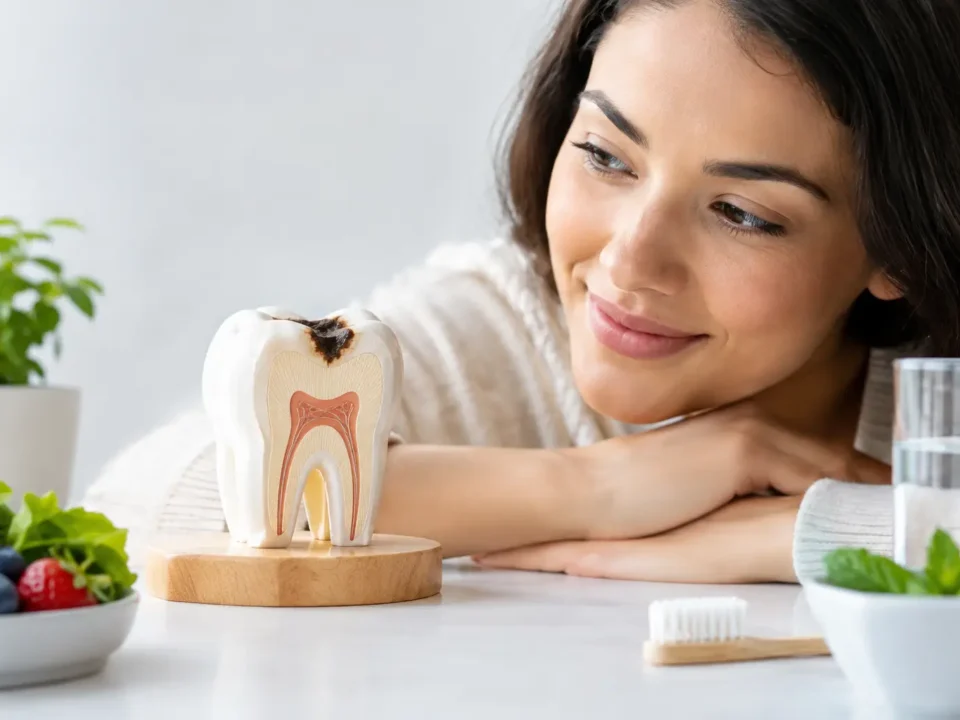
The first step is always to understand why the tooth was lost. Decay, gum disease, trauma, and a failed restoration can each affect the treatment plan. Healthy gums and a stable foundation are essential before placing any long-term replacement.
Best Options for Missing Teeth: A Clear Comparison
Dental implants
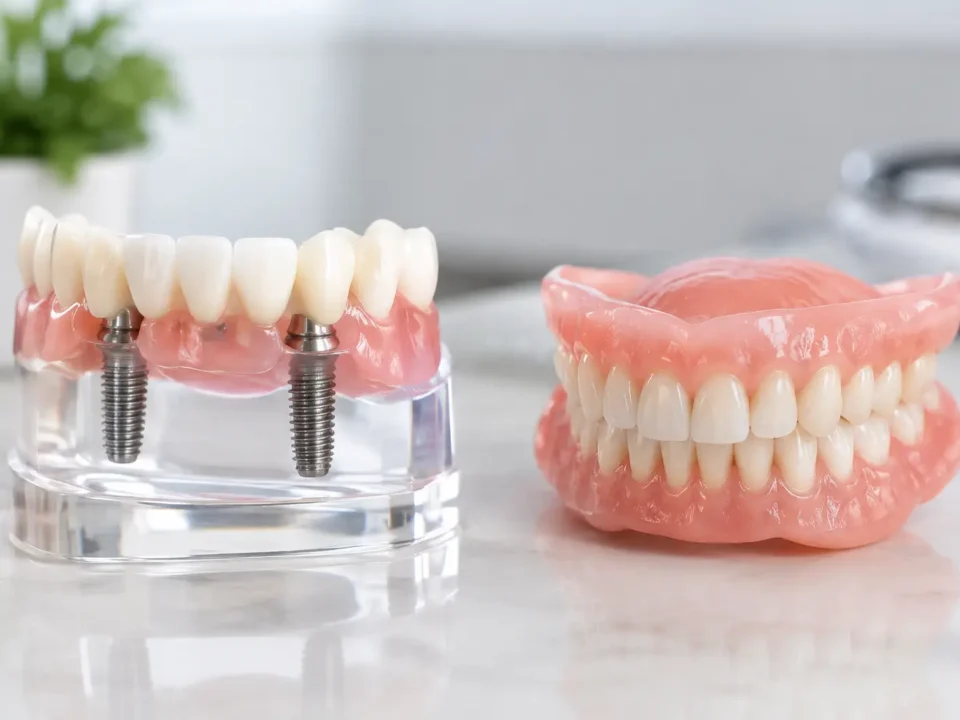
A dental implant is a small titanium post placed in the jawbone to replace the root of a missing tooth. Once it has integrated with the bone, it supports a custom crown, bridge, or full-arch restoration. For many patients, an implant is the closest replacement to a natural tooth because it is fixed in place, does not rely on neighboring teeth, and helps maintain bone in the area.
An implant can replace one tooth, support several teeth with an implant bridge, or stabilize a removable denture. The visible crown is carefully designed to match the shape and color of your surrounding teeth, so the result can be discreet as well as functional.
The trade-off is time and planning. While some patients qualify for immediate implant placement or same-day temporary teeth, others need healing time after an extraction or require bone grafting first. Implant treatment also involves surgery and is generally a larger initial investment than a conventional bridge or denture. Advanced digital planning and guided implant surgery can make the process more precise and predictable, but suitability must be assessed individually.
Dental bridges
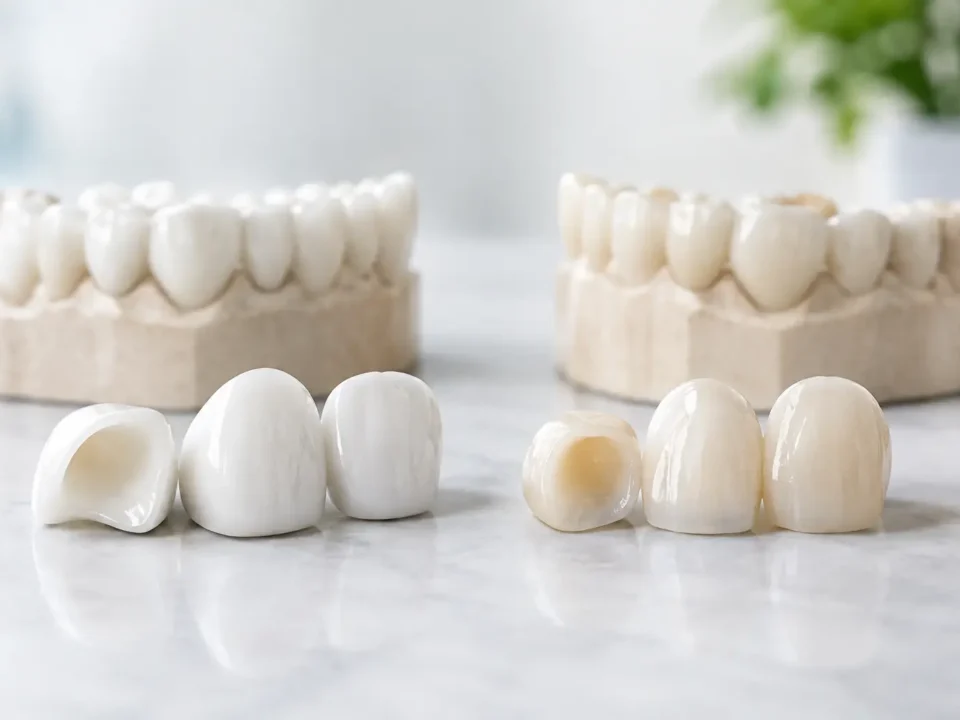
A dental bridge fills a gap by attaching a replacement tooth to the teeth on either side. A traditional bridge uses crowns on the supporting teeth, with the artificial tooth suspended between them. It is fixed, natural-looking, and can restore chewing efficiently without the surgical element of an implant.
A bridge can be an excellent option when the teeth beside the gap already need crowns because of large fillings, cracks, or previous treatment. It is also useful for patients who prefer a shorter treatment timeline or are not currently suitable for implant surgery.
The main consideration is that a conventional bridge requires reshaping the supporting teeth. Those teeth must be healthy enough to carry the extra load, and they will need ongoing care around the bridge margins. A bridge does not replace the tooth root, so it does not provide the same bone preservation as an implant. With attentive hygiene and regular checkups, though, a well-made bridge can serve beautifully for many years.
Removable partial dentures
A partial denture is a removable appliance designed to replace one or more missing teeth. It may use a lightweight acrylic base, a metal framework, or flexible materials, depending on the design and the needs of your mouth. Modern partial dentures can look far more refined than many people expect.
This option is usually less invasive and often more affordable at the outset than a bridge or implant. It can be particularly practical when several teeth are missing in different areas, when a person needs a temporary solution during healing, or when surgery is not appropriate.
Because it is removable, a partial denture requires a period of adjustment. Some people notice bulkiness at first, and the fit can change over time as the gums and bone change shape. It should be removed and cleaned daily, and it may need periodic adjustment or replacement. A partial denture is often a sensible solution, but it is best viewed as a treatment with its own maintenance needs rather than a set-and-forget option.
Full dentures and implant-retained dentures
For people missing all teeth in one or both arches, a full denture can restore appearance, speech, and everyday function. Conventional dentures rest on the gums and are removable. They can be made to look natural and support the lips and face, especially when teeth have been missing for some time.
However, lower dentures in particular can feel unstable because the lower jaw offers less surface area for retention. Implant-retained dentures address this concern by securing the denture to implants. Depending on the plan, the denture may click into place and still be removed for cleaning, or it may be fixed more permanently by the dentist.
This approach can significantly improve confidence while eating and speaking. It may also reduce the pressure placed directly on the gums. The number of implants, the type of restoration, bone availability, and your preference for a removable or fixed solution all influence the final recommendation.
How to Choose the Right Tooth Replacement
The best decision is rarely based on price alone. A transparent treatment plan should consider four practical questions:
- How many teeth are missing, and where are the gaps located?
- Are the surrounding teeth, gums, and jawbone healthy enough for the proposed treatment?
- Do you want a fixed solution, or are you comfortable removing an appliance for cleaning?
- What timeline, maintenance level, and investment feel realistic for you?
For example, a single front tooth may call for the most aesthetic-focused planning, including careful attention to the gum line and shade match. A missing back tooth may place greater emphasis on strength and chewing forces. If several teeth are missing, an implant-supported bridge may avoid placing excessive pressure on remaining teeth. There is no benefit in choosing the most advanced option if it does not suit your oral health, expectations, or daily routine.
What Happens During Treatment Planning?
A thorough assessment typically includes an examination, digital imaging, and a conversation about your medical and dental history. Your dentist will check for active decay, gum inflammation, clenching or grinding, bite concerns, and signs of bone loss. If implants are being considered, a 3D scan may be used to evaluate the bone and plan implant placement precisely.
You should also receive a clear explanation of the stages involved. Ask whether temporary teeth are available, how long healing may take, what the final restoration will be made from, and what maintenance is expected. For international patients in Barcelona, clear communication in English can make a complex decision feel far less stressful, especially when appointments need to fit around travel or work commitments.
At The British Dental Clinic, treatment planning is designed to give patients a clear picture of the clinical recommendation, alternatives, timing, and costs before they commit. That clarity matters because a replacement tooth is not simply a cosmetic purchase. It is part of how your mouth functions every day.
Caring for Your New Smile
Implants, bridges, and dentures all need maintenance. Implants cannot develop cavities, but the gum tissue around them can become inflamed if plaque is allowed to build up. Bridges need careful cleaning under the replacement tooth, often with floss threaders or interdental brushes. Dentures should be cleaned daily and checked regularly for fit.
Routine hygiene visits and checkups help protect both your restoration and the teeth that remain. If you grind your teeth, a custom night guard may also be recommended to reduce strain on crowns, bridges, and implants.
A missing tooth does not have to dictate how you eat, speak, or smile. The most reassuring next step is a personal assessment that looks beyond the gap itself and gives you an honest, well-explained path forward.