Señales de enfermedad periodontal a tiempo
julio 10, 2026
Best Options for Missing Teeth for Your Smile
julio 14, 2026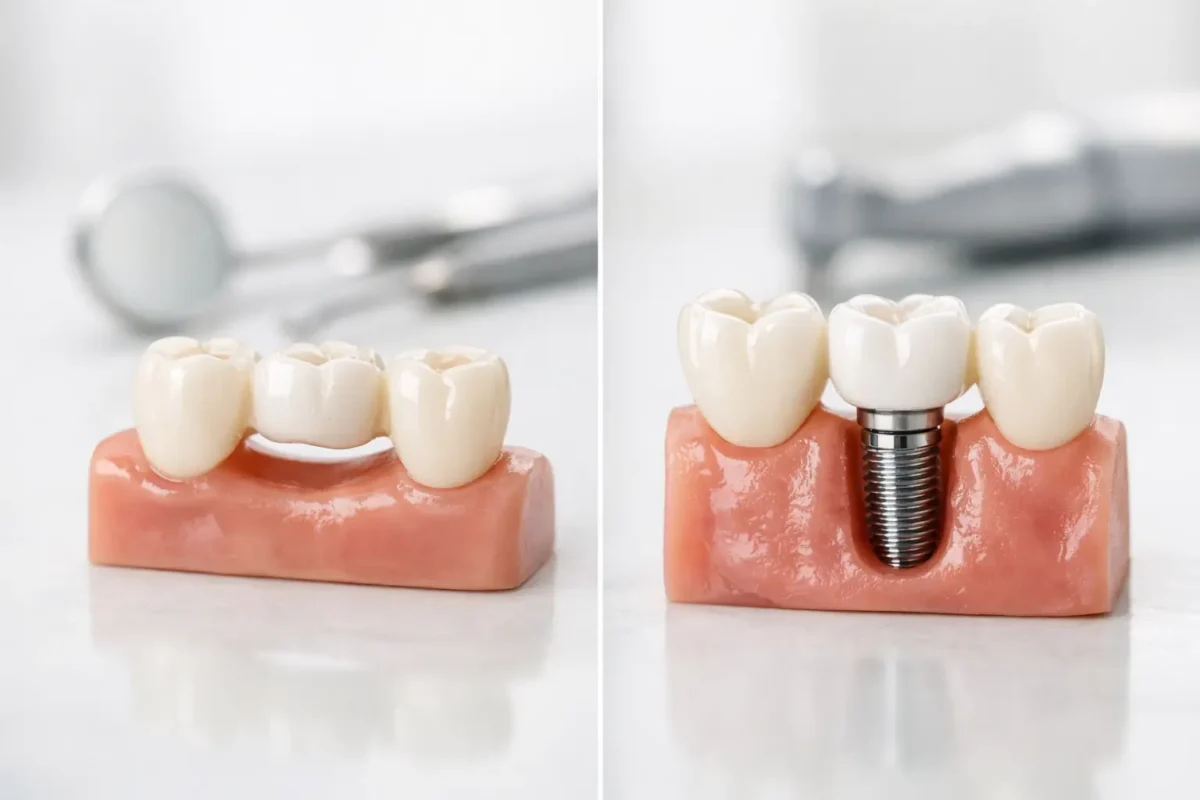
A missing tooth can change more than your smile. You may notice food catching in the space, feel less confident when speaking, or avoid chewing on one side. If you are searching for puente o implante, you are likely deciding between two proven ways to replace that tooth: a dental bridge or a dental implant.
Both options can restore function and appearance beautifully. The better choice depends on the health of the teeth beside the gap, the condition of your jawbone and gums, your timeline, and what matters most to you over the long term. A careful examination and clear conversation are more valuable than a one-size-fits-all answer.
Puente o implante: the key difference
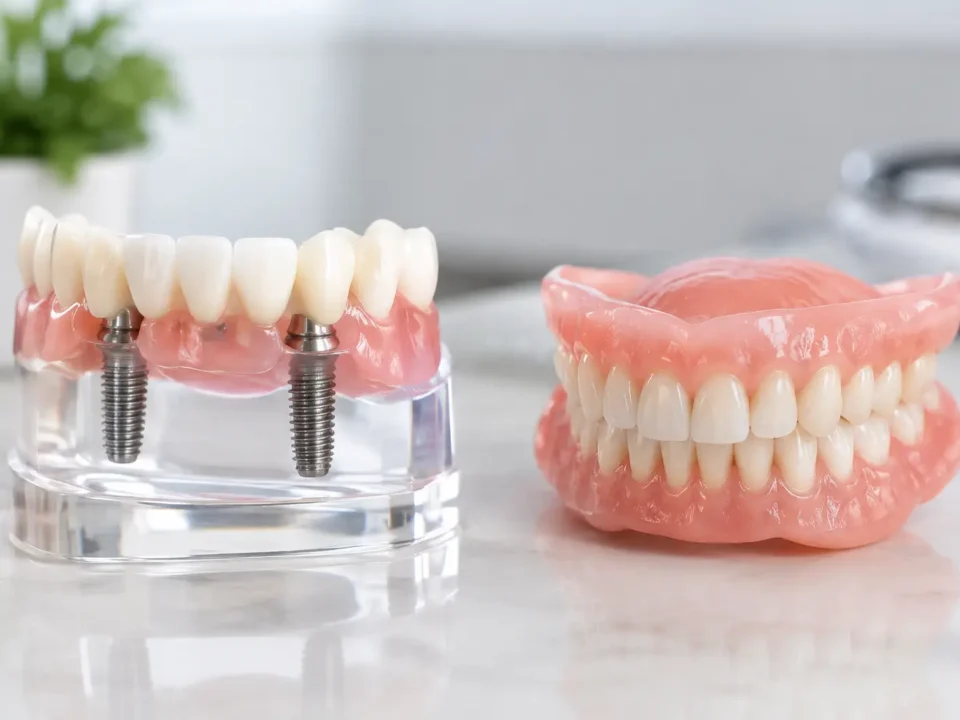
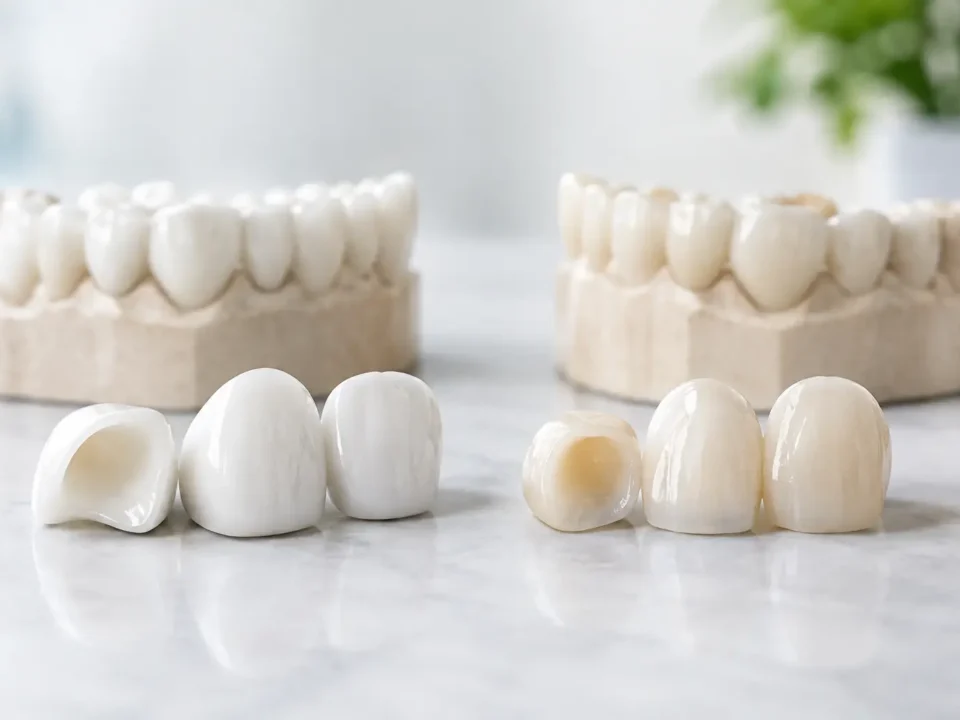
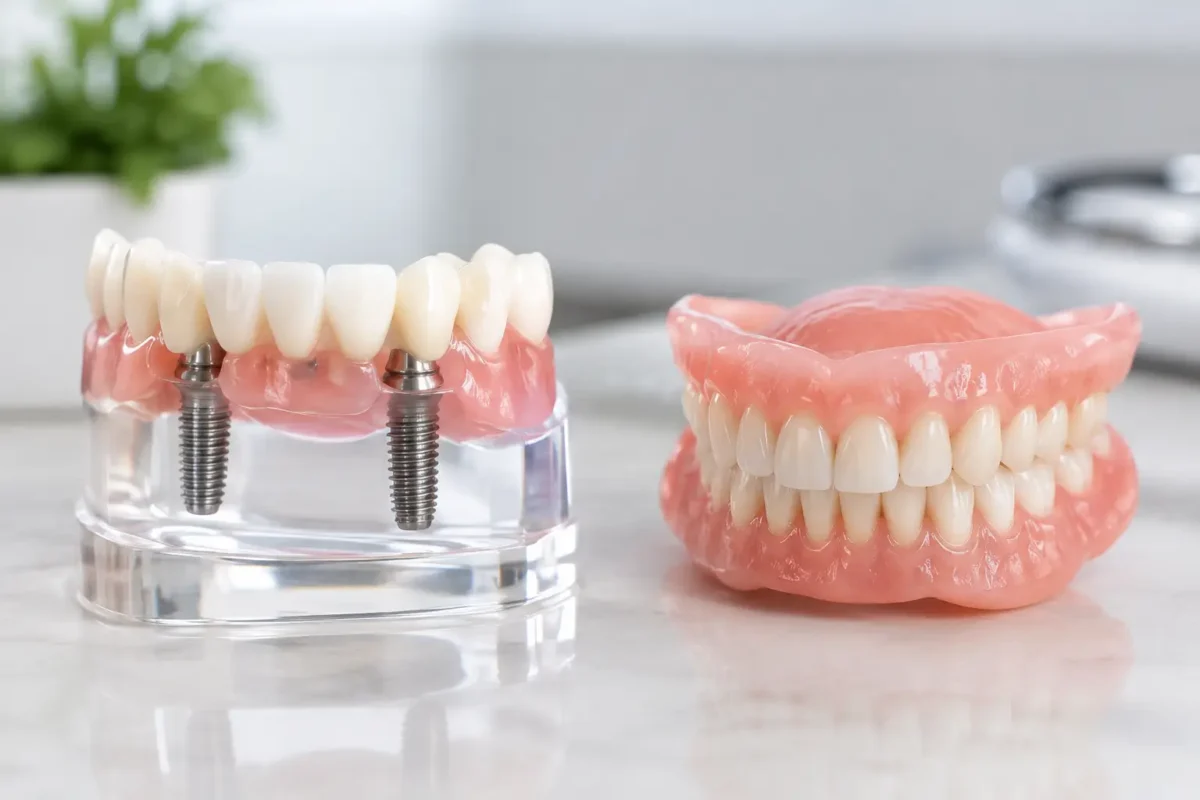
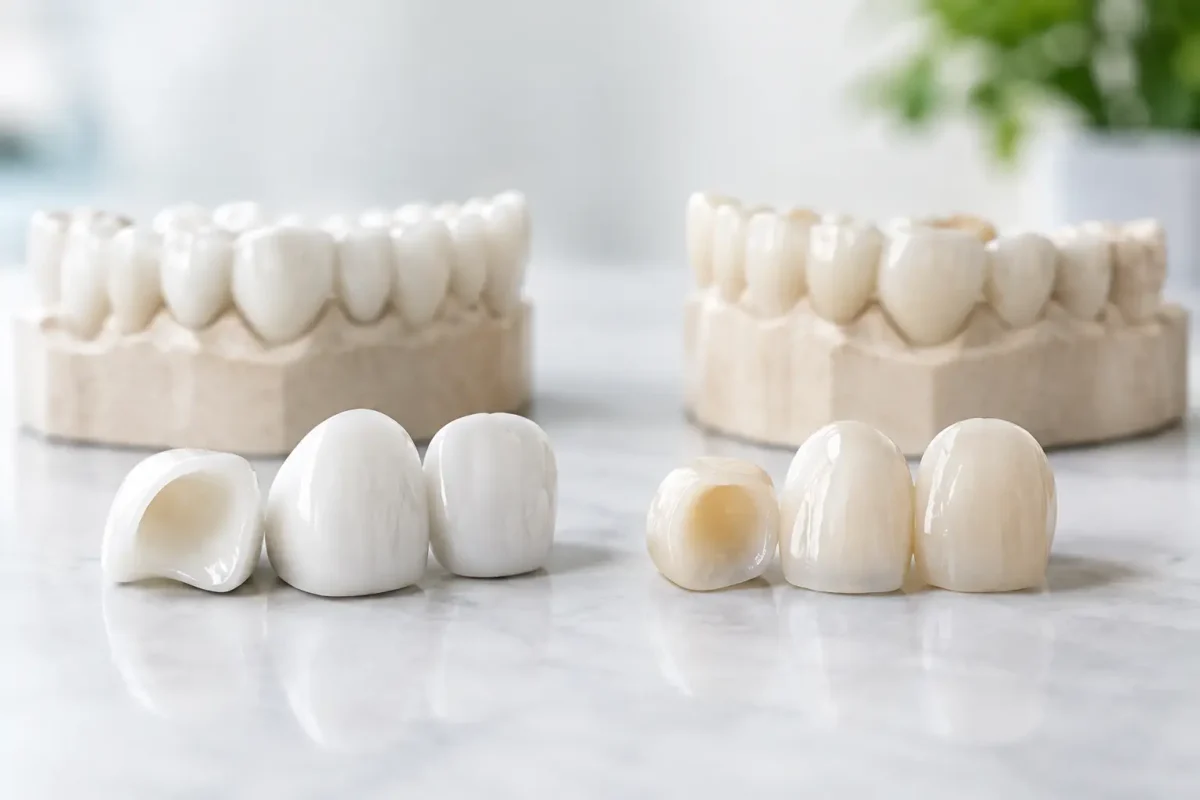
A dental bridge replaces a missing tooth by connecting a custom-made false tooth to neighboring teeth. In a conventional bridge, the teeth on either side of the gap are shaped to support crowns, with the replacement tooth fixed between them. Once cemented in place, it looks and feels like a natural part of your smile.
A dental implant replaces the root as well as the visible tooth. A small titanium implant is placed in the jawbone, where it integrates with the bone over time. Once it is stable, a custom crown is attached above the gumline. The finished result is a tooth that stands independently, rather than relying on the adjacent teeth.
Neither treatment is automatically better for every person. The right recommendation should be based on your individual clinical needs, not simply on which procedure appears more convenient at first glance.
When a dental bridge may be the right choice
A bridge can be an excellent solution when the neighboring teeth already need crowns because of large fillings, fractures, significant wear, or previous root canal treatment. In that situation, restoring those teeth and filling the gap at the same time may be a practical and efficient plan.
Treatment is usually completed more quickly than a traditional implant process. After the supporting teeth are prepared, impressions or digital scans are taken so the bridge can be made to fit your bite, gumline, and shade. A temporary bridge may protect the area while the final restoration is being created.
For some patients, a bridge is also preferable when implant surgery is not advisable due to certain medical circumstances, limited bone volume, or personal preference. Modern bridges can be highly natural-looking, particularly when designed with precise digital planning and quality ceramic materials.
The trade-off is that a conventional bridge requires work on the teeth next to the missing one, even if they are healthy. It also does not stimulate the jawbone beneath the missing tooth. Over time, some bone loss in that area can occur naturally after an extraction.
Bridges need attentive cleaning. You will need to clean under the replacement tooth daily, often with floss threaders, interdental brushes, or a water flosser recommended by your dentist. With good hygiene and regular checkups, a well-made bridge can last many years, although it may eventually need replacement.
When a dental implant may be the better option
An implant is often the most conservative choice for the teeth beside the gap because it does not require them to be filed down. It can be especially appealing when those neighboring teeth are healthy and untouched.
Because the implant functions like an artificial root, it helps transfer chewing forces into the jawbone. This supports bone preservation in the area and can help maintain the natural contours of your gum and facial structure. For a single missing tooth, this independent support is one of the strongest advantages of implant treatment.
An implant crown is also cleaned much like a natural tooth: brushing twice a day, cleaning between teeth, and attending routine hygiene appointments. While implants cannot decay, the gums and bone around them can become inflamed if plaque is allowed to build up. Long-term success depends on excellent oral hygiene and professional maintenance.
The main consideration is time. After implant placement, the bone generally needs time to heal and integrate with the implant before the final crown is fitted. Depending on your case, this may take several months. Some patients are suitable for immediate or same-day solutions, but this depends on factors such as bone quality, bite forces, gum health, and the location of the missing tooth.
Implants also require sufficient bone and healthy gums. If bone has been lost after a tooth was removed, a bone graft may be recommended before or during implant placement. This can add time and cost, but it may create a more stable foundation for a lasting result.
Comparing treatment time, cost, and longevity
It is understandable to compare a bridge and implant based on cost alone. A bridge often has a lower initial cost and may be completed sooner. An implant can involve a larger upfront investment because it includes surgical placement, planning, the implant itself, and the final crown. If grafting or gum treatment is needed, that also affects the treatment plan.
However, the initial price is only one part of the decision. A bridge may need replacement after years of use, and the supporting teeth can develop problems underneath the crowns if decay or gum disease occurs. An implant can also require future care or restoration, particularly if the crown wears, chips, or loosens. No dental treatment should be presented as permanent and maintenance-free.
In many cases, implants have excellent long-term outcomes when they are carefully planned and properly maintained. Bridges can also provide reliable service for many years. The more useful question is not simply, “Which lasts longer?” but “Which option protects my oral health and suits my circumstances best?”
Your dentist should provide a written treatment plan that explains what is included, any preparatory treatment required, expected timelines, and the likely future maintenance of each option. This clarity helps you make a decision without feeling pressured.
Your gums, bone, and bite matter more than you may think
The condition of your gums is central to either treatment. Active gum disease should be treated before placing a bridge or implant, since inflammation can compromise the tissues supporting your teeth and restoration.
Your bite also matters. If you grind or clench your teeth, a bridge or implant crown may be exposed to higher forces. A custom nightguard may be advised to protect your new restoration and your natural teeth. Missing teeth caused by trauma, decay, gum disease, or a failed old restoration can each call for a slightly different approach.
For implant planning, advanced digital imaging allows your dentist to assess the available bone, nearby tooth roots, nerves, and sinus areas. Guided implant surgery may be used to place the implant with a high level of precision. This planning is particularly reassuring for patients who want to understand exactly what will happen before treatment begins.
Questions worth asking at your consultation
A good consultation should leave you feeling informed rather than overwhelmed. Ask whether the teeth next to the space are healthy, whether there is enough bone for an implant, and whether any gum treatment is needed first. You can also ask about the expected number of appointments, the type of materials being recommended, and how you should care for the final restoration.
If you are considering a bridge, ask how it will affect the neighboring teeth and how you will clean beneath it. If you are considering an implant, ask whether you are a candidate for immediate placement or need a healing period, and whether bone grafting is likely.
For international patients in Barcelona, being able to discuss these details clearly in English can make a meaningful difference. At The British Dental Clinic, treatment planning is designed to give patients a straightforward understanding of their choices, costs, timelines, and expected results before moving forward.
The decision should feel considered, not rushed
A bridge may be the sensible choice when adjacent teeth already need crowns, when treatment needs to be completed more quickly, or when surgery is not suitable. An implant may offer the greater long-term advantage when neighboring teeth are healthy, bone and gum conditions are favorable, and you want a replacement tooth that stands on its own.
The most reassuring next step is a personalized assessment. Once you understand the health of your teeth, gums, bone, and bite, the choice between a bridge and an implant becomes less about choosing the “best” treatment in general and more about choosing the treatment that is best for your smile.