Como elegir dentista internacional sin errores
junio 24, 2026
Guia diseño de sonrisa: what to expect
junio 28, 2026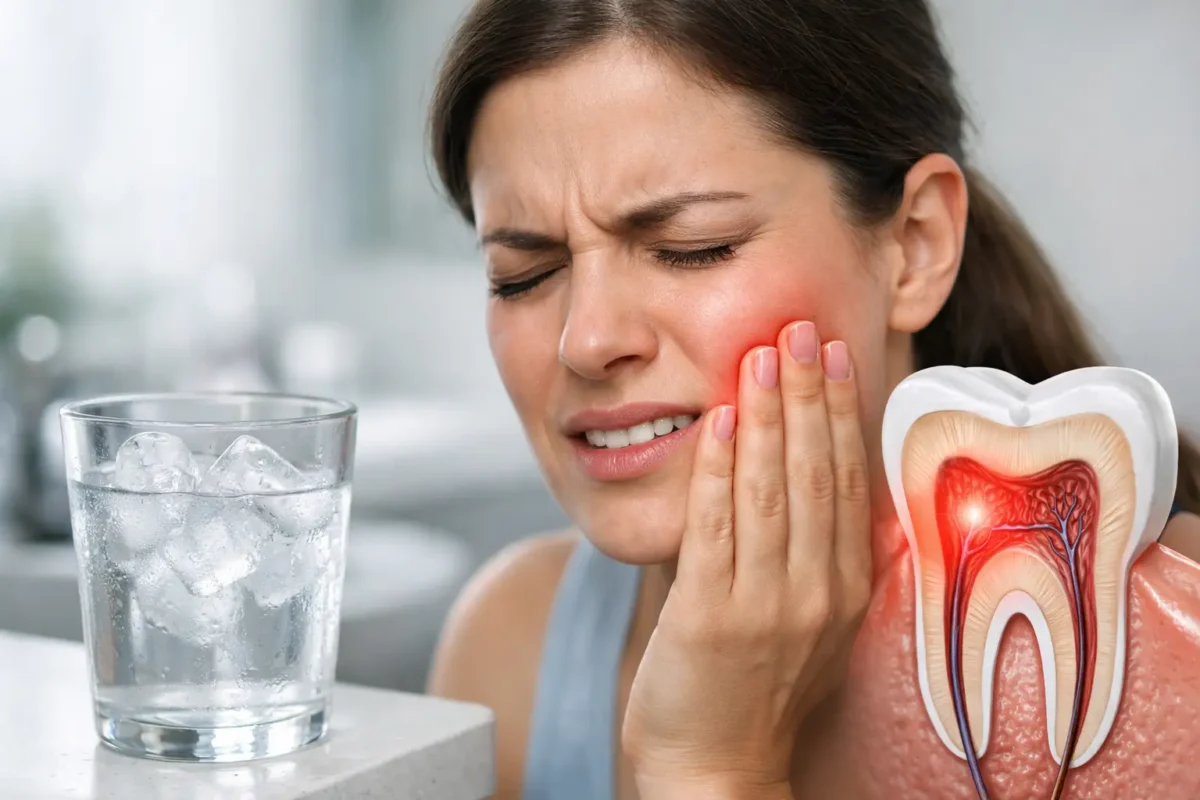
That sharp jolt when you sip iced water or breathe in cold air can feel surprisingly intense. If you are wondering what causes tooth sensitivity pain, the short answer is that the protective layers of the tooth are no longer shielding the nerve as well as they should. The longer answer matters, because sensitivity can be brief and manageable in some cases, or a sign that something needs prompt dental attention in others.
What causes tooth sensitivity pain in the first place?
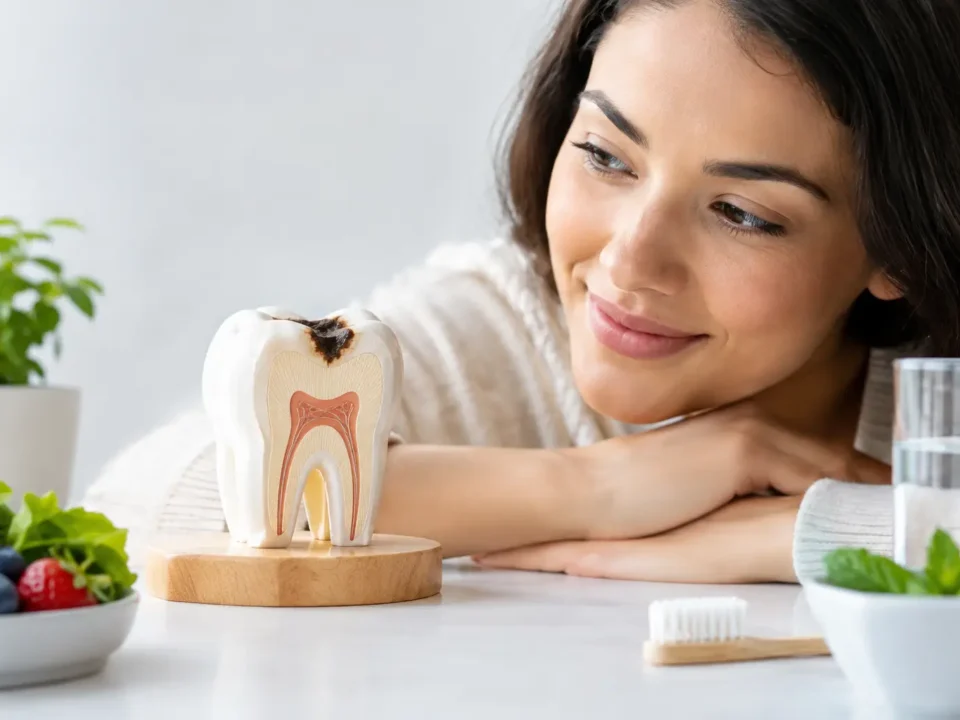
A healthy tooth is built to protect itself. Enamel covers the crown of the tooth, and cementum covers the root. Under both sits dentin, a more porous layer filled with tiny channels that lead toward the nerve. When dentin becomes exposed, heat, cold, sweetness, acidity, or even touch can trigger pain.
That is why tooth sensitivity is not really a condition on its own. It is usually a symptom. The key question is not just why a tooth hurts, but what has exposed the dentin or irritated the nerve.
For some people, sensitivity happens in one tooth. For others, it affects several teeth at once. That difference can offer clues. Widespread sensitivity often points to enamel wear, gum recession, or grinding. Pain in one specific tooth may suggest decay, a crack, or a failing filling.
Common reasons teeth become sensitive
Enamel wear
Enamel is strong, but it is not indestructible. Brushing too hard, using a very abrasive toothpaste, frequent exposure to acidic foods and drinks, or long-term teeth grinding can gradually wear it down.
This does not always happen dramatically. Often, enamel loss is slow and easy to miss until cold drinks or sweets start to sting. People who drink sparkling water, citrus juices, sports drinks, or coffee throughout the day may be exposing their teeth to repeated acid attacks, especially if they sip rather than finish a drink in one sitting.
Gum recession
When gums recede, the root surface becomes exposed. Roots do not have the same enamel protection as the visible part of the tooth, so they are naturally more vulnerable to sensitivity.
Gum recession can be linked to gum disease, brushing technique, natural anatomy, or age-related changes. Even patients with otherwise healthy mouths can develop recession if they brush aggressively for years. If sensitivity seems to be strongest near the gumline, recession is often part of the picture.
Tooth decay
A cavity does not always start with obvious pain. In its early stages, it may only cause sensitivity to sweet, cold, or hot foods. As decay moves deeper into the tooth, the discomfort can become more frequent or linger after the trigger is gone.
This is one reason self-diagnosing sensitivity can be risky. Many people assume they just need a desensitizing toothpaste, when the real issue is a cavity that needs treatment.
Cracked or damaged teeth
A small crack can let temperature changes and pressure affect the inner part of the tooth. Sometimes the pain is sharp when biting. Other times it shows up with cold foods and then disappears quickly.
Cracks are not always visible without a dental exam. They may result from clenching, grinding, chewing something hard, or trauma. Because symptoms can come and go, people often delay getting them checked. That can make the problem harder to treat later.
Worn or leaking fillings
Dental restorations do not last forever. If a filling, crown, or bonding starts to wear down, chip, or pull away slightly from the tooth, sensitivity can develop around the edges.
This type of discomfort may feel new even in a tooth that was treated years ago. The solution is not always replacement, but it does need evaluation.
Other causes that are easy to overlook
Teeth grinding and clenching
Many adults grind or clench without realizing it, especially during sleep or stressful periods. This repeated pressure can wear enamel, create tiny fractures, and inflame the tooth structure.
If you wake with jaw tension, headaches, or a feeling that your teeth are sore rather than just sensitive, grinding may be contributing. In these cases, treating the sensitivity alone will not solve the underlying problem.
Recent whitening treatment
Teeth whitening can cause temporary sensitivity, even when performed correctly. Whitening agents penetrate the tooth and can briefly irritate the nerve. This usually settles within a few days, though some people are more prone to it than others.
If sensitivity began right after whitening and gradually improves, that is usually less concerning than pain that keeps worsening. Still, whitening should be approached carefully if you already have exposed roots, untreated cavities, or cracked teeth.
Recent dental treatment
After a filling, crown preparation, deep cleaning, or orthodontic adjustment, temporary sensitivity can happen. The tooth and surrounding tissues may simply need time to settle.
What matters is the pattern. Mild improvement over days or a couple of weeks is common. Severe pain, pain that wakes you up, or sensitivity that is getting worse deserves a review.
Gum disease and inflammation
Inflamed gums can make the mouth feel more reactive overall. If periodontal disease is present, gum recession and root exposure often follow, which adds another layer to the problem.
In these cases, the answer to what causes tooth sensitivity pain is not just exposed dentin. It is also the health of the surrounding gum and bone support.
When sensitivity is usually temporary, and when it is not
Not every twinge means something serious. Brief sensitivity after whitening, after a professional cleaning, or during a period of increased grinding may improve with conservative care. Using a desensitizing toothpaste, avoiding very acidic foods for a while, and brushing gently with a soft brush can help.
But some patterns are more concerning. If the pain lingers for more than a few seconds after hot or cold exposure, if one tooth suddenly becomes much more sensitive than the others, or if biting feels painful, the issue may be deeper than surface sensitivity. Swelling, spontaneous throbbing, or pain that disrupts sleep are stronger warning signs that the nerve may be inflamed or infected.
The difference matters because treatment depends on the cause. One patient may need a change in home care and fluoride support. Another may need a filling, a new restoration, gum treatment, or root canal therapy.
How dentists identify what causes tooth sensitivity pain
Sensitivity is common, but the source is not always obvious from symptoms alone. A proper exam usually includes looking at wear patterns, checking the gums, assessing old dental work, and testing how individual teeth respond.
X-rays may be needed if decay, infection, or bone loss is suspected. Sometimes the diagnosis is straightforward. Other times it takes a careful process of ruling out several possibilities, especially if the pain is intermittent.
This is where clear communication matters. Patients often describe sensitivity in general terms, but details help – whether it happens with cold only, whether it lingers, whether it is one tooth or many, and whether it began after a specific event such as whitening or a new filling.
Treatment depends on the cause
There is no single fix for sensitive teeth because there is no single reason they happen. Desensitizing toothpaste can be useful when the issue is mild dentin exposure. Fluoride treatments may strengthen vulnerable areas. If grinding is involved, a custom night guard may protect the teeth from further wear.
When gum recession is significant, treatment may focus on improving gum health and reducing further loss. If decay or a damaged filling is the cause, restoring the tooth is usually the best way to stop the pain. If the nerve inside the tooth is inflamed beyond recovery, root canal treatment may be necessary.
A polished, patient-centered clinic should explain these options clearly rather than jumping straight to the most complex treatment. At The British Dental Clinic, for example, many international patients value understanding not just what is recommended, but why, what the alternatives are, and what level of urgency is involved.
What you can do now
If your teeth have become sensitive, start with the basics. Use a soft-bristled toothbrush, brush gently along the gumline, and choose a toothpaste made for sensitivity. Try not to brush immediately after acidic foods or drinks, because enamel is softer at that point. If you grind your teeth or suspect you do, that is worth mentioning at your dental visit.
Just as important, pay attention to the pattern. Sensitivity that is mild, recent, and improving is different from sensitivity that keeps returning or is focused in one spot. Temporary relief is helpful, but clarity is better.
A sensitive tooth is often the mouth’s way of asking for attention before a small problem becomes a bigger one. Listening early usually gives you simpler, more comfortable treatment options.