Invisalign or Brackets: Which Is Better?
junio 12, 2026
Por Que Sangran Encias y Qué Hacer
junio 14, 2026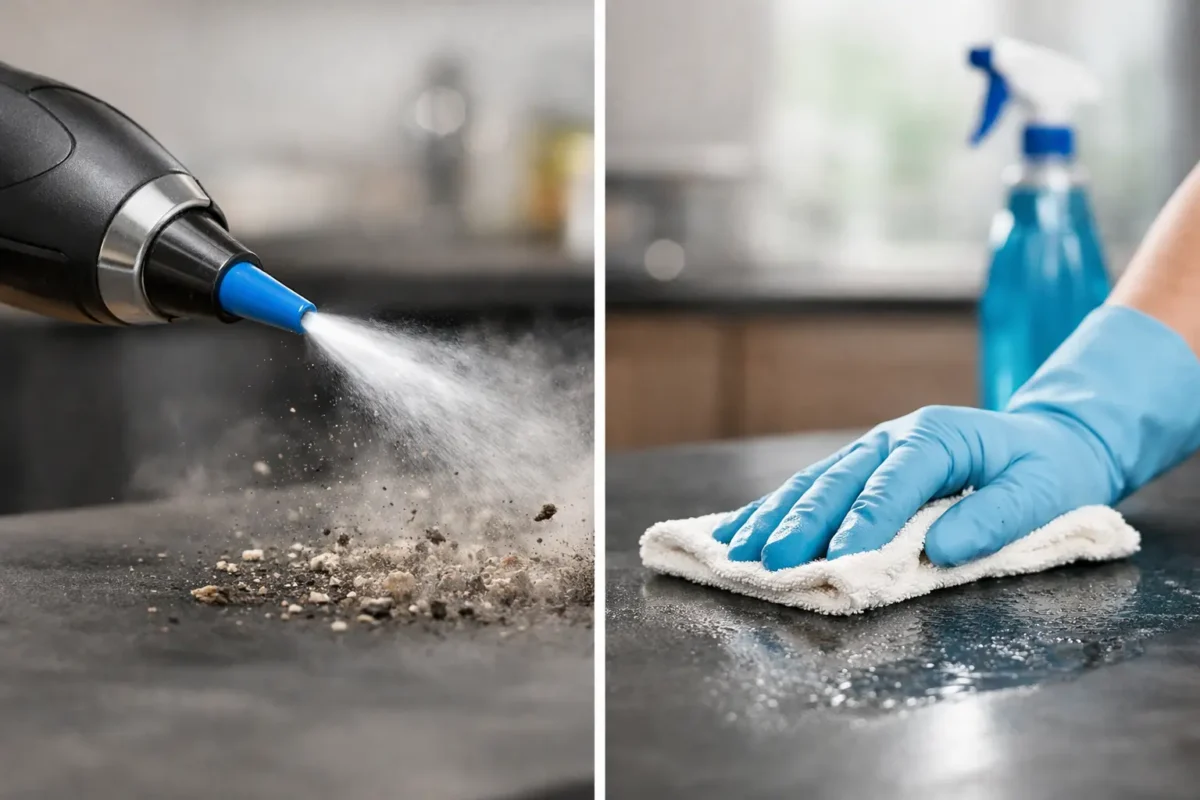
If you have been told you need a hygiene visit and you are comparing airflow vs limpieza, the question usually is not which one is newer. It is which one is right for your teeth, your gums, and the kind of staining or buildup you actually have. For many patients, the best choice depends on whether the main issue is surface stain, hardened tartar, gum health, sensitivity, or a mix of all four.
The confusing part is that these terms are often used as if they mean the same thing. They do not. A limpieza is a professional dental cleaning. Airflow is a specific hygiene technology that uses a controlled stream of air, warm water, and fine powder to remove soft plaque and surface stains. One is a category of care. The other is a technique that may be used within that care.
Airflow vs limpieza: the real difference
A standard limpieza focuses on removing plaque, tartar, and buildup from the teeth and around the gumline. It is the classic hygiene appointment most people know. Depending on your needs, it may include hand instruments, ultrasonic scaling, polishing, and advice on home care.
Airflow works differently. Instead of scraping alone, it uses a pressurized stream of air, water, and powder to gently disrupt biofilm and lift external staining. This can be especially helpful for tea, coffee, red wine, and tobacco stains, as well as for cleaning around braces, implants, retainers, and other areas where plaque tends to cling.
So when patients ask about airflow vs limpieza, the most accurate answer is that Airflow is not always a replacement for a full cleaning. In many cases, it is part of a modern hygiene approach rather than a separate alternative.
What a traditional limpieza does best
A professional cleaning is still the foundation of preventive dental care. Its strength is removing hardened deposits – also called tartar or calculus – that cannot be brushed away at home. If you have buildup below or along the gumline, bleeding gums, or overdue hygiene visits, a limpieza is often essential.
This matters because tartar is not just a cosmetic issue. It creates a rough surface where bacteria can thrive, increasing the risk of gum inflammation, bad breath, and periodontal problems over time. If the goal is to improve gum health and remove established buildup, traditional scaling techniques are often necessary.
A limpieza is also more adaptable than many people realize. For some patients, it is a quick maintenance visit. For others, it is more involved because the buildup is heavier, the gums are inflamed, or there are restorations and crowded areas that need extra attention.
Where Airflow stands out
Airflow tends to shine when comfort, stain removal, and precision around delicate surfaces matter most. Patients often notice that it feels gentler than they expected, especially compared with the scraping sensation they associate with hygiene visits.
It is particularly useful for removing soft biofilm before it hardens, which is one reason many modern clinics include it in preventive care. It can also be very effective for polishing without the grittier feeling of traditional polishing paste.
If you have veneers, implants, orthodontic appliances, or regular staining from coffee and tea, Airflow can be an excellent option. It is designed to clean efficiently while being kind to enamel and restorative surfaces when used appropriately.
That said, Airflow has limits. It does not magically dissolve thick tartar. If there is significant calculus buildup, your hygienist or dentist may still need ultrasonic or manual instruments to remove it properly.
Which option is better for stains?
If your main concern is visible staining, Airflow often has the edge. Surface discoloration from everyday habits usually responds very well to it, and the results can feel noticeably fresher and brighter right away.
This is different from whitening. Whitening changes the internal shade of the teeth. Airflow removes external stain sitting on the surface. That distinction matters because some patients think they need whitening when what they really need first is a thorough hygiene visit.
In practice, removing surface stain can make a meaningful difference on its own. Teeth may look cleaner, more even in color, and less dull without changing their natural shade.
Which option is better for gum health?
For gum health, it depends on the stage of the problem. If your gums are healthy and the aim is preventive maintenance, Airflow can be very helpful because it targets the bacterial biofilm that contributes to inflammation.
If you already have tartar deposits, gum bleeding, or signs of periodontal disease, a standard limpieza – and in some cases deeper periodontal cleaning – becomes more important. Gum treatment is not only about what feels pleasant during the appointment. It is about removing the bacteria and deposits that are driving inflammation.
This is where a personalized examination matters. The right approach should follow what your gums need, not what sounds most appealing online.
Airflow vs limpieza for sensitive teeth
Sensitivity is one of the most common reasons patients ask for alternatives to traditional cleaning. In many cases, Airflow feels more comfortable because it is less dependent on prolonged scraping and can be performed with warm water, which some systems use to reduce discomfort.
However, sensitivity is not the same in every patient. If exposed root surfaces, recession, or active gum inflammation are present, even a gentle treatment may need to be adjusted carefully. The technique matters, but so does the clinician’s judgment.
For anxious patients, the best hygiene visit is often the one that is explained clearly in advance. Knowing why a certain method is being used and what sensations to expect can make a significant difference.
When you may need both
This is the part many patients are not told clearly enough: it is often not a choice of one or the other. A high-quality hygiene appointment may combine Airflow with ultrasonic scaling or hand instrumentation.
For example, Airflow may be used first to remove biofilm and stain so the clinician can see the teeth and gums more clearly. Then, if tartar is present, targeted scaling can remove the harder deposits that Airflow cannot. That combination can be both thorough and comfortable.
In a patient-centered clinic, the goal is not to push one branded treatment over another. It is to select the least invasive method that still achieves a properly clean result.
Who is a good candidate for Airflow?
Airflow is often a strong fit for patients who keep up with regular hygiene visits and want effective maintenance with less abrasion and a more comfortable feel. It can also be ideal if you have braces, implants, crowns, veneers, or stubborn surface stains.
It may also suit international patients who are used to modern preventive dentistry and want a hygiene experience that feels efficient, gentle, and visibly effective. In a city like Barcelona, where many patients balance busy schedules with high expectations for care, that combination matters.
Still, being a good candidate does not mean Airflow should be used automatically. If heavy tartar or active periodontal issues are present, a more comprehensive cleaning plan may be needed.
How to decide between Airflow and limpieza
The best decision starts with a simple question: what exactly are you trying to fix? If it is mainly stain and soft plaque, Airflow may be an excellent solution. If it is tartar buildup, bleeding gums, or overdue preventive care, a standard cleaning is likely the priority.
If the answer is all of the above, the best treatment may include elements of both. That is why a proper clinical assessment matters more than a menu of hygiene options.
At The British Dental Clinic, this kind of conversation is part of the experience patients value most – clear explanations, no pressure, and treatment planned around real needs rather than assumptions. Especially for English-speaking patients navigating dental care abroad, that clarity helps reduce uncertainty.
A good hygiene appointment should do more than make your teeth feel smooth for a day. It should leave you understanding what was done, why it mattered, and what will keep your mouth healthier between visits. If you are weighing airflow vs limpieza, the right answer is usually the one tailored to your teeth, not the one with the better marketing.