What Happens During a Root Canal Procedure?
noviembre 13, 2026
Digital Dentistry Trends Patients Should Know
noviembre 17, 2026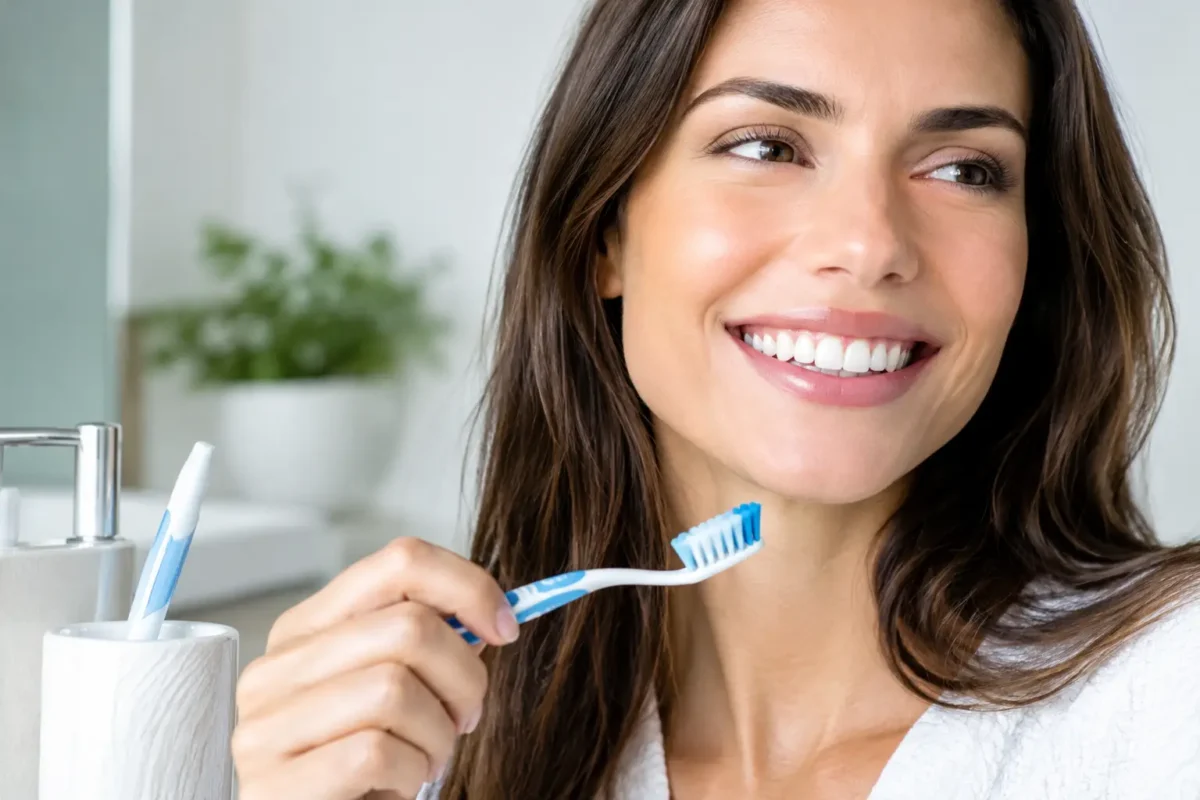
A veneer can transform the balance, color, and shape of a smile, but its long-term appearance depends on what happens after treatment. Patients often ask, como cuidar carillas dentales? The reassuring answer is that veneers do not require a complicated routine. They do, however, need consistent hygiene, sensible habits, and regular professional care.
Porcelain veneers are durable and highly stain-resistant, while composite veneers can be more prone to surface staining and wear. Neither material is indestructible. Looking after your veneers protects more than their appearance: it also helps safeguard the natural teeth and gums that support them.
How to care for dental veneers at home
The foundation is simple: brush twice a day for two minutes, clean between your teeth once daily, and keep regular dental hygiene appointments. Plaque can still collect along the gumline and where the veneer meets the natural tooth. If it is not removed, gum inflammation or decay can develop around the restoration.
Choose a soft-bristled manual or electric toothbrush and use gentle, controlled pressure. Brushing harder does not clean more effectively, and aggressive brushing can irritate the gums or contribute to recession over time. A non-abrasive fluoride toothpaste is usually the best choice because it cleans effectively without unnecessarily roughening composite surfaces or wearing at the edges of restorations.
Flossing is not optional with veneers. Slide the floss carefully between each tooth and curve it around the side of the tooth below the gumline. An interdental brush may also be helpful if there are larger spaces between teeth, but it should fit comfortably rather than being forced into place. Your dentist or hygienist can recommend the most suitable size and technique for your smile.
If you prefer a mouthwash, select one that supports gum health and is alcohol-free if your mouth tends to feel dry or sensitive. Mouthwash is a helpful addition, not a replacement for brushing and flossing.
Be cautious with whitening products
Whitening toothpaste, strips, and gels can brighten natural enamel, but they will not change the shade of porcelain or composite veneers. Using highly abrasive whitening toothpaste may also make surrounding teeth look uneven over time or dull the polished surface of composite bonding.
If you are considering whitening after receiving veneers, ask your dentist first. In some cases, whitening the natural teeth can be planned before veneer treatment so the shades match from the beginning. Once veneers are in place, any color changes should be managed carefully and professionally.
Protect veneers from chips and pressure
Veneers are designed to function during normal eating, speaking, and smiling. The risk of damage rises when they are asked to do jobs that teeth should never do, such as opening packaging, holding pins, biting nails, or tearing tape.
Try not to bite directly into very hard foods with your front teeth. This does not mean you need to avoid apples, crusty bread, or carrots forever. Cutting firm foods into smaller pieces and chewing with your back teeth is a practical precaution, especially if you have veneers on the front teeth. Be particularly careful with ice, hard candies, bones, olive pits, and popcorn kernels.
Habits such as nail biting, pen chewing, or chewing on glasses can place repeated stress on veneer edges. A small chip may be repairable, particularly with composite material, but preventing it is always preferable to repeated repairs.
If you grind or clench your teeth
Teeth grinding, also called bruxism, is one of the most common reasons veneers can chip, crack, or loosen prematurely. Many people clench at night without realizing it. Morning jaw tightness, headaches, tooth sensitivity, or worn edges on natural teeth can all be signs.
A custom night guard creates a protective barrier between the upper and lower teeth while you sleep. It is made to fit your bite properly, which is very different from relying on a generic over-the-counter guard. If you already have a night guard, wear it consistently. It is a small routine that can make a substantial difference to the lifespan of veneers and other dental work.
Keep the gums around your veneers healthy
Beautiful veneers need a healthy gumline. Redness, swelling, bleeding during brushing, persistent bad breath, or a change in gum shape should not be ignored. These symptoms may indicate gingivitis or periodontal disease, which can affect the appearance and stability of any cosmetic dental treatment.
Good home care matters, but professional hygiene visits remove hardened tartar that cannot be brushed away. They also allow your dental team to check the margins of the veneers, assess the bite, and spot early signs of wear before they become larger concerns.
For patients with gum sensitivity, existing periodontal concerns, or a history of gum recession, recall intervals may need to be more frequent. The right schedule is personal. It should be based on your oral health, home-care habits, and the type of restorations you have.
Food, drinks, and staining: what really matters
Porcelain is very resistant to staining from coffee, tea, red wine, and richly colored foods. Composite veneers are more likely to absorb pigments over time, particularly if the surface becomes less smooth. Even with porcelain, the natural teeth around veneers can gradually change color, creating a difference that may become noticeable.
You do not need to give up coffee or red wine to care for your veneers. A more realistic approach is to enjoy them in moderation, rinse with water afterward when convenient, and maintain thorough daily cleaning. Avoid using tobacco products, which can stain natural teeth and composite restorations, affect gum health, and compromise the overall appearance of a smile.
Frequent sipping of sugary or acidic drinks can also raise the risk of decay around veneer edges. If you drink soda, sports drinks, or citrus-based beverages, it is kinder to your teeth to have them with a meal rather than sipping them over several hours. Wait around 30 minutes after acidic foods or drinks before brushing, as enamel can be temporarily softened.
What to do if a veneer feels different
A veneer that suddenly feels rough, sharp, loose, or different when you bite deserves a dental assessment. Do not try to smooth an edge yourself or use household glue if a veneer comes off. Keep the veneer in a clean container and contact your dentist as soon as possible.
Mild sensitivity shortly after treatment can happen, especially if the teeth were prepared or if several veneers were placed. It should generally settle. Sensitivity that persists, pain when biting, swelling, or a change in the way your teeth meet should be checked promptly. Early review can often prevent a minor issue from becoming a more involved repair.
How long do veneers last?
There is no single timeline that applies to every patient. Well-made porcelain veneers can last many years, often a decade or longer, while composite veneers typically need maintenance or replacement sooner. Their lifespan depends on the material, bite forces, gum health, oral hygiene, diet, and whether you clench or grind.
Regular checkups are not just about cleaning. They give your dentist the opportunity to evaluate whether your bite is still balanced, whether the veneer margins remain sealed, and whether any small polishing or maintenance is needed. A personalized approach is especially valuable if you have implants, crowns, orthodontic retainers, or a complex bite alongside veneers.
At The British Dental Clinic, we encourage patients to see veneer care as part of a long-term relationship with their smile, not a restrictive set of rules. With gentle daily hygiene, protection from excessive force, and attentive professional reviews, veneers can continue to look natural and feel comfortable for years to come.