How to Choose Dental Implants With Confidence
noviembre 9, 2026
What Happens During a Root Canal Procedure?
noviembre 13, 2026
A useful implant brands review should do more than rank manufacturers or promise that one name is always best. A dental implant is a medical device that must work with your bone, bite, gums, crown, and long-term oral health. The right system is the one that suits your clinical needs and is placed with careful planning by an experienced team.
For patients considering implants, brand can be a reasonable question to ask. It is not, however, the only question – or usually the deciding one. The quality of diagnosis, digital planning, surgical technique, restorative design, and follow-up care can have just as much influence on a comfortable, lasting result.
Why Implant Brands Matter – But Are Not Everything
Dental implant brands differ in their research history, implant designs, surface treatments, connection systems, and available restorative components. Established manufacturers have typically invested in long-term clinical studies and offer a broad range of parts for different treatment situations. This can be valuable if you need a single tooth replaced, several teeth restored, or a full-arch solution.
The implant itself is a small titanium post placed in the jawbone. Once it has healed and integrated with the bone, it supports an abutment and a custom crown, bridge, or denture. It is easy to focus on the post because it is the part with the brand name. Yet the visible tooth and the way it meets your gums and bite are equally important to the finished result.
A premium implant system cannot compensate for untreated gum disease, insufficient bone, heavy grinding, poor cleaning habits, or a crown designed without attention to bite forces. Conversely, a well-chosen, evidence-supported system in the hands of a skilled implant team can provide an excellent foundation for a natural-looking restoration.
Implant Brands Review: What to Compare
Rather than looking for a single winner, compare brands through the factors that affect your own treatment and future care.
Clinical evidence and track record
A brand with substantial independent research and a long record of clinical use offers reassurance. Long-term studies help clinicians understand how a system performs over time, including implant stability, tissue response, and restoration maintenance.
This does not mean newer brands are automatically poor choices. Innovation can improve surgical workflows and restorative options. But when a system has limited clinical history or little independent evidence, your dentist should be able to explain why it is appropriate for your case.
Components and future availability
An implant is intended to stay in place for many years. If a crown needs replacement in the future, the treating dentist may need compatible components and precise information about the implant already in your mouth. Widely used systems with reliable component availability can make future maintenance more straightforward, particularly for international patients who may move or travel frequently.
Ask whether you will receive an implant passport or record showing the manufacturer, implant model, size, placement date, and restoration details. This is a simple but valuable part of transparent long-term care.
Design for your anatomy and restoration
Implants come in different diameters, lengths, thread patterns, and connection types. The best choice depends on factors such as bone volume, the location of the missing tooth, gum thickness, bite pressure, and the type of restoration planned.
For example, an implant in the front of the mouth may require especially careful planning to support the gum line and achieve a natural appearance. In the back of the mouth, strength and the ability to withstand chewing forces may be more central considerations. The brand matters because it gives the clinician a range of appropriate options, not because one product suits every patient.
Restorative precision
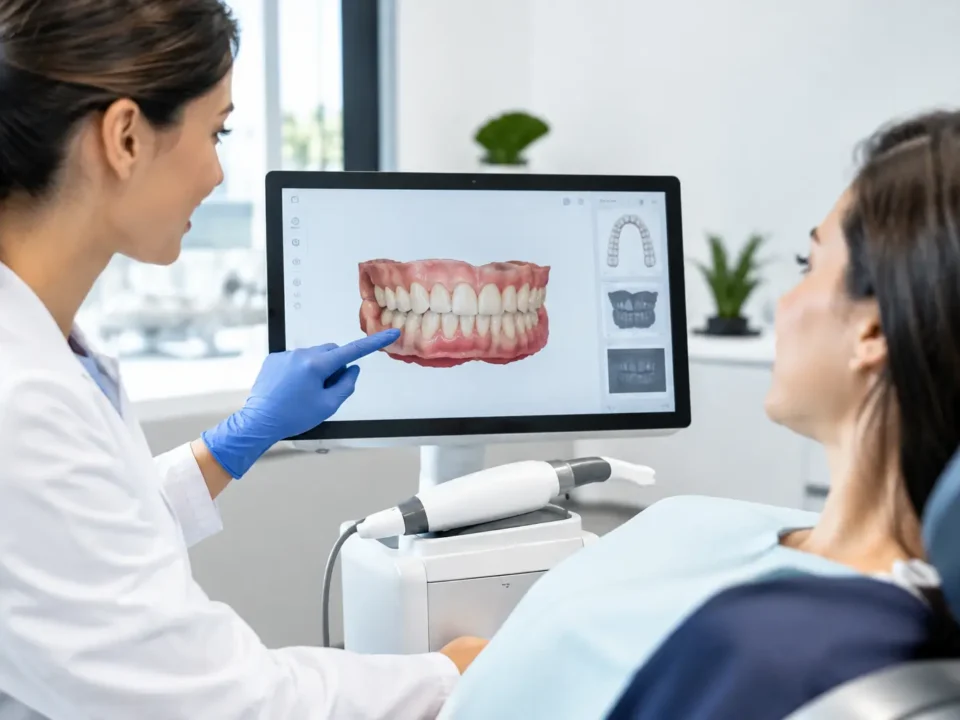
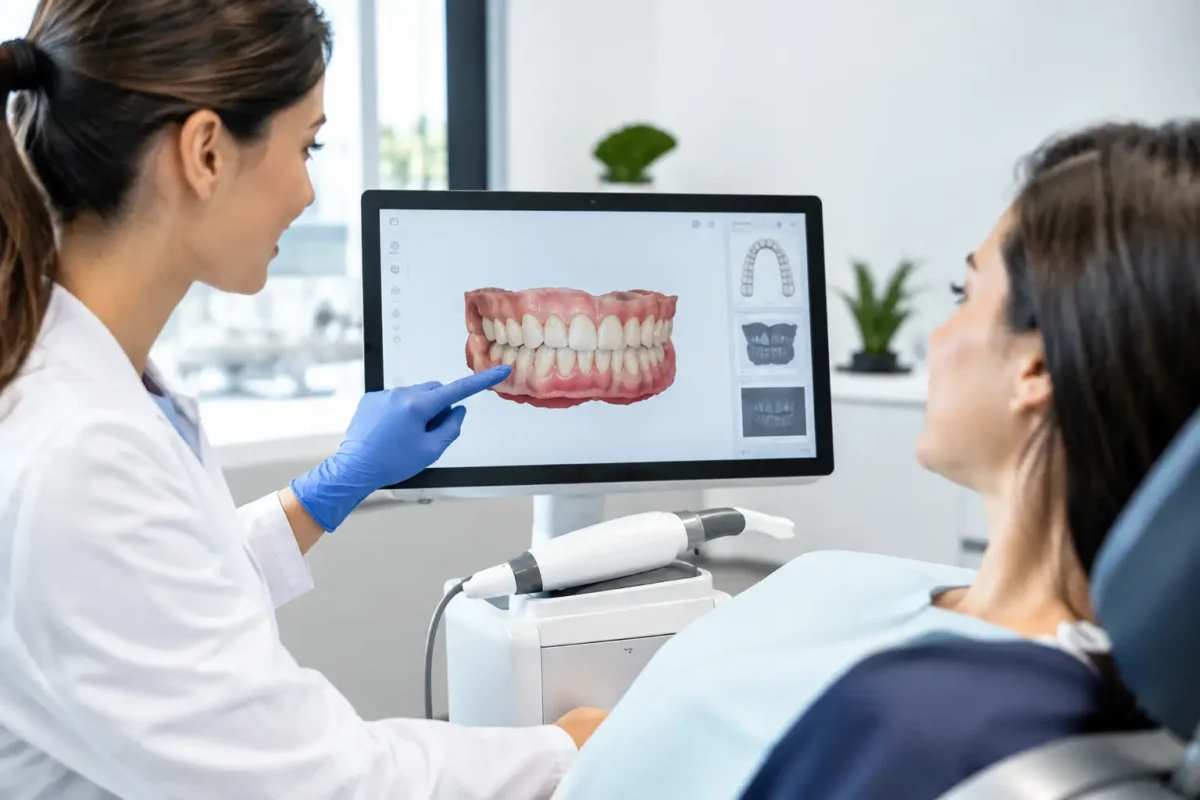
The crown, bridge, or full-arch restoration should be designed to fit accurately and feel comfortable when you bite. Modern digital scans, guided surgery, and high-quality laboratory work can support this precision. A good implant system also offers components that allow the restorative dentist to manage the angle, contour, and emergence of the final tooth.
This is particularly relevant when restoring visible teeth. A beautiful result depends on more than matching the crown color. The shape of the crown, the position of the implant, and the health of the surrounding gums all contribute to whether the restoration blends naturally with your smile.
Support, training, and quality control
Reputable manufacturers provide education and technical support for dental teams. This matters when treatment involves complex planning, immediate loading, bone grafting, or full-mouth rehabilitation. A dentist should select systems they know well and use within a carefully considered treatment protocol.
Patients do not need to memorize technical specifications. They do deserve a clear explanation of why a particular system has been selected, what it costs, and what follow-up will involve.
Common Implant Brand Questions
Patients often ask whether a well-known European, American, Swiss, or Korean implant brand is better. Geography alone is not a reliable measure of quality. Several manufacturers from different regions produce highly regarded systems with strong research and clinical use.
Price can also be confusing. A lower treatment quote may reflect a different implant system, but it may also reflect differences in the scan, surgical guide, bone grafting needs, temporary tooth, laboratory crown, sedation, or review appointments. Comparing only the brand name can hide these important differences.
It is also worth being cautious of claims such as “the best implant in the world” or promises of a guaranteed lifetime result. Implant treatment has high success rates when appropriately planned and maintained, but every procedure carries risks. Healing varies from person to person, and factors such as smoking, uncontrolled diabetes, gum disease, and teeth grinding can affect outcomes.
The Questions That Lead to Better Decisions
At a consultation, the most helpful conversation is not simply, “Which brand do you use?” Try asking what system is recommended for your specific case and why. Your dentist should also explain whether you need a CBCT scan, whether bone grafting or gum treatment is advisable, and whether immediate placement or immediate teeth are clinically suitable.
You can ask how the final crown or bridge will be made, who will monitor the healing process, and what aftercare is included. If you are replacing an existing implant crown, ask whether the original implant can be identified and whether compatible parts remain available.
Clear answers should include benefits as well as limitations. For instance, same-day implant solutions can be appropriate for selected patients, but they are not automatically the safest or most predictable route for everyone. Sometimes allowing time for healing is the more conservative choice and may offer a better foundation for the final restoration.
What Matters Most in Implant Treatment
A well-run implant process begins with listening. Your dentist should understand your health history, concerns, expectations, and practical needs before recommending treatment. Detailed imaging and digital planning then help determine the safest implant position, while the final restoration is planned around comfort, function, and appearance.
At The British Dental Clinic, this patient-first approach means explaining the choices in clear English, with transparent treatment planning rather than pressure to select a particular name. The aim is to match a trusted implant system and a precise treatment plan to the person sitting in the chair.
After placement, daily home care and regular professional reviews protect the investment. Implants cannot decay like natural teeth, but the gums and bone around them still need attention. Good brushing, interdental cleaning, hygiene appointments, and monitoring your bite all help reduce the risk of inflammation and mechanical problems over time.
Choosing an implant is ultimately a decision about confidence: confidence in the diagnosis, the materials, the clinical team, and the plan for the years ahead. A thoughtful consultation should leave you with that clarity, not simply a brand name to compare.