¿Cada cuánto hacer una limpieza dental?
julio 16, 2026
How to Reduce Dental Anxiety Before an Appointment
julio 20, 2026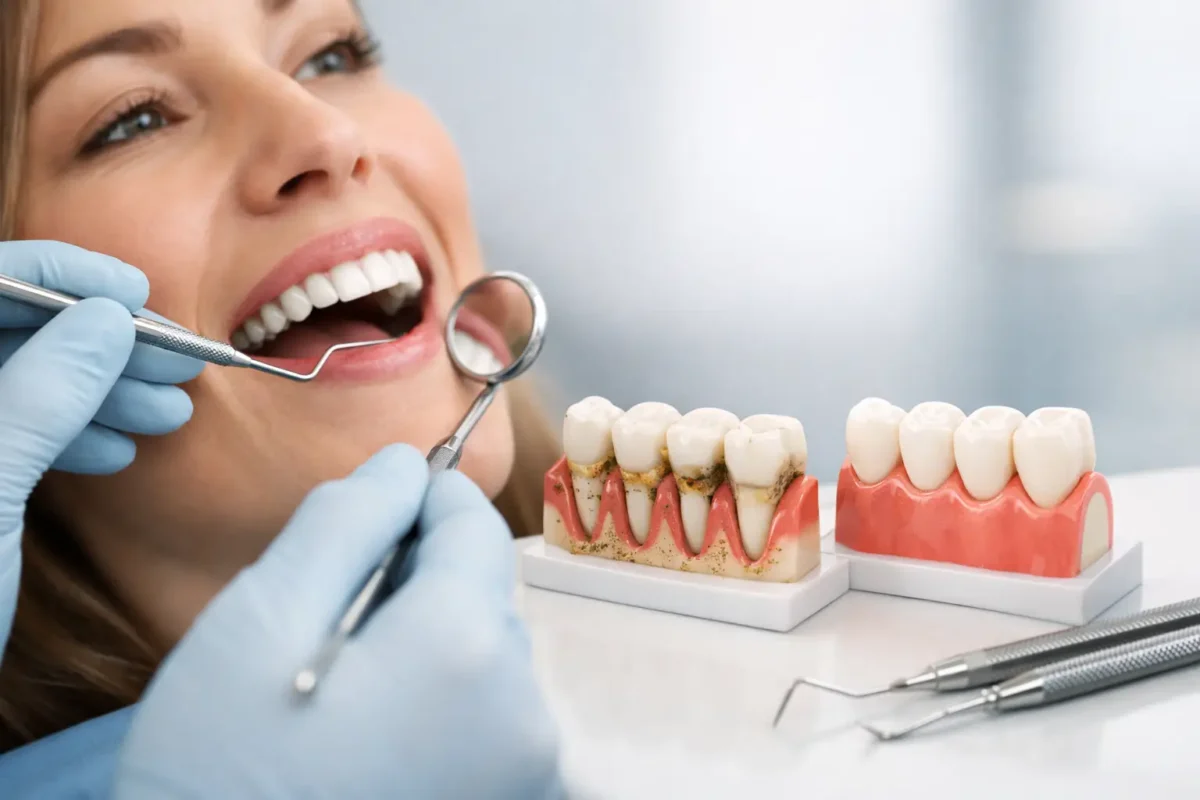
Seeing pink in the sink after brushing can be easy to dismiss, especially when work, travel, and everyday life are busy. But bleeding gums are not normal. The answer to can gum disease be reversed depends on its stage: early gum inflammation, called gingivitis, can usually be reversed with thorough cleaning and consistent home care. More advanced gum disease, called periodontitis, cannot simply be undone, but it can often be treated and stabilized to protect your teeth and gums.
The earlier you act, the simpler treatment is likely to be. A dental assessment can clarify what is happening beneath the gumline and provide a plan that is practical, clearly explained, and tailored to your needs.
Can Gum Disease Be Reversed in Its Early Stage?
Gingivitis is the earliest form of gum disease. It develops when dental plaque, a sticky film of bacteria, builds up around the teeth and along the gumline. The body responds with inflammation, which may cause gums to look red, feel tender, swell, or bleed when you brush or floss.
At this stage, the supporting bone and connective tissues around the teeth have not been permanently damaged. Removing plaque and hardened tartar through professional hygiene care, then keeping the area clean at home, allows the inflammation to settle. Many people notice healthier-looking gums and less bleeding within a few weeks.
That does not mean a quick improvement should be treated as a permanent fix. Gingivitis can return if plaque builds up again, particularly in difficult-to-clean areas, around crowded teeth, or where old fillings and crowns create plaque-retaining edges. Regular preventive appointments help keep small problems from becoming more complex ones.
When Gum Disease Has Progressed to Periodontitis
Periodontitis occurs when inflammation extends below the gumline. Over time, bacteria and the body’s immune response can damage the ligaments and bone that hold teeth in place. The gums may pull away from the teeth, creating deeper spaces known as periodontal pockets. These pockets are difficult to clean with a toothbrush alone.
Unlike gingivitis, periodontitis does not fully reverse in the sense that lost bone and attachment naturally grow back to their original level. However, this is not a reason to feel hopeless. With the right treatment and ongoing maintenance, periodontal disease can often be brought under control. The goal is to stop active infection, reduce pocket depths where possible, preserve supporting bone, and help you keep your natural teeth for as long as possible.
Some cases may benefit from periodontal surgery or regenerative procedures designed to improve access for cleaning or, in carefully selected situations, encourage regeneration of lost support. Whether these are appropriate depends on the pattern and severity of bone loss, your overall health, smoking status, and how well the gums respond to initial treatment.
Signs You Should Arrange a Gum Assessment
Gum disease is often painless in its early stages, which is why it can progress quietly. Bleeding during brushing, persistent bad breath, gum recession, sensitivity near the gumline, and a bad taste in the mouth all deserve attention. Teeth that feel loose, changes in how your teeth meet when biting, or spaces developing between teeth may indicate more advanced disease.
Bleeding can occasionally have other causes, including brushing too hard, a new flossing routine, certain medications, hormonal changes, or medical conditions. Still, it should not be ignored. A dentist or hygienist can measure the health of the gums, check for pockets, assess bone levels with X-rays when needed, and separate a short-term irritation from periodontal disease.
What Treatment Usually Involves
Treatment is not one-size-fits-all. A patient with mild gingivitis may need a professional hygiene visit and guidance on cleaning technique. Someone with periodontitis may require a deeper cleaning below the gumline, delivered over one or more appointments, followed by review visits to check healing.
At The British Dental Clinic, periodontal care begins with clear assessment and discussion. You should understand what has been found, why a particular treatment is recommended, what it involves, and how ongoing care will support the result. For international patients in Barcelona, having those conversations in clear English can make a meaningful difference when deciding on treatment.
A professional cleaning removes tartar that cannot be brushed away at home. For deeper pockets, scaling and root planing may be recommended. This treatment carefully removes bacterial deposits from below the gumline and smooths root surfaces so the gums have a better chance to heal and reattach. Local anesthetic can be used to keep the appointment comfortable.
Airflow hygiene may also be useful for removing soft plaque and surface staining in appropriate cases. It is a valuable preventive tool, but it is not a substitute for deeper periodontal treatment when infection has reached below the gumline. The best approach is based on a clinical examination, not on a one-treatment-fits-all promise.
Home Care That Supports Healing
Professional treatment creates the conditions for healing. Your daily routine keeps the results going. Brush twice daily for two minutes with a soft-bristled toothbrush and fluoride toothpaste, paying gentle attention to the gumline. Hard scrubbing does not remove more plaque and can contribute to recession or sensitivity.
Clean between your teeth every day. Interdental brushes are often especially effective because they clean the spaces where gum disease commonly begins, but the correct size matters. Floss may be a better option for very tight contacts. Your dental team can show you the technique and tools most suitable for your mouth rather than leaving you to guess.
If you have periodontal pockets, implants, bridges, orthodontic appliances, or a history of gum disease, your cleaning routine may need extra steps. An electric toothbrush, water flosser, or specialized interdental brush can be helpful, but no device replaces careful, consistent use.
Smoking and vaping can make gum disease harder to detect and treat. Nicotine reduces blood flow and may mask bleeding, even while damage continues under the surface. Stopping smoking is one of the most powerful steps you can take for gum health, healing after treatment, and long-term tooth retention. Diabetes that is not well controlled can also increase periodontal risk, so dental and medical care should work together.
Why Maintenance Matters After Treatment
Once periodontitis has been stabilized, maintenance is the part that protects the investment you have made in treatment. The bacteria that contribute to gum disease can recolonize below the gumline, especially in deeper pockets. For this reason, people with a history of periodontitis often benefit from hygiene visits more frequently than the standard six-month interval.
The right interval might be every three or four months, or it may be longer if your gums are consistently healthy. It depends on pocket depth, bleeding, plaque control, smoking, medical history, and the stability of your condition. These reviews are not just routine cleanings. They are an opportunity to monitor subtle changes before they cause further bone loss.
Gum disease can affect more than your smile. Untreated inflammation may lead to discomfort, tooth loss, difficulties with eating, and more involved restorative treatment later. Acting early is generally more conservative, more comfortable, and more cost-effective than waiting until a tooth becomes loose or painful.
If your gums bleed, feel swollen, or have started to recede, arrange a professional assessment rather than trying to solve the issue with a new toothpaste alone. With early care, honest guidance, and a routine you can maintain, healthier gums are a realistic goal.