When Do You Need a Root Canal?
junio 3, 2026
Periodontal Surgery Recovery Time Explained
junio 5, 2026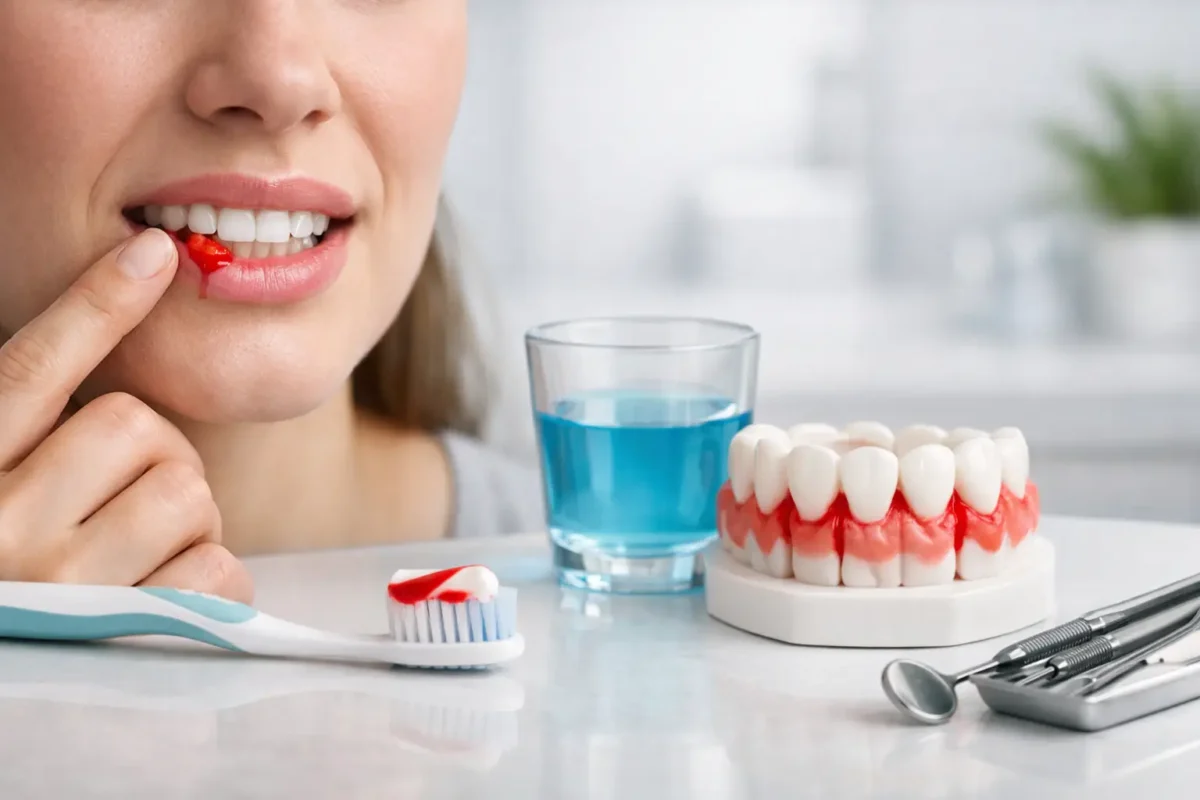
If your gums bleed when you brush or floss, it is easy to dismiss it as brushing too hard. In reality, the best treatment for bleeding gums depends on why it is happening in the first place. Sometimes the fix is straightforward, such as improving daily cleaning and having a professional hygiene visit. In other cases, bleeding is an early sign of gum disease that needs more focused care.
Healthy gums do not usually bleed. Occasional irritation can happen, especially if you have just started flossing again or changed your oral care routine, but repeated bleeding is a sign worth taking seriously. The earlier it is addressed, the easier it is to treat and the better the outcome for your long-term oral health.
What causes gums to bleed?
The most common cause is plaque buildup along the gumline. Plaque is a sticky film of bacteria that irritates the gums and triggers inflammation. In the early stage, this is called gingivitis. Gums may look red or puffy, feel tender, and bleed during brushing or flossing.
If that inflammation is not treated, it can progress into periodontal disease. At that stage, the problem goes beyond surface irritation. The supporting tissues around the teeth can start to break down, which may lead to gum recession, persistent bad breath, loose teeth, and more complex treatment needs.
There are other possible reasons too. Aggressive brushing, poorly fitting dental appliances, smoking, dry mouth, hormonal changes, certain medications, and underlying health conditions can all contribute. That is why there is no single answer that works for every patient.
The best treatment for bleeding gums starts with the cause
For most people, the best treatment for bleeding gums is a combination of better plaque control at home and professional dental care to remove hardened buildup that brushing cannot reach. If the bleeding is caused by gingivitis, this approach is often very effective.
A professional exam matters because gums can look similar even when the underlying issue is different. Mild inflammation may only need a hygiene appointment and improved home care. More advanced gum disease may require deeper cleaning below the gumline, close monitoring, and a treatment plan tailored to the severity of the condition.
This is also where clear communication matters. Patients are often told they have bleeding gums without being shown what is causing it or what the next steps involve. A good dental team should explain what they see, how serious it is, and what you can realistically expect from treatment.
What you can do at home
Home care is essential, but it works best when it is done consistently and correctly. Brushing twice a day with a soft-bristled toothbrush helps remove plaque without traumatizing the gums. Small circular motions along the gumline are usually more effective than scrubbing back and forth.
Flossing or cleaning between the teeth once a day is just as important. This is the area where gingivitis often starts, because a toothbrush does not clean well between teeth. If your gums bleed when you floss, that does not automatically mean you should stop. In many cases, gentle daily cleaning reduces inflammation and the bleeding improves within several days.
An antibacterial mouth rinse may help in some situations, especially if a dentist recommends it as part of a short-term plan. But rinses are not a substitute for brushing, flossing, or professional treatment. They can support the process, not replace it.
If you smoke, cutting down or quitting can make a significant difference. Smoking affects blood flow and healing in the gums, which makes gum problems easier to develop and harder to treat.
When a dental cleaning is the right treatment
If plaque has hardened into tartar, home care alone will not remove it. Tartar creates a rough surface where more bacteria collect, keeping the gums inflamed. In this case, a professional cleaning is often the most effective next step.
During a hygiene visit, the clinician removes plaque and tartar from around the teeth and gumline. For patients with mild gingivitis, this may be enough to stop the cycle of irritation, especially when paired with better home care afterward. Some people notice improvement within a week or two, with less bleeding and healthier-looking gums.
Airflow hygiene can also be useful for removing soft deposits and surface staining comfortably, though it is not a substitute for treating deeper gum disease when that is present. The right approach depends on how advanced the inflammation is.
When bleeding gums need deeper treatment
If the gums are bleeding regularly, pulling away from the teeth, or associated with bad breath and tooth sensitivity, deeper periodontal treatment may be needed. This usually involves cleaning below the gumline to remove bacteria and deposits from the root surfaces.
This type of treatment is more targeted than a standard cleaning. It addresses infection in the spaces between the teeth and gums, where bacteria can continue to cause damage even if the tooth surfaces look clean. Depending on the case, treatment may be done over one or more visits and followed by maintenance appointments to keep the condition stable.
The trade-off is simple. Deeper treatment takes more time and may involve temporary tenderness, but delaying it can allow the disease to progress. Early intervention is usually less invasive, more comfortable, and more cost-effective than waiting until teeth become loose or gums recede further.
How long does it take for bleeding gums to stop?
That depends on the cause and how consistent treatment is. If the bleeding is due to mild gingivitis, some patients see improvement within a few days of better brushing and flossing, especially after a professional cleaning. More established inflammation may take a few weeks to settle.
If periodontal disease is involved, the timeline is longer. The goal is not just to stop visible bleeding but to stabilize the gums and protect the bone supporting the teeth. That often requires ongoing maintenance rather than a one-time fix.
It is also worth knowing that gums may bleed a little more at first when you restart flossing after a long break. If the technique is gentle and the bleeding improves steadily, that can be part of the healing process. If it gets worse or continues, it should be checked.
Signs you should book an appointment soon
A little pink in the sink once may not be an emergency. Bleeding that keeps returning is different. If your gums bleed most days, feel swollen, look red, or hurt when you eat or brush, it is time for an evaluation.
You should also book an appointment if you notice persistent bad breath, gum recession, sensitivity near the roots, loose teeth, or pus around the gums. These signs can point to more advanced disease that should not be managed with home remedies alone.
For international patients and busy professionals, one of the most frustrating parts of dental care is uncertainty. You want to know what is happening, what treatment you actually need, and how urgent it is. At The British Dental Clinic, that conversation is designed to be clear, calm, and practical, so you can make an informed decision without feeling rushed.
Can bleeding gums come back?
Yes, especially if the underlying habits or risk factors do not change. Gum inflammation is often manageable, but it can return when plaque builds up again, cleanings are delayed, or medical and lifestyle factors are left unaddressed.
That does not mean treatment has failed. It means gum health needs maintenance, just like the rest of your health. Regular checkups, hygiene visits at the interval your dentist recommends, and good daily cleaning make a major difference.
The best treatment for bleeding gums is early action
People often wait until gum bleeding becomes frequent or uncomfortable before seeking care. By then, the treatment may be more involved than it needed to be. The better approach is to treat bleeding as an early warning sign.
If the cause is minor, you get peace of mind and straightforward advice. If it is gum disease, catching it early gives you more treatment options and a better chance of protecting your teeth for the long term. When your gums bleed, the right next step is not to ignore it or guess. It is to have it assessed properly and start care before a small problem becomes a bigger one.